








In the specialty coffee wave, the flavor expression of coffee beans has become increasingly rich. This article starts from the perspective of varieties, introducing the two major common coffee beans, Arabica and Robusta, and outlines the characteristics and flavors of Arabica sub-varieties such as Typica, Bourbon, Caturra, SL28, SL34, Catuai, and Geisha. At the same time, for coffee lovers who prefer low acidity, Front Street Coffee recommends two products: Brazil Queen's Farm and PWN Golden Mandheling, and includes detailed information such as production area, altitude, variety, and processing method, helping readers to understand coffee bean selection more systematically.
Driven by the third wave of specialty coffee, the flavor expression of coffee beans has become increasingly diverse, with different notes such as floral, fruity, cocoa, and nutty emerging one after another. Today, Front Street Coffee will introduce everyone to the common types of coffee.
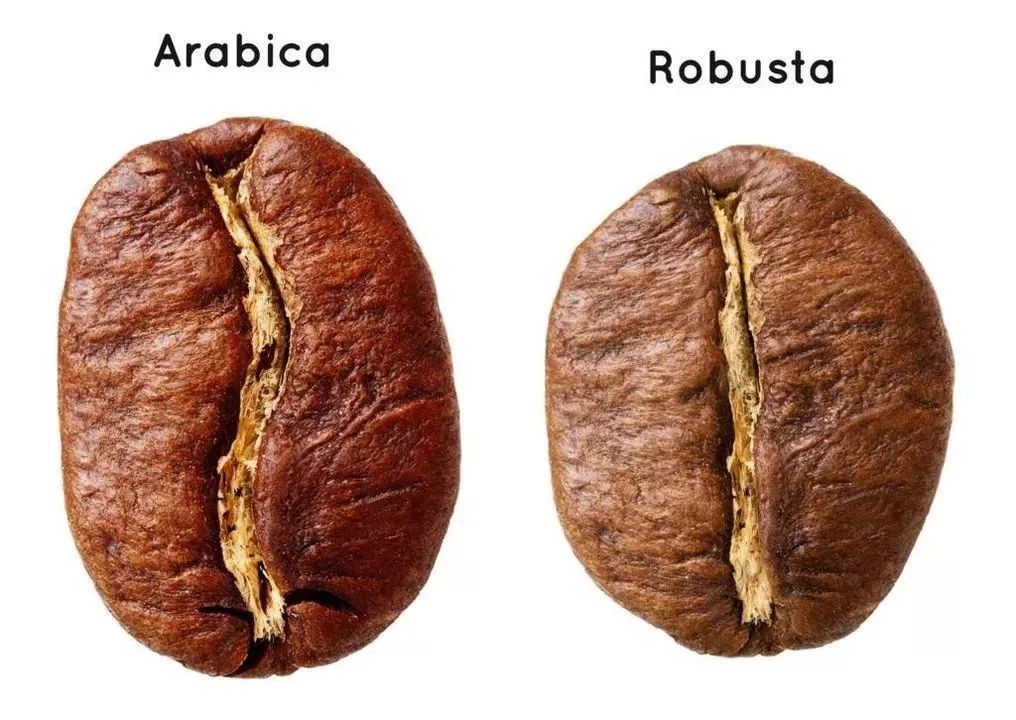
From the perspective of varieties, the two most common major categories are Arabica coffee beans and Robusta coffee beans. Arabica beans usually have better flavor, often with floral and fruity notes, and are the most widely commercially cultivated variety in the world, accounting for 70% of global cultivation. This kind of coffee generally needs to be grown at higher altitudes.
Robusta coffee beans inherently lack the elegant aroma of Arabica, replaced instead by a heavier, lower-toned quality, along with flavors such as walnut, peanut, hazelnut, wheat, and grain. However, its vitality is far stronger than Arabica's, it is grown at lower altitudes, has outstanding disease and pest resistance, and also has higher yields per unit. Currently, Robusta accounts for about 30% of global cultivation and is mostly used as raw material for espresso blends and instant coffee.
The Large Arabica Coffee Family
Today, 70% of the coffee grown globally is Arabica, and Arabica itself is further divided into many varieties. Below are several relatively common Arabica coffees:
Typica Coffee Beans
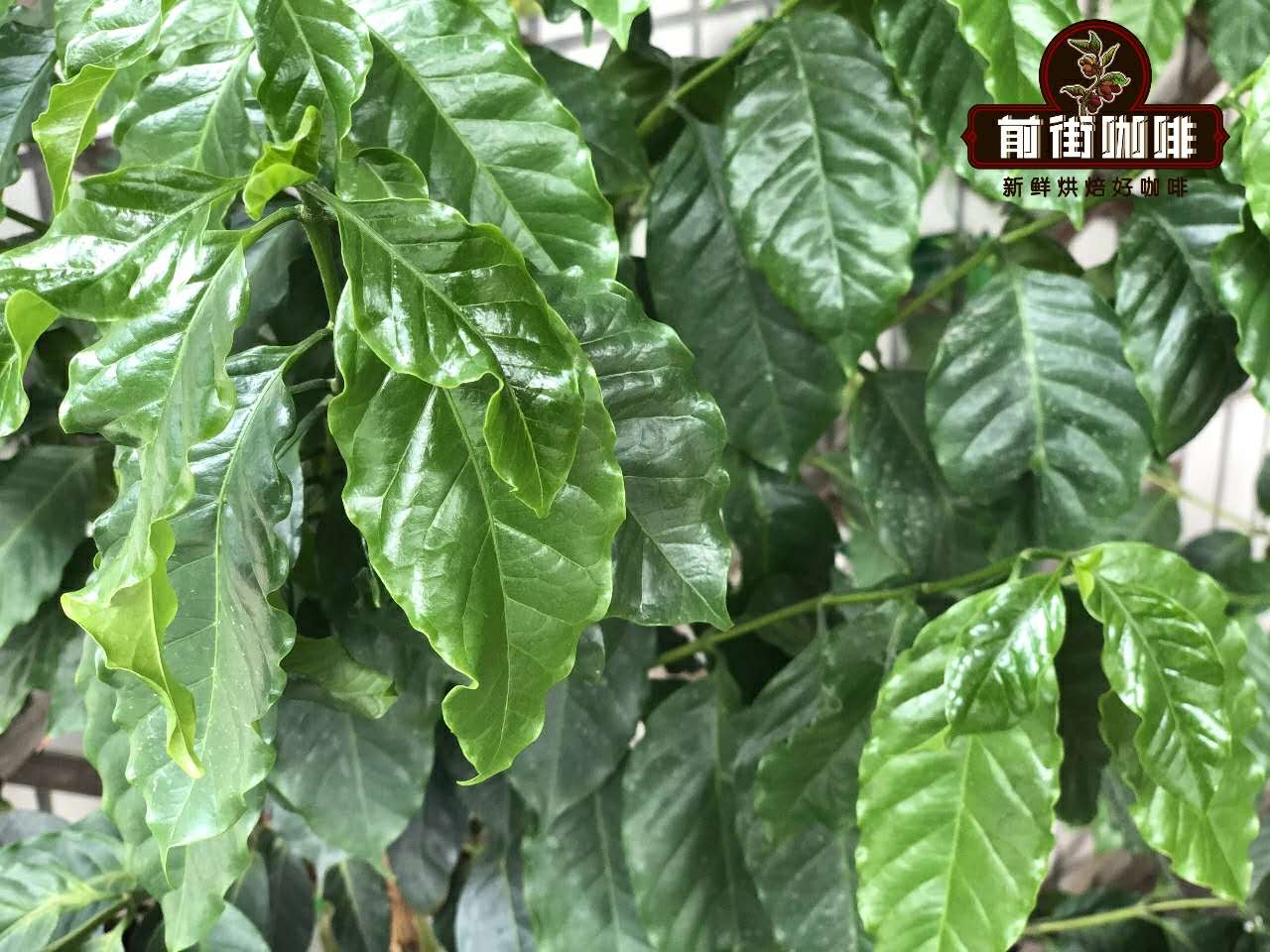
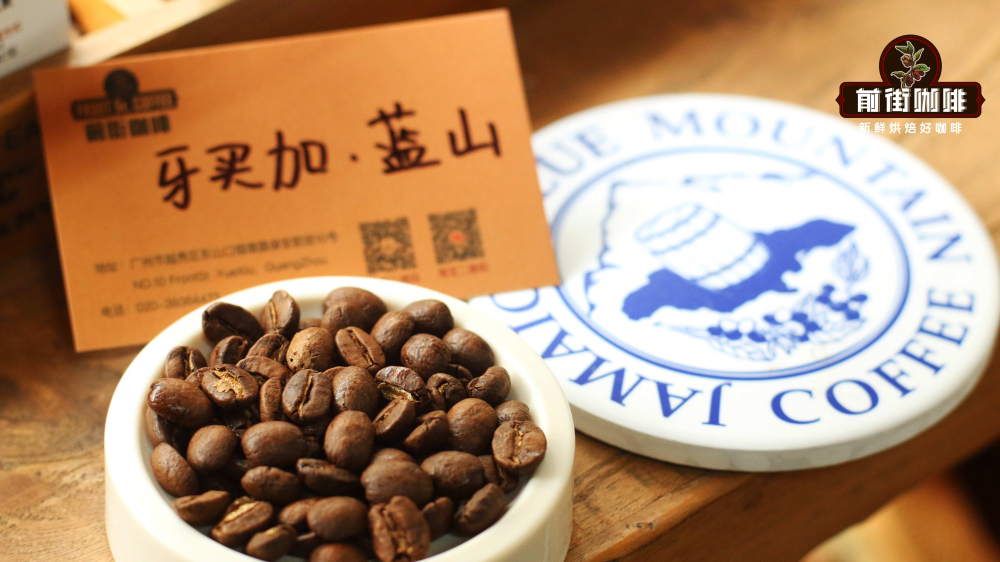
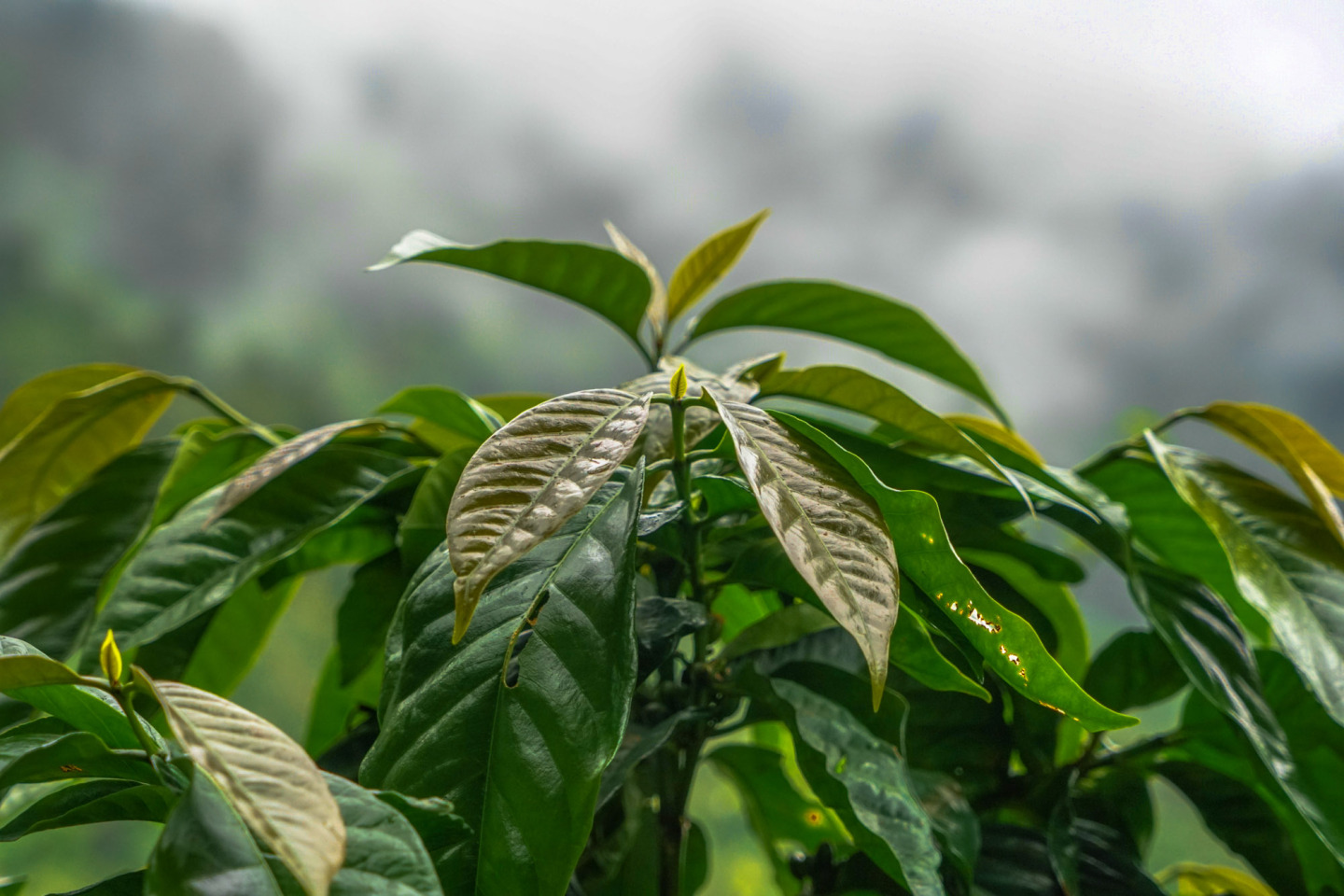
Typica is one of the oldest native varieties in the world. Its top leaves are bronze-colored, and the beans are oval or slender-pointed, with an elegant flavor, but the plant itself is relatively weak, has poor disease resistance, and produces few fruits. Typica has appeared in almost all zones where Arabica can be grown, and many famous coffees, such as Front Street Jamaica Blue Mountain, Front Street 2013 Yunnan Arabica, and Front Street PNG Paradise Bird, are high-quality coffees belonging to Typica.
Bourbon Coffee Beans
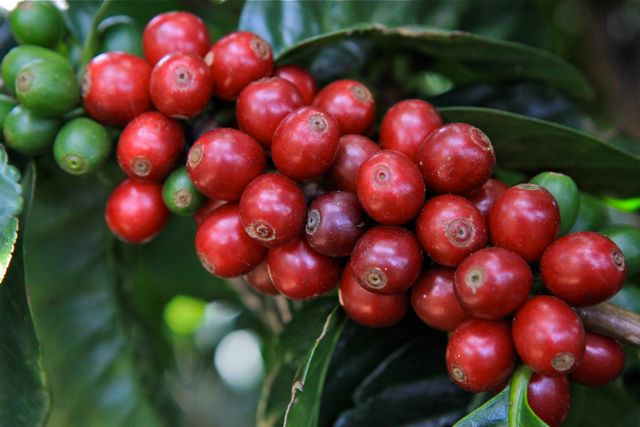
Red Bourbon is what we usually call the Bourbon variety. After the coffee fruit ripens, it turns wine-red, and the bean body is relatively round. Bourbon grown at high altitudes often has better aroma and bright acidity, with a flavor reminiscent of red wine when drunk.
There are many derivative varieties of Bourbon, among which direct variants include Yellow Bourbon, Pink Bourbon, Caturra, and others.
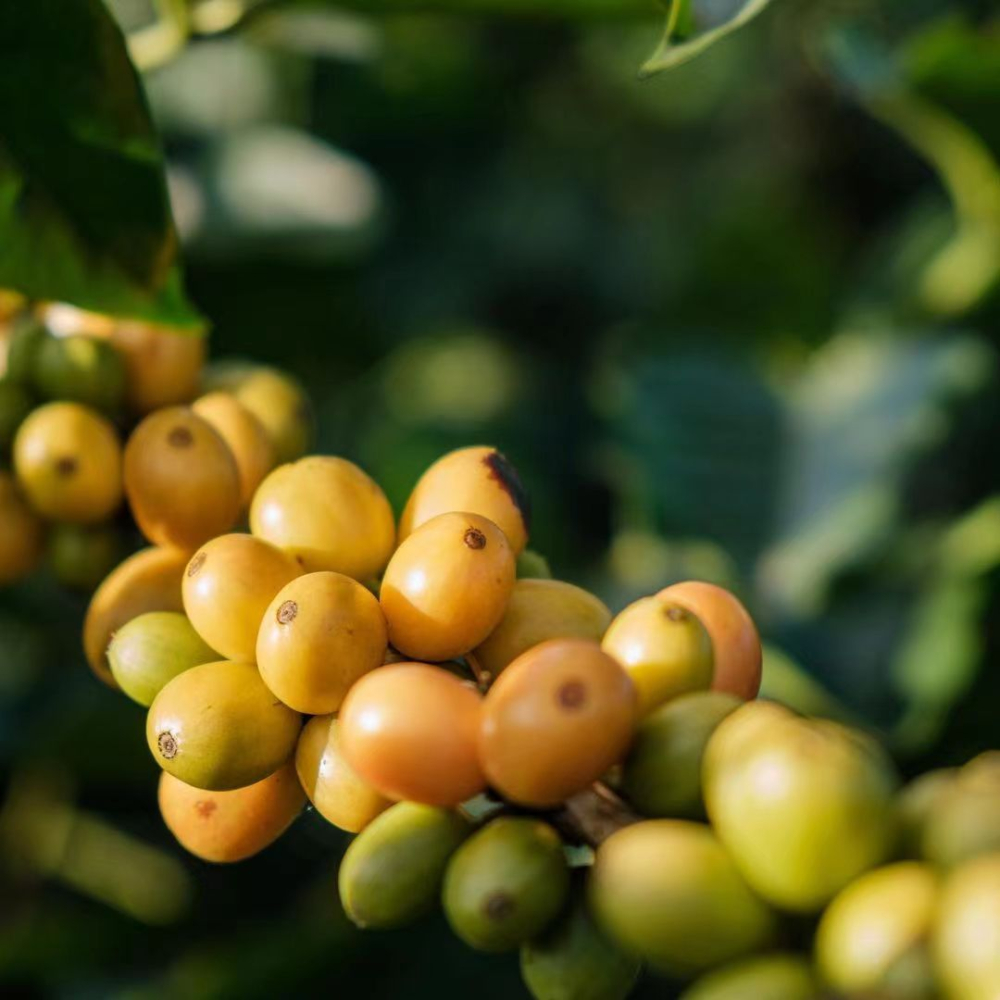
After the fruit of Yellow Bourbon ripens, unlike ordinary coffee cherries, it is not red but yellow. It was first discovered in Brazil in 1930 and currently mainly grows in Brazil. It is generally believed that it may have originated from a mutation after crossing a red-fruited Bourbon variety with a yellow-fruited Typica variant called "Amerelo de Botocatu" (discovered in São Paulo state in 1871). Due to low yield and poor resistance to wind and rain, Yellow Bourbon has not been widely planted. However, when grown at high altitudes, its flavor performance is excellent, and in recent years it has also become relatively common.
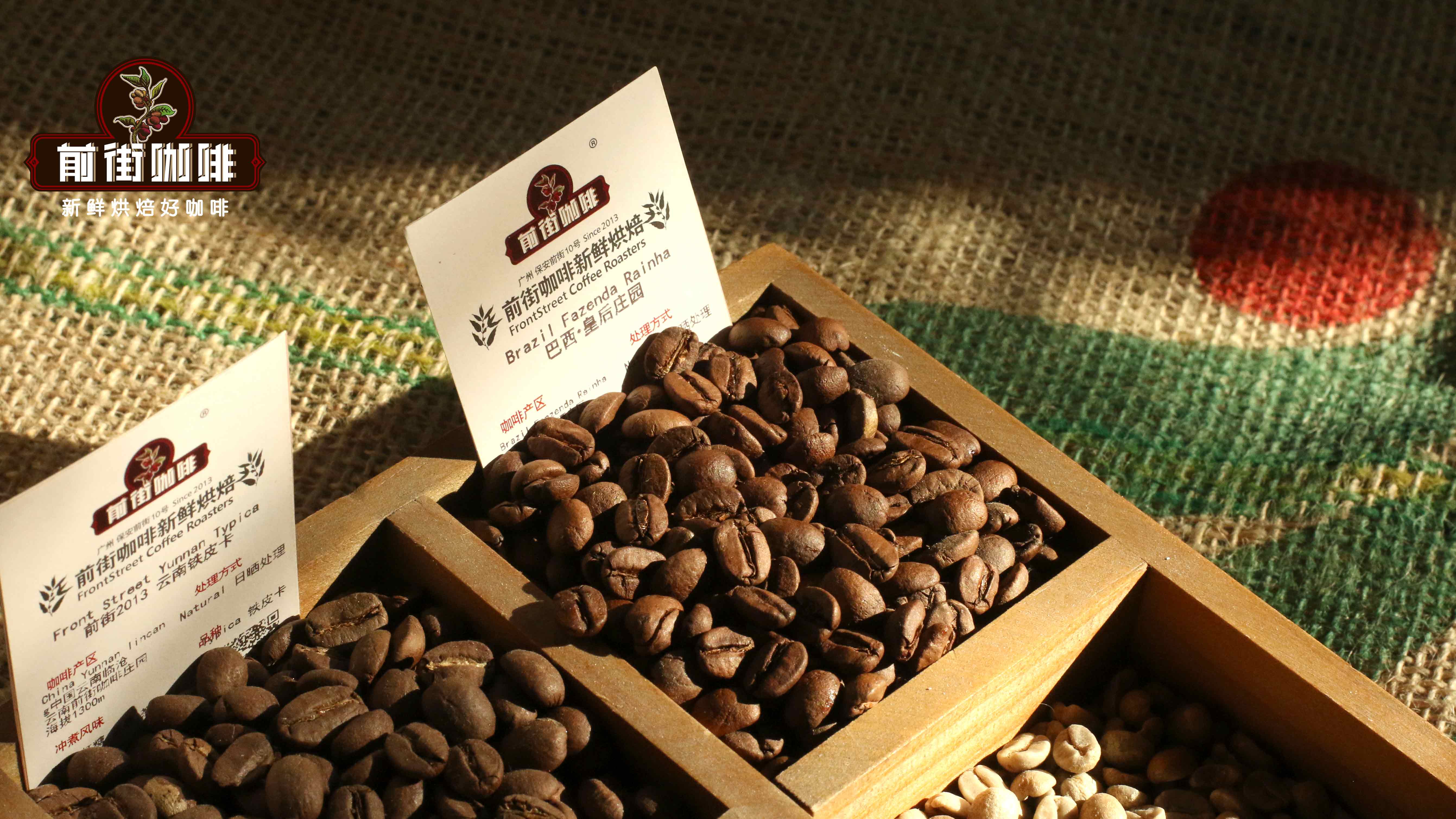
To taste a high-quality Yellow Bourbon variety, you can buy Front Street Brazil Queen's Farm. After roasting, the flavor it presents is a sweet and smooth fruit sweetness, obvious nutty flavor, balanced and gentle acidity, very weak and clean bitterness, containing rich chocolate aroma and nutty flavor, with a bright and refreshing mouthfeel.
The coffee fruit of Pink Bourbon turns pink after ripening. It is a very rare new variety, developed by crossing Red Bourbon and Yellow Bourbon. The reason Pink Bourbon is said to be rare is mainly that it is difficult to maintain this beautiful pink color, and sometimes some orange Bourbon is harvested. This is because the final color of the coffee fruit is determined by recessive genes in the pollen grains.
Pink Bourbon has a fresh floral aroma, a juicy sweetness of blueberry and green grape, a cherry note in the middle, and a sweetness like brown sugar in the finish. In terms of acidity, it presents more of a complex citrus-berry expression. It is currently mainly grown in Colombia and Guatemala.
Caturra Coffee Beans
Caturra is a single-gene mutation of Bourbon, discovered in Brazil in 1937. Its productivity and disease resistance are both better than Bourbon's, and the tree is shorter, making harvesting easier. Unfortunately, like Bourbon, it has the cyclical problem of fluctuating productivity every two years. But its flavor is comparable to Bourbon beans, and more importantly, its adaptability is extremely strong. It does not need shade trees, so it is also called Sun Coffee. It can adapt to high-density planting, but requires more fertilizer, increasing costs, so initially it was not highly accepted by coffee farmers.
As bean prices rose sharply in the 1970s, farmers switched to planting Caturra one after another to increase yields. With vigorous promotion by the Brazilian and Colombian authorities, the results were abundant, and farmers began to plant Caturra across the board. By 1990, one million hectares of coffee-growing area could harvest 14 million bags of coffee beans, increasing productivity by 60%, making Caturra deeply favored by Central American countries.
Caturra is suitable for planting from low altitudes of 700 meters to high altitudes of 1,700 meters, and its adaptability is very strong, but the higher the altitude, the better the flavor, and the yield will relatively decrease. Caturra's mouthfeel is filled with fruity notes and berry flavors. When medium-dark roasting is used, chocolate and hazelnut flavors are more prominent. It is recommended to taste Front Street Colombia Huila Caturra.
SL28 & SL34
SL28 is one of Africa's famous coffee varieties, selected and bred through research by the former Scott Agricultural Laboratories (now the National Agricultural Laboratories). This variety has good drought resistance and tolerates drought, pests, and diseases. It is suitable for growing in medium- to high-altitude areas, but is susceptible to common diseases. SL28 has a mixed lineage of French Mission (Bourbon), Mocha, and Yemeni Typica.
SL34 was also selected and bred by the former Scott Agricultural Laboratories in the late 1930s. At that time, researchers selected trees prefixed with SL in the plantations and studied their yield, quality, drought resistance, and disease resistance. SL28 and SL34 were excellent varieties selected from among them. SL34 is suitable for growing in high-altitude areas with good rainfall, but it is likewise susceptible to various common coffee diseases. One major characteristic of SL34 is that most leaf tips on the plant are dark brown (some research suggests it was selected from Typica), with only a small portion green.
SL28 and SL34 have similar flavors, but SL34 has richer acidity and a more intense mouthfeel. However, both varieties have a unique Kenyan flavor, with abundant fruity acidity and a balanced mouthfeel. Front Street Kenya Little Tomato is composed of these two high-quality varieties. After light-medium roasting, it presents flavors of cherry tomato, berries, snow pear, and black plum.
Catuai Coffee Beans
Catuai is a hybrid Arabica variety, a cross between Mundo Novo and Caturra. It has relatively good resistance to natural disasters, especially wind and rain. It inherits the advantage of Caturra's low tree height and changes the shortcomings of Mundo Novo. Another advantage is that the fruit is firmly attached and not easily knocked off by strong winds, making up for Arabica's weakness of fragile fruit. However, its overall flavor expression is more monotonous than Caturra, and also more monotonous than Mundo Novo and lacking in body, which is the greatest regret. In addition, its fruit growth and harvest lifespan is only about ten years, and too short a lifespan is also one of its weaknesses.
After its official release in the 1970s, Catuai was promoted to Central American countries and widely planted in Guatemala, Honduras, Panama, and its place of origin, Brazil. Considering flavor alone, under appropriate terroir conditions and processing methods, Catuai can have quite a wonderful flavor.
Geisha Coffee Beans
The Geisha variety was discovered in 1931 in the Geisha forest of Ethiopia. Geisha was later sent to the Coffee Research Institute in Kenya, introduced to Uganda and Tanzania in 1936, to Costa Rica in 1953, and to Panama in 1970.
At first, not many people paid attention to Geisha, until Panama's Hacienda La Esmeralda separated it from other varieties in 2003 and became the champion of the BOP competition in 2004. Only then did the Geisha variety officially enter everyone's field of vision. Today, Geisha coffee is almost synonymous with good coffee. Geisha coffee generally exhibits fragrant white floral notes, comfortable citrus acidity, and sweet honey.
So, are there any coffee bean recommendations with lower acidity?
The flavor of coffee is inseparable from factors such as the coffee variety, processing method, and roasting degree. Front Street will introduce several low-acidity coffees for everyone to choose from:
Front Street Brazil Queen's Farm Coffee Beans
Production area: Mogiana region Farm: Queen's Farm Fazenda Rainha Altitude: 1400~1950m Variety: Yellow Bourbon Processing method: Natural process
Front Street uses medium roasting for this bean. At this roast level, Brazil Queen's Farm has an obvious sweetness, but not a dull sweetness. There is a faint lemon aroma in the background, and this aroma is more prominent in the wet aroma stage. The finish shows obvious dark chocolate notes, and the overall impression is relatively round. While expressing overall Brazilian characteristics, it still does not lack liveliness.
Front Street PWN Golden Mandheling
Production area: Gayo Mountain, Aceh, Sumatra Altitude: 1100-1600 meters Variety: Ateng Grade: G1, 3 times hand-sorted Processing method: Wet-hulled process
Golden Mandheling coffee beans come from Lake Tawar in the Gayo Mountains of northwestern Sumatra. Since discovering Mandheling, the Japanese have always been very attentive to this coffee bean. In the process of cooperating with local green bean merchants, they established a strict screening system. After processing, the green beans undergo density and color sorting, and then are still manually selected four times, finally presenting Mandheling with uniform color and uniform bean shape. It is said that when processing the green beans, Mandheling under sunlight gives off a golden luster, hence the name Golden Mandheling.
The specification of Golden Mandheling is 18 screen or above, with fewer than 3 defective beans (in a 300g green bean sample), belonging to the highest grade G1. Its color is darker green, and its shape is neat flat beans. After strict screening, Front Street Coffee found that Golden Mandheling not only no longer has the earthy off-flavors unique to ordinary Mandheling, but also drinks cleaner and more translucent, with a stronger sweetness and aroma.
The above content is compiled by CoffeeHunters, a coffee news website.


