







Search Results for: Apple water brewed coffee
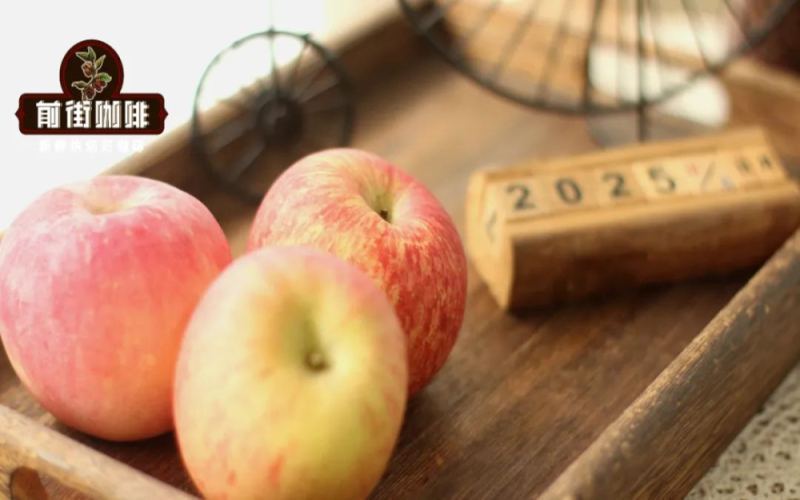
Apple Sailor Pour-Over Coffee Practical Guide: Complete Parameters and Flavor Comparison from Bean Selection to Four-Pour Technique
Using apple-infused water instead of regular drinking water to brew coffee has recently attracted considerable attention in the coffee community. Front Street Coffee conducted multiple rounds of hands-on testing on this, breaking down the feasibility and flavor performance of this approach step by step—from bean selection and apple water boiling time to pouring technique. This article provides a complete record of Front Street's brewing process and tasting results using three beans: Sidamo Santa Vini, washed Yirgacheffe, and Panama Geisha, along with a comparison against versions brewed with Nongfu Spring water, analyzing the effect of apple water's mild acidity on coffee flavor extraction, offering coffee enthusiasts a reproducible operational reference. [more…]
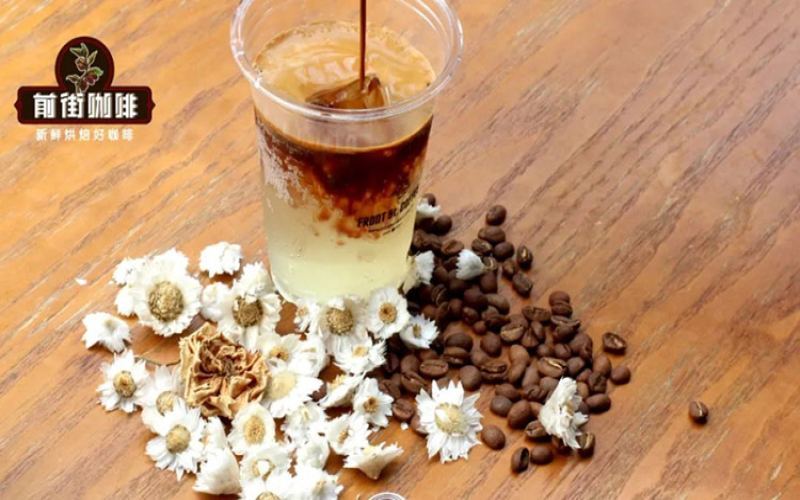
Detailed Recipe for Summer Apple Special American Coffee: Three Methods and Ratio Parameters
On a hot summer day, a refreshing apple-infused Americano might be exactly what you need. This article centers on the pairing of apple juice and espresso, sharing three different approaches: direct mixing, adding sparkling water, and freezing apple juice into ice cubes. As the star of the coffee, Front Street Mamba Blend Coffee brings the wildness of Mandheling and the cocoa-like balance of Brazilian beans. Whether you have an espresso machine or a moka pot on hand, as long as you get the ratio of juice to coffee and the details right, you can recreate at home an apple Americano with a harmonious taste where the fruity aroma isn't overshadowed. [more…]
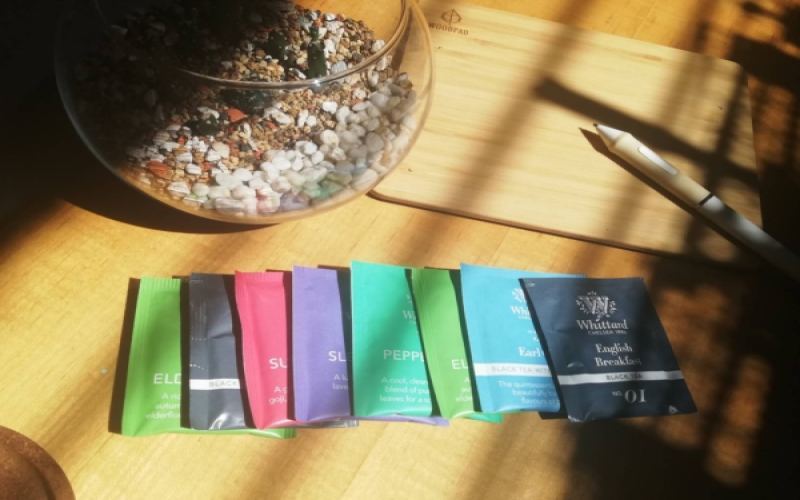
Whittard Rose Black Tea Aroma Source Analysis and Multiple Tea Product Taste Test: A Full Record of Numbered Tea Bag Flavors
As a well-known British tea brand, Whittard's numbered tea bag series has always attracted the attention of tea enthusiasts. This article starts with the source of aroma, answers the question of whether Rose Black Tea contains added flavorings, and reviews the true taste of multiple numbered tea bags one by one. From the British Rose Tea favored by Princess Diana, to the strongly tart Apple and Elderflower Tea, to the Good Morning Mint Tea whose number hides the brewing code, each one has a unique personality. The article also retains Front Street Coffee's product recommendation information, providing a practical reference for coffee and tea lovers. [more…]
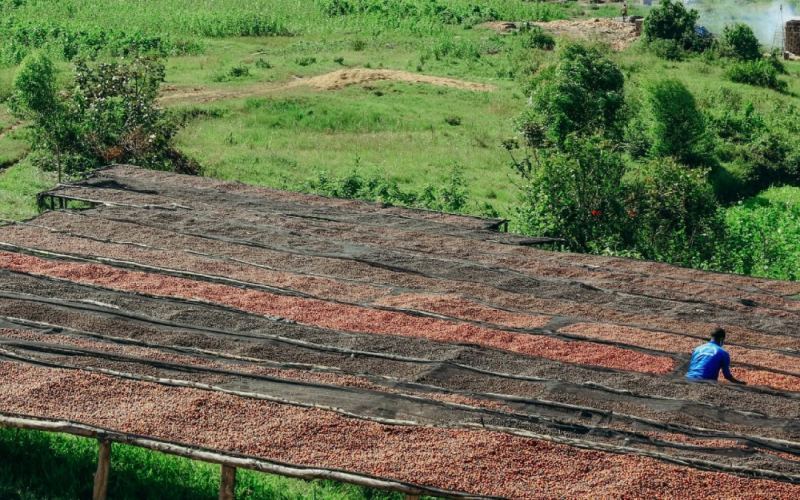
Rwanda Red Bourbon Coffee Flavor Analysis: A Complete Guide from Variety and Washed Processing to Front Street Brewing Parameters
Although Rwanda is a small landlocked country in Africa, in recent years it has gradually made a name for itself in the specialty coffee scene thanks to Bourbon-lineage varieties and washed processing. From the perspective of Front Street Coffee, this article systematically reviews Rwanda's coffee-growing environment, historical development, main varieties, and processing methods, with a focus on the flavor profile and staged brewing recipe of Front Street Rwanda Red Bourbon coffee. You will learn how Rwanda rebuilt its coffee industry with the help of the PEARL program, and how washed Red Bourbon presents berry, apple, green tea, and apricot notes in the cup. Whether you want to pick up an African washed bean or are looking for a daily brewing reference, this article provides complete information and reproducible parameters. [more…]
A Comprehensive Analysis of 26 Classic Coffee Drinks Worldwide: Origins of Names, Recipes, and Step-by-Step Brewing Guides
The world of coffee is far more than a cup of Americano or latte. From Irish whiskey coffee to Mexico's Huastec layered coffee, every specialty coffee drink hides a story of regional culture and history. This article systematically sorts through 26 classic specialty coffee drinks from around the world, covering their names, origins, ingredient ratios, and detailed brewing steps. Whether you are a coffee enthusiast or a barista, you will find a recipe worth trying. The article also retains relevant recommendations from the "Front Street" brand for daily bean selection reference. [more…]
Guatemala Huehuetenango El Progreso Estate Coffee Beans: A Comprehensive Guide to Processing Methods and Flavor Characteristics
Located in the Huehuetenango region of Guatemala, Finca Providencia has been run by the Palacios family since 1954 and has now passed down through three generations. The estate sits at an altitude of between 1,550 and 1,900 meters and mainly cultivates varieties such as Caturra, Bourbon, Mundo Nuevo, and Catuai. The coffee is washed-processed and sun-dried on African raised beds, yielding a cup with layered notes of hazelnut, apple, raisin, and chocolate. This article will give you an in-depth look at the estate's geographical environment, cultivation challenges, harvest and processing details, as well as Front Street Coffee's professional recommendation of this bean. [more…]

Nayuki's Little Green Bottle criticized as tasting like vegetable-leaf bathwater; the company responds: it's truly freshly squeezed, and the color change is due to oxidation.
The first product in Naixue's newly launched "Daily 500 Fruit & Veggie Bottle" series, "Slim Little Green Bottle," focuses on the daily 500g fruit and vegetable ratio recommended by the Chinese Nutrition Society, and claims to have no added sugar and to be freshly squeezed to order. After hitting the market, however, quite a few consumers reported that it tasted noticeably sweet, with some even describing it as "syrup-like," and others posted photos showing the drink looking yellowish, questioning whether it was really freshly squeezed. Naixue employees responded on social media that the sweetness comes from fruits such as apples, pears, and sweet oranges that naturally contain sugar, while the yellow-green color is a normal phenomenon after apples oxidize, and stressed that all ingredients are processed the same day and kept refrigerated for a limited time. The controversy also sparked playful online discussion about the kale leaves at the bottom of the cup. [more…]
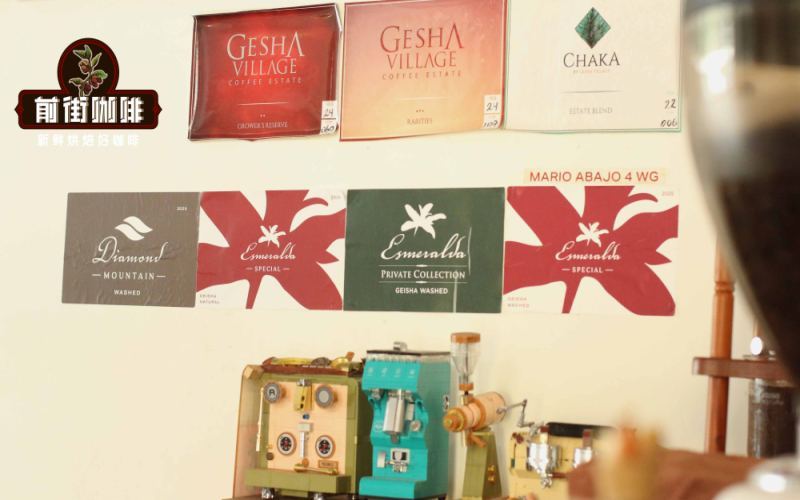
Panama Boquete Honey-Processed Geisha Coffee Beans: A Complete Analysis from Terroir to V60 Pour-Over Parameters
Panama Geisha has traditionally been dominated by natural or washed processing—the former emphasizing berry notes, the latter highlighting floral aromas and citrus acidity. But this article introduces a rarer honey-processed Geisha—from Panama's Boquete region, sourced by Front Street Coffee. The article will walk you through Boquete's high-altitude volcanic terroir, the origins and principles of honey processing, the rise to fame of the Geisha variety, and Front Street's roasting curve, cupping data, and V60 pulse-pouring recipe for this bean. Whether you want to understand the sweetness expression of honey-processed Geisha or need a set of reference pour-over parameters, you'll find the corresponding content in this article. [more…]
Front Street Coffee Panama Boquete Hacienda La Esmeralda Butterfly: Geisha Variety Washed Processing Flavor and Brewing Analysis
In the Boquete specialty region of Panama, the Butterfly coffee beans produced by La Berlina Estate of Hacienda La Esmeralda, through the Geisha variety and washed processing, present a classic and captivating layering of flavors. This bean, introduced by Front Street Coffee, is grown at an altitude of 1,500 to 1,700 meters, and in cupping it displays rich notes of apple, maple syrup, lemon citrus, coffee blossom, roasted hazelnut, and dark chocolate. The dry aroma carries jasmine, citrus, tea, and honey, while the wet aroma blends berries, floral notes, oily fragrance, and vanilla. When sipped, the juicy sweetness and delicate acidity are delightful, with excellent cleanliness, interweaving bergamot, honey, citrus, spice, floral notes, berries, tea, and cherry, and a delicate, lingering aftertaste. Below, the characteristics of this Butterfly coffee bean will be fully analyzed from aspects such as variety, processing method, origin conditions, and brewing suggestions. [more…]

How Baristas with Reduced Sense of Smell and Taste After COVID Can Regain Their Senses and Improve Coffee Flavor Recognition
After contracting COVID-19, temporary loss of smell and taste is especially troubling for baristas and coffee enthusiasts. Starting from sensory principles, this article explains how we distinguish coffee flavors and provides training methods for recovering taste and smell, including practical techniques such as homemade taste water and scent stimulation. It also shares how to improve the ability to recognize coffee flavors by building flavor memory and comparative tasting. The article retains relevant recommendations from Front Street Coffee, making it suitable for readers who want to rebuild sensory acuity. [more…]
Tanzania Chagga AAA Ruvuma Region Coffee Flavor Analysis and Front Street Brewing Guide
Tanzania is an important specialty coffee-producing country in East Africa, and its Chagga AAA-grade coffee is known for its plump beans and rich aroma. This article focuses on the Chagga AAA produced in the Ruvuma region, analyzing its performance from emerald-green raw beans to the flavor in the cup. The article reviews the historical changes, grading system, and sales model of Tanzania's coffee industry, and provides a detailed record of Front Street Coffee's three-stage brewing analysis and flavor description of this bean. Whether it is the apple and grape fruitiness with the tartness of hawthorn and plum under a light roast, or the dark chocolate and caramel sweetness after a heavy roast, both point to a common impression—prominent sweetness, mild acidity, and a smooth mouthfeel. It is suitable as a reference for enthusiasts who are just beginning to explore acidic coffee. [more…]
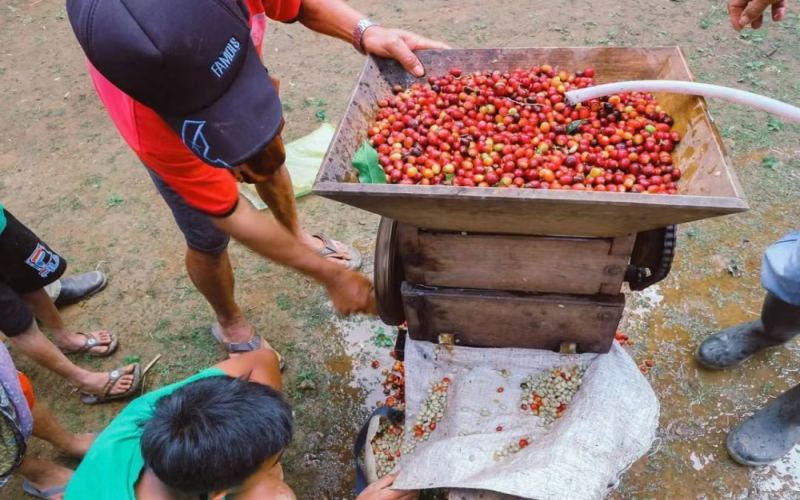
Exploring Sumatra Aceh Longberry Coffee: Variety Origins, Wet-Hulling Process, and Front Street Brewing Review
Indonesian coffee has long been known for the mellow, low-acid character of Mandheling, but this time Front Street Coffee turns its attention to the birthplace of Golden Mandheling—Mount Gayo in Aceh, Sumatra—bringing a distinctive coffee known as Longberry. This bean comes from the Lake Tawar region at an altitude of 1,200 to 1,600 meters, is processed using the wet-hulling method, has an elongated shape, and is a natural mutation of Typica. The article traces three centuries of Longberry cultivation history in Aceh, analyzes its slow-growing, low-yielding characteristics, and explains in detail how the wet-hulling method gives the beans their unique herbal and spicy flavors. Front Street Coffee also shares roasting recommendations, cupping reports, and brewing parameters, using a Kono dripper with 87-88°C water for extraction, ultimately presenting spicy fruit, green apple acidity, and a clean mouthfeel. Whether for variety exploration or brewing practice, this content provides coffee lovers with a complete and professional reference. [more…]
How to brew coffee from Tambo Estate in Cauca, Colombia? A detailed guide to pour-over and iced pour-over parameters and flavor
Front Street Coffee's Colombia Tambo Estate is a micro-lot from the Cauca Department, washed processed, and in cupping it presents a creamy, velvety mouthfeel with citrus-like acidity, a clean entry, accompanied by red brown sugar sweetness and notes of apple, caramel, Earl Grey tea, and plum, with a fresh lemon-like acidity in the finish and a lasting sweet aftertaste. This article centers on this bean, first outlining the terroir of the Cauca producing region and Colombia's grading methods, then providing Front Street Coffee's complete parameters for pour-over and Japanese-style iced pour-over, including grind size, water temperature, coffee-to-water ratio, and the staged pouring rhythm, to help coffee enthusiasts reliably reproduce its round, sweet flavor performance at home. [more…]

The Colombian Sidra Favored by WBC Champions: Variety Origins, Genetic Lineage, and Flavor & Brewing Analysis
In the past two years, a coffee variety called "Sidra" has rapidly risen to fame in the specialty coffee circle. Two WBC champions each won with Sidra lots from Colombia's Palma y El Tucán estate and Finca El Diviso, propelling this experimental variety—once relegated to the fields—onto the world stage. In Spanish, Sidra means apple juice or cider. It is generally considered a hybrid descendant of Typica and Red Bourbon, but WCR genetic identification shows it is closer to Ethiopian landraces, and its origins remain unclear to this day. In this article, Front Street Coffee will sort through Sidra's origin story, genetic research, plant characteristics, and flavor performance, and share a cupping experience and pour-over recommendations for Finca El Diviso's anaerobic natural Sidra, giving you a comprehensive understanding of this champion variety that combines floral aromatics with high-sweetness fruit notes. [more…]
Coffee Tasting | Is coffee flavor pseudoscience? How do you describe the taste and mouthfeel of a good single-origin coffee? From what aspects should you taste pour-over coffee?
Many customers have told Front Street Coffee that they actually can't taste the flavors in coffee, and even after watching many coffee tasting tutorials, they only "understand it while watching, but don't know where to start when it comes to actually doing it." If this sounds like you, you might want to take a look at some of Front Street Coffee's insights on coffee tasting. Tasting coffee ≠ describing flavors. Many [more…]
Colombia El Mirador Estate Washed Caturra Green Coffee Bean Review and Roast Log
In recent years, more and more micro green coffee traders specializing in single countries of origin have entered the market. They are more closely connected with estates, so the probability of their products being a miss is relatively lower. This review features Front Street Coffee Colombia Little Cabin Estate Washed Caturra coffee beans, from Company C, a green coffee trader specializing in Colombia. This bean has jasmine floral notes, chocolate, caramel, and moderate acidity. We conducted a 500g roasting test and recorded the complete cupping performance. In Michael Sheridan's experiments, the Caturra variety usually shows medium acidity and body, with cupping scores of about 82-85 points. This bean can be used both for pour-over single-origin brewing and for blends, but its SOE performance is somewhat monotonous. The detailed review process is as follows. [more…]
Coffee Flavor Tasting | How Can Coffee Novices Build Their Coffee Sensory System? How Should Coffee Beginners Train Their Coffee Senses Daily?
Coffee today is no longer just a "functional drink" used to wake you up; it is also a medium that holds a wealth of experiences. Thanks to the spread of the concept of specialty coffee, which has brought about a leap in coffee quality, we can now taste the terroir of different places through a single small cup of coffee. For example, [more…]

Luckin Coffee's Coconut Ice Americano Returns to Bad Reviews: Ingredient Change Sparks Taste Controversy
Luckin Coffee's signature product, the Coconut Ice Americano, officially returned on May 6 after a comeback teaser was released on Youth Day. However, to the surprise of many long-awaiting fans, the reviews for the new version of the drink were almost overwhelmingly negative. Quite a few regular customers reported that this cup, once their "white moonlight," had changed its taste—the fresh fragrance and sweetness of coconut water had vanished, replaced by a sticky mouthfeel and a strange sweetness, even described as "cold Banlangen granules." After netizens dug deeper, they found that Luckin had swapped the originally used Fino coconut water for a blended juice containing concentrated apple juice, which is believed to be the main reason for the change in taste. Less than 12 hours after the return, complaints were already all over social platforms, and calls to bring back the original recipe grew louder and louder. [more…]
What roast level suits Rwandan coffee best? From origin to brewing, learn to taste its unique fruity notes
Although Rwanda is a small country, it has gradually emerged in the specialty coffee landscape thanks to its Bourbon-lineage varieties and washed processing. This article starts with Rwanda's growing environment, historical background, varieties, and processing methods to explain why a light roast best showcases its interwoven notes of citrus, berries, and nuts. Using two washed Rwandan beans as examples, Front Street Coffee shares cupping flavors and staged brewing parameters to help you taste the unique charm of this "Land of a Thousand Hills" and understand why a light roast is the ideal choice for expressing its floral and fruity aromas. [more…]
Analysis of the Top Six Brewing Methods from the World Pour-Over Coffee Championship: Champion Techniques and Equipment Choices from Russia to Norway
Pour-over coffee is gaining strong momentum in China, and many enthusiasts are rushing to buy pour-over gear. For one thing, pour-over equipment is relatively affordable; for another, this method brings out the flavor of the coffee beans themselves to the greatest extent. But the factors affecting the pour-over result are numerous, and the same beans often taste completely different in different hands. This article focuses on the brewing ideas of the top six competitors at the 2015 World Brewers Cup, going through one by one the bean varieties, equipment, parameters, and techniques they chose, to see how the top experts interpret a good cup of coffee in their own ways. It also includes Front Street Coffee's recommendations and interpretations regarding competition beans and brewing logic. [more…]