







Many customers have told Front Street Coffee that they actually can't taste the flavors in coffee, and though they've watched many coffee tasting tutorials, it's always a case of "understanding it while watching, but not knowing where to start when actually practicing." If you're in the same boat, you might want to check out some of Front Street Coffee's insights on coffee tasting.
Tasting Coffee ≠Describing Flavors
Many people fall into the misconception that "being able to describe (or taste) the flavors in coffee means you know how to taste coffee." In reality, flavor is just a small part of the whole coffee tasting process. And being able to taste the flavors in coffee doesn't necessarily mean you know how to drink coffee.
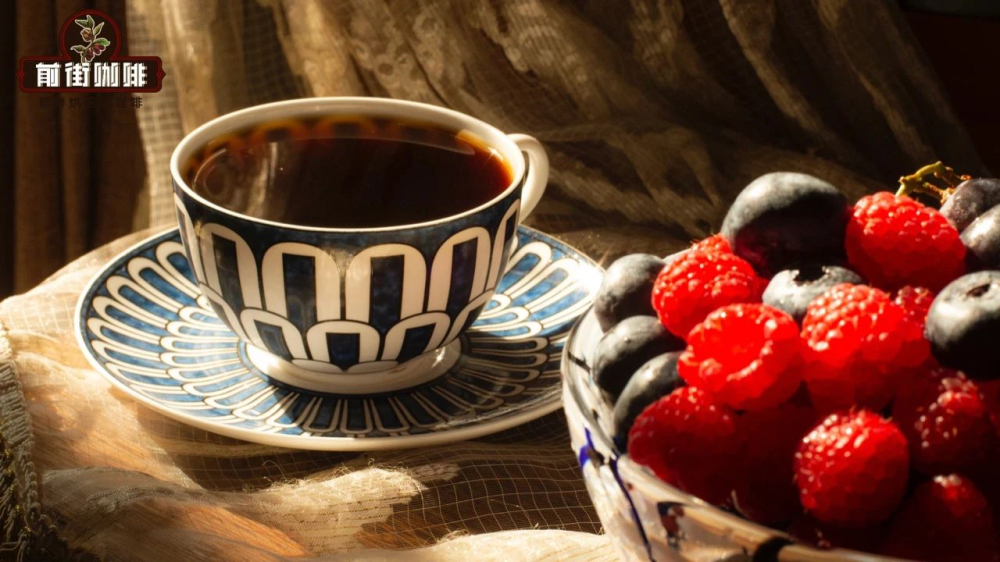
So-called flavor descriptions simply borrow some common foods to help everyone better understand the taste of coffee. For example, if the acidity of a cup of coffee is very similar to a green apple, then we can describe it as having a green apple flavor.
But if you want to taste the flavor of green apple in coffee, the prerequisite is that you've eaten a green apple and remembered that taste. This is what Front Street Coffee often tells everyone—you need to try different foods (fruits) to expand your flavor memory bank. There's no shortcut here; it can only be built up through accumulation.
When we taste coffee, we're mainly assessing whether the coffee is good, what makes it good, and what shortcomings it has. This has nothing to do with flavor descriptions. Even if you can't taste the flavors, it won't affect your judgment of a cup of coffee. If you're just an enthusiast wanting to learn how to taste coffee, you can approach it from five aspects: aroma, overall impression, mouthfeel, taste, and aftertaste.
First, Aroma
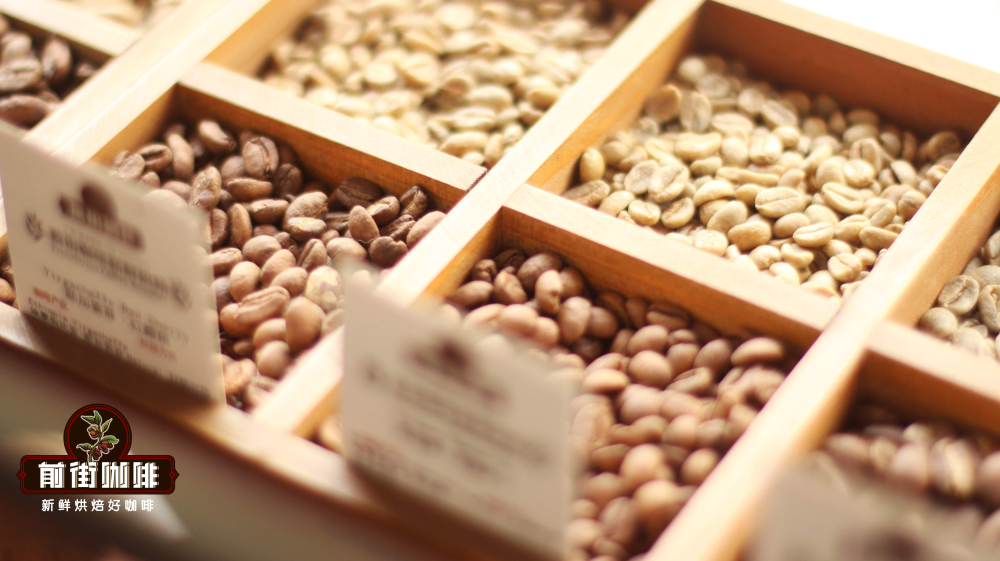
Aroma is the first thing we perceive when drinking coffee. Aroma can be divided into two parts: dry aroma and wet aroma. Dry aroma reflects the quality of the coffee. After coffee beans are ground, they release a noticeable aroma, most of which are very pleasant. Light-roasted beans generally give off aromas of toasted bread, floral notes, and jam, while dark-roasted beans generally give off aromas of roasted nuts, spices, pine wood, and dark chocolate.
Wet aroma is the aroma released with the steam after the coffee is brewed. Light-roasted coffee generally gives off a light, fresh floral fragrance, sweet-and-sour fruity notes, and candied sugar aromas. Dark-roasted coffee generally gives off aromas of spices, roasted walnuts, hazelnuts, and caramel.
When we smell pleasant aromas in coffee, it adds to the coffee's good impression score. Likewise, if we smell unpleasant odors in coffee or can't smell any aroma at all, we'll subconsciously give the coffee a lower score. Unpleasant odors that easily appear in coffee include raw almond smell (peanut skin smell), American ginseng smell (medicinal herb smell), burnt smell, and rubber smell. "Similarly, identifying aromas can't be learned from text—it still relies on daily accumulation and memory, smelling and comparing more."
Overall Characteristics
Why does Front Street Coffee put overall performance in second place rather than last? Because the "overall" here refers to the overall performance of the first sip after smelling the aroma. The evaluation method is simple—"Does it feel comfortable to drink? Is there an urge to take a second sip?"
A cup of coffee that feels comfortable to drink is a passing performance. A comfortable performance means no off-flavors (high cleanliness), moderate concentration, and a taste that isn't off-putting. If after the first sip you want to keep drinking, then the coffee is very enjoyable.

Of course, if you're just an enthusiast, you can evaluate with strong subjective preferences. For example, some people just don't like acidic coffee and feel like throwing up when they drink it. In that case, you can follow your own preferences and find coffee that feels comfortable to you.
But if you truly want to correctly understand coffee tasting, you need to balance your subjective and objective views, looking for the coffee's shortcomings in a "nitpicking" way—such as off-flavors, burnt taste, astringency, or some uncoordinated flavors. If the coffee has none of these defects, even if you subjectively don't like the taste, you shouldn't let subjectivity hinder your judgment. (It's precisely because everyone has vastly different subjective perceptions that courses like coffee sensory training exist—mainly to give you that "ruler" for objective evaluation.)
Mouthfeel
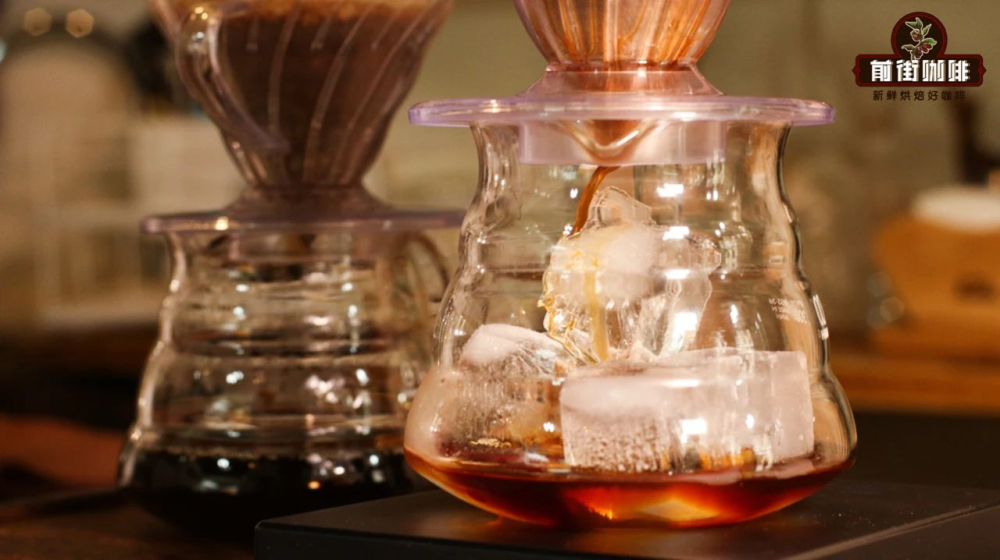
This is actually the easiest to judge, because we all have a great reference—water. For example, if it feels similar to drinking water, we'd describe it as "watery, thin mouthfeel." If it feels rough and astringent, we'd describe it as "coarse mouthfeel, astringent."
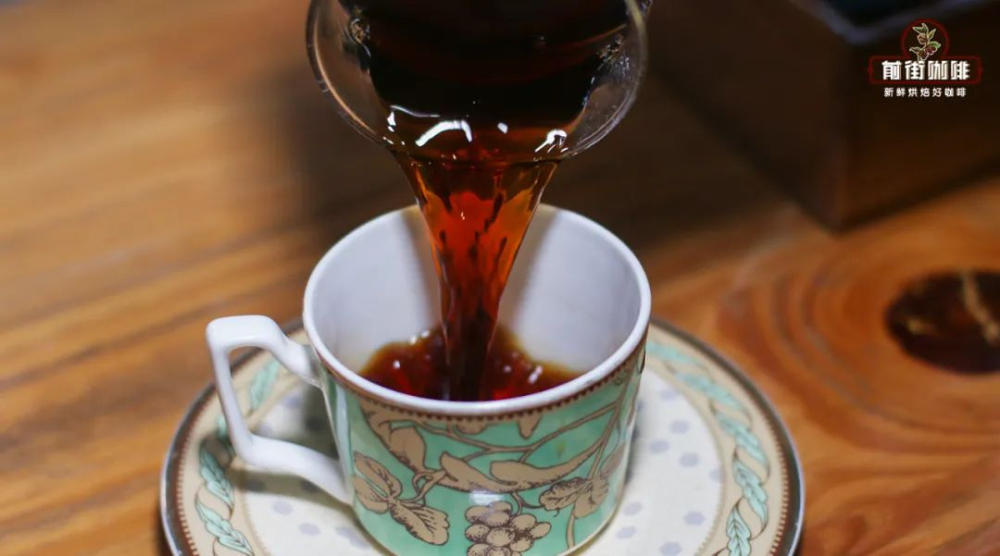
On the contrary, if it has texture and is heavier than water, we'd describe it as "full body, rich and mellow." If it feels very silky, we'd describe it as "smooth." Describing the bitterness of a cup of coffee comes down to just a few cases: coarse, smooth, thin, or mellow—and these are also very easy to perceive.
Taste
For friends who rarely drink coffee, the taste of coffee certainly won't be very good. Most people find coffee too bitter or too sour on their first try. But as you drink coffee more often, you'll naturally come to understand what good acidity is, what good bitterness is, and most importantly, you'll be able to taste the sweetness in coffee.
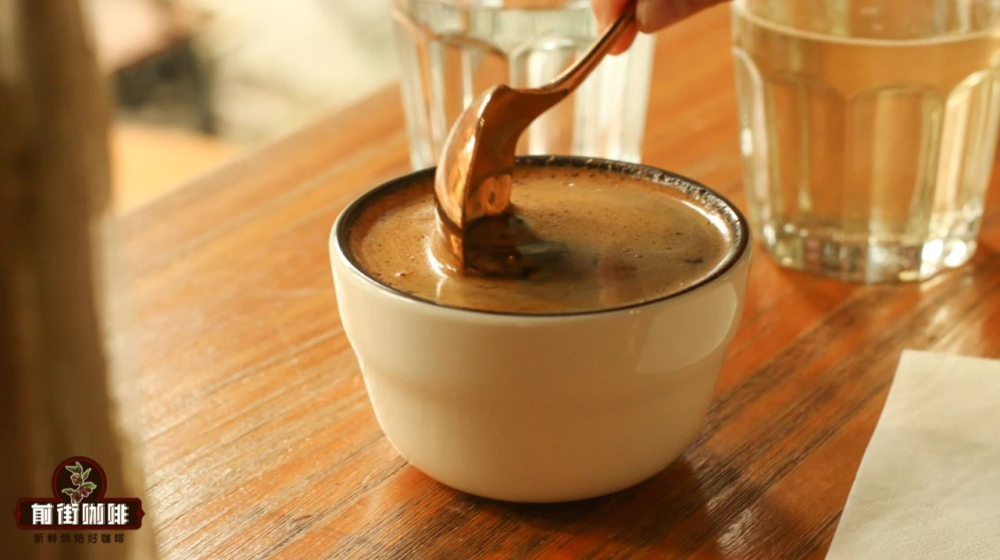
Actually, when we drink coffee, our brain also remembers the taste. As you drink coffee more often, your corresponding coffee taste sample library grows. So when you taste a coffee with a different flavor, you'll compare the perceived taste with your previous taste library. For example, if this coffee is somewhat different from before—less bitter and less sour—then it's sweet.
Aftertaste
This can be understood as the mouthfeel after drinking coffee. As an enthusiast, you can treat this as a deduction item. For example, after finishing a cup of coffee, if your mouth is bitter or there's a strong fermented taste or strong vinegar taste, that's an uncomfortable performance and should be deducted. If after drinking coffee your mouth has no sensation at all, then it's neither good nor bad.

When after drinking coffee your mouth feels sweet (sweet aftertaste), or there's a light, comfortable faint fragrance (like floral notes or tea notes), or a strong yet comfortable aroma (like caramel or cocoa), then the aftertaste of that coffee is excellent—a complete experience.
Finally, back to the flavor descriptions everyone wants to understand most
Actually, everyone has the ability to distinguish flavors. The first reason you can't taste coffee flavors is that you haven't accumulated a flavor library, making it impossible to distinguish which flavors are in the coffee. The second is a lack of methodical organization—you can actually distinguish coffee flavors, but subconsciously think of yourself as a "self-taught amateur," leading to self-denial, being embarrassed to express yourself, lacking communication, and easily closing yourself off.
Actually, everyone in the coffee community is very warm and kind. As long as you're brave enough to express your perceived flavor impressions and participate in discussions more, you'll gradually find that "ruler" for measuring flavors.
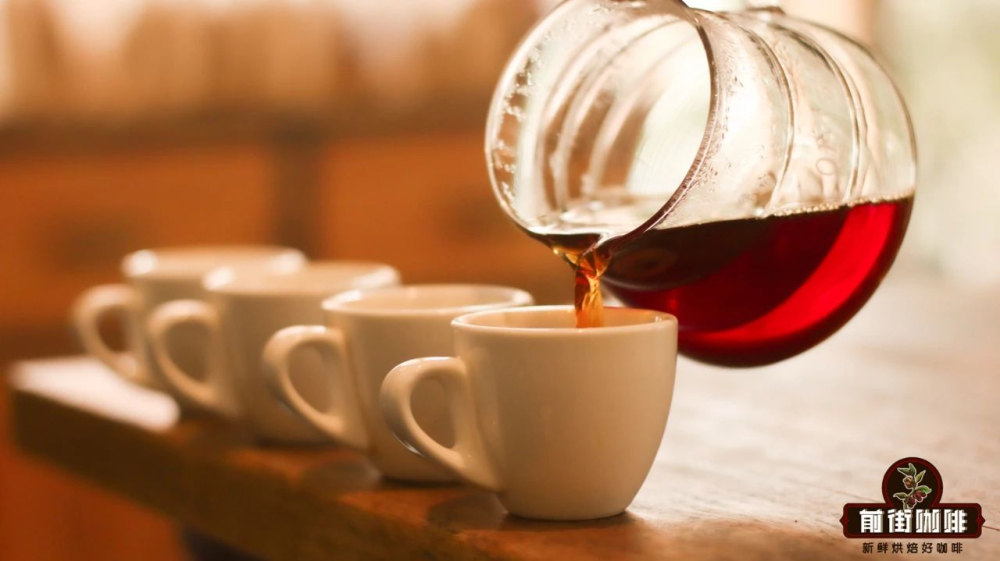
If by this point someone still asks, "I've tasted those fruits listed in the flavor descriptions, but I really can't taste them in the coffee!" Front Street Coffee has two suggestions:
The first is to learn from the basics—click here for detailed methods. The second is a shortcut method—if you truly want to enjoy coffee flavors, don't learn this. This method is to abandon your cognition of the flavors in flavor descriptions, then drink the coffee, matching the tastes in the coffee one by one with the objects in the flavor descriptions. As you drink more coffee, you'll remember that a certain flavor in coffee forms a connection with the described flavor, and thereby remember the coffee's flavors.
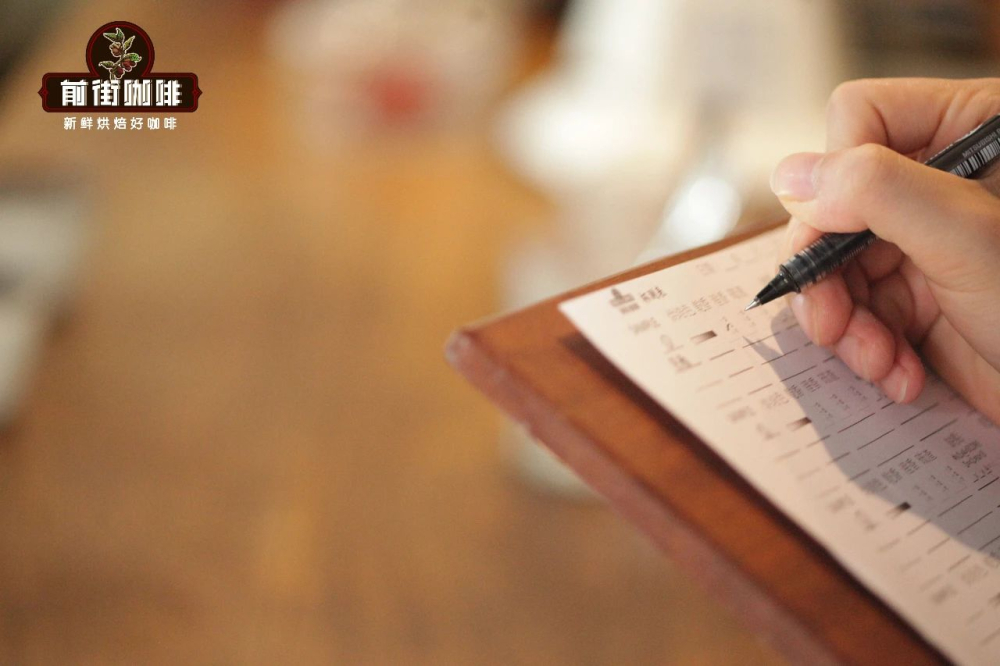
So no matter what method you use, if you want to learn to taste coffee, ultimately you just need to drink more!
Professional Coffee Knowledge Exchange
More Coffee Bean Information
Please follow Coffee Workshop (WeChat public account
cafe_style )
For more specialty coffee beans, please add private WeChat Front Street Coffee (
FrontStreet Coffee), WeChat ID:qjcoffeex
The above content is compiled by CoffeeHunters, a coffee news website.


