







Search Results for: Andes Mountains
The Terroir and Grading Standards of Colombian Coffee: From the Andes Mountains to the Huila Region
Colombia is the world's third-largest coffee exporter. Thanks to the high altitudes of the Andes, volcanic-rich soil, and diverse climates, it produces Arabica coffee of consistently high and balanced quality. This article will introduce you to the distribution of Colombia's coffee-growing regions, the terroir advantages of Huila Province, and the Excelso grading standard for export-grade green beans. It will also cover the flavor profile of the Huila Caturra washed beans in Front Street Coffee's everyday drinking series, so you can experience the distinctive chocolate notes and bright fruity acidity of Colombian coffee. [more…]
Colombian Coffee Grading System and Regional Flavor Analysis: From the Andes Mountains to Front Street Coffee's Huila Selection
Colombia, with the unique terroir of the Andes Mountains, has become a major producer of high-quality Arabica coffee worldwide. From the traditional MAM region to the specialty Huila region in the south, different altitudes and microclimates shape distinctive coffee flavors. The FNC implements strict grading of exported green beans, and standards such as Supremo and Excelso directly affect quality and traceability. Front Street Coffee uses washed Huila as a classic representative of Colombia, presenting a sweet, mellow cup with notes of nuts, dark chocolate, and caramel. This article systematically reviews Colombia's coffee-growing distribution, regional characteristics, and green bean grading rules, helping coffee enthusiasts gain a deeper understanding of the quality logic of this major South American coffee country. [more…]
The Origin Story and Roasting Approach of Colombian Coffee Beans: From the Andes Mountains to Front Street Coffee's Cauca Cup of Excellence
Colombia is the world's second-largest coffee producer and one of the few origins whose country name is sold as a single-origin coffee. It lies at the foothills of the Andes, where three Cordillera mountain ranges run north to south, giving coffee diverse climates and year-round harvest conditions. This article reviews the historical threads of Colombian coffee, the characteristics of its main producing regions, and its quality advantages, and focuses on the Cauca Cup of Excellence lot recommended by Front Street Coffee, introducing its regional information, green bean characteristics, medium-dark roast target, and KONO dripper brewing parameters, helping coffee lovers understand the complete picture of Colombian coffee from origin to cup. [more…]
Flavor Analysis of Coffee from the Cusco Region of Peru: Varieties, Processing Methods, and Cupping Characteristics of the Andes
Cusco is located in southeastern Peru, where the coffee-growing belt stretches across the high Andes at elevations of roughly 900 to 2,000 meters. The region is known for its smallholder farmers practicing intensive cultivation, growing mainly varieties such as Caturra, Bourbon, and Typica. Red fruit, black plum, raisins, and rich chocolate make up its signature flavor profile, accompanied by a creamy, full body and moderate acidity. Travelers heading to Machu Picchu often pass through Cusco city, while the rugged mountains still hide secret farms that were not discovered until 1980. This article walks you through Cusco's growing environment, variety composition, harvest rhythm, and cupping performance, along with purchasing advice from Front Street Coffee. [more…]

Flavor Analysis of Peru Cajamarca Coffee Region: Smallholder Farming in the Andes and Cup Performance
In western South America, Peru is bisected north to south by the Andes Mountains, whose complex terrain and diverse climates provide exceptional conditions for coffee cultivation. As an important coffee-producing region in Peru, Cajamarca's cultivation history can be traced back to the late 19th century, and today it is dominated by smallholder farmers, with coffee often intercropped with bananas, avocados, corn, and other crops. The coffee beans produced here typically carry flavors of caramel, cocoa, and berries, apples, plums, with medium acidity and good body. This article will guide you through Cajamarca's terroir conditions, variety structure, cultivation methods, and processing techniques, and explain where its signature flavors come from. Front Street Coffee will also combine the characteristics of the region to recommend Peruvian Cajamarca coffees worth trying. [more…]

Why Is Colombian Coffee Praised as Green Gold? A Full Analysis of Huila Region Flavors and Brewing
As the world's second-largest coffee producer and the largest exporter of washed Arabica beans, Colombia is renowned for its silky, balanced coffee, praised as "green gold." From the volcanic soils of the Andes to meticulous family farming, from the evolution of varieties like Caturra and Castillo to its distinctive washed processing, the allure of Colombian coffee goes far beyond this. This article will take an in-depth look at the flavor characteristics of specialty regions such as Huila, Colombia, sort out the distribution of producing regions, variety iteration, and processing details, and include Front Street Coffee's brewing suggestions along with several Colombian bean recommendations, giving you a comprehensive understanding of the charm of this South American coffee kingdom. [more…]
Finca El Molino in Loja Province, Ecuador: The Coffee Journey from a Seedling Nursery to a COE Champion
In Ecuador, where the Andes Mountains run the length of South America, the diverse climate and volcanic soil give rise to unique coffee flavors. Loja Province, an important producing region in the south of the country, is known for its high-altitude cultivation, and it is here that La Noria estate is located. Established by CVM, this estate grew from an initial seedling nursery into a coffee harvesting and processing center, and in both 2022 and 2023 it achieved excellent results in Ecuador's COE competition. This article will guide you through the ups and downs of Ecuador's coffee industry, take a deep look at the terroir of Loja Province, and analyze how La Noria estate rose to the championship with varieties such as Geisha. [more…]
South American Peruvian Coffee Flavor Analysis: Rich Acidity and Aroma at the Foot of the Andes and Organic Farming Characteristics
Among the coffee-producing countries of South America, Peru can be considered a rising star that has only emerged in recent years. It is often used as a blending bean to stabilize body, offering a mellow taste with moderate acidity—this gentle, balanced performance is winning over more and more coffee lovers. Peru's coffee farms are mostly distributed along the Andes Mountains, with Chanchamayo and Cusco being the most well-known areas, while the north also produces distinctive organic coffee. Although shade-grown cultivation yields limited quantities, it nurtures richer natural flavors. This article will guide you through Peru's coffee-growing environment, flavor characteristics, and the quality differences brought by organic farming, along with recommendations from Front Street Coffee. [more…]
Colombian Hula Volcano Smallholder Coffee Brand Recommendation | Origin, Variety, Processing Method, and Front Street Brewing Analysis
Colombia, with the diverse terroirs of the Andes Mountains, has become the world's third-largest coffee exporter and the country with the highest export volume of Arabica beans. The Huila volcanic region is known for organic farming and fruity flavor profiles, where smallholder cooperatives at altitudes of 1,400 to 2,000 meters cultivate citrus, grapefruit, and chocolate-like sweet-and-tart flavors. This article systematically reviews Colombia's main producing regions, coffee varieties, washed processing methods, and grading system, and highlights the Colombian beans sold by Front Street Coffee (FrontStreet Coffee), including Rose Valley, Flower Moon Night, and Hanami Geisha Blend, and finally provides cupping and three-stage brewing parameters to help coffee lovers gain a comprehensive understanding of the charm of Colombian coffee, from flavor perception to practical extraction. [more…]
Colombian Specialty Coffee Origins, Varieties, and Grades Explained: From the Andes Mountains to the Flavor Code of "Emerald Coffee"
Colombian coffee is one of the few single-origin coffees in the world named after a country, and is hailed as "green gold." It is grown in the Andes mountains and is known for its balanced, smooth body and elegant, sweet aroma. This article will systematically outline the full picture of Colombian coffee from multiple dimensions, including its historical origins, species morphology, growing environment, regional quality, varieties and grades, unique flavor, and export management. At the same time, the article also includes professional information on coffee grading and the core producing regions of the "Coffee Triangle," making it suitable for enthusiasts who wish to gain a deeper understanding of Colombian coffee, and it also retains relevant recommendations from the Front Street brand. [more…]
A Complete Guide to Colombian Specialty Coffee Regions: Harvest Seasons, Flavor Profiles, Varieties, and Processing Methods
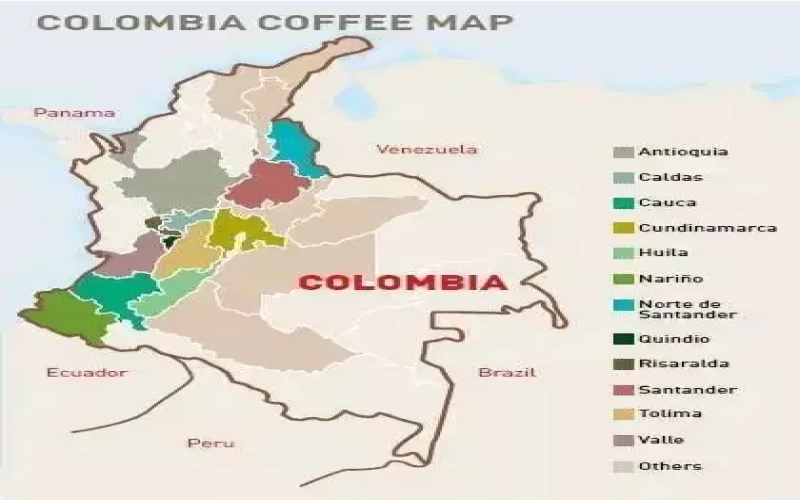
Colombia is the world's third-largest coffee exporter and the largest exporter of Arabica beans and washed beans. This article systematically reviews the core knowledge of Colombian specialty coffee: starting from the terroir conditions of the three major producing regions in the Andes Mountains, it explains in detail the differences between the northern and southern harvest seasons and the harvest time windows, introduces major varieties such as Caturra, Bourbon, and Castillo as well as the history of disease-resistant breeding, analyzes the unique characteristics of household washed processing, and examines one by one the flavor characteristics of well-known producing regions such as Santander, Huila, Cauca, and Nariño. The article also includes the producing region information and brewing flavors of several Colombian beans from Front Street Coffee, providing coffee enthusiasts with a complete framework for understanding Colombian coffee. [more…]
Overview of Colombian Specialty Coffee Regions: Terroir and Flavor from Huila to Tolima
Colombia, with the high altitudes, volcanic soils, and diverse microclimates of the Andes, has become the world's third-largest coffee-producing country. Among the country's 15 province-based growing regions, Huila is the most famous, while Tolima has risen to become the third-largest producing region. This article will review the geographical advantages of Colombian coffee, focusing on the terroir characteristics of Huila and Tolima, and also mention Front Street Coffee's everyday drinking bean series. [more…]
A Complete Analysis of Colombian Coffee Bean Flavor and Mouthfeel: From the Andes Growing Regions to Washed Processing and Brewing Suggestions
Colombian coffee is often regarded as the entry point to specialty coffee, and its soft, smooth mouthfeel and excellent balance have won it the favor of coffee lovers worldwide. As one of the few single-origin coffees named after a country, what secrets lie behind its quality? From the high-altitude growing conditions of the Andes Mountains, to FNC's standardized management of the industry, to washed processing and screen-size grading systems, this article will systematically sort out the regional distribution, varietal characteristics, processing methods, and brewing key points of Colombian coffee. At the same time, drawing on Front Street Coffee's Huila everyday beans, it shares a set of practical brewing parameters and techniques to help you recreate a cup of clean, sweet, and mellow Colombian flavor at home. [more…]
A Comprehensive Analysis of Colombian Coffee Bean Flavor and Taste: Key Points on Huila Region Characteristics and Roast Level
Colombia, as the world's third-largest coffee-producing country, nurtures Arabica coffee beans of exceptional quality thanks to the superior geographical conditions of the Andes Mountains. This article systematically reviews the characteristics of Colombia's main producing regions, analyzing the flavor differences of each region one by one, from Santander to Huila, Cauca, and Nariño. It also provides an in-depth introduction to the coffee bean grading system, the washed processing method, and the characteristics of varieties such as Typica, Bourbon, Caturra, and Castillo, with a particular focus on the roasting degree performance and brewing recommendations of specialty coffee from the Huila region. The article retains Front Street Coffee's recommendations and brewing parameters for bean varieties such as Sidra, Maragogipe, and Hanami, providing coffee enthusiasts with a complete framework for understanding Colombian coffee. [more…]
A Complete Guide to Peru's Coffee Regions: Variety Distribution, Grading and Processing, and Flavor Recommendations for Cajamarca Geisha
Peruvian coffee has long played a low-key role on the international stage, yet it boasts the unique growing conditions of the Andes Mountains and a rich heritage of old varieties. This article systematically reviews the historical development of Peruvian coffee, the distribution of its three major producing regions in the north, center, and south, the altitude and variety structure, washed processing and grading systems, and provides an in-depth introduction to the terroir advantages of the Cajamarca region. Finally, the article presents the Peru · Cajamarca Washed Geisha sourced by Front Street Coffee, offering a complete picture from the roasting curve to the cupping flavors, showcasing the white floral notes, prunes, citrus, and black tea finish of this bean, providing coffee enthusiasts with a practical reference for purchasing and tasting. [more…]
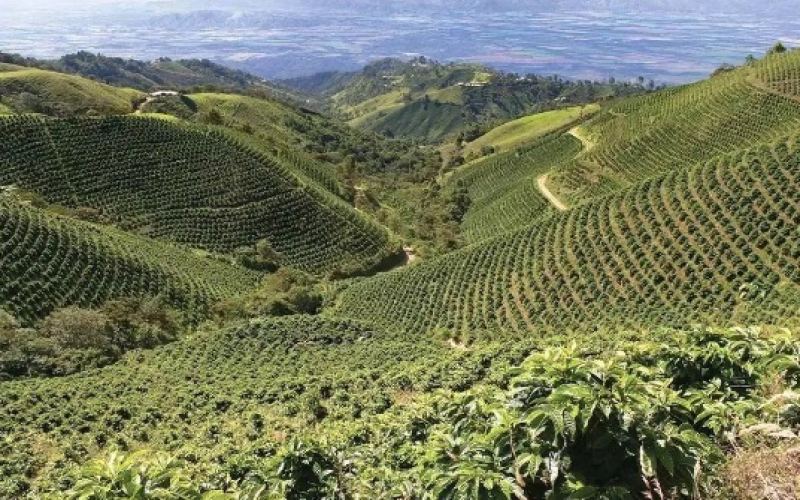
Colombia | Coffee growing regions in Colombia
Colombia is one of the most famous coffee producing areas in the world and is known for its high-quality coffee. Colombian coffee is also one of the few single-origin coffees sold in the world under the name of the country. The full name of Colombia [more…]
In-Depth Analysis of Colombian Supremo Coffee: Top-Tier Flavors Nurtured by the Andes and the Characteristics of the Huila Region
Colombian coffee is renowned worldwide for its smooth body, vibrant fruit acidity, and balanced flavor, thanks to the unique microclimate and volcanic ash soil of the Andes Mountains. This article covers everything from Colombia's coffee-growing environment, the regulatory role of the FNC, the green bean grading system, and the specific standards for Supremo coffee, to the flavor characteristics of the Huila region and brewing recommendations for Front Street Coffee's everyday beans—presenting a complete picture of Colombian Supremo coffee and guiding you to a deeper understanding of the core appeal of this world-famous coffee origin. [more…]
A Complete Guide to Colombian Coffee Regions: From Terroir to Huila Washed Entry-Level Bean Recommendations
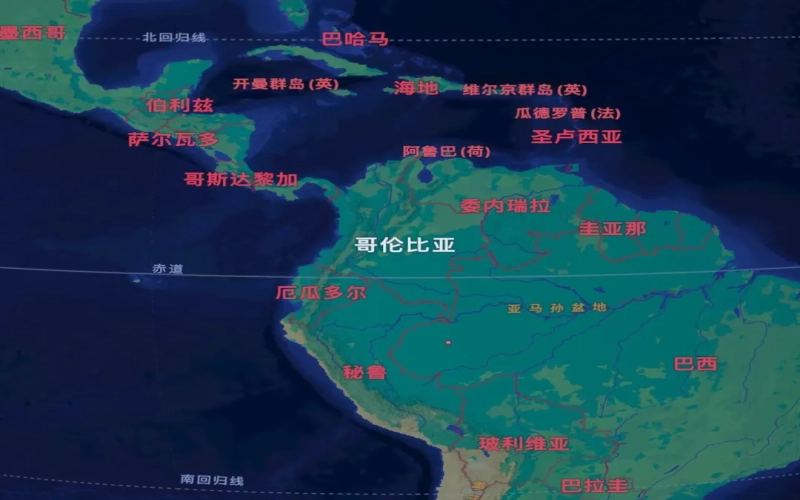
Colombia, as the world's third-largest coffee-producing country, nurtures specialty coffees with diverse flavors thanks to the varied terrain and microclimates of the Andes Mountains. This article begins with geography, climate, and the meaning of the national flag, then systematically introduces five major producing regions—Antioquia, Santander, Nariño, Cauca, and Huila—and highlights Front Street Coffee's Huila washed entry-level bean: under a medium roast, it presents dark chocolate, nuts, caramel, and soft fruit acidity, making it suitable for pour-over enthusiasts to enjoy as an everyday cup. [more…]
A Detailed Explanation of the Anaerobic Double Fermentation Process: The Flavor Code and Processing Craft of Colombian Rose Valley Coffee
Anaerobic fermentation has garnered significant attention in the specialty coffee world in recent years, and double anaerobic fermentation has become a popular choice thanks to its clean finish and distinctive flavor profile. Starting with the anaerobic processing methods introduced by Front Street Coffee, this article takes a deep dive into the origin background of the Colombian Rose Valley beans, the cultivation and processing details at Big Tree Estate, and how anaerobic double enzyme washed processing imparts better sweetness and balance to the coffee. If you are interested in the principles and flavor expression of special processing methods, this article will take you on a journey of discovery. [more…]
Exploring Colombia's Santander Region: The Journey of Casablanca Estate's Specialty Coffee Transformation
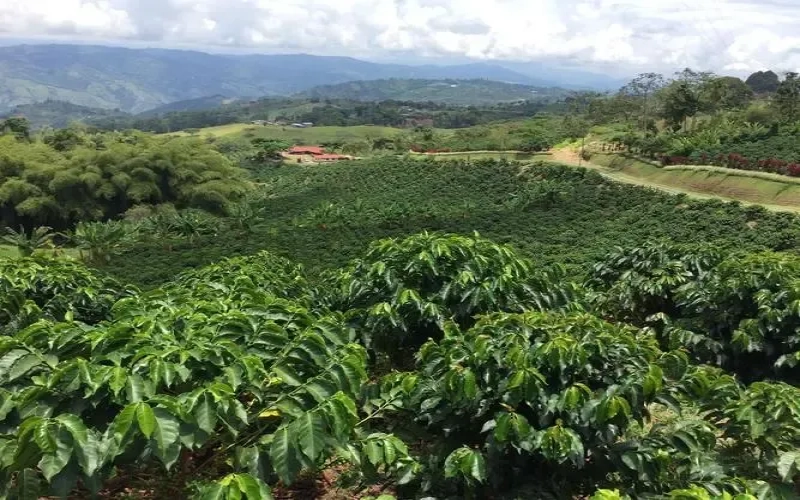
Colombia, an important member of South America's coffee landscape, nurtures diverse flavor profiles thanks to the unique conditions of the Andes Mountains. Among the country's many producing regions, Santander Department, though low-key, has a deep heritage as the birthplace of Colombia's coffee-growing history. It is here that Finca Casablanca is located, beginning with large-scale cultivation in 1860, undergoing a specialty transformation since 2006 led by current owner Liliana Caballero Rojas and her family, and winning the Colombian Yara Championship in 2016. This article takes you deep into the terroir characteristics of this producing region and the varietal charm of the estate. [more…]