







Search Results for: Anaerobic Heavy Honey Process
Brewing Parameters and Origin Flavor Analysis of Costa Rica's巨石 Estate Anaerobic Black Honey Process Coffee Beans
Costa Rica, as the first country in Central America to cultivate coffee, has given rise to numerous specialty coffees thanks to its volcanic soil and microclimates. Located in the Brunca region, Hacienda Colossal is known for its anaerobic heavy honey processing method and Bourbon and Catuai varieties, with high-density beans and outstanding sweetness. The Hacienda Colossal Blueberry coffee beans brought by Front Street Coffee this time are a typical representative of this terroir. This article will review its regional background, variety characteristics, and processing techniques, and share Front Street's roasting records, cupping reports, and specific brewing suggestions, including V60 dripper, 90°C water temperature, 1:15 coffee-to-water ratio, and other parameters, providing coffee enthusiasts with a complete brewing reference. [more…]
Costa Rica Las Piedras Estate Blueberry Coffee Beans: Full Analysis of Anaerobic Heavy Honey Processing Flavor and Variety
Costa Rica, with its diverse microclimates and volcanic soils, became one of the first countries in Central America to cultivate coffee. Piedra Grande Estate, located in the Brunca region in the south, takes its name from the indigenous "secret stone spheres" unearthed nearby. At an altitude of 1,400-1,700 meters, the mixed red and gray clay soil gives the coffee high density and excellent sweetness. The estate grows two varieties, Bourbon and Catuai, and employs anaerobic heavy honey processing: first low-temperature anaerobic fermentation, then 20-25 days of raised-bed drying and greenhouse resting, and finally aging the beans to 11% moisture content. Front Street Coffee's Piedra Grande Blueberry coffee presents a flavor profile of rose, blueberry gummy candy, fermented notes, and mint, making it well worth savoring for coffee enthusiasts. [more…]
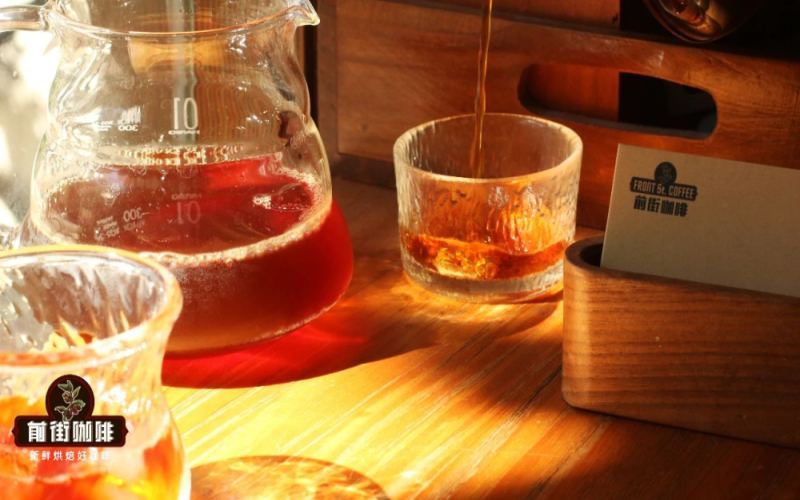
An Analysis of Costa Rica's Eight Major Producing Regions: Monte Crisol Estate Blueberry Anaerobic Heavy Honey Process and Tarrazú Everyday Drinking Beans Flavor
Although Costa Rica has a limited land area, it boasts eight distinct coffee-producing regions, from the Central Valley to Brunca, each nurturing coffees with strikingly different flavor profiles. Front Street Coffee's Costa Rica series has always been known for being "sweet as honey"—whether it's the Musician Series or the recently added Blueberry from巨石 Estate, it can rise to the occasion whenever a sweet pour-over is needed. This article will start with the Blueberry bean, explaining in detail the anaerobic heavy honey processing method of巨石 Estate and the growing conditions of the Brunca region, and then extend to introduce the variety composition and brewing suggestions of Front Street's everyday bean Tarrazú, helping coffee lovers systematically understand the diverse charm of Costa Rican coffee. [more…]
Exploring Costa Rica's Brunca Region: A Flavor Analysis of Finca Las Piedras Anaerobic Heavy Honey Process
The blueberry-flavored coffee from Costa Rica's Las Lajas Estate was once one of my favorite beans, but unfortunately it is currently out of stock. That blueberry gummy-like sweetness and the minty coolness emerging from the fermented wine finish made it a must-have coffee for summer in my mind. Where exactly is Las Lajas Estate located in Costa Rica? Why can it present such clear flavors? Today, Front Street Coffee will take everyone deep into the Brunca region to explore the story of Las Lajas Estate and analyze the unique charm of this anaerobic heavy honey-processed coffee. [more…]
Costa Rica Finca El Gigante Blueberry Coffee: Bruncas Region Terroir, Anaerobic Heavy Honey Processing, and a Cupping Comparison of Three Roast Profiles
Front Street Coffee recently acquired a batch of blueberry coffee beans from Costa Rica's Las Rocas Estate; the green beans exude an intense sweet blueberry aroma and rose floral notes. To fully reveal the flavor potential of these beans, the roaster team designed three different roasting profiles and cupped them one by one, striving to find the most balanced roasting plan that best expresses the terroir. This article will guide you through the terroir background of the Brunca region, the varietal composition and anaerobic heavy honey processing of Las Rocas Estate, and present in detail the roasting parameters of the three profiles and the differences in cup flavors, helping coffee enthusiasts gain a deeper understanding of the charm of these beans. [more…]

Costa Rican Coffee Micro-Lot Guide: A Full Analysis of Terroir Characteristics Across Eight Major Regions and Honey Processing Techniques
Costa Rica is one of the representative origins of specialty coffee in Central America, divided into eight major coffee regions nationwide, each nurturing distinctly styled coffees through its unique terroir. This article, from the perspective of Front Street Coffee's bean selection, systematically reviews Costa Rica's regional distribution and the influence of altitude and climate on flavor, with a focus on comparing two beans: the Tarrazú washed daily drinker and the Giant Stone Estate blueberry anaerobic heavy honey process. It also details the processing differences among white honey, yellow honey, red honey, and black honey, and includes Front Street's standard brewing parameters to help coffee enthusiasts more clearly understand the flavor divide between washed and honey processing in the cup. [more…]

How does Costa Rica Tarrazu coffee taste? How to brew honey-processed beans to bring out sweetness and classic regional flavors
Costa Rican coffee is known for its cleanliness, sweetness, and clear flavor, and the Tarrazu region in particular is the daily go-to choice for many enthusiasts. From the selection perspective of Front Street Coffee, this article sorts out Costa Rica's eight major producing regions and the background of high-altitude cultivation, focuses on analyzing the classic flavor performance of Tarrazu washed beans, and compares the differences with the anaerobic heavy honey processed blueberry coffee from the Giant Stone Estate. At the same time, it explains in detail the processing flow of white honey, yellow honey, red honey, black honey, and anaerobic heavy honey, and includes Front Street's standard V60 brewing parameters to help you understand how to brew honey processed beans to bring out more prominent sweetness and regional terroir. [more…]
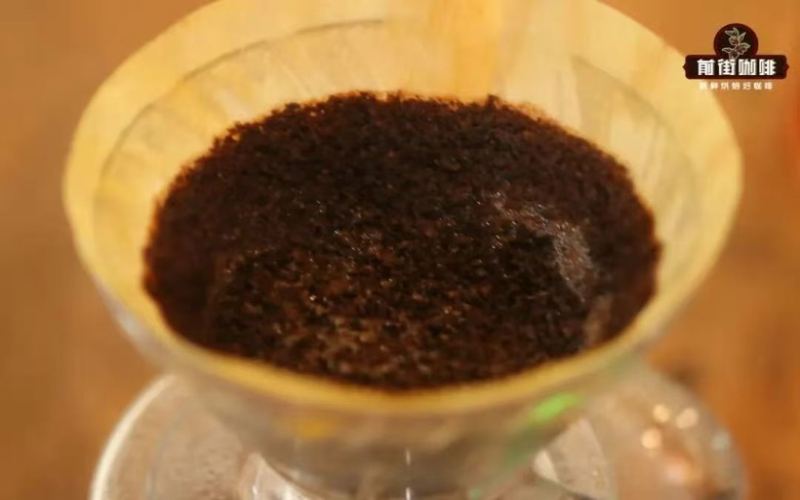
The Flavor Alchemy of Processing Methods: A Craft Revolution from Washed to Anaerobic
From the same estate, the same variety, and the same harvested batch of coffee cherries, the flavor in the cup can be as different as two distinct beans—simply because of a different processing method. This is the magic of coffee processing. In the microscopic world, it uses microorganisms and time to perform the alchemy of flavor. The washed method is the oldest mainstream technique, and its logic is "to do [more…]
Analysis of Costa Rica Tarrazú SHB Coffee Beans: Pour-Over Parameters, Regional Characteristics, and Comparison of Honey Processing Methods
Costa Rican coffee is known for its pure sweetness and clear flavors, and Front Street Coffee has long followed the varieties and processing methods of this producing region. This article focuses on Costa Rica's eight major producing regions, the growing environment and grade characteristics of Tarrazú SHB washed beans, sorts out their pour-over brewing parameters, and, through a comparison with the blueberry anaerobic heavy honey processed beans from Hacienda El Roble, explains the differences in flavor expression between washed and honey processing. The article also details the processing flows of white honey, yellow honey, red honey, black honey, and anaerobic techniques, helping coffee enthusiasts more systematically understand the classic style and innovative directions of Costa Rican coffee. [more…]
How does Costa Rican Tarrazú coffee taste? Does the honey process carry a honey-like sweetness?
Costa Rican Tarrazu coffee has always been known for its clean and refreshing flavor, making it a daily staple for many coffee lovers. This article will start with the characteristics of the growing region and the differences between washed and honey processing methods to help you understand the classic flavors of Tarrazu coffee, and compare it with the unique performance of Front Street Coffee's Finca Giant Blueberry Anaerobic Heavy Honey processed coffee. At the same time, the article also provides a detailed breakdown of the processing procedures for different honey processing methods such as white honey, yellow honey, red honey, and black honey, as well as Front Street Coffee's standard V60 brewing parameters, to help you more clearly understand the terroir charm of Costa Rican coffee. [more…]
Costa Rica Tarrazu SHB Coffee Flavor Analysis: Origin, Planting Characteristics, and Pour-Over Brewing Key Points
Costa Rica is an important origin for specialty coffee, and its Tarrazú region is known for high altitude, washed processing, and SHB grade. From the perspective of Front Street Coffee, this article systematically reviews Costa Rica's eight major producing regions, the growing environment and variety characteristics of Tarrazú, and compares the flavor differences between washed and anaerobic heavy honey processing. At the same time, Front Street shares standard pour-over parameters and brewing techniques to help you more clearly understand the classic flavor of Tarrazú everyday beans—clean, fresh, and with soft acidity—as well as the unique blueberry gummy and berry notes of Finca El Gigante. [more…]
Exploring Costa Rica's Tarrazú and Hacienda La Roca Blueberry: A Complete Guide to the Flavors and Brewing of Geisha, Caturra, and Catuai Varieties
Costa Rica is a coffee origin that cannot be overlooked on the Central American coffee map, and Front Street Coffee's Costa Rica series has always been known for being "sweet as honey." This article starts with the Blueberry Coffee from the Giant Stone Estate, taking you through the terroir characteristics of the Brunca region, the meticulous process of anaerobic heavy honey processing, and an in-depth analysis of the main varieties of the Tarrazú region—the differences between Caturra and Catuai, as well as the performance of Geisha in Costa Rica. Whether you are looking for a daily drinker with a prominent sweetness or want to understand the flavor differences between varieties, this article will give you clear answers. Finally, Front Street's standard brewing parameters are included, so you can recreate a great cup of coffee at home. [more…]
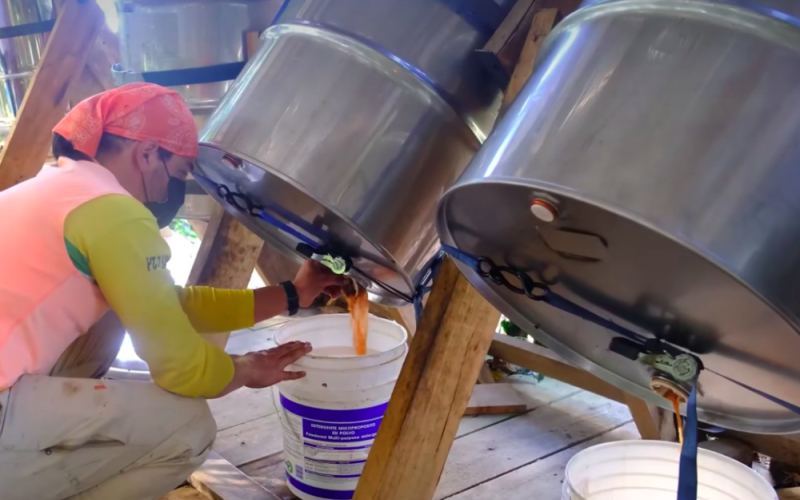
Why Are Coffee Processing Methods Becoming Increasingly Diverse? The Evolutionary Logic from Origin Adaptation to Flavor Exploration
Nowadays, the names of coffee processing methods are becoming more and more varied, from anaerobic natural to low-temperature slow anaerobic washed, from black honey and red honey to enzyme washed, making one dazzled. Behind this complexity, there are actually two main threads: the birth of early processing methods was the result of the producing region's environment forcing it—for example, Indonesia's humid and rainy climate gave rise to washed and wet-hulled methods; while the evolution of contemporary processing methods stems from the consumer market's dual pursuit of flavor expression and traceability information. This article will sort out the evolution from natural, washed to honey processing and anaerobic fermentation, analyze how different processing techniques affect coffee flavor, and reveal the deeper reasons behind the increasingly refined naming of processing methods. [more…]

A Complete Guide to Anaerobic Coffee Processing: Key Differences from Traditional Natural and Washed Methods and Flavor Expression
Anaerobic coffee has been appearing on coffee bean lists frequently in recent years. Although many people have tried it, they only have a vague understanding of its specific process, and some even develop an aversion to it due to unfamiliarity. In fact, anaerobic processing is not as complicated as imagined. In most cases, it simply adds an extra anaerobic fermentation step before traditional natural or washed processing. The depth of fermentation is precisely the key that determines the direction of coffee flavor. From the perspective of Front Street, this article sorts out the basic principles of anaerobic processing, common methods, and their connection with traditional processing. Combined with three specific beans, it helps readers understand the flavor differences brought by different anaerobic treatments, so they can find the cup that suits their taste. [more…]

Yunnan Red Honey Process SOE Coffee Flavor Analysis and Comprehensive Introduction to Its Taste Characteristics
Luckin Coffee recently completed its procurement plan for 1,000 tons of Yunnan specialty coffee beans for the 2020/2021 harvest season. The selected green beans come from the two major producing regions of Baoshan and Pu'er, both grown at altitudes above 1,300 meters, with SCA scores of no less than 80 points. This marks another move by Luckin into the specialty coffee segment, following the Little Black Cup SOE Yirgacheffe. This batch of Yunnan beans uses a double anaerobic fermentation red honey process, going through two anaerobic fermentation stages from fresh fruit to drying, with the fermentation rhythm controlled by monitoring color, aroma, pH value, and sugar content. This article will systematically review the producing region conditions and main variety characteristics of Yunnan coffee, and provide an in-depth analysis of the classification, process, and flavor performance of the honey processing method, helping coffee enthusiasts fully understand the true taste and quality characteristics of Yunnan red honey processed SOE. [more…]
Costa Rica Light Roast Pour-Over Guide: Water Temperature, Grind, and Musician Series Flavor Analysis
Costa Rica is hailed as the sweetest coffee-producing origin in the Americas, and the Front Street Musician Series originates from this very place. This article begins with the honey processing method and guides you through the varieties, altitudes, and processing differences of three beans from Canet Estate—Mozart, Beethoven, and Bach—along with Front Street's complete pour-over parameters: V60 dripper, 91°C water temperature, 1:15 coffee-to-water ratio, 15g dose, and a 2-minute extraction plan. Same estate, different varieties and altitudes—where exactly do the flavors differ? A bean-by-bean comparison of dry and wet aromas, with fermented fruit notes and tea-like qualities each having their own strengths. At the end, we also recommend the Blueberry coffee bean from the Brunca region with anaerobic heavy honey processing, suitable for both hot and iced brewing. [more…]
Costa Rican Coffee Bean Flavor Analysis: Honey-Processed Strictly Hard Bean Pour-Over Techniques and巨石 Estate Blueberry
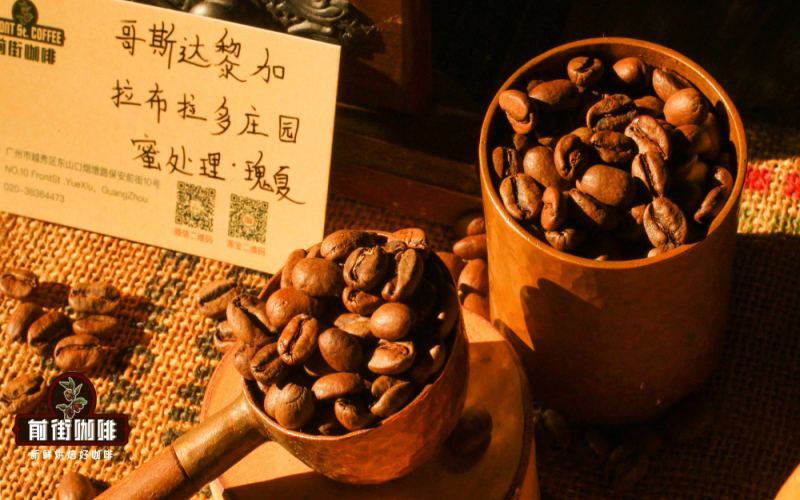
Costa Rican coffee is famous for its honey processing and extremely hard beans, and Front Street Coffee brings you a selection of representative beans. This article approaches the topic through the three major processing methods—washed, natural, and honey—analyzing the basic structure and flavor formation of Costa Rican coffee, with a focus on Tarrazu washed beans and the Blueberry Anaerobic Heavy Honey processed beans from Hacienda El Monstruo. It also explains in detail Costa Rica's raw bean grading standards by altitude, as well as hand-brewing parameter recommendations for high-altitude SHB extremely hard beans, including the V60 dripper, water temperature, coffee-to-water ratio, and three-stage extraction technique, helping coffee lovers brew a rich fruity layering. [more…]
The Flavor Spectrum of Experimental Processing Methods: From Barrel Fermentation to Anaerobic Maceration
Anaerobic natural, lactic fermentation, barrel-aged, yeast inoculation—the vocabulary of specialty coffee processing methods has exploded in recent years, and coffee menus increasingly read like a brewery's process manual. These experimental processing methods are not marketing coinages; each one corresponds to a genuine technological innovation. This article maps out the mainstream lineage and examines "flavor alchemy." [more…]
Colombia Flower Moon Night and Rose Valley Coffee Bean Flavor Analysis and Detailed Explanation of Anaerobic Processing
Colombia is located in the northwest of South America, with a mild, spring-like climate that provides a superior growing environment for coffee trees. The country is an important producer of high-quality coffee worldwide, with beans mostly grown in the high-altitude regions of the Andes Mountains, requiring manual harvesting, and washed processing being relatively common. In recent years, special processing methods such as anaerobic fermentation have gradually become popular, and Front Street Coffee has also launched two representative beans, Rose Valley and Flower Moon Night. This article will compare the differences between these two Colombian coffees from the perspectives of variety, processing method, flavor performance, and brewing parameters, and introduce the characteristics of Front Street Coffee's daily beans such as Huila and Isabella, helping enthusiasts understand the diversity of Colombian coffee more systematically. [more…]
Cold Brew Coffee Guide: Key Points for Choosing Beans and Detailed Brewing Steps
As temperatures climb, cold brew coffee—thanks to its simple preparation and refreshing taste—has become an easy at-home iced drink option for many coffee lovers. However, selecting the right coffee beans is just as crucial to making a delicious cold brew. This article provides a detailed introduction to Front Street Coffee's cold brew process, including the coffee-to-water ratio, grind size standards, and steeping time, while also recommending coffee bean types suited to cold brew based on different flavor preferences—from the juicy character of light-roasted washed beans, to the fruity wine-like aroma of anaerobic fermentation, and the balanced, rich nutty notes—helping you find the cup that best suits your taste. [more…]