







Search Results for: Agtron number
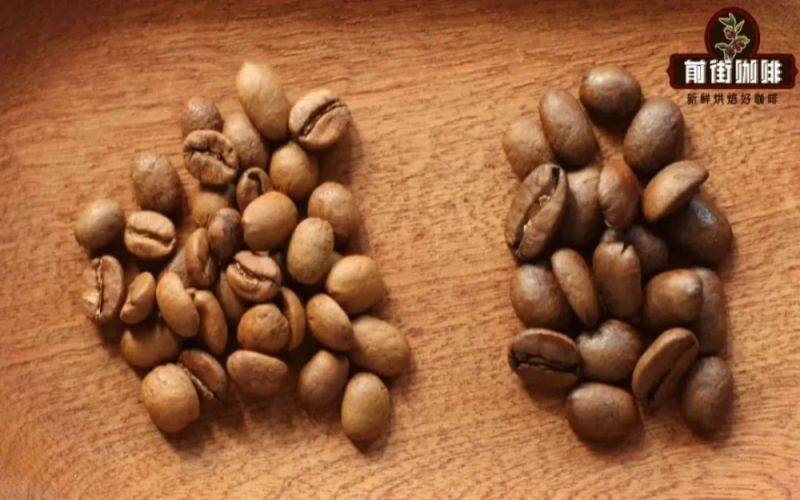
A Complete Analysis of Coffee Bean Roast Color Values: How Agtron Numbers Correspond to Eight Roast Levels and Flavor Changes
The color differences that coffee beans display after roasting are not arbitrary; the industry long ago established a scientific quantitative standard—the Agtron color value, also known as the caramelization analysis number. This set of values runs from 95 to 25, corresponding to eight levels from light roast to Italian roast: the higher the number, the lighter the color, and the lower the number, the darker it is. Each color value range has a clear drop time node and flavor characteristics: from light roasts dominated by bright acidity, it gradually transitions to dark roasts dominated by bitterness and smoky notes. Understanding these color values not only helps us recognize the correspondence between roast level and taste, but also helps us understand why very dark roasts are now hard to find under the specialty coffee trend. But color value is only a reference tool; in actual judgment, tasting perception is still needed, since factors such as processing method also affect the appearance of the beans. [more…]
How the Agtron value reflects the relationship between coffee bean roast degree and color difference
On professional coffee review websites like coffeereview.com, you will often see a pair of Agtron values listed below the attribute scores. What exactly do these numbers mean? And how do they relate to coffee roast color differences? This article will take you through an in-depth look at the meaning of Agtron values, the principles of measurement, and their applications in the coffee industry. From the differences in readings between whole beans and ground coffee, to the impact of roast level on flavor, and how consumers can use this data to choose their preferred coffee, we break it all down one by one. At the same time, the article will also mention practical uses by brands such as Front Street Coffee in product descriptions, helping you interpret coffee roast information more professionally. [more…]
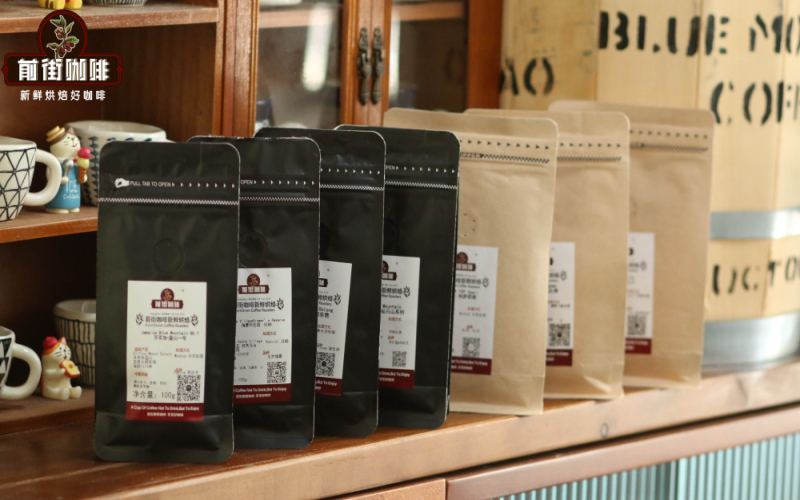
A Complete Guide to Coffee Roast Levels: From Agtron Numbers to Sweet, Sour, and Bitter Classification—Decoding the Roast Secrets Behind Non-Sour Coffee
Consumers often wonder why Front Street Coffee beans are not labeled with a roast level, and behind this lies a professional roasting classification system. From Front Street's perspective, this article first introduces the industry's eight-level roast classification based on Agtron color values, explaining one by one the drop timing and flavor characteristics from light roast to Italian roast; it then explains why presenting this standard directly to consumers would create a burden of understanding, and shares Front Street's approach of simplifying the complex—grouping coffees into medium-light roast and medium-dark roast according to the degree of acidity, sweetness, and bitterness, while also giving corresponding brewing parameter suggestions to help coffee lovers more easily choose beans that suit their own taste. [more…]
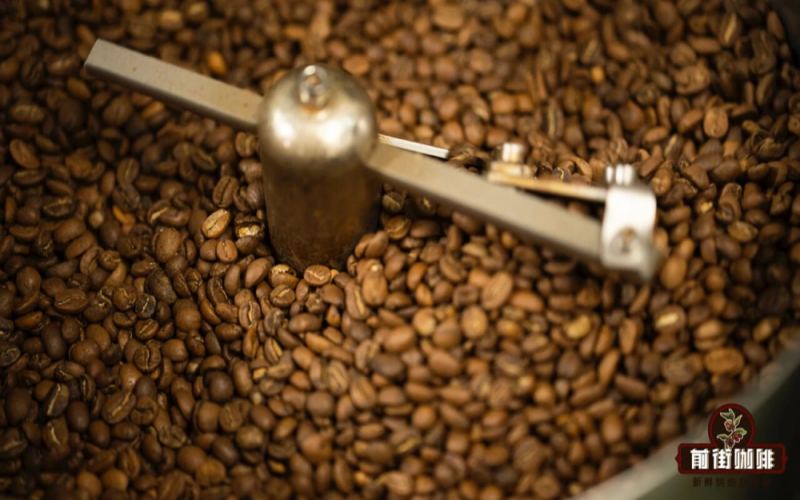
How Coffee Roast Depth Shapes Flavor and Mouthfeel: A Comprehensive Analysis from the Agtron Value to the Flavor in the Cup
The taste of coffee is influenced at every stage, from cultivation at the place of origin, variety selection, and green bean processing to roasting and brewing. The microclimates and bean varieties of different producing regions give coffee its unique regional flavor, while roasting is the key step that unlocks the flavor. Green beans must undergo high-temperature roasting to reveal their aroma and mouthfeel, and different roast levels directly change coffee's acid-bitter balance and body. This article will explain how to use the Agtron number to distinguish roast levels, and use Front Street Yirgacheffe and Golden Mandheling as examples to analyze the actual impact of light roasting and dark roasting on coffee flavor. [more…]
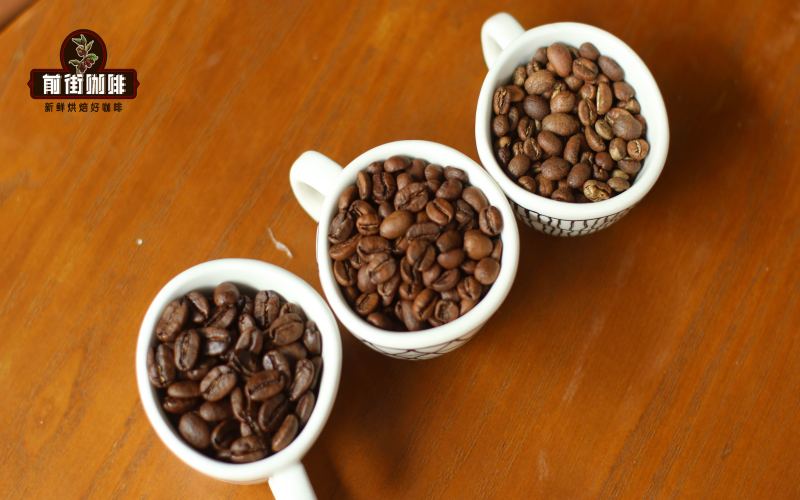
Coffee Bean Roast Level Guide: Flavor Differences and Selection Tips from Light Roast to Espresso Roast
The transformation of coffee beans from green raw beans to brown roasted beans depends entirely on the key process of roasting. As roasting time varies, the surface color of the beans changes accordingly, giving rise to different classifications of roast levels. The Specialty Coffee Association of America (SCAA) established a reference system of 8 levels based on Agtron color values, from light roast to Italian roast, with each stage corresponding to a unique flavor direction and unloading timing. This article will use a text-and-image format to analyze one by one the color value ranges of each roast level, the rhythm nodes of first crack and second crack, and the evolution logic of acidity, sweetness, and bitterness. It will also introduce two niche styles—Nordic ultra-light roast and Japanese ultra-dark roast—and share how Front Street Coffee simplifies classification in actual production to help consumers understand roast levels. Finally, it will include practical advice on the five stages of roasting and home roasting. [more…]
Interpreting Coffee Roast Levels Through Agtron Values: A Full Analysis of Acidity and Bitterness Differences Across Light, Medium, and Dark Roasts and City Roasts
Many coffee enthusiasts rely on the rule of thumb that acidity means light roast and bitterness means dark roast to judge the degree of roasting, but the industry has a more precise standard—the Agtron color value. From the perspective of Front Street Coffee, this article systematically sorts out a total of eight levels from light roast to Italian roast, and, combined with the timing of first crack and second crack for dropping the beans, explains the flavor direction and the changes in acidity and bitterness at each stage, and also explains the meaning of terms such as City Roast. At the same time, Front Street also shares how to use flavor descriptions to help consumers judge the roast level more intuitively, and gives brewing parameter suggestions corresponding to medium-light roast and medium-dark roast, so that you no longer feel troubled by technical terms. [more…]
A Complete Guide to Coffee Bean Roast Levels: From Agtron Numbers to Practical Brewing for Light and Dark Roasts
The roast level of coffee beans often directly determines the flavor expression in the final cup. When confronted with terms on packaging such as light roast, medium roast, dark roast, and even cinnamon roast, city roast, and French roast, many friends new to specialty coffee are often confused. From the perspective of Front Street Coffee, this article first sorts out the eight-tier roast standards established by the SCAA based on Agtron color values, then groups them into two major categories—light and medium—explaining their respective flavor tendencies. It then uses the light-roasted Yirgacheffe Gedeb Cooperative and washed beans, along with the medium-dark roasted Front Street PWN Golden Mandheling as examples, fully disclosing the roast curves and brewing parameters for the V60 and KONO Meimon drippers, helping readers build a systematic understanding from roasting to extraction. [more…]
A Comprehensive Guide to Coffee Bean Roast Levels: From SCAA Color Value Grading to Front Street Coffee's Practical Brand Classification
Coffee roasting is the key process through which green beans transform into brown roasted beans. The length of heat exposure directly determines the color of the bean surface and thus defines different roast levels. The SCAA, the world's largest coffee trade association, established an eight-level roast standard based on Agtron color values, from the bright acidity of light roasts to the intense, smoky bitterness of Italian roasts, with each stage having its own distinctive flavor trajectory and drop time. Beyond this official system, new concepts such as ultra-light Nordic roasting and ultra-dark Japanese roasting have gradually entered enthusiasts' field of view. In everyday communication, Front Street Coffee uses another, more intuitive classification that simplifies roasted beans into light, medium-light, medium, medium-dark, and dark roasts, making it easier for consumers to understand and choose. This article will systematically organize these grading standards and provide an in-depth analysis of the five stages of roasting and key practical points. [more…]
From Light Roast to Espresso Roast: A Full Analysis of the Eight-Level Coffee Bean Roast Classification and the Five Major Stages
Coffee beans transform from green raw beans into brown roasted beans entirely through the key process of roasting. The length of roasting time directly determines the depth of the bean surface color and also shapes completely different flavor directions. The roasting color standard card established by the Specialty Coffee Association of America (SCAA) divides roast levels into eight grades, from light roast to Italian roast, with each level corresponding to a specific drop time and flavor characteristics. In addition, emerging concepts such as Nordic ultra-light roast and Japanese ultra-dark roast have gradually entered the view of enthusiasts. This article will systematically sort out these eight levels, the five stages of roasting, and the classification methods used by Front Street Coffee in practical applications, helping readers build a complete understanding of coffee roast levels. [more…]
A Complete Guide to Coffee Roast Levels: Flavor Differences from Light to Medium-Dark Roast and Bean Selection Guide
The roast level of coffee directly influences the flavor expression in the cup, from the bright fruit acidity of light roasts to the rich chocolate notes of medium-dark roasts, each roast level has its unique charm. This article systematically introduces four roast levels: light roast, medium-light roast, medium roast, and medium-dark roast, covering the appearance characteristics, bean discharge temperature, Agtron value range, and flavor performance of each roast level. At the same time, for each roast level, it recommends representative coffee beans from the Front Street brand, helping coffee enthusiasts choose suitable coffee beans and brewing methods according to their personal taste preferences. [more…]
A Complete Guide to Coffee Roast Levels: Flavor Differences and How to Identify Light to Medium-Dark Roasts
The flavor profile of coffee is largely determined by the roast level. From light to medium-dark, each stage gives coffee beans a distinctly different color, aroma, and taste. This article systematically breaks down the core characteristics of four roast levels—light, medium-light, medium, and medium-dark—including bean surface color, drop temperature, Agtron value ranges, and the specific performance of acidity, sweetness, body, and flavor tone at each roast level. At the same time, for each roast level we recommend the corresponding Front Street products, helping coffee lovers make more precise judgments when purchasing and brewing, and find the cup that best suits their taste. [more…]
Coffee Color Meter Usage Guide: From Bean Color and Ground Value to RD Value, Understanding the Scientific Measurement of Roast Degree
Judging the roast level of coffee beans by the naked eye alone, based on how light or dark the color appears, is clearly not rigorous enough. In the industry, a colorimeter is more commonly used to measure the degree of caramelization. This article will start with the measurement principle, explain the meaning of the Agtron value (color value), the difference between whole-bean color and ground-coffee color value, and how the RD value calculated from the difference between the two reflects roast uniformity. It will also explain how factors such as processing method affect the measurement results. Front Street Coffee will also present the commonly shared Agtron value roasting chart to help coffee enthusiasts more systematically understand the scientific basis behind roast assessment. [more…]
Introduction to Coffee Bean Roasting Stages | What Are the Differences and Characteristics of Dark, Medium, and Light Roasts? A Comparison of Flavor Changes in Coffee Beans at Different Roast Levels
In the past, most people's impression of coffee was that it was dark roasted, offering a burnt, rich, and bitter taste. Nowadays, with the introduction of the specialty coffee concept, dark-roasted coffee beans are no longer considered the best, and light-roasted and medium-roasted coffee beans have gradually become the mainstream of the third wave of coffee. Front Street Coffee (Fr [more…]
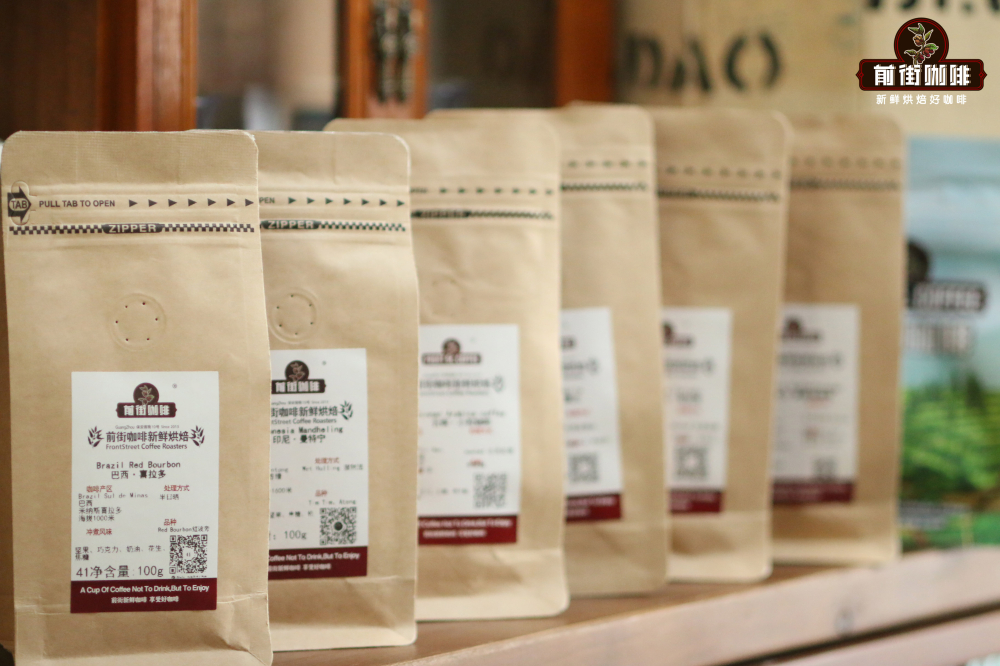
How Coffee Flavor Is Created | Which Coffee Bean Roast Level Is Best? How Can Coffee Beginners Distinguish Dark, Medium, and Light Roasted Coffee Beans?
For more specialty coffee knowledge, please follow: Front Street Coffee (Frontsteet Coffee). Some friends who have purchased Front Street Coffee (FrontStreet Coffee) beans may be a bit confused about why Front Street's coffee bean labels don't indicate the roast level. [more…]
How to Tell Coffee Roast Levels Apart? From Acidic and Bitter Flavors to Appearance Parameters, a Thorough Guide to Judging Roast Degree
Faced with a dazzling array of coffee beans, how do you tell whether they are light roast or dark roast? This article starts with the industry's Agtron color value standard, explains why this professional grading system is not practical in everyday life, and then offers a more down-to-earth approach—classifying by the intensity of acidity, sweetness, and bitterness. It also uses specific examples from the Front Street Coffee bean list to teach you how to infer the roast level from flavor descriptions, and includes the brewing water temperature, grind size, and coffee-to-water ratio for different roast levels. In addition, observing the color of the bean surface and the oiliness can also provide a quick initial judgment, but you need to pay attention to a few exceptions to avoid under-extraction caused by misjudgment. [more…]
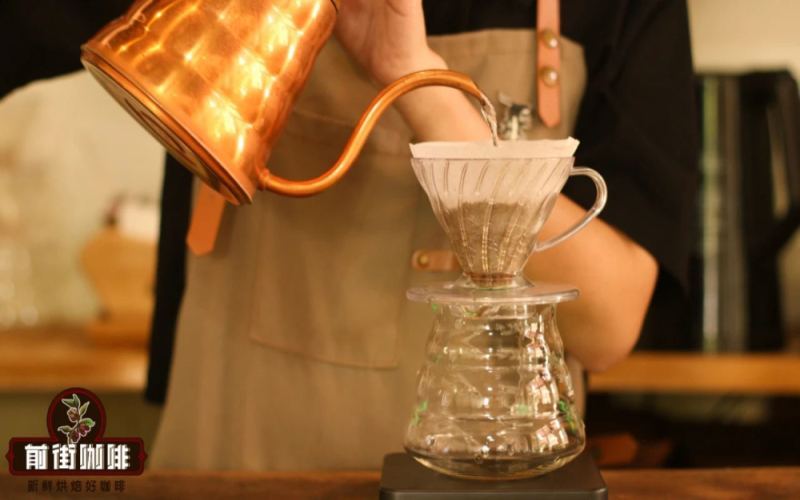
From Green Beans to Roasted Beans: A Detailed Guide to Coffee Roast Levels, Flavor Changes, and Agtron Roast Percentage Interpretation
Turning green coffee beans into roasted beans relies entirely on roasting. For the same batch of beans, different roast levels lead to completely different acidity, bitterness, sweetness, body, and aroma profiles. Today, Front Street Coffee systematically breaks down the core knowledge of coffee roasting: what happens during the dehydration phase, the yellowing phase, and the flavor development phase; how to judge the drop time based on first crack and second crack; and which origins and brewing methods suit light, medium, and dark roasts. We'll also explain why the color of the bean surface can be misleading, and how to interpret Agtron values and Roaster %. At the end, we've included Front Street's recommendations for resting and grinding, to help you get the best flavor once you have the beans in hand. [more…]
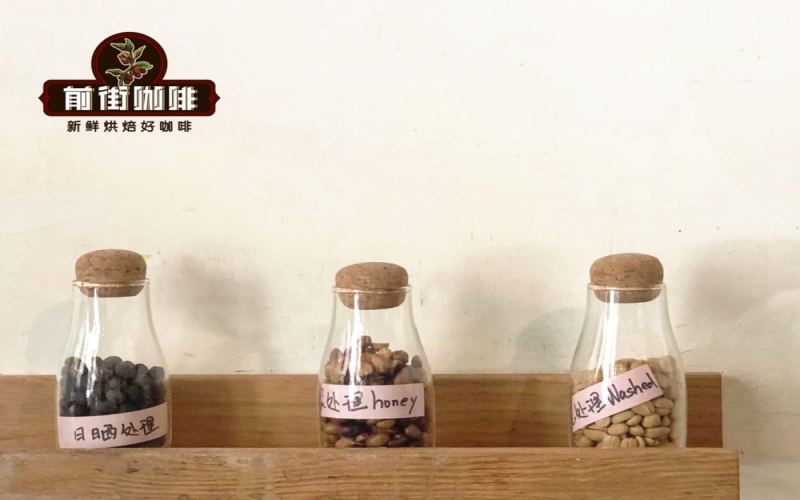
An Analysis of the Differences Among Black Honey, Red Honey, and Yellow Honey Processing: A Comprehensive Comparison from Pectin Retention to Flavor Expression
In the field of coffee post-processing, honey processing is an important method that falls between washed and natural, and is widely used in Central American producing regions such as Costa Rica. Depending on the proportion of mucilage retained, the drying time, and the frequency of turning, honey processing can be further divided into several tiers, including black honey, red honey, and yellow honey. Using three beans—black honey, red honey, and yellow honey—as samples, this article conducts a systematic comparison from green bean appearance and roasting curves to cupping flavors, helping coffee enthusiasts understand the practical impact of different honey processing methods on the final flavor direction, while also providing a reference for everyday purchasing and brewing. [more…]
Coffee Bean Color Values and Ground Values Explained: A Complete Guide from Judging Roast Level to the Causes of Acidity
When buying coffee beans, besides origin and processing method, roast level is often one of the elements we care about most, as it directly determines whether the cup's flavor leans sour, sweet, or bitter. The industry commonly uses the Agtron color value card to distinguish roast levels, but this standard is not universal—honey-processed and anaerobic beans often "deceive" the color value. Why doesn't Front Street Coffee label the roast level on its beans? Where does the sourness in coffee come from? This article will walk you through the principles and limitations of color value, and teach you to judge roast depth through flavor descriptions and drop time, so you no longer feel lost when selecting coffee. [more…]
Yirgacheffe Kochere G1 vs G2 Comparison: A Detailed Explanation of Green Bean Grading, Roasting Curves, and Cupping and Pour-Over Flavor Differences
The Yirgacheffe region of Ethiopia is famous for its unique flavors, and among them the high-altitude washed beans from Kochere are highly favored by coffee lovers. But what exactly is the difference between G1 and G2 grades from the same region? This article starts with two washed Yirgacheffe coffees from Front Street Coffee, and combines ECX grading standards, green bean appearance, roasting curves, cupping, and pour-over performance to compare in detail the differences between G1 and G2 in defect rate, bean uniformity, aroma layering, and cup cleanliness, helping readers understand the specific impact of grade classification on flavor, with complete brewing parameters and flavor descriptions included. [more…]

The Science of Specialty Coffee | How do you interpret coffee roasting levels and roasting percentages? What are the flavor characteristics of different roasting levels?
We usually talk a lot about coffee bean brewing, but today Front Street Coffee will explain coffee bean roasting knowledge to everyone. We know that the process of coffee beans going from green beans to roasted beans is the roasting process, and this process includes light roast, medium roast, and dark roast. Exactly how should different coffee beans be roasted? At the same time, light roast, medium roast [more…]