What Happens at Each Coffee Bean Roasting Stage?
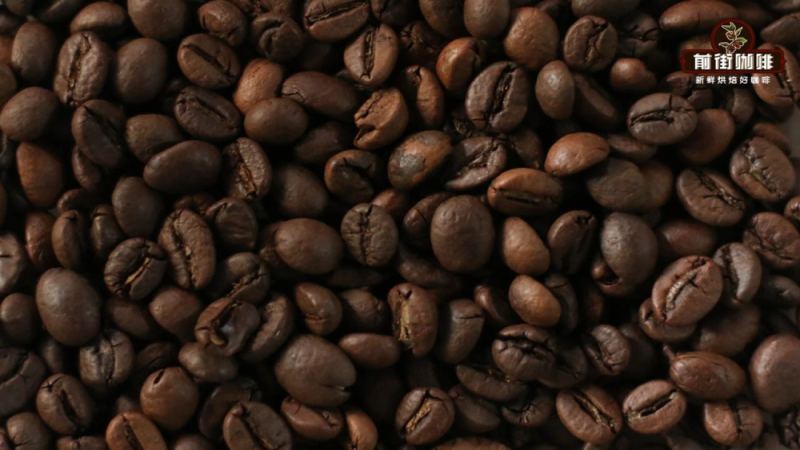
Roast levels are graded today by the Agtron color value rather than by taste alone, with eight categories running from light to dark as the number falls. Light roast sits at 95, dropped as first crack is still going, and shows bright acidity. Medium roast at 75, dropped after first crack ends, leads with sweetness and a light fruity acidity. A deep roast drops later and turns bitter and caramel heavy.
Between those points sit cinnamon roast at 85, high roast at 65 with nutty caramel balance and no acidity, city roast at 55 as second crack begins, and full city roast at 45, already dark and noticeably burnt. Historically dark roasting dominated, offering an intense bitter cup, before the specialty coffee movement shifted the editor coffee market toward lighter and medium-dark profiles.

In the past, most coffee in people's minds was dark roasted, offering a burnt, intense, and bitter taste. Nowadays, with the introduction of the specialty coffee concept, dark roasted coffee beans are no longer considered the best, and light and medium roasts have gradually become the mainstream of the third wave coffee movement. Front Street Coffee has coffee beans from over 50 producing regions, all roasted to light or medium-dark levels. Next, Front Street will discuss with you how the roast level of coffee beans affects and differentiates the flavor.

If we simply categorize coffee beans sold on the market, basically sour ones are light roasts, bitter ones are dark roasts, and those with both sour and bitter are medium roasts. In the industry, it's more detailed. Currently, a more scientific distinction uses the Agtron color value (caramelization analysis number) as the basis for coffee roast level. According to the Agtron color value standard, roast levels are divided into 8 categories, with higher color values indicating lighter roasts. From light to dark, they are:

The lightest Agtron color value is 95, called Light Roast, with the drop time around the密集 first crack (the beans are still crackling as they come out), generally showing bright acidity in the flavor.
Agtron color value 85 is Cinnamon Roast, with the drop time around the end of first crack (when the crackling just stops, or only sporadic cracks remain), typically the flavor profile is mainly acidic with a sweet aroma.
Agtron color value 75 is called Medium Roast, with the drop time approximately after the end of first crack (when the crackling completely stops), at this level, the coffee flavor is mainly sweet with a slight fruity acidity.
Agtron color value 65 is called High Roast, with the drop time around after the end of first crack and before the start of second crack (about a 1-2 minute quiet period), the flavor exhibits nutty and caramel tones, balanced, without acidity.
Agtron color value 55 is called City Roast, with the drop time around the start of second crack (after a period of silence, a few faint cracks appear). At this point, the flavor is more bitter, with a heavier caramel aroma.
Agtron color value 45 is called Full City Roast, with the drop time around before the密集 second crack (before hearing the crackling sound), the coffee is already quite dark, with a more burnt, bitter, and aromatic taste.
Agtron color value 35 is called French Roast, with the drop time around the密集 second crack (hearing the crackling again, but deeper than the first), the coffee beans start to show oil on the surface.
Agtron color value 25 is called Italian Roast, with the drop time around the end of second crack (after the密集 sounds), the coffee beans are pitch black and shiny, with oil permeating the surface.

In fact, for these 8 roast levels, after color value 65, the coffee is mainly bitter, but end consumers may not encounter all of them. For example, nowadays coffee beans are not all roasted until they oil out like before, and French Roast and Italian Roast are rarely seen. At the sales end, we don't directly use this roast level chart; to help everyone better understand, we categorize these roasted beans into light, medium-light, medium, medium-dark, and dark roasts.

For instance, Front Street Coffee does not directly indicate the roast level on the coffee bean information panel; you can distinguish based on the flavor profile and find what you need.
For example, if the flavor describes "lemon, citrus, berry" and other relatively sour fruits, it can be judged as a lighter medium-light roast coffee bean. Light roast coffee beans have a flavor mainly of acidity, a thinner body, and a bright taste. Front Street Coffee generally roasts coffee beans from the Yirgacheffe region of Ethiopia using light roast to highlight the unique lemon-citrus acidity and rich floral and fruity aroma of the Yirgacheffe region. Representative beans from Front Street include Yirgacheffe G1 coffee, sun-dried Red Cherry coffee beans, etc. Light roast brings more varied, vibrant, and unique flavors to coffee, and is deeply loved by the professional coffee industry. Light roasting methods better highlight the unique characteristics of the coffee's origin.

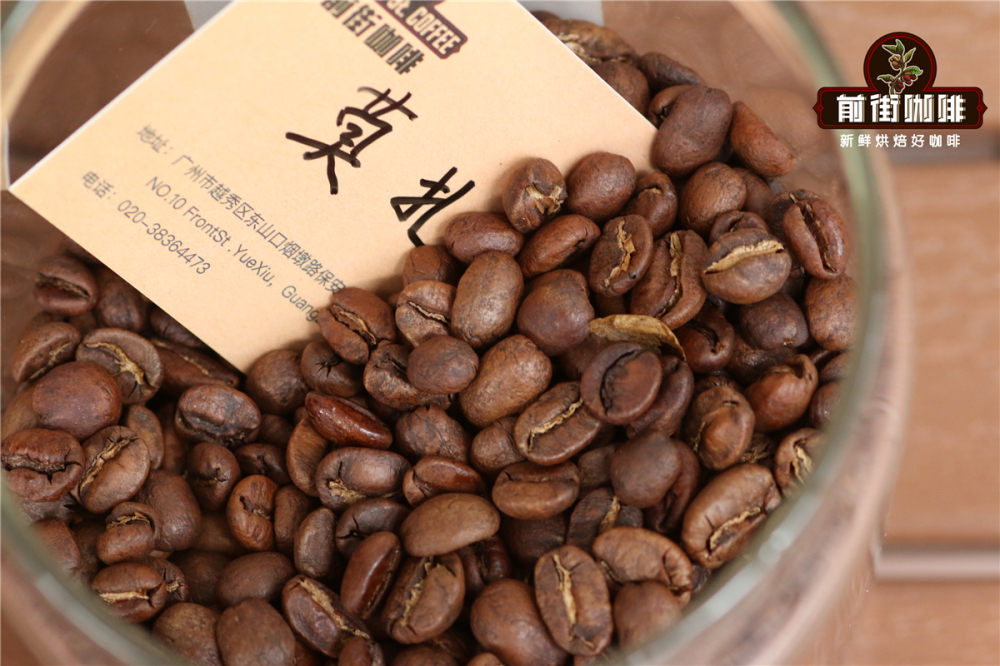
If the flavor describes "melon, grape, slightly sour fruit" and other sweeter fruits, it can be judged as a medium-light roast coffee bean. For example, Front Street's Costa Rican Musician Series Mozart coffee beans highlight the full sweetness of the coffee while retaining a small part of the acidity, making the fruit flavor more three-dimensional.
If the flavor describes "sucrose, maple syrup, chocolate" and other obvious sweet flavors, it can be judged as a medium-dark roast coffee bean. Like the very popular Honduras Sherry Barrel coffee beans on Front Street's bean list, which retain the whiskey and vanilla coffee base, with a deeper roast highlighting the chocolate, caramel, and other roasted aromas.
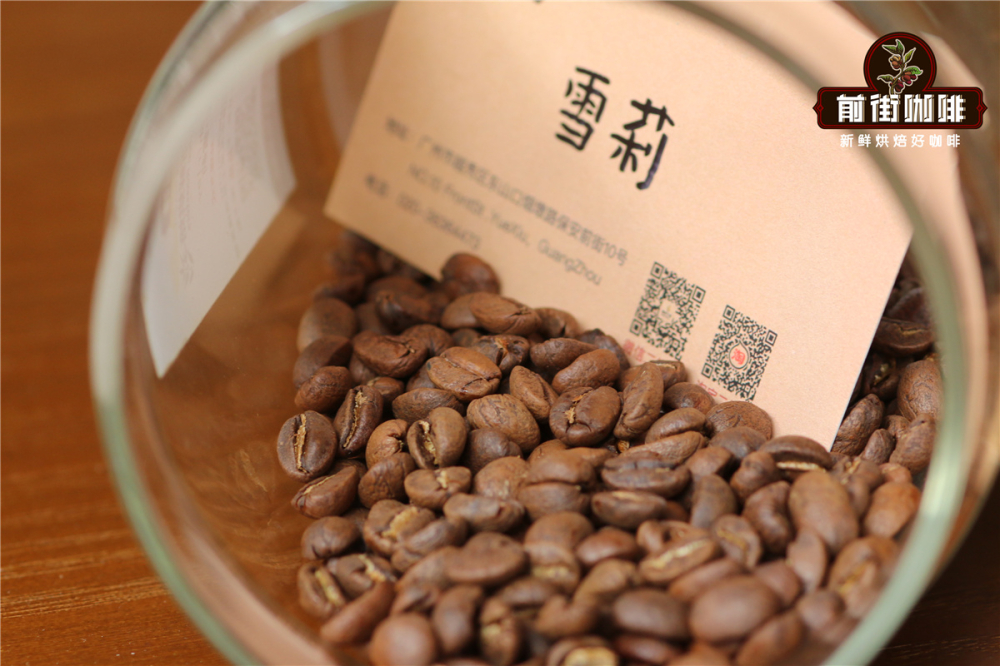
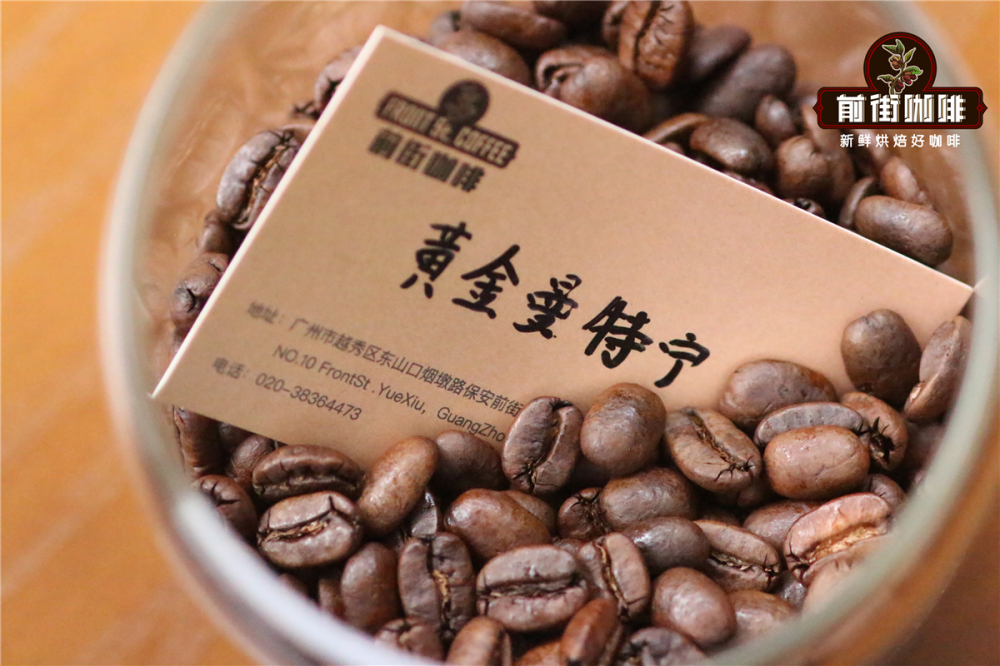
If the flavor describes "nut, dark chocolate, caramel" and other bitter-with-sweet flavors, it can be judged as a darker medium-dark roast coffee bean. A deeper roast reduces the acidity of the coffee beans, presenting a more bitter and mellow taste. For example, Front Street's Indonesian Golden Mandheling coffee beans use a deep roast to maximize the classic Mandheling flavor.
Professional coffee knowledge exchange. For more coffee bean information, please follow the Coffee Workshop (WeChat public account: cafe_style)
For more specialty coffee beans, please add the private WeChat of Front Street Coffee, WeChat ID: qjcoffeex
The above content is compiled by CoffeeHunters, a coffee news website.