







Search Results for: Aerobic Aging
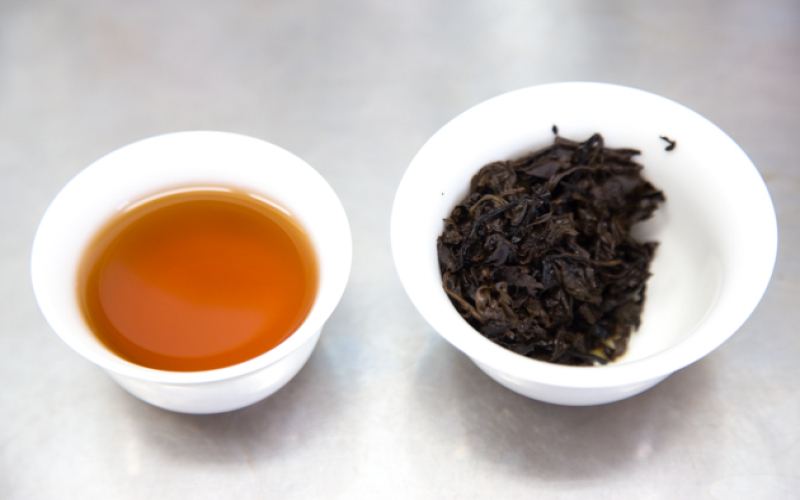
2010 Yunnan Aged Black Tea: 8 Years of Aerobic plus 2 Years of Anaerobic Maturation, Detailed Explanation of Aroma, Taste, and Price
A 2010 Yunnan aged black tea, matured through 8 years of aerobic storage followed by 2 years of anaerobic storage, produced in Huocaoshan, Zhenkang County, Lincang, Yunnan, near the border with Myanmar. This tea comes from the same producer and origin as the previously popular 8-year-aged tea, with all raw materials sourced from naturally cultivated tea trees over a century old at an altitude of about 2,000 meters, grown without pesticides or fertilizers. Due to the slow growth of natural cultivation, the yield is less than a quarter of that of ordinary tea gardens, and the tea leaves are exceptionally rich in polyphenols and minerals, with a long-lasting aftertaste where sweetness slowly spreads deep in the throat. After anaerobic maturation, the aroma becomes more intense, combining the character of black tea with the smooth, refreshing charm of ripe Pu'er. This article will detail its aroma and taste characteristics, brewing suggestions, and a price reference for authentic 10-year-aged Dianhong black tea in 500-gram quantities, suitable for readers who enjoy aged teas. [more…]
Front Street Colombia Finca San Jose Rum Barrel Fermented Coffee: Analysis of Flavor Formation and Brewing Performance
The rum barrel-fermented washed beans from Front Street Coffee's San Jose estate in Colombia are a highly representative example of the low-temperature anaerobic fermentation trend in recent years. They originate from a bold idea by the estate's owner, Monsalve Botero—placing green coffee beans into oak barrels for low-temperature fermentation. These beans use Supremo-grade Castillo and Naranjal varieties, which are fermented in barrels after depulping, then washed and dried on raised beds, revealing flavors of rum, cantaloupe, and dark chocolate. This article will review the origins of the processing method, the characteristics of the green beans, their unique performance in roasting and brewing, and explore the possible causes behind their rich vinous notes. [more…]

What Exactly Is Coffee Fermentation? Analyzing the Differences Between Aerobic, Anaerobic, and Double Anaerobic Fermentation
In coffee tasting, "fermentation" is a term that is often mentioned but easily misunderstood. It does not mean that the coffee contains alcohol; rather, it describes an aroma and mouthfeel reminiscent of ripe fruit or even overripe fruit. Coffee itself is a fermented food, and its flavor is deeply influenced by the way it is processed. This article starts from everyday conversations at Front Street stores and systematically explains the essence and sources of fermenty notes, as well as the differences between aerobic fermentation, anaerobic fermentation, and double anaerobic fermentation. At the same time, we will also explore how the fermentation process shapes coffee's aroma and complexity, and recommend Front Street's natural, honey-processed, and anaerobic-processed coffee beans for different preferences, helping you find the cup that suits you best in your everyday purchases. [more…]
Colombia Monteverde Estate: The Flavor Code and Variety Origins of Wush Wush Enzyme Aerobic Fermentation Natural
In southern Tolima, Colombia, at an altitude of 1,800 to 2,100 meters, Finca Monteverde has successfully cultivated delicate varieties such as Geisha, WushWush, SL-28, and Borbon Sidra, thanks to its exceptional sunlight, rainfall, and water source near the Rio Blanco. Among them, WushWush originated in the Kaffa forest of Ethiopia and has flourished since being introduced to Colombia thirty years ago. In this article, Front Street Coffee will take you deeper into the terroir of Finca Monteverde, the story of the WushWush variety, and the stunning flavors of rose, fennel leaf, and purple grape woven together by a honey anaerobic natural process. [more…]
Analyzing Chlorogenic Acid in Coffee: Health Benefits, Content Differences, and Scientific Drinking Recommendations
Coffee is not only a refreshing beverage but also rich in various beneficial components. From the perspective of chlorogenic acid, this article systematically reviews the health value of coffee. As a key antioxidant, chlorogenic acid is widely present in green coffee beans and possesses multiple biological activities, including antibacterial, antiviral, and cardiovascular-protective effects. The article provides a detailed introduction to the chemical structure, plant sources, medical applications, and toxicity of chlorogenic acid, and compares changes in chlorogenic acid content across different coffee varieties and roast levels. Finally, based on extraction experimental data, it offers practical advice for daily coffee consumption. Whether you are a coffee enthusiast or a reader concerned with healthy eating, you can gain a scientific and objective understanding of coffee from it. [more…]
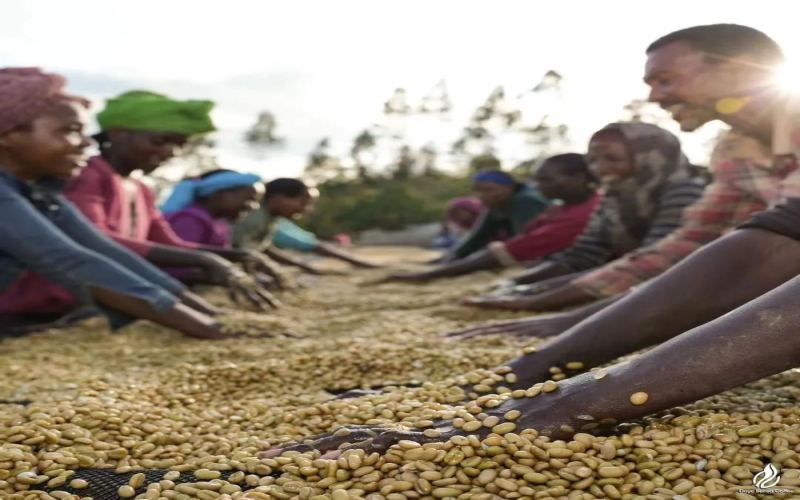
From Natural to Washed to Honey Processing: The Fermentation Principles Behind Coffee Processing Methods and Their Flavor Impact
Many people assume that only special processes like anaerobic fermentation involve fermentation, but in reality, conventional methods such as natural, washed, and honey processing are equally dependent on fermentation. Fermentation is the process by which microorganisms break down sugars and produce heat and compounds in the presence or absence of oxygen. Coffee cherries are rich in moisture and sugars, so fermentation begins the moment they are picked. Different processing methods correspond to aerobic or anaerobic fermentation pathways, and the duration and intensity of fermentation directly shape the flavor profile of the coffee—prolonged fermentation brings rich layers of dried fruit and fruit preserves, while short fermentation yields bright acidity and a clean mouthfeel. Properly controlled fermentation enhances quality, but once it becomes unbalanced, it produces irreversible negative flavors such as moldiness and rotten fruit. [more…]
A Complete Guide to Anaerobic Fermentation of Coffee Beans: Processing Fundamentals, Six Key Control Factors, and Practices for Quality Consistency
Fermentation is a core step in coffee processing that shapes flavor direction. It is driven by microorganisms such as yeasts and bacteria, which convert sugars and acids within the coffee cherry into acids and alcohols. Good, controlled fermentation can highlight a coffee's varietal characteristics, while uncontrolled fermentation may bring negative flavors reminiscent of spoilage and spoiled wine. Starting from the basic principles of fermentation, this article sorts out the differences between the two pathways—aerobic and anaerobic—and, around six major factors—coffee cherry quality, cleanliness, oxygen, microorganism and yeast types, time and temperature, and data recording—explains how to improve the consistency and repeatability of fermentation. It also emphasizes that coffee quality is largely fixed during the growth stage, and the role of fermentation is to extract and preserve excellent characteristics rather than to elevate quality out of thin air. The article also introduces Front Street Coffee's ongoing attention to knowledge related to fermentation and processing methods, for the reference of coffee enthusiasts. [more…]
Guatemala Huehuetenango Black Angel Estate: An Analysis of Enzymatic Slow-Dry Catuai SHB Coffee
Black Angel Estate is located on the Huehuetenango highlands in northern Guatemala, adjacent to the Mexican border, and has practiced natural farming principles since its founding in 1965. The estate uses coffee husks to make organic compost, and relies on volcanic limestone soil and a high-mountain irrigation system to create a unique growing environment. Fully ripe Catuai varietals can reach a sugar content of over 22 Brix under strict harvesting standards, and are meticulously produced through multiple processes including aerobic fermentation, tank fermentation, and slow drying. Front Street Coffee recommends this washed coffee, which presents a complex flavor profile of green tea, whiskey, elderflower, and nectarine preserve, with rich layers and a captivating fermented wine aroma. This article will provide a comprehensive analysis of Black Angel Estate's cultivation philosophy, processing techniques, and flavor characteristics. [more…]
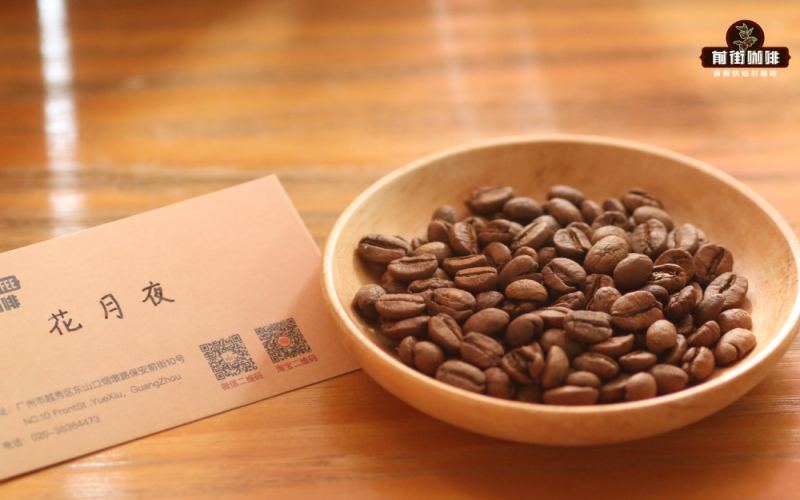
Introduction to Anaerobic Fermentation in Coffee | What Is the Anaerobic Fermentation Processing Method? What Is the Difference Between Anaerobic Natural, Anaerobic Washed, and Double Anaerobic Coffee Processing Methods?
Anaerobic Fermentation has been very popular in the coffee world in recent years, mainly because Sasa Sestic, the Australian competitor who won the 2015 WBC, started this trend, and even in 2018 WB [more…]

How Anaerobic Fermentation Reshapes the Coffee Flavor Landscape: From WBC Championship to Santa Viny 96-Hour Natural
In recent years, the coffee consumer market has continued to expand, and various novel green bean processing methods have emerged one after another. The industry habitually refers to them collectively as special processing methods. These techniques give coffee a more diverse and distinctly individual flavor expression, and also bring richer layers of mouthfeel, thus winning the favor of a large number of enthusiasts. At present, the more mainstream special processing methods include anaerobic washed or natural, enzyme washed, lactic acid fermentation, and barrel-aged processing, among others. Among them, anaerobic fermentation has especially high exposure. This trend can be traced back to 2015, when the WBC World Barista Championship winner that year, Sasa Sestic from Australia, brought anaerobic fermentation processing into the public eye, and discussions around the fermented feel of coffee have not ceased to this day. This article will sort out the development of anaerobic processing, analyze the specific process of anaerobic natural, and introduce anaerobic-processed coffee beans such as Santa Vini currently sold by Front Street. [more…]
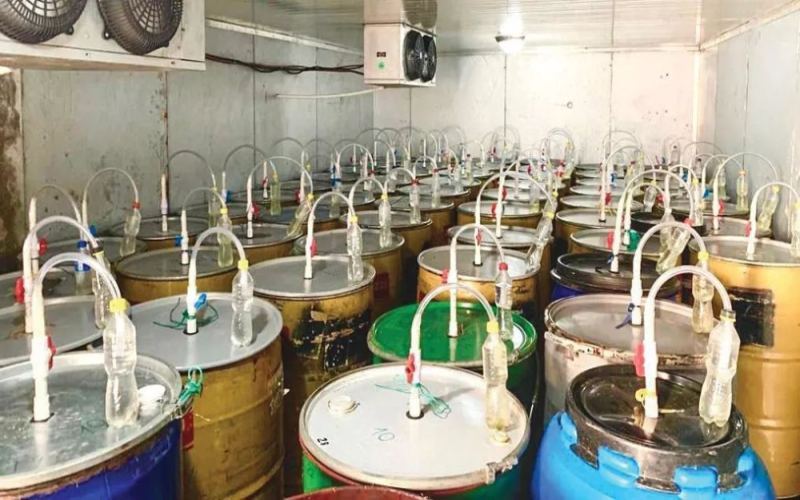
A Complete Guide to Anaerobic Fermentation Processing: The Differences Between Anaerobic Natural, Anaerobic Washed, and Double Anaerobic Methods
Anaerobic fermentation processing is a green bean processing technology that has attracted much attention in the coffee industry in recent years. Since Sasa Sestic, the 2015 WBC champion, brought it to the forefront, it has quickly swept through the specialty coffee world. Inspired by red wine-making techniques, this processing method injects carbon dioxide into a sealed container to expel oxygen, creating an oxygen-free environment that allows precise control of the fermentation process, giving coffee beans higher sweetness and more unique flavor layers. As processing technologies continue to evolve, experimental methods such as anaerobic natural, anaerobic washed, and double anaerobic have emerged one after another, each presenting distinctly different flavor expressions. This article will systematically sort out the principles and origins of anaerobic fermentation, and analyze one by one the process steps and flavor characteristics of these three common anaerobic processing methods, while also explaining them in conjunction with specific Front Street Coffee bean offerings. [more…]
Hartmann Coffee Beans Red Wine Processing Brewing Guide: V60 Parameters and Fermented Wine Aroma Presentation
The wine process, also known as the controlled fermentation method or lactic/acetic fermentation method, was developed by a team led by Felipe Sardi of the United States, whose members include biological scientists and ecologists. Strict standards are enforced during picking: underripe cherries below 2%, defective beans below 3%, and floating beans below 5%. This processing method is divided into two paths: aerobic acetic fermentation and anaerobic lactic fermentation. The former has a cleaner and brighter acidity with citric notes; the latter has a rounder mouthfeel and higher body, but slightly lower cleanliness, displaying malic and tartaric acid characteristics. Batch consistency is achieved through pH monitoring. Wine-processed green beans are darker in color, with silver skin appearing wine-red or brownish-red. Front Street Coffee's Panama Hartmann is a representative example, and this article shares its pour-over parameters and flavor performance. [more…]
Wine Process Coffee Bean Flavor Analysis: Front Street Explains the Differences Between Acetic Acid, Lactic Acid, and Mixed Fermentation
The red wine process is a method of processing green coffee beans that draws on winemaking concepts, and currently only a few estates in Colombia have successfully commercialized it. Depending on the fermentation environment, it can be divided into three types: acetic acid fermentation, lactic acid fermentation, and mixed fermentation, each presenting distinctly different flavor characteristics. At the same time, the washed method and the semi-washed method (honey process) remain the most mainstream processing methods in the specialty coffee field, and many of Front Street Coffee's representative beans use these techniques. This article will systematically sort out the classification and flavor performance of the red wine process, and compare the processing flows of washed and semi-washed methods, to help coffee enthusiasts more clearly understand the impact of processing methods on the flavors in the cup. [more…]

Why Do Washed Coffee Beans Often Have a Bright Acidity? A Complete Analysis from Processing Methods to Fermentation Principles
When you drink a cup of coffee in a café with bright acidity and a clean mouthfeel, experienced tasters can often immediately tell that these are washed beans. What exactly does the washed process do to coffee beans that makes them present such distinct fruity acidity in the cup? Starting from the structure of the coffee cherry, this article breaks down the complete washed process step by step, compares the differences between dry and wet processing methods, and explores in depth the formation mechanisms of organic acids during fermentation. The article also introduces the Kenyan-style washed process, which takes wet fermentation to the extreme, helping you understand the real reason why washed coffee beans have such prominent acidity, and includes brand information for Front Street Coffee for reference. [more…]

Why Is Kenyan Coffee's Acidity So Outstanding? A Complete Analysis from Volcanic Soil to K72 Washing
Kenyan coffee is renowned worldwide for its vibrant acidity, with flavor layers reminiscent of black plum, cherry tomato, and sugarcane that captivate countless coffee enthusiasts. This distinctive acidity is no accident, but rather the result of the combined effects of altitude, volcanic geology, latitude, variety, and processing methods. This article will start with Kenya's growing environment, analyze the origins of the legendary SL28 and SL34 varieties, and delve into Kenya's iconic 72-hour fermentation washed method (K72) as well as its unique steel bed drying process, helping you understand the interconnected flavor logic behind a cup of Kenyan coffee. [more…]

Where Does the Aroma of Colombia Rose Valley Coffee Come From? Analyzing the Role of Volcanic Soil and Anaerobic Enzyme Washed Flavor Formation
Front Street Colombia Rose Valley has become a highly talked-about coffee on the bean list thanks to its signature flavors of peach, cranberry, liqueur chocolate, and rose florals. Where exactly does its intense aroma come from? Is it a flavored bean? This article traces the real causes of Rose Valley's flavor step by step, from the volcanic soil of the Santander growing region and the characteristics of the Caturra variety to the anaerobic enzyme washed processing method that rose to prominence after 2014, and includes Front Street Coffee's in-store V60 brewing parameters and three-pour extraction steps to help you recreate at home that cup combining berry-like acidity with caramel sweetness. [more…]
Kenya AA Pour-Over Coffee-to-Water Ratio and Flavor Full Analysis: Brewing Key Points for K72 Washed, SL28/SL34, and Medium-Light Roast
Kenya AA is a highly recognizable grade in specialty coffee, known for its bright berry acidity, substantial juicy body, and cleanliness. This article focuses on Front Street Coffee's Kenya Small Tomato, an AA-grade coffee, to sort out its flavor sources and processing details: from the phosphoric acid components in the local soil, to the famous K72 72-hour washed fermentation, and then to the impact of Kenyan steel bed drying on cleanliness. It also explains the size grading such as AA and AB, as well as the TOP, PLUS, and FAQ flavor grades set by exporters. Finally, it gives Front Street's medium-light roast approach and pour-over parameters: 1:15 coffee-to-water ratio, 15g coffee, 225ml water, 91°C, V60, along with a staged pouring rhythm and brewing flavor description. [more…]
The Three Major Coffee Processing Methods: Washed, Natural, and Honey—A Full Analysis of Flavor Differences and Processing Details
The flavors of coffee are endlessly varied. Beyond variety and roasting, the fermentation process during green coffee processing plays a decisive role. The three common methods—natural, washed, and honey—each rely on different fermentation environments and microbial activity to shape distinctly different sweetness, acidity, and body. This article begins with the scientific principles of fermentation, systematically sorts out the differences between dry and wet fermentation, explains in detail the key points of natural, honey, washed, and Kenyan-style and Ethiopian-style washed processing, and includes Front Street Coffee's recommendations and buying advice to help you understand more clearly where the flavors in your cup come from. [more…]

The Fruit-Acid Code of Kenyan Coffee: A Breakdown of Varieties, Origins, K72 Washing, and Roasting Key Points
Kenyan coffee is renowned for its intense acidity and fruity notes reminiscent of smoked plum and cherry tomatoes, making it a favorite among specialty coffee enthusiasts. Starting from the flavor profile of Front Street Kenya coffee, this article systematically reviews the cultivation history of Kenyan coffee, its main producing regions, the characteristics of the SL28 and SL34 varieties, and how the famous K72 washing process shapes its bright acidity. It also introduces roasting and brewing recommendations for Front Street Little Tomato coffee beans, giving you a comprehensive understanding of why Kenyan coffee is so rich in fruity acidity. [more…]
The Evolution of Kenya's Coffee Industry and Its Flavor Characteristics: From Bourbon Introduction to the Specialty Path of K72 Washing
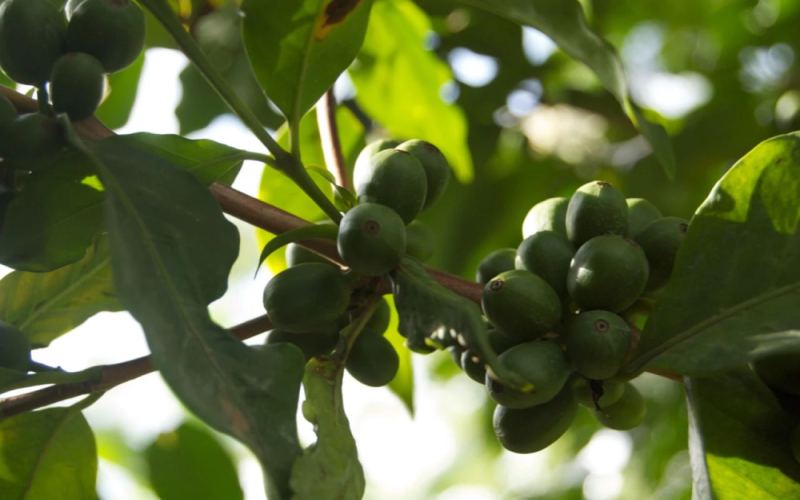
Although Kenya borders Ethiopia, the birthplace of coffee, its commercial cultivation did not begin until the early 20th century. With high-altitude volcanic soil, two rainy seasons bringing a double harvest, and premium varieties such as SL28 and SL34, Kenya rose within just a few decades to become a major representative of specialty coffee worldwide. This article will trace the history of coffee cultivation and the distribution of growing regions in Kenya, analyze the sources of its signature berry-like acidity and blackcurrant flavors, and provide a detailed introduction to the unique K72-hour washed processing method. At the end, Front Street Coffee's brewing parameters and flavor descriptions are included for coffee lovers' reference. [more…]