







Search Results for: Acidity Flavor
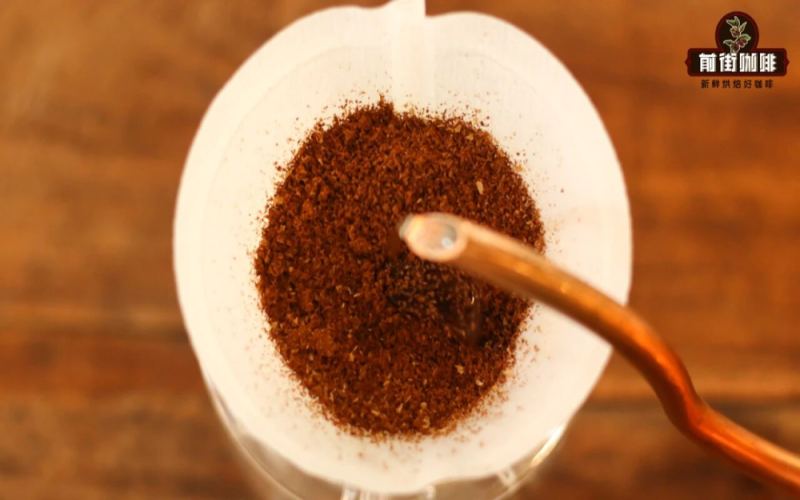
Is coffee sourness a sign of spoilage or a flavor characteristic? Analyzing the causes of acidity in African beans and the effects of roasting and extraction
Many friends who are new to specialty coffee often wonder: if coffee tastes sour, has it gone bad? In fact, sourness is not synonymous with spoilage, but rather a highly prized flavor dimension in specialty coffee. Drawing on the practical experience of Front Street Coffee, this article systematically sorts out the sources of coffee acidity, distinguishes good acidity from bad, and analyzes how factors such as roast level, grind size, water temperature, and brewing time affect the expression of acidity. At the same time, the article also introduces several African-origin coffee beans known for their bright fruity acidity, helping readers build a correct understanding of coffee sourness and stop confusing acidity with spoilage. [more…]
How to Describe Coffee Flavors? A Comprehensive Analysis of Flavor Characteristics of Major Coffee-Producing Countries and Regions Worldwide
Even coffee from different plots within the same estate can vary in flavor, let alone regions spanning different countries. The three major specialty coffee regions—Asia, Africa, and the Americas—each display distinctly different regional characteristics due to their unique terroir. Ethiopia's floral and citrus notes and the rich, full-bodied character of Asian coffees each have their own following. When recommending single-origin beans to customers, Front Street Coffee matches them based on taste preferences—those who prefer acidity can choose Front Street Kenya Small Tomato or Front Street Yirgacheffe, while those who enjoy a full-bodied cup can try Front Street Jamaica Blue Mountain or Front Street Golden Mandheling. Front Street currently offers more than 200 specialty coffee beans, and every bean has undergone repeated roasting tests and cupping screenings, only being recommended to consumers after confirming it is representative of its region. The following content is a coffee flavor guide compiled by Front Street after multiple rounds of roasting and cupping of common coffee regions around the world. [more…]
Flavor Characteristics of Major Coffee Regions Around the World: A Guide to Tasting Profiles and Mouthfeel from Africa to the Americas
Even different plots within the same estate can produce coffees with distinct flavors, let alone major regions spanning continents. The three great specialty coffee belts—Asia, Africa, and Central & South America—nurture vastly different flavor profile characteristics due to terroir differences: Ethiopia's floral and citrus notes, Indonesia's rich herbal undertones, and Central America's balanced chocolate character, each with its own following. Before deciding to put a coffee on the shelf, Front Street Coffee repeatedly roasts and cups samples from each region, selecting the most representative lots before recommending them to consumers. This article systematically organizes the flavor characteristics and taste descriptions of major coffee-producing countries worldwide, covering Ethiopia and Kenya in Africa; Indonesia and India in Asia; Guatemala, Costa Rica, and Panama in Central America; and Colombia and Brazil in South America, providing coffee lovers with a complete flavor profile reference. [more…]

Is the sour taste in single-origin coffee a sign that it has gone bad? An analysis of the natural causes of coffee acidity and flavor classification.
Many people are startled by that hint of acidity the first time they try single-origin coffee, instinctively assuming the coffee has gone bad or spoiled. In fact, the coffee fruit is originally just like a cherry, and the natural sweet-and-sour flavor of its pulp influences the green beans during cultivation. Acidity is not a defect but a natural characteristic of specialty coffee. Of course, acidity has its good and bad sides: pleasant fruity acidity can add layers of complexity, while unpleasant acidity can ruin an entire cup. This article starts with the structure of the coffee cherry, explains where acidity comes from, distinguishes delicious acidity from rancid acidity, and offers beginners who are not used to acidity advice on choosing origins and roast levels, while also recommending several low-acid beans from the Front Street brand. [more…]
The Coffee Flavor Code: Acidity, Mouthfeel, and the Four Principles of Appreciation — Understanding the Taste Layers of Specialty Beans
Is the acidity in coffee an advantage or a disadvantage? Why is some acidity pleasant while other acidity makes people frown? Starting from the sources and perception of acidity, this article analyzes one by one the meanings of tasting terms such as clean, balanced, texture, and complexity, and introduces the four major appreciation principles of acidity, texture, aroma, and flavor. At the same time, drawing on Front Street Coffee's brewing experience, it helps enthusiasts clarify the difference between good acidity and bad acidity, master the effects of adding sugar and extraction temperature on flavor, and thereby truly understand how to describe and appreciate the layers and personality of a cup of specialty coffee. [more…]
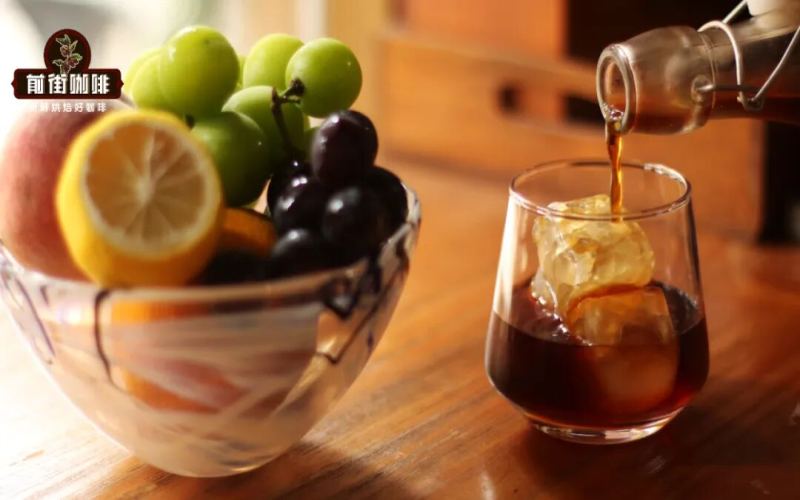
Coffee Flavor | What does "bright" mean in the context of bright coffee acidity? Which coffee beans produce pour-over coffee with bright acidity?
When evaluating a cup of coffee, we use various adjectives to describe its texture, so that the information others receive can be more vivid and three-dimensional. For example, when describing the mouthfeel of coffee, words like smooth and full-bodied are used to express the tactile experience of the coffee in the mouth; or when describing the aroma of a cup of coffee, [more…]
The Flavor Composition and Tasting Points of Espresso: A Comprehensive Interpretation from Acidity and Aroma to Full-Bodiedness
Espresso is a daily choice for many coffee lovers, but a high-quality cup of Espresso is by no means only bitter. Its flavor can be broken down into four dimensions: aroma, acidity, flavor, and body, and the freshness of the coffee beans plays a key role in this. Starting from the basics of tasting, this article will sort out the sources of flavor in espresso and introduce one by one the recipes and flavor performance of four espresso blends under Front Street Coffee, helping readers understand where acidity comes from, what differences exist between different blends, and why fresh roasting is so important to the extraction result. [more…]
An In-Depth Analysis of Yirgacheffe: Origin, Variety, Processing Methods, and Front Street Coffee's Roast Flavor Profile
Yirgacheffe, with its fresh and bright flavor profile, enjoys extremely high acceptance among Chinese coffee enthusiasts. Starting from Front Street Yirgacheffe coffee beans, this article systematically reviews their flavor description and taste performance, and delves into how origin, variety, processing method, and estate background influence the final flavor in the cup. The article will analyze the true relationship between roast level and the expression of acidity, clarify the taste differences brought by light, medium, and medium-dark roasts, and explain the proportions that coffee growing environment, refinement methods, roasters, and baristas each contribute to flavor formation. Through questions on specific tasting dimensions, it helps readers judge whether the flavor release of Yirgacheffe is complete, and restores its rightful rose, jasmine, and nectar aromas along with a round, citrus- and orange-like acidity. [more…]
A Guide to Ten Entry-Level Specialty Coffee Beans: A Complete Analysis of Flavor Characteristics and Regional Representatives
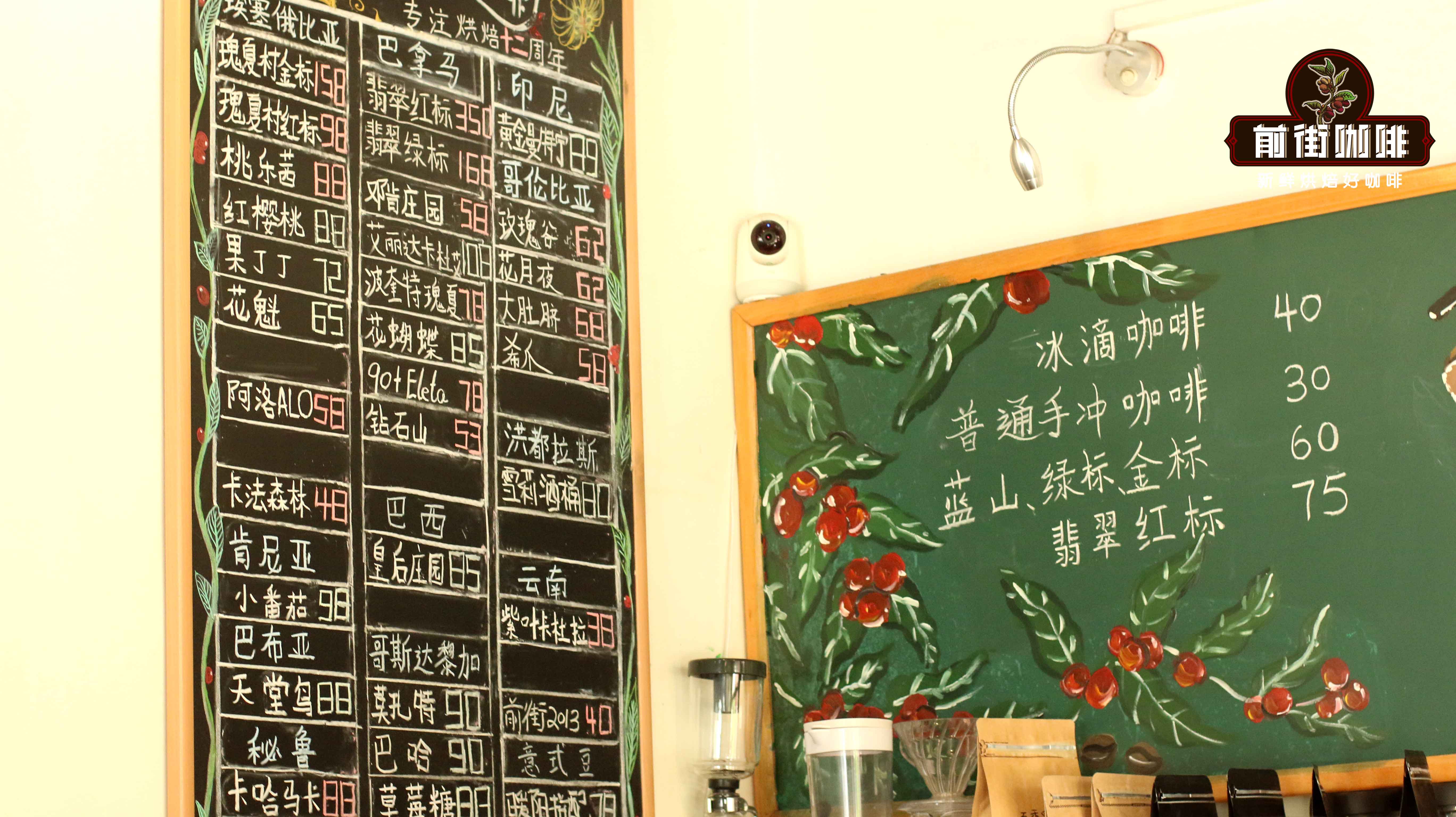
Faced with a bewildering variety of coffee beans, those new to specialty coffee often don't know where to start. Front Street Coffee's stores carry more than fifty beans, and the question I'm asked most often is what beans a beginner should choose. This article uses ten representative coffee-producing countries as a thread, sorting out the flavor characteristics and mouthfeel tendencies of each region's coffee beans one by one, covering dimensions such as acidity, sweetness, body, and aftertaste, and listing one representative Front Street product for each region along with its brewing performance. Whether you prefer bright citrus acidity, rich nutty-chocolate notes, or lush floral and winey aromas, you'll find the cup that suits your taste below. The following are listed in no particular order. [more…]
A Complete Analysis of the World's Specialty Coffee Origins: A Guide to Ten Classic Coffee Brands and Flavor Recommendations
The world of coffee is rich and diverse, with different origins, varieties, and processing methods giving coffee beans a myriad of flavor expressions. From the floral and fruity sweetness of Panama Geisha, to the balanced acidity and bitterness of Jamaica Blue Mountain, to the rich and full-bodied intensity of Indonesian Mandheling, each coffee carries the unique imprint of its terroir. This article selects ten classic coffee brands from around the world, covering three major producing regions and multiple processing methods, and includes Front Street Coffee's professional recommendations and brewing flavor descriptions. Whether you prefer bright acidity or a full-bodied mouthfeel, you will find your ideal choice here, embarking on a cross-border journey of coffee flavors. [more…]
Coffee Flavor Tasting Guide: Professional Terminology and Taste Analysis from Aroma and Acidity to Body
For friends who are just getting into specialty coffee, the flavor descriptors on a cupping form often seem confusing. In fact, coffee tasting has a relatively systematic language system, from aroma, acidity, and body to various flavor details, and each term corresponds to a specific sensory experience. This article will explain one by one the common flavor descriptor terms in coffee tasting, including core concepts such as Flavor, Acidity, Body, and Aroma, to help you more accurately understand and express the characteristics of a cup of coffee. At the same time, it will also clarify some terms that are easily confused, such as the difference between acidity and sourness, and the relationship between intensity and caffeine content, so that you can have clearer direction when buying and tasting coffee. Front Street Coffee will also recommend several beans that reflect different flavor characteristics for your daily tasting reference. [more…]
A Comprehensive Analysis of the Specialty Coffee Scoring System: COE and SCA Cupping Protocols, Scoring Rules, and Grading Standards
Whether a cup of coffee can be crowned with the name "specialty" is by no means decided by cupping alone. From the origin of the green beans, screening and processing, to roasting and brewing, every stage requires careful control, so that the flavor in the cup ultimately presented can reflect the characteristics and cultural heritage of the producing country. This article will systematically sort out the two major cupping scoring systems, COE and SCA, and break down one by one the points to note for each scoring element, including cleanliness, sweetness, acidity, body, flavor, aftertaste, and balance, as well as explain in detail the defect scoring rules and grading standards. Front Street will also draw on years of quality control experience to help you use evaluation grades as a reliable reference for judging specialty coffee when purchasing coffee. [more…]
Where does the acidity in black coffee come from? Is coffee that isn't sour not considered good coffee?
Many coffee enthusiasts have encountered this confusion: you go to a café and order a black coffee, and it tastes so sour it makes you frown, yet the barista says this is just how coffee is supposed to taste, and that if you drink black coffee you have to accept the sourness. At the same time, some roasters claim that coffee beans are fruit, that they only have acidity and sweetness, and that any bitterness is a sign of bad beans. Do these claims really hold up? This article will, from the perspectives of the nature of coffee beans, the chemical changes during roasting, and the flavor characteristics of different origins, help readers clarify the relationship between "sour coffee" and "good coffee," and teach you to distinguish between a quality "fragrant acidity" and a "dead acidity" caused by negative factors. [more…]
Guatemalan Coffee Beans Pour-Over Parameters Explained: Causes of High-Altitude Acidity and Smoky Flavor, and a Brewing Guide
Guatemalan coffee beans attract many pour-over enthusiasts with their distinctive smoky aroma and bright fruit acidity. But many people brewing at home either struggle to reproduce their signature flavor or find the acidity too pronounced. Are Guatemalan coffee beans actually acidic? What factors shape their sweet-tart balance and smoky character? From the perspective of Front Street Coffee, this article breaks down the flavor formation of Guatemalan beans across three dimensions—regional terrain, coffee varieties, and processing methods—and shares the pour-over parameters and brewing techniques for two beans, Front Street Antigua Flower God and Front Street Huehuetenango, helping readers understand the acidity profile of high-altitude beans and master the key details for consistent extraction. [more…]
Is Golden Mandheling really not sour? A full analysis of flavor changes under different roast levels and the authentic taste
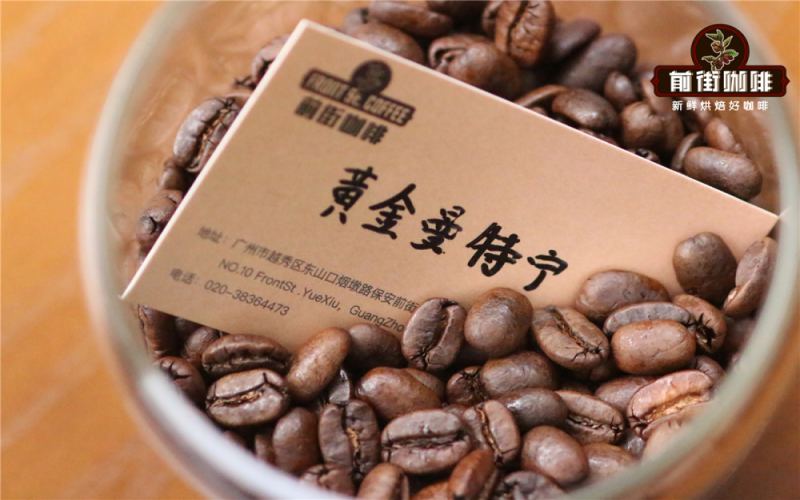
Many people, upon thinking of Golden Mandheling, conjure up an impression of richness and full body, with pronounced bitterness and only faint fruity acidity. This perception is in fact closely tied to the fact that most Golden Mandheling on the market is medium-dark roasted, including the widely popular Front Street PWN Golden Mandheling, which is also presented as medium-dark by default. Yet judged by the green beans themselves, Golden Mandheling is actually a coffee bean with extremely high acidity. As the roast level moves from light to dark, its fruity acidity undergoes a marked transformation from strong acidity, to acidity, to weak acidity. This article will walk you through the flavor differences of Front Street Golden Mandheling under medium-dark, medium, and medium-light roasts, helping you find the cup that best suits your taste. [more…]
A Comprehensive Analysis of Flavor Characteristics of Major Coffee-Producing Countries Worldwide and the Choice of Roast Levels
The flavor of coffee is closely tied to the terroir of its origin and its processing method, while the degree of roast determines its final expression in the cup. This article systematically reviews the coffee characteristics of the world's major coffee-producing countries, including Yunnan in China, Brazil, Colombia, Mexico, Hawaii, Indonesia, Costa Rica, Angola, Ethiopia, Jamaica, Kenya, Yemen, Peru, Guatemala, El Salvador, Honduras, and Cuba, covering representative bean varieties, tasting descriptions, and recommended roast levels for each region. It specifically notes that Yunnan coffee has been evaluated by the International Coffee Organization as belonging to the Colombia wet-processed small-bean category, and retains relevant recommendations for the "Front Street" brand. Whether you prefer the mild, moderately acidic and bitter Brazilian beans, or are drawn to the perfectly balanced Jamaican Blue Mountain coffee, you can find flavor guidance here. [more…]
Pour-Over Coffee Bean Fruity Acidity Flavor Guide: How Light-Medium Roasts Present Floral and Fruity Notes, with Variety Recommendations
From light to dark roasting, coffee beans can undergo a dramatic flavor transformation within just a few minutes and a temperature difference of about 10°C. Light roasting preserves more organic acids, resulting in bright acidity and rich aromatic layers; medium roasting achieves more thorough caramelization, lowering acidity and enhancing sweetness. If you want to enjoy alluring floral and fruity notes, it is recommended to prioritize light to medium roasts and choose varieties based on flavor descriptions. This article reviews how different roast levels affect acidity and aroma, and recommends five representative Front Street Coffee pour-over beans: Fruit Ding Ding, Kenya Little Tomato, Strawberry Candy, Colombia Big Belly Button, and Flower Butterfly, corresponding to flavors such as citrus and floral, berry and cherry tomato, raisin gummy, passion fruit and blueberry, and citrus honey pomelo tea, helping coffee lovers make precise purchases according to their preferences. [more…]
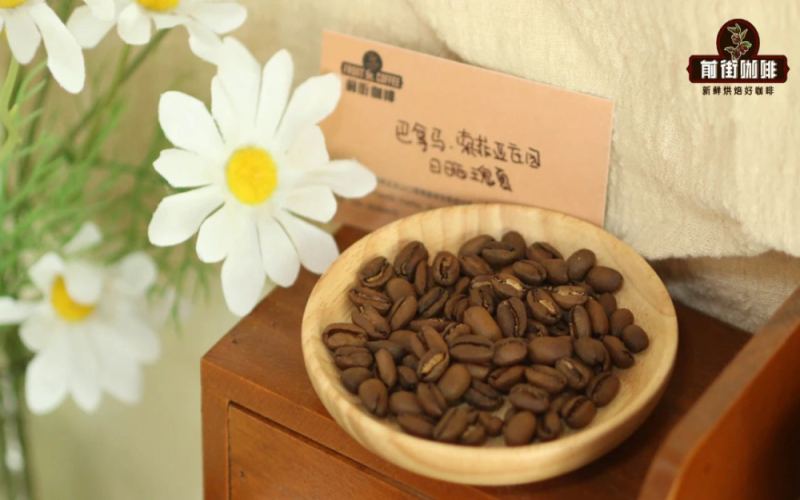
How to Choose Between Light and Dark Roasts for Geisha Coffee? A Complete Analysis of Flavor Expression and Brewing Parameters
Geisha coffee is world-renowned for its intense floral aromatics, citrus and berry notes, and delicate acidity, and the choice of roast level directly determines its flavor direction. This article analyzes the taste differences of Geisha coffee across three dimensions—light, medium, and dark roast—and, drawing on Front Street Coffee's roasting philosophy and brewing practices, provides a detailed interpretation of the flavor characteristics of Panama Hacienda La Esmeralda Geisha. It also includes Front Street's recommended V60 pour-over parameters, coffee-to-water ratio, and grinding standards to help coffee lovers find the cup that best suits them between floral-fruity brightness and rich body. [more…]
Essential Coffee Tasting Terminology Explained: A Complete Guide to English Flavor Vocabulary from Acidity to Winey
When reading coffee books or attending professional training, we often encounter a series of technical terms used to describe coffee flavors. What exactly do these words mean? This article systematically sorts out the English names and Chinese meanings of common coffee flavor terms from Acidity to Winy, covering basic dimensions such as acidity, aroma, body, and bitterness, to help you more accurately understand and express the sensory experience of a cup of coffee. Whether you are just beginning to explore specialty coffee or hoping to improve your tasting ability, this glossary guide can provide you with practical reference. [more…]
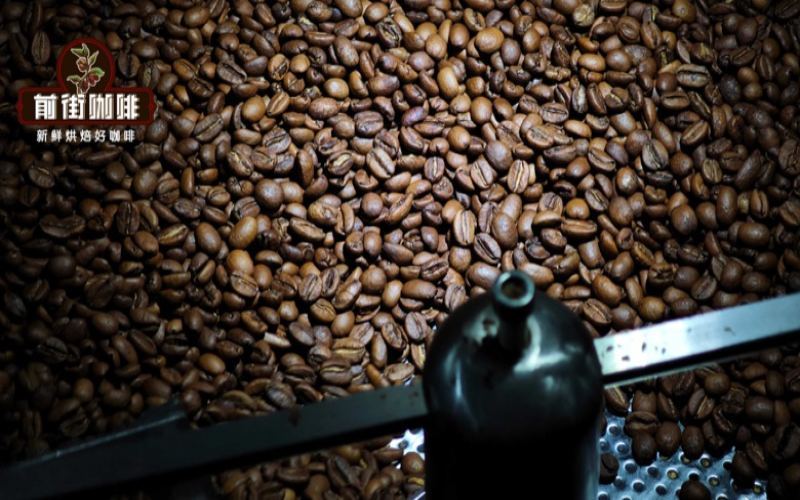
Sweet aftertaste coffee beans: a flavor path with low acidity and lingering sweetness
Beans with understated acidity and a prominent sweet finish place their flavor emphasis on sweetness and aftertaste: natural (dry) processing and medium-dark roasting round off the acidity, leaving a lingering sweetness. Front Street Coffee's Ethiopian Huakui has a sweet finish with a passion fruit aftertaste; the acidity on the palate flashes by, and sweetness takes over the second half. In Kafa Forest, the sweetness actually becomes more pronounced as the temperature drops. [more…]