







Search Results for: AA PB SHB
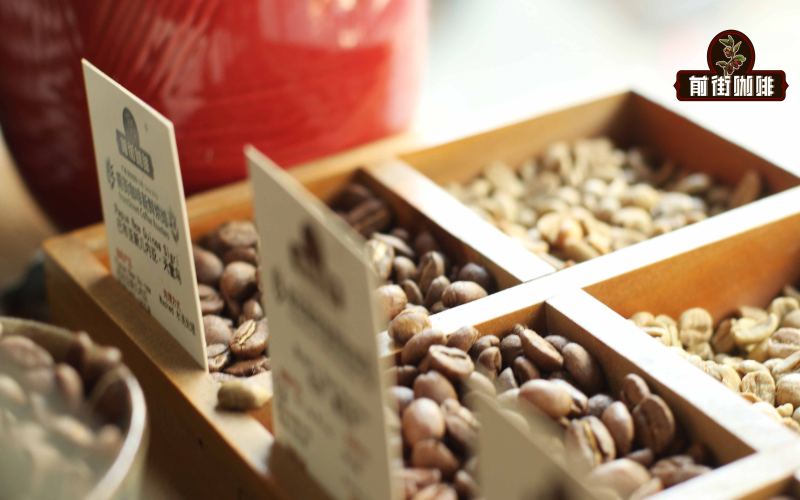
A Complete Guide to Green Coffee Bean Grades: Detailed Explanation of Grading Standards and Differences Across Countries, Including AA, G1, SHB, PB, and More
When buying coffee beans, have you ever been baffled by combinations of letters like AA, G1, SHB, and PB? They may seem to follow no pattern at all, but in fact each one represents the green bean grading standard of a different producing country. Why do coffee beans need to be graded? Why is there no unified global standard? This article will take you through the origins of green coffee bean grading, and how producing regions such as Ethiopia, Kenya, the Central American countries, Jamaica, and Brazil classify their beans based on defect rate, bean size, growing altitude, and cup quality. At the same time, we will also explore what these grades actually mean in the roasted coffee market, and recommend several Front Street Coffee beans corresponding to these grades, to help you better understand the cup of coffee in your hands. [more…]
A Detailed Explanation of the Green Coffee Bean Grading System: What Quality Levels Do G1 to G4, AA, PB, and SHB Represent?
The grading systems for coffee beans vary widely depending on the origin—some are based on the number of defects, others on bean size, and still others on altitude. Understanding these grade labels is an important step in selecting high-quality coffee. This article will systematically outline the green bean grading rules of major global producing regions, covering common designations such as Ethiopia's G1-G9, Kenya's AA and PB, Colombia's Supremo, and Hawaii's Extra Fancy, and explain how cupping scores further distinguish specialty grade from commercial grade. Whether you are a beginner enthusiast or a professional seeking to advance, this grading guide can help you judge coffee quality more clearly. For more professional content, follow Coffee Workshop; for specialty coffee beans, add Front Street Coffee on WeChat at qjcoffeex. [more…]
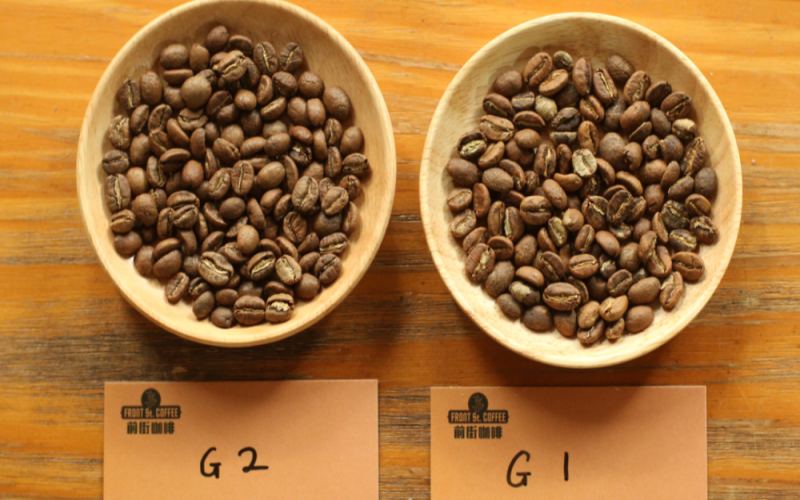
An Introduction to Green Coffee Bean Grades | A Comparison of Coffee Bean Characteristics, Flavor, and Taste Across National Green Coffee Bean Grading Systems: G1, G2, AA, PB, SHB
For more specialty coffee knowledge, please follow our WeChat official account: Front Street Coffee (FrontStreet Coffee). Many friends, while drinking coffee at Front Street, ask our baristas, "What is Yirgacheffe G1 and Yirgacheffe G2?" "What is Kenya AA, AB?" What is Guate... [more…]
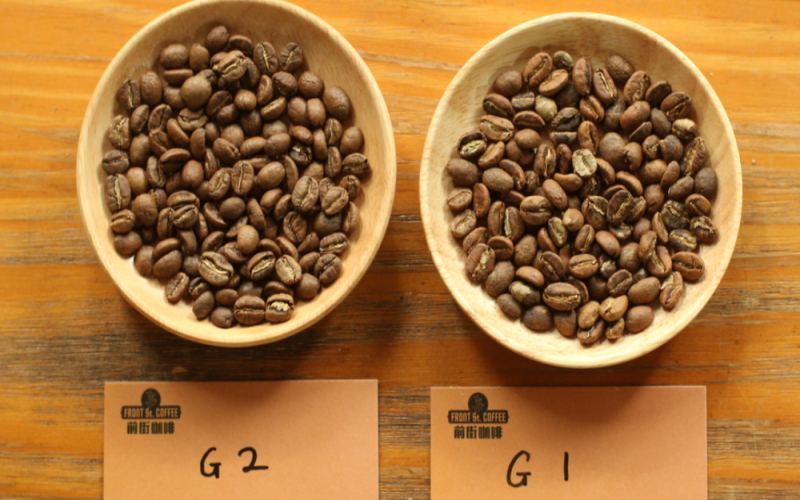
A Detailed Explanation of Green Coffee Bean Grading Standards: What's Behind Ethiopia G1, Kenya AA, Blue Mountain No.1, and SHB Grades?
Coffee enthusiasts often ask in the shop exactly what the difference is between Ethiopia's G1 and G2, what Kenya AA actually means, and what Costa Rica's SHB grade signifies. These combinations of letters and numbers actually reflect how each producing country evaluates the quality of green coffee beans. Due to differences in history, trade, climate, and terrain, different origins have developed their own grading systems, with evaluation criteria covering multiple dimensions such as defect percentage, bean size, growing altitude, green bean density, and processing method. This article will systematically sort out the origins of coffee grading and introduce, one by one, the green bean grade standards of representative producing countries such as Ethiopia, Kenya, Colombia, Jamaica, Costa Rica, Panama, Guatemala, El Salvador, Honduras, and Brazil. [more…]

A Complete Guide to Coffee Bean Grading Standards: Meanings and Characteristics of Grades Such as G1, AA, AB, and SHB from Various Origins
When purchasing single-origin coffee beans, labels such as G1, AA, and SHB often appear on the packaging. What exactly do these letters and numbers represent? They are actually coffee bean grade symbols established by each origin based on its own conditions. Due to differences in growing environments and varieties, the grading criteria of different countries vary—some look at the number of defective beans, some at green bean size, and others at hardness or altitude. In this article, Front Street Coffee will sort out the grading standards of major producing regions such as Ethiopia, Kenya, Indonesia, Central and South America, and Brazil, helping coffee lovers understand the meaning behind these grades so they can more accurately select high-quality coffee beans that suit their own taste. [more…]
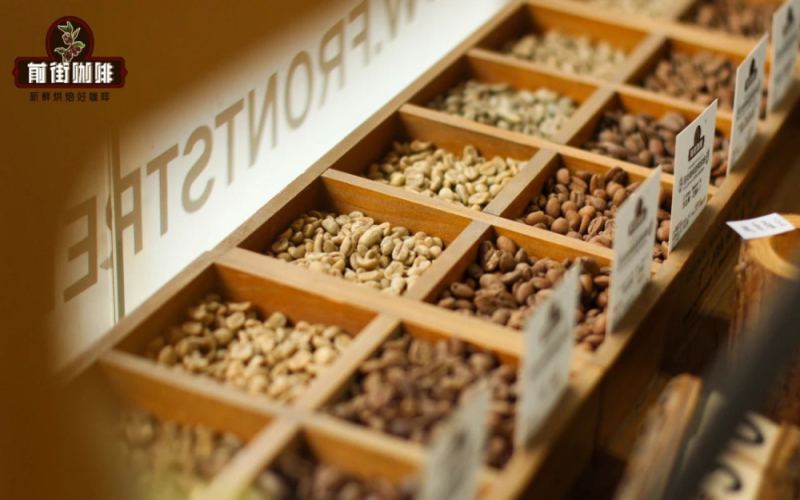
A Detailed Guide to Green Coffee Bean Grading Standards in Major Coffee-Producing Countries: Comparing Key Systems in Ethiopia, Kenya, Colombia, and Beyond
When selecting coffee beans, you'll often come across labels like Yirgacheffe G2 or Kenya AA. Behind these letters and numbers lies the logic each producing country uses to assess green bean quality. Due to differences in history, trade, climate, and terrain, grading criteria vary widely from country to country—some focus on defect rates, some measure bean size, and others test altitude or hardness—and they cannot be directly compared across origins. Front Street Coffee has compiled the grading systems of representative producing countries including Ethiopia, Kenya, Colombia, Jamaica, Costa Rica, Panama, Guatemala, El Salvador, Honduras, and Brazil to help you understand the ins and outs behind green bean grades. [more…]
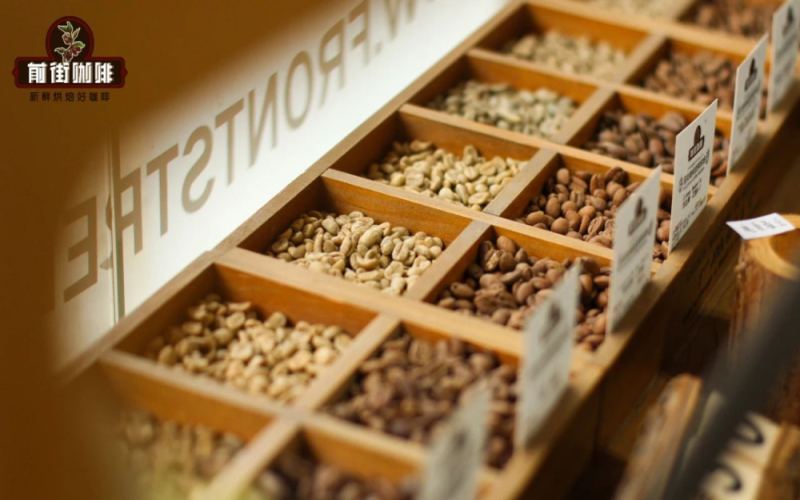
How Are Green Coffee Beans Graded? A Full Breakdown from Ethiopia G1 to Kenya AA and Blue Mountain No. 1
Friends who frequently buy coffee beans have surely seen labels like Yirgacheffe G2 and Kenya AA. These letters and numbers actually represent the grade of green coffee beans. Since each coffee-producing country has established different grading systems, the evaluation criteria also vary in emphasis—factors such as bean size, proportion of defective beans, growing altitude, bean hardness, and cupping score can all serve as the basis for grading. In this article, Front Street Coffee will walk you through the green bean grading rules of representative producing countries including Ethiopia, Kenya, Tanzania, various Central and South American countries, Colombia, Brazil, and Jamaica, helping you understand the grade labels on packaging the next time you shop. [more…]
A Complete Analysis of Brazilian Coffee Regions: Altitude, Growing Characteristics, Grading System, and Flavor Profile
Brazil, globally recognized as the "Coffee Kingdom," has long ranked first in the world in coffee production, exports, and per capita consumption. This article starts with the basic definition of Brazilian coffee beans, detailing their flavor characteristics of large beans, rich taste, low acidity, and smooth, sweet drinkability. It traces the historical thread of coffee's introduction from Guiana to the port of Belém in 1727, and, centering on common naming systems such as G1, G2, AA, PB, and SHB, sorts out the grading logic for green coffee beans and the altitude-based growing characteristics of producing regions. Whether you are a beginner pour-over enthusiast or a seasoned connoisseur looking for everyday staple beans, you will find practical reference information here. Front Street Coffee will also recommend Brazilian bean options worth trying in this article. [more…]
The Difference Between Single-Origin Coffee and Espresso: A Comprehensive Guide to Coffee Naming Rules, from Origin Labels to Roast Levels
Walking into a specialty coffee shop or opening the website of a professional coffee bean merchant, do you ever feel overwhelmed by the dazzling array of coffee names? Why are coffee bean names so long? How exactly do you tell the difference between single-origin, dark roast, and espresso? What information is actually hidden behind these complex names? This article will walk you through the key elements of coffee bean naming one by one, including origin labeling, roast level, grading systems, and small-lot estate farms. From the solo performance of single-origin coffee to the concerto of coffee blends, from Northern Italian light roast to French dark roast, and on to grading codes like SHB and AA+, you'll never be confused again the next time you shop for coffee—you'll easily read the ID card of every bag of coffee beans. [more…]
How Are Green Coffee Beans Graded? A Detailed Explanation of the Grading Systems in Major Producing Countries Such as Ethiopia and Kenya
When selecting coffee beans, you often see labels like Yirgacheffe G2 and Kenya Washed AA. These letters and numbers actually represent the grade of green coffee beans. Different producing countries grade green coffee beans based on different criteria, usually assessed comprehensively from dimensions such as bean size, defect count, growing altitude, bean hardness, and cupping score. Understanding these grading rules helps more accurately judge a bean's quality positioning and flavor potential. This article will use representative producing countries such as Ethiopia, Kenya, Tanzania, Colombia, Brazil, and Jamaica as examples to sort out their respective grading logic and naming methods, while retaining relevant product information from Front Street Coffee for coffee enthusiasts' reference. [more…]
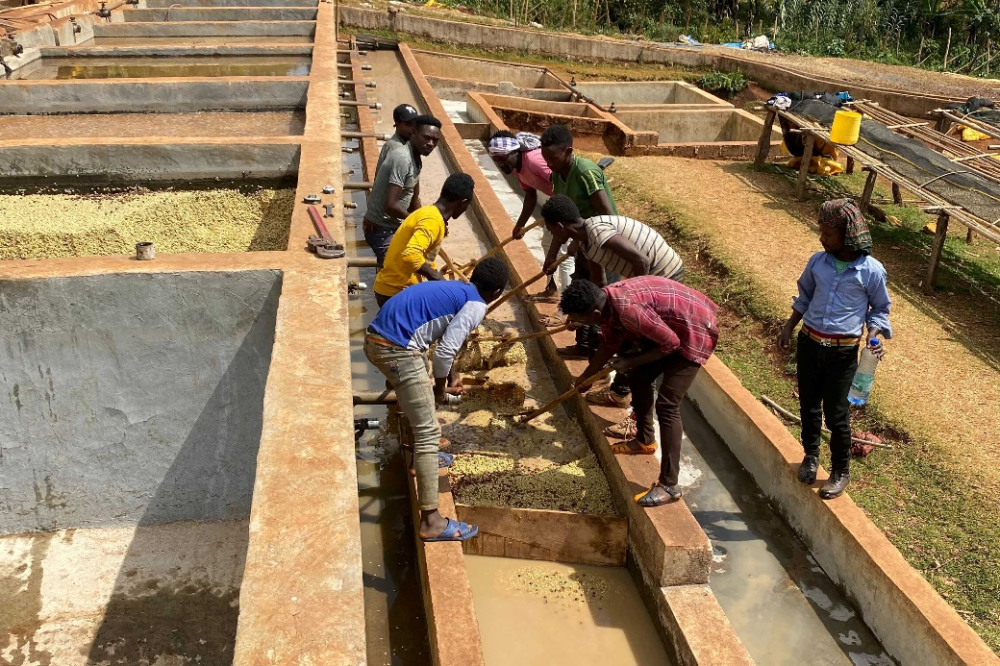
Top Ten Coffees in the World | Which brand of coffee beans tastes best? Which single-origin beans have high reputation and good quality? Which coffee beans can coffee beginners start with?
For more specialty coffee knowledge, please follow: Front Street Coffee (Frontsteet Coffee). At Front Street Coffee (FrontStreet Coffee), the coffee beans produced by the physical stores offer over 50 different coffee beans from various origins, satisfying different tastes. [more…]
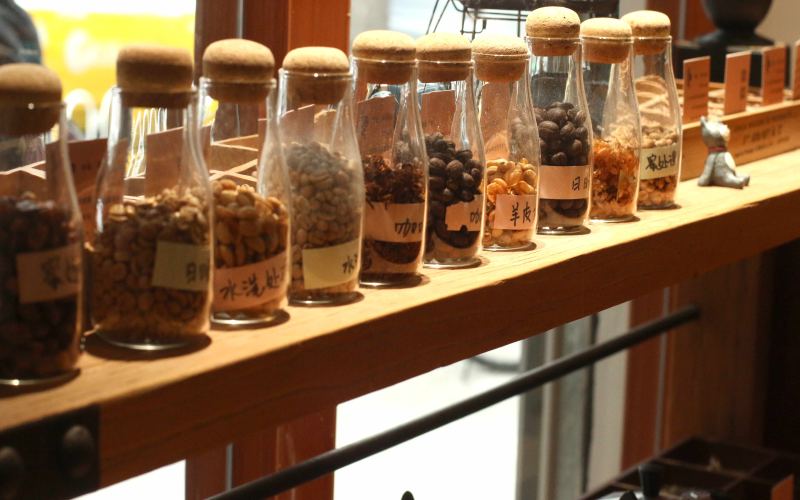
A Comprehensive Review of the World's Top Ten Famous Coffee Regions: Flavor Profiles, Grading Systems, and Representative Bean Varieties
Faced with a dazzling array of coffee beans, which producing regions truly deserve a try? This article systematically lays out the world's ten most representative single-origin coffees—from Colombia Supremo to Panama Geisha—covering each region's flavor characteristics, grading standards, processing methods, and harvest seasons. Whether you're a beginner just getting into specialty coffee or a seasoned drinker looking for your next daily bag, this guide will help you more clearly understand the flavor direction you prefer. The article also includes recommendations for corresponding Front Street Coffee products, making it easy to compare and choose. [more…]

How to Choose Beginner Coffee Beans? A Complete Guide to Five Classic Black Coffee Bean Types and Their Origin Flavors
Friends who are new to coffee are often puzzled: there are so many descriptions on the flavor chart, so why can they only taste "coffee flavor"? Actually, this is very normal—the palate needs time to develop. If you want to get started with single-origin coffee, it's a good idea to begin with regions that have distinctive flavor profiles. This article introduces the basic concepts of black coffee and single-origin coffee, and provides a detailed analysis of five classic introductory beans—Front Street Sumatra Mandheling, Front Street Kenya Little Tomato, Front Street Costa Rica Tarrazu, Front Street Papua New Guinea Bird of Paradise, and Front Street Brazil Red Bourbon. From growing environment and processing methods to flavor characteristics, it takes you through a comprehensive understanding of the coffee styles of different origins, so you can find the cup that suits you. [more…]
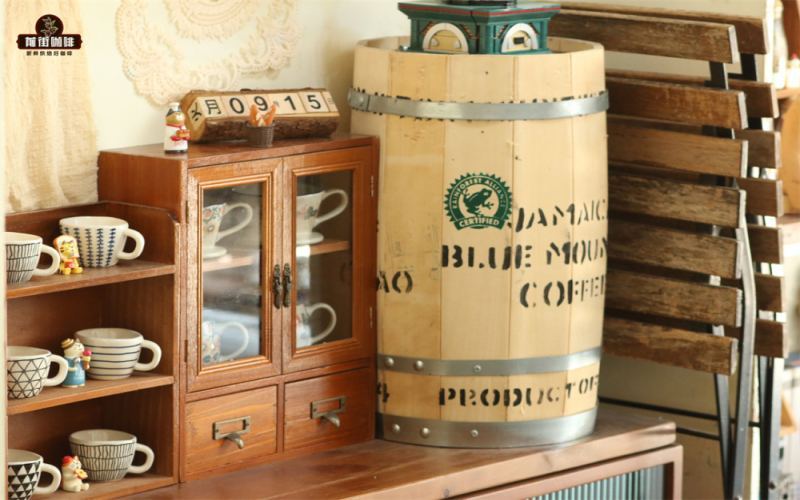
What grade does Arabica coffee belong to? A comprehensive analysis of major global origins and representative brands
Coffee belongs to the Rubiaceae family, with about eighty known species, of which three main categories are used for drinking: Arabica, Robusta, and Liberica. Arabica, with its balanced flavor and aroma, has become the mainstay of single-origin and specialty coffee, accounting for more than seventy percent of global production. From the nutty-chocolate notes of Brazil, to the citrus and dark cocoa of Colombia, and on to Panama Geisha, Jamaica Blue Mountain, and Ethiopia Yirgacheffe, each origin has its own distinctive flavor. Front Street Coffee stores carry coffee beans from more than fifty origins, and this article examines Arabica's grade positioning and the flavors of well-known origins around the world one by one. [more…]
Complete Guide to Arabica Coffee: Origins, Variety Characteristics, and Processing Method Flavor Guide
Coffee belongs to the Rubiaceae family, with over a hundred known species, but commercial cultivation is dominated by three major types: Arabica, Robusta, and Liberica. Among them, Arabica, with its outstanding aroma and flavor, accounts for over seventy percent of global production and is the core raw material for single-origin and specialty coffee. This article will systematically review the varietal characteristics, advantages and disadvantages, and sub-varieties of Arabica, and introduce one by one the cultivated varieties, processing methods, grading standards, and flavor profiles of representative producing countries such as Brazil, Colombia, Panama, Guatemala, Costa Rica, Jamaica, Ethiopia, Kenya, and Indonesia. It will also incorporate Front Street Coffee's sourcing experience and recommendations to help coffee enthusiasts build a complete framework for understanding origins. [more…]
Arabica Coffee Bean Buying Guide: Variety Characteristics, Reasons for Higher Prices, and Analysis of Representative Global Producing Regions
Why has Arabica coffee bean become synonymous with specialty coffee, and why is its price consistently higher than Robusta? Starting from plant taxonomy, this article systematically reviews Arabica's flavor advantages and cultivation limitations, and one by one explains the varietal characteristics, processing methods, and grading standards of representative producing regions around the world such as Brazil, Colombia, Panama, and Ethiopia. The article also combines Front Street Coffee's store selection and recommended bean list to provide coffee enthusiasts with a reference that is both informative and practical. [more…]
A Beginner's Guide to Coffee Varieties: Arabica Coffee's Characteristics, Sub-varieties, and Major Global Producing Regions
In the world of coffee, Arabica and Robusta are the two most frequently mentioned varieties, and the former almost represents the mainstream direction of specialty coffee. This article starts from plant taxonomy to sort out Arabica's varietal characteristics, flavor advantages, and disease-resistance weaknesses, and introduces one by one the planting varieties, processing methods, and grading standards of representative origins such as Brazil, Colombia, Panama, Guatemala, Costa Rica, Jamaica, Ethiopia, Kenya, and Indonesia. At the same time, it combines Front Street Coffee's store selection and recommended bean list to help readers build a complete cognitive framework from variety to origin. [more…]
Why Are Arabica Coffee Bean Prices Staying So High? A Full Analysis of Specialty Bean Flavors and Grading Across Origins
Why are Arabica coffee beans priced higher? This article approaches the topic from plant taxonomy, analyzing the differences among the three major cultivated species—Arabica, Robusta, and Liberica—explaining why Arabica has superior flavor but weak disease resistance and is suited to high-altitude cultivation, and introducing one by one the varieties grown, processing methods, and grading standards of well-known origins such as Brazil, Colombia, Panama, Guatemala, Costa Rica, Jamaica, Ethiopia, Kenya, and Indonesia. At the same time, combined with Front Street Coffee's stores and bean list recommendations, it helps coffee enthusiasts understand the pricing logic of Arabica and how to choose. [more…]
A Comprehensive Analysis of Coffee Bean Varieties: Arabica Variety Classification and Representative Beans from Major Global Origins
Coffee, as a plant of the Rubiaceae family, has over a hundred known species, but only three cultivated varieties are actually used for drinking: Arabica, Robusta, and Liberica. Among them, Arabica occupies about seventy percent of global production with its exceptional flavor and aroma, making it the top choice for single-origin and specialty coffee. From Ethiopia's native Typica and Bourbon to the Geisha that has swept the market today, Arabica subspecies are rich and diverse, each with its own characteristics. At the same time, origins such as Brazil, Colombia, Panama, Guatemala, Costa Rica, Jamaica, Ethiopia, Kenya, and Indonesia, by virtue of their unique terroir and processing methods, shape distinctly different coffee flavors. Front Street Coffee offers more than 50 different regional coffee beans in its stores, meeting diverse taste needs. This article will systematically sort out coffee variety classification, the advantages and disadvantages of Arabica, and representative global origins, taking you to gain a deeper understanding of the rich landscape of the coffee world. [more…]
Arabica Coffee Bean Buying Guide: Major Origin Brand Recommendations and the Deep Reasons Why Prices Are Higher Than Robusta
Why are Arabica coffee beans generally more expensive than Robusta? Which Arabica origins around the world are worth paying attention to? Starting from plant taxonomy, this article systematically sorts out Arabica's flavor advantages and cultivation shortcomings, and introduces one by one the variety characteristics, processing methods, and grading standards of core producing regions such as Brazil, Colombia, Panama, Guatemala, Costa Rica, Jamaica, Ethiopia, Kenya, and Indonesia. At the same time, drawing on the store selection experience of Front Street Coffee, it provides coffee lovers with a complete cognitive framework from producing region to cup, helping you find the one that suits your taste among a dazzling array of bean lists. [more…]