







What do the top coffee regions like Panama Geisha offer?
Single-origin coffees from ten representative regions show distinct flavor profiles, grading standards, processing methods, and harvest seasons. Colombia Supremo is graded by screen size, with beans at S17 (6.75mm) or above, and its profile brings rich acidity, medium-to-full body, and notes of cedar, hazelnut, caramel, and citrus.
Colombia also has two harvests each year, October to January and April to June, usually washed. Other origins such as Panama Geisha and Kona coffee add their own character, and comparing regions by processing, season, and grade helps drinkers identify the flavor direction they prefer before buying a bag.
Faced with an overwhelming array of coffee beans, which producing regions truly offer the most worthwhile options? This article systematically reviews ten of the world's most representative single-origin coffees—from Colombia Supremo to Panama Geisha—covering the flavor characteristics, grading standards, processing methods, and harvest seasons of each region. Whether you are a newcomer just getting into specialty coffee or a seasoned connoisseur looking for your next bag of daily beans, this guide will help you more clearly understand the flavor direction you prefer. The article also includes recommendations for corresponding Front Street Coffee products for easy comparison and purchasing.
For more specialty coffee knowledge, please follow: Front Street Coffee (Frontsteet Coffee)
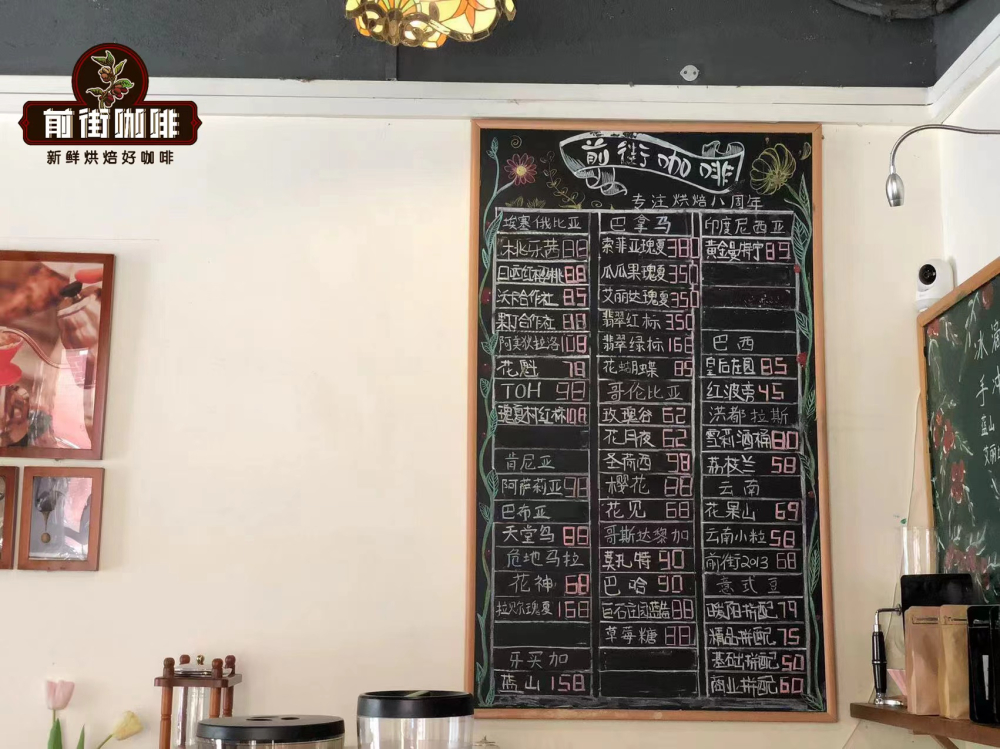
The coffee beans currently available at Front Street Coffee (FrontStreet Coffee) physical stores cover more than 50 different producing regions, capable of responding to all kinds of taste preferences. Among these listed products, which beans are most worth getting? Is there an internationally recognized top ten coffee producing regions? The following content will reveal them one by one.
Understanding these ten high-quality single-origin coffees, even without tasting them one by one, can bring you one step closer to coffee. The rise of the specialty coffee wave has not only brought attention to origin individuality but also made cultivation methods and processing techniques a focus of enthusiasts.
Colombia Supremo Coffee
Colombian coffee has extremely high flavor recognition—what many people have in mind as "the taste coffee should have" is actually the typical impression of Colombian coffee. The country's coffee beans are plump, and grading is based on screen size—only beans reaching S17 (6.75mm) or above qualify as Supremo, representing the highest quality grade. Colombia has two harvest seasons each year, from October to January of the following year and from April to June, with washed processing being the primary method.
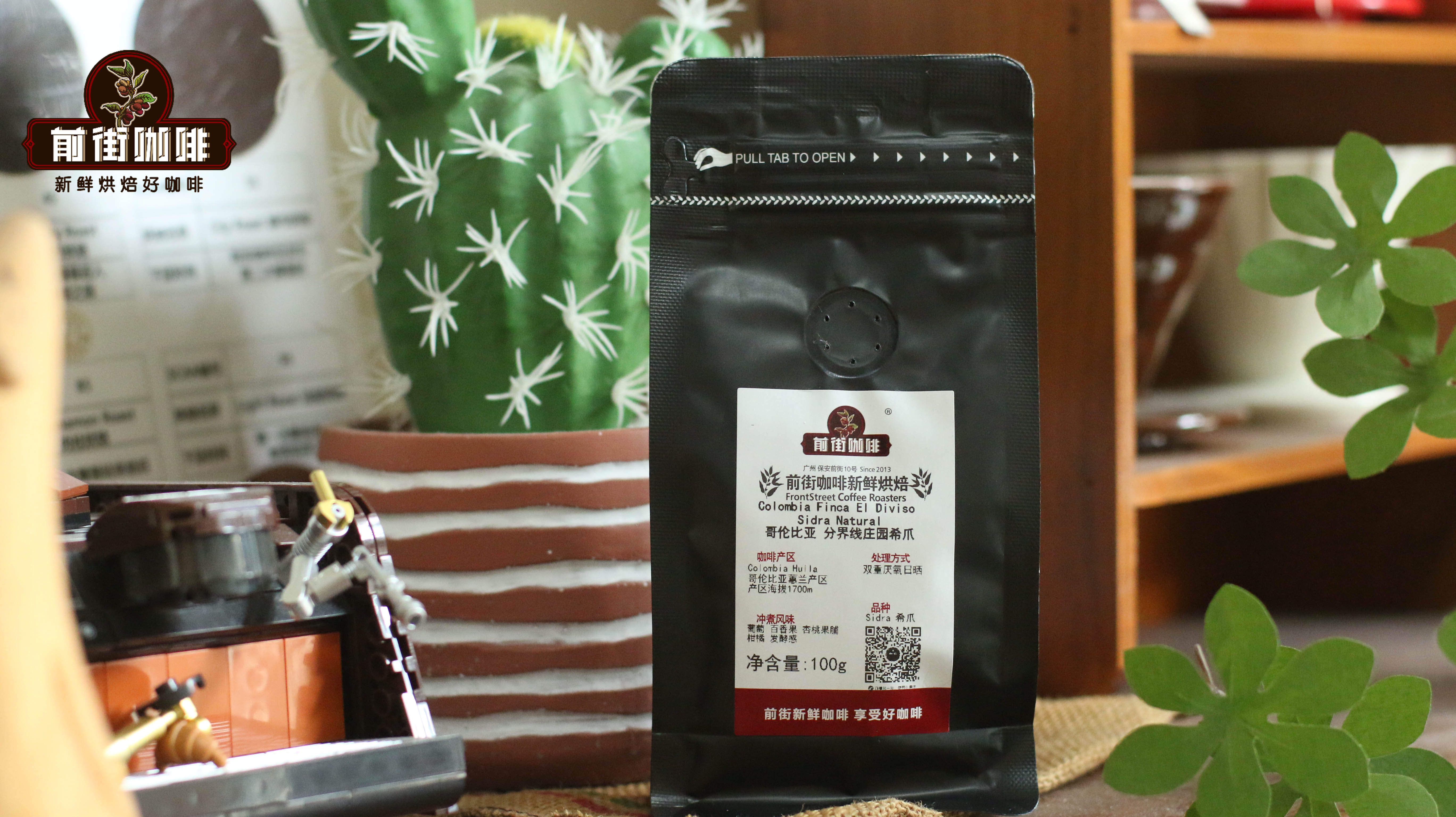
Colombian coffee has rich acidity and considerable body, often carrying woody notes of dried Himalayan cedar and hazelnut-like aromas. The sweetness is prominent, the mouthfeel ranges from medium to full, and the flavor is intense. Fruit, nut, chocolate, caramel-like sweetness, and citric acidity are also quite common. To experience Colombia Supremo, we recommend Front Street Colombia Huila and Front Street Colombia Cidra.
Costa Rica Tarrazu Coffee
Costa Rican coffee's reputation continues to rise, and for good reason. These beans grow at high altitudes, and their flavors develop quite completely. The country grades by origin altitude, from high to low: Strictly Hard Bean (SHB), Good Hard Bean (GHB), and Hard Bean (HB). The harvest period is concentrated from November to March of the following year.
Costa Rica is known for its honey processing, which means removing the pulp while retaining the mucilage and processing together. Costa Rica's honey processing method is renowned in the industry, and Front Street Coffee (FrontStreet Coffee)'s Musician Series coffee beans are precisely processed using the honey method.
Honey-processed coffee typically displays strong sweetness, reminiscent of brown sugar. The coffee itself is sweet and fragrant, accompanied by tropical fruit and citrus flavors. Lively, bright acidity adds layers to this complex cup. The flavor journey ends with a sweet and lingering finish. If you haven't tried it yet, consider choosing Front Street Costa Rica Strawberry Candy or Front Street Mozart.
Guatemala Huehuetenango Coffee
This region is located in the high-altitude zone of northwestern Guatemala, with fertile volcanic ash soil, and follows traditional methods to produce coffee with a distinctive flavor profile. It has rich body, fruity acidity, and chocolate-like aromatics.
Yemen Mocha Coffee
Mocha was originally the name of a historical coffee bean export port. Coffee cherries produced by small estates in Yemen's Haraz, Khayma, and Matta highlands are handed over to the Yemen Coffee Processing Company, which uses new Italian sorting equipment and follows a unified production and processing flow. The quality is excellent and consistent, and it is regarded as the top grade among Mochas.
Yemen Mocha has no off-flavors, a transparent flavor profile, and a deep, intense taste—rich and layered like wine, with bitterness and acidity perfectly balanced, allowing you to taste fruity notes.
Yemen was once the center of the coffee world. In recent years, due to the ongoing civil war, coffee production has declined sharply. Insufficient Yemeni coffee supply has led to rising prices on the consumer end. Nevertheless, market demand still exists. However, nowadays when many people mention Mocha coffee, what first comes to mind is actually a commercial drink with chocolate added!
Indonesia Sumatra Mandheling Coffee
Indonesia is composed of numerous islands, each providing unique conditions for coffee cultivation. Sumatra, Sulawesi, Java, and Bali all produce high-quality coffee. SUMATRA MANDHELING comes from the Indonesian jungle and is 100% Arabica coffee beans. This premium coffee uses 100% specialty-grade Arabica beans, with a rich, smooth, and full-bodied taste. Currently, Sumatra Typica is mainly distributed in the Lake Toba and Lintong areas, and Front Street Mandheling comes from these two regions.
Mandheling is almost synonymous with Indonesian coffee, mainly grown in the Aceh region of Sumatra. Arabica varieties from Sumatra are commonly collectively referred to as Mandheling, and it is also well recognized in the specialty coffee world.
The harvest period for Indonesian coffee is divided into two segments: April to September and November to March of the following year. Although sun-drying is the primary processing method, some coffee beans still use the washed method—for example, the well-known Mandheling and Golden Mandheling both use the wet-hulling method.
Coffee beans are graded based on screen size and the number of defective beans. By bean size, they are divided into Large and Small. Additionally, based on the number of defective beans, they are divided into 5 grades, from high to low: Grade 1 to Grade 5.
Kenya AA Coffee
100% pure Kenyan AA coffee beans have a rich body, pleasant acidity, fragrant aroma, and a long finish, with berry and citrus flavors. Medium roasting allows the true flavor characteristics to emerge, delivering an extraordinary taste. The "AA" grade refers to the largest coffee beans and is considered one of the best Arabica coffees in the world.
Kenyan coffee grading is mainly based on bean size, shape, and hardness, from high to low divided into AA or AA+, AB, PB, C, E, TT, T, among which AA is the highest rating for Kenyan coffee beans. Front Street Little Tomato is precisely the highest AA grade.
Front Street Coffee (FrontStreet Coffee) Little Tomato comes from Kenya Asali in the Thika region of Kenya. Its flavor profile shows ripe tomato and floral notes, with cherry tomato and smoked plum acidity, bright acidity, a clean mouthfeel, medium body, prominent sweetness, and a juicy quality.
Jamaica Blue Mountain
Although Jamaica is not a major coffee-producing country, the Blue Mountain coffee beans grown here are world-renowned and are often mentioned in discussions about the best coffee in the world. Blue Mountain coffee on the market is expensive, but the authentic Blue Mountain No. 1 coffee beans listed at Front Street are relatively affordable and carry Rainforest Alliance certification. This coffee has a smooth mouthfeel with rich chocolate flavor and caramel aroma. If you are a coffee enthusiast, you should try authentic Blue Mountain coffee at least once.
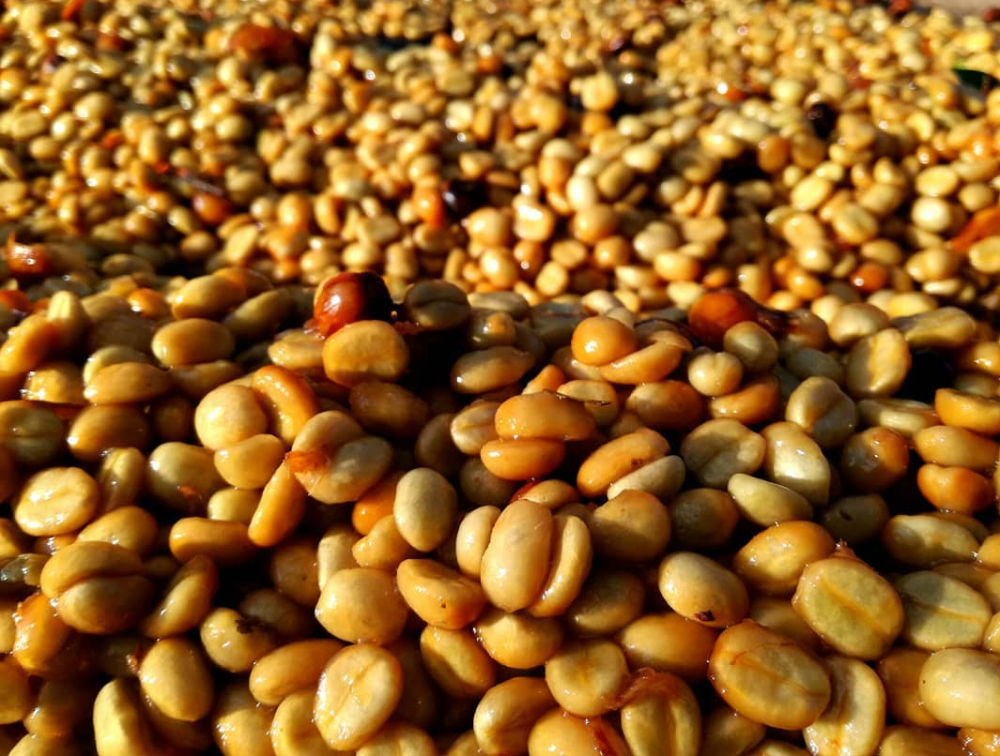
The Jamaica Coffee Industry Board (CIB for short) stipulates that only Blue Mountain coffee beans grown above 2,200 feet in Jamaica's Blue Mountain region can bear the name Jamaica Blue Mountain. Its grades are divided by bean size into NO.1, NO.2, NO.3, and hand-selected PB, among which the basic standards for NO.1 Blue Mountain green beans are 17 screen or above, a defect rate below 3%, and a moisture content of around 13%.
Ethiopia Yirgacheffe Coffee
100% Ethiopian Yirgacheffe coffee—grown on the slopes of the Yirgacheffe valley in Ethiopia's famous Sidamo coffee producing region. The cupping flavor is a creamy, smooth mouthfeel with distinct lime notes and other complex citrus tones, as well as floral and chocolate sweetness. When Front Street Coffee (FrontStreet Coffee) mentions the flavor of Yirgacheffe coffee beans, many friends will immediately think of its floral and lemony acidity.
Yirgacheffe is famous for its fruity acidity. Floral notes and fruity acidity are its signature labels, with very easily recognizable citrus and lemon acidity. Whether you are a longtime coffee connoisseur or a newcomer, Yirgacheffe is probably the best choice for everyone entering the world of specialty coffee. We recommend Front Street Fruit Ding Ding and Front Street Red Cherry.
Yirgacheffe grading is based on different green bean processing methods and can be divided into two major categories: Category A is the washed processing method, with grade standards set by the Specialty Coffee Association of America (SCAA), divided into Gr-1 and Gr-2. The smaller the Arabic numeral, the higher the grade. G1 Yirgacheffe has a distinctive style with rich citrus and floral notes.
Category B is sun-dried green coffee beans, with grades divided into Gr-1, Gr-3, Gr-4, and Gr-5. Likewise, the highest grade G1 sun-dried Yirgacheffe has rich fruity aromas.
Hawaii Kona Coffee
There is a saying that Blue Mountain is the king of coffee and KONA is the queen of coffee. When it comes to Hawaii's local specialties, KONA coffee is absolutely at the top of the list. Nowadays, even in the Chinese market, there is an abundance of all kinds of "KONA coffee." Upon closer examination, the vast majority of 10% Kona coffee sold on the market cannot be considered authentic Kona coffee.
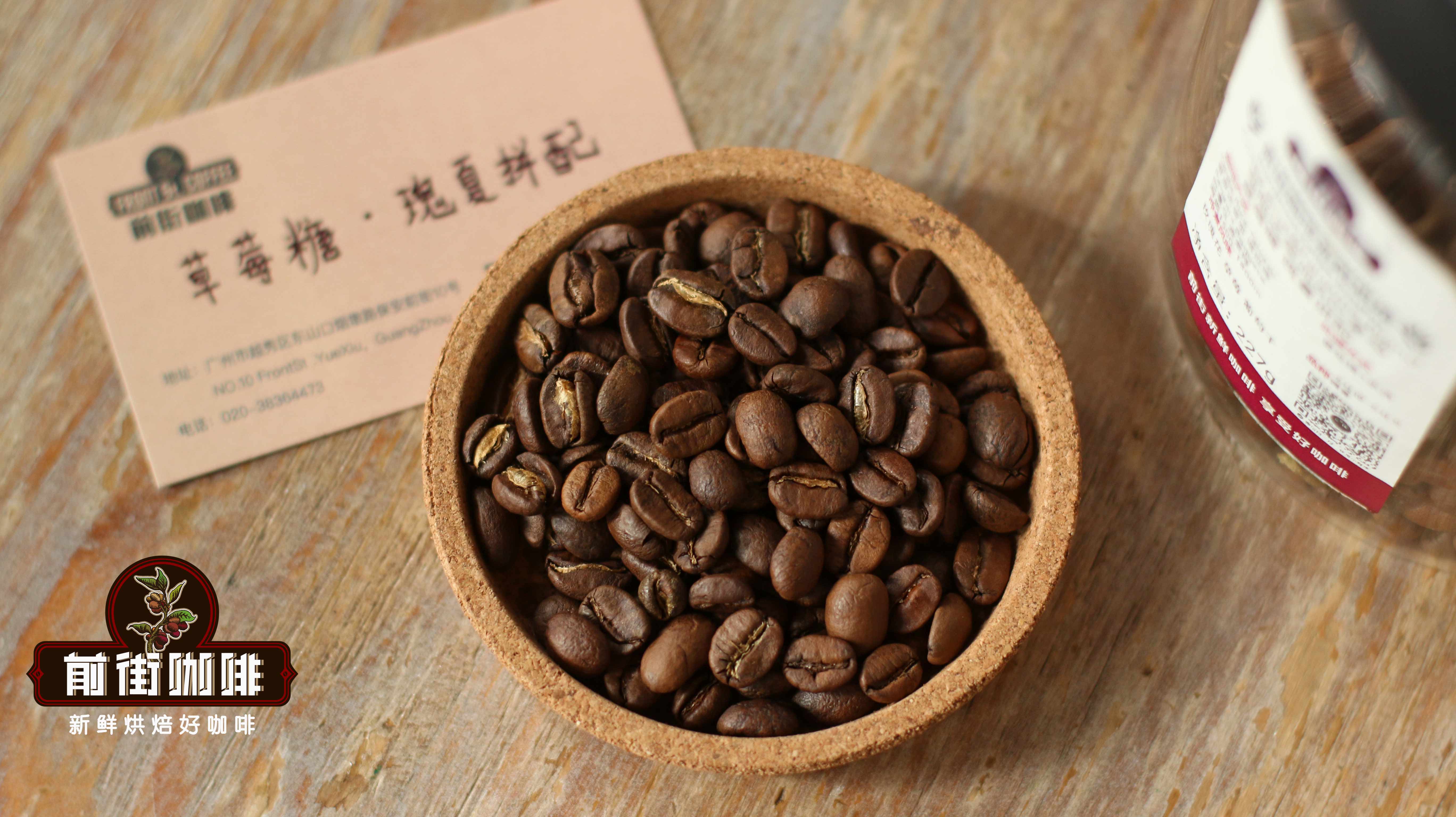
Due to the island terrain and volcanic soil, Hawaiian coffee has a very special mouthfeel—not too intense, with moderate acidity and mellow richness, carrying a pleasant wine-like aroma and acidity. KONA coffee is divided into four grades: the highest Extra Fancy, Fancy, Prime, and Gr. No.1.
Panama Geisha
When it comes to Geisha coffee, Front Street Coffee (FrontStreet Coffee) believes that the Geisha coffee beans produced by Hacienda La Esmeralda best represent the flavor profile of Panama Geisha. Hacienda La Esmeralda is famous in the specialty coffee world, founded in 1964 and with over fifty years of history.
Rising to the top with just one "Geisha" (Geisha) variety—this is the most lasting impression Panama coffee has left in most people's minds. In May 2007, at the "Roasters Cup Tasting Competition" held by the Specialty Coffee Association of America, Panama Geisha won the honor of "World's Best Coffee" and was auctioned at a high price of $130 per pound, setting a new world record. Geisha, thriving on the world stage, has rich citrus aromas, jasmine and other lush floral notes, and bright, varied fruity acidity. Although Panama's production is not large, the coffee world has long had a saying that "one bean of Panama equals three beans of others," showing its high quality.
Hacienda La Esmeralda divides its coffee into two parts by variety—Geisha and Catuai. The Geisha part has three grade lots: Esmeralda Special and Private Collection, commonly known as Red Label and Green Label. Both grades carry rich floral and fruity flavors, as if drinking a cup of flower-and-fruit tea, leaving one lingering with delight.
The above content is compiled by CoffeeHunters, a coffee news website.


