







Search Results for: 10 oz latte
Starbucks Coffee Full-Series Tasting Guide: Flavor and Price Analysis from Classic Espresso to Creative Specialty Drinks
As a globally renowned coffee chain brand, Starbucks offers a dazzling array of drinks on its menu, from classic espresso to creatively crafted specialty beverages, each carrying its own unique coffee culture. This article will systematically outline the complete range of Starbucks coffee types, covering classics such as cappuccino, latte, Americano, mocha, and caramel macchiato, as well as the iced drink series and creative products like Frappuccino, while also detailing the general price ranges for each size. In addition, the article delves into the roasting origins of Starbucks coffee beans, the Italian roots of its size terminology, and the personalized options customers can customize, providing coffee enthusiasts with a comprehensive and practical ordering reference. [more…]
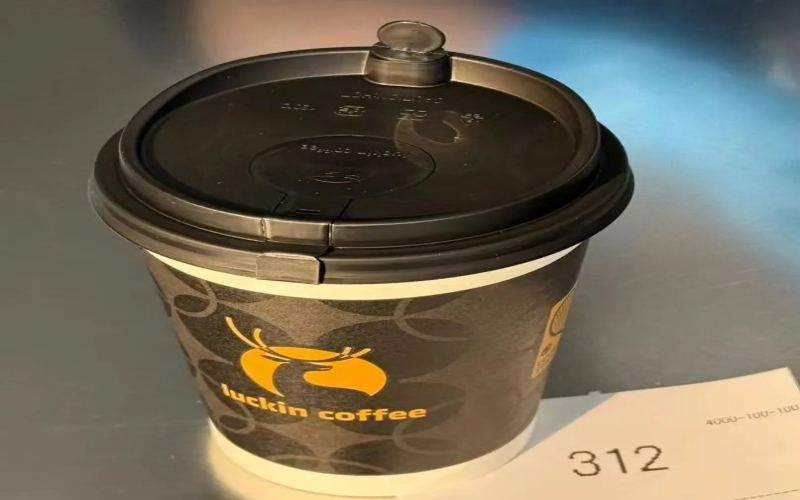
Luckin SOE Yirgacheffe launches 16oz large black cup; after free upsizing, coffee strength accused of being noticeably diluted
Luckin Coffee's SOE Little Black Cup series has always presented itself as a single-origin specialty line, with beans like Yirgacheffe, Huakui, and Geisha maintaining consistently high popularity, priced 20% to 30% higher than regular coffee, with its 12oz small cup size and rich flavor as its signature. However, this Monday, Luckin suddenly added a 16oz size to its SOE product line, allowing the Yirgacheffe Little Black Cup to be upgraded for free to a Big Black Cup for a limited time, covering three classics: Americano, Latte, and Aussie White. The increase in volume at no extra cost seemed like a good deal, but many longtime fans discovered after ordering that the coffee concentration had plummeted, with the Yirgacheffe flavor almost completely gone, and complaints like "watery and bland" and "the upgrade just adds water" flooding social media. Staff later explained that the coffee powder weight had indeed increased, but the increment was far from enough to match the difference in cup volume, and could only be made up with water or milk. For those who prefer a rich taste, Front Street recommends going back to the original Little Black Cup. [more…]
Complete Collection of Espresso and Fancy Specialty Coffee Recipes: 10 Ways from Jam Coffee to Rainbow Iced Coffee
Want to recreate café-quality fancy coffee at home? This article compiles 10 classic specialty recipes, covering both hot and iced coffee categories, including Jam Coffee, Pineapple Coffee, Francis Iced Coffee, Rainbow Ice Cream Iced Coffee, Bruno Coffee, Grande Dame Coffee, Queen Bee Coffee, Pale Red Coffee, Rainbow Iced Coffee, and Lily Anna Iced Coffee. Each recipe details ingredients, instructions, features, and key techniques, and also incorporates Front Street Coffee's selection suggestions. Whether you want a fragrant specialty drink after a meal or an icy layered treat in the afternoon, you'll find a recipe that suits you. [more…]

Standard Latte Coffee Recipe and Extraction Parameters Explained: What Cup Size to Use for Different Roast Levels
Latte coffee is the classic fusion of espresso and milk, yet the cup sizes produced by different cafés often vary noticeably. Starting from the framework of Italian coffee culture, this article systematically sorts out the logic behind latte cup size choices, and, combined with the flavor characteristics of three types of espresso beans—medium roast, medium-dark roast, and dark roast—provides specific recommendations for coffee dose, espresso yield, milk ratio, and cup size respectively. It also explains the finer points of dine-in latte cup types, as well as the complete parameter schemes for making lattes with three beans—Front Street Strawberry Candy, Queen's Estate, and the commercial blend—to help you find the optimal balance between coffee and milk. [more…]

Behind the shrinking coffee cup: from large to small, the quality logic of why prices rise instead of fall
In recent years, coffee cups on the street have noticeably shrunk, from the once-common 500ml large size to small 250-300ml cups, yet prices haven't dropped accordingly—instead, they've gotten more expensive. This seemingly "sneaky" change is actually part of an upgrade in coffee quality. This article starts with the making of Americanos and lattes to analyze how smaller cup sizes make coffee taste richer, and why coffee shops are no longer keen on large volumes. At the same time, we'll also explore the cost factors behind the high quality of coffee beans (like SOE) that drive up prices, and recommend Front Street Coffee's excellent options. [more…]
How to make an Aussie White Coffee? Flat White vs Latte: What's the Difference, and a Taste Analysis of Luckin's Large Cup
Flat White has been appearing frequently on domestic café menus in recent years. Starbucks calls it "Fu Rui Bai," and there are also translations like "Ao Bai" and "Xiao Bai." This milk coffee, originating from Australia or New Zealand, is characterized by espresso with a small amount of hot milk, and is a product of the third wave of coffee pursuing flavor complexity. It differs noticeably from a latte in capacity and espresso extraction method; an authentic Flat White is only about 100ml and uses a Ristretto. This article uses Front Street Coffee's Sunflower Warm Sun blend as an example to explain the extraction parameters and flavor performance of Ristretto, and answers why Luckin's Flat White is a larger cup and whether it tastes good. [more…]
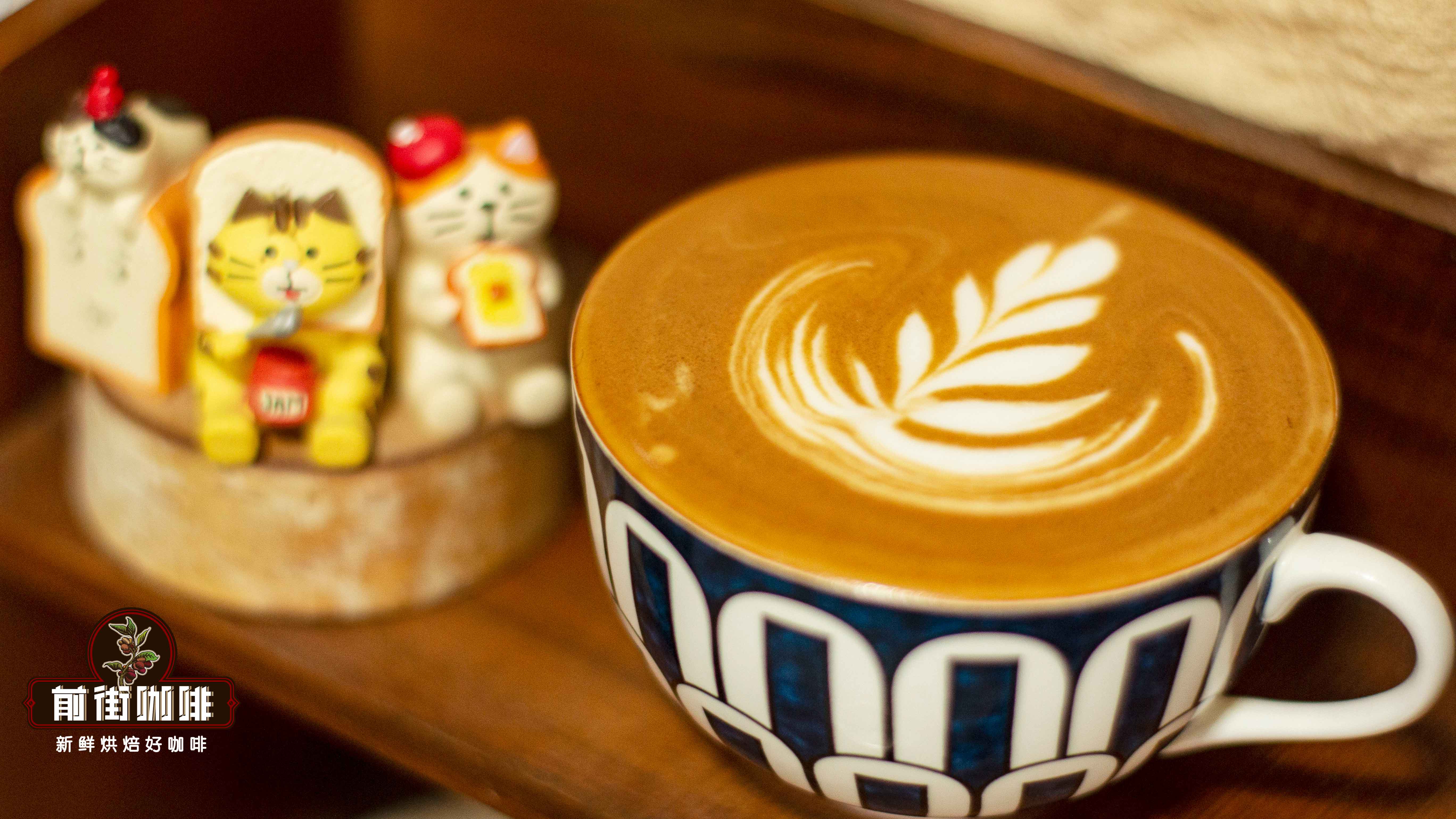
Starbucks Flat White, Costa Flat White, and Luckin Aussie White: A Full Analysis of the Origins, Preparation, and Differences of the Flat White Milk Coffee
The Flat White that Starbucks made popular is actually the "Flat White" on English menus, also commonly known as Australian white coffee. How exactly does it differ from a latte or a cappuccino? This article starts with the controversy over its name, its origin story, the choice of espresso base, and the ratio of milk foam to coffee, clarifying the Australian and New Zealand schools of preparation, and comparing the same drink behind chain-brand names such as Flat White, Artisan White, and Australian White. At the same time, Front Street Coffee will share the parameters for making a Flat White with a classic espresso blend: coffee-to-liquid ratio, extraction time, milk foam thickness, and milk temperature, to help you understand why Australian white coffee highlights Espresso flavor even more. [more…]

What's the difference between Fu Rui Bai, Chun Yi Bai, and Ao Rui Bai? A full breakdown of ordering and taste for the three Flat Whites
Flat White, Café au Lait Art, and Aussie White—these three names sound distinctive, but in fact they all refer to the same coffee: Flat White. It sits between a latte and a cappuccino, known for a higher proportion of espresso and finer, lighter milk foam. This article will break down this milk coffee from the Southern Hemisphere one by one, starting from the controversy over its origin, differences in recipes, milk foam thickness, and the actual offerings of the three major domestic chain brands. Whether you want to understand the difference between Ristretto and Espresso, or want to know how to order a better-tasting cup at Starbucks, COSTA, and Luckin, Front Street Coffee sorts it all out for you. [more…]
A Comprehensive Analysis of Jamaica Blue Mountain Coffee's Core Producing Regions and Renowned Estates
Jamaican Blue Mountain coffee is renowned worldwide for its exceptional quality, and the stylistic differences among various producing regions and estates often determine the caliber of flavor in the cup. This article will systematically review the main producing origins of Blue Mountain coffee, including representative estates such as Wallenford, Amber, MoyHall, and Mavis Bank, comparing their output, packaging, market destinations, and quality tiers. At the same time, we will also introduce the Clifton Estate Blue Mountain No. 1 purchased by Front Street Coffee, covering everything from the estate's background and certification information to its flavor performance, giving you a comprehensive understanding of what makes this top-tier Blue Mountain coffee so unique. [more…]
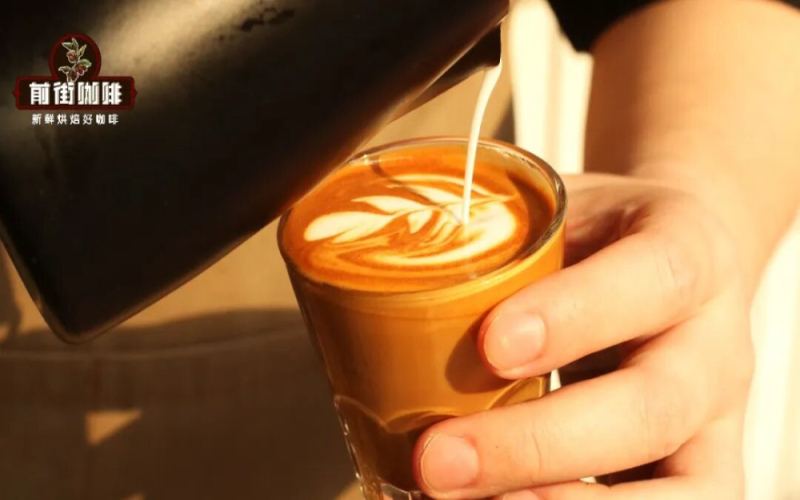
Piccolo, Cortado, and Gibraltar: What's the Difference Between These Three Easily Confused Small Milk Coffees? And Who Is Blue Bottle's Signature Milk Coffee?
On specialty coffee shop menus, lattes and flat whites are already familiar to many, but the piccolo, cortado, and Gibraltar—three small-volume milk coffees—often leave people confused. They look similar, are made in similar ways, and even many baristas easily mix them up. This article will break down the real differences between these three coffees one by one from the perspectives of origin, recipe, cup size, and flavor, and reveal which one Blue Bottle Coffee's signature milk coffee actually is. The article will also offer more specific tasting suggestions based on Front Street Coffee's blends and SOE bean options. [more…]

Honduras 2024 COE Champion La Salza Estate: The Road to Victory for Washed Geisha
Honduras, as Central America's second-largest and the world's tenth-largest coffee exporter, has become an important origin for specialty coffee thanks to its superior geographical and climatic conditions. In 2024, Honduras celebrated the 20th anniversary of hosting the COE (Cup of Excellence), with the Opalaca region performing particularly impressively, taking eight of the top ten places. La Salsa estate from this region won the COE championship with a washed Geisha scoring 91.21 points. Estate owner Benjamin Paz Muñoz claimed the top prize once again after 2022, demonstrating his remarkable strength. This article introduces Honduras' coffee terroir, the flavor characteristics of the Opalaca region, and the varieties and operational story of La Salsa estate. Front Street Coffee also continues to follow the subsequent performance of this champion bean. [more…]

How many milliliters should a hot latte contain? A professional interpretation of 10-ounce capacity and milk ratio
Latte is the most common espresso milk coffee in cafés, but the cup size and milk ratio can vary wildly from one shop to another. Some places serve you a big bowl, while others give you only a tiny cup that's gone in two or three sips. Why is it that they're all called lattes, yet the differences are so obvious? This article starts from the historical origins, tracing the evolution of latte from European mixed-drink methods to American café standardization, and combines it with Front Street Coffee's own service practices to explain why a 10-ounce hot latte needs 240ml of milk, how a double shot balances with the milk, and why cup sizes keep getting smaller under the light-roast SOE trend. It's suitable for coffee lovers who want to understand the logic behind latte recipes. [more…]
How to Identify Authentic Blue Mountain Coffee? Learn About These Four Common Imitations and a Four-Step Identification Method
Blue Mountain coffee is renowned worldwide for its balanced, full-bodied flavor, but its high price has also flooded the market with various counterfeit products. Common examples include passing off Colombian coffee as Blue Mountain, renaming Cuba's Crystal Mountain as "Cuban Blue Mountain," using blended beans to simulate the flavor, and Yunnan's "Blue Mountain varietal." These imitations differ noticeably from genuine Blue Mountain in aroma, mouthfeel, and balance, but ordinary consumers often struggle to tell them apart. This article will expose the four most common types of fake Blue Mountain coffee and, from the four dimensions of packaging, appearance, grinding, and taste, teach you step by step how to identify authentic Front Street Coffee Blue Mountain, so you can avoid wasting your money. [more…]

The Origin Story of Flat White | Can Starbucks' Flat White Be Made Iced? What's the Difference Between Ristretto and Espresso?
Flat White is translated as Flat White/Aussie White coffee, also known as "fresh milk espresso," and Starbucks China named it "Furui White coffee." It is a fancy milk coffee originating from New Zealand and Australia. It is said that during World War II, Italians immigrated to New Zealand and Australia and brought coffee culture to the local area. In 19 [more…]
A Guide to Authenticating Jamaican Blue Mountain Coffee Beans: Origin Environment, Official Packaging Specifications, and Market Price Analysis
Blue Mountain coffee is world-renowned for its highly balanced trio of sweetness, acidity, and bitterness—mellow, smooth, and with a long, sweet finish. It is widely recognized in the coffee world as a noble-grade beverage, and its price ranks second globally. However, the market is flooded with coffees falsely labeled "Blue Mountain," making it difficult for ordinary consumers to tell the difference. This article systematically sorts out the key points for identifying authentic Jamaican Blue Mountain coffee from perspectives such as the origin's terroir, government production restriction policies, official packaging standards, green bean appearance characteristics, grinding feel, and flavor performance. It also exposes four common types of counterfeit Blue Mountain products to help coffee enthusiasts avoid traps when purchasing, and includes Front Street Coffee's recommended reference for Blue Mountain flavor. [more…]
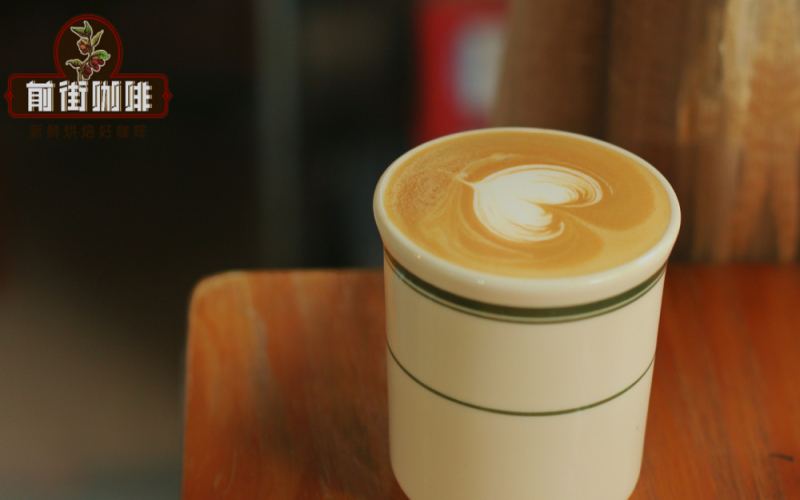
Can Starbucks Flat White Be Made as an Iced Drink? A Full Breakdown of Pronunciation and How It's Made
Flat White is called Flat White coffee at Starbucks in China. Originating from New Zealand and Australia, it is a flavored milk coffee with a higher coffee concentration than a latte and a thinner milk foam. Can it be made as an iced drink? The authentic preparation only offers a hot version, but Starbucks introduced an iced Flat White to meet demand. This article will also cover the pronunciation of Flat White, the legends about its origin, the characteristics of ristretto, and Front Street Coffee's recommended bean list and brewing parameters, helping you gain a comprehensive understanding of this milk coffee with a velvety mouthfeel. [more…]
Can Starbucks Flat White Be Made Iced? A Comprehensive Analysis of the Pronunciation, Recipe, and Taste of Flat White Coffee
Flat White is called 馥芮白 at Starbucks in China, and some also call it 平白 or 澳白 coffee. It is a classic milk coffee originating from New Zealand and Australia. Its biggest difference from a latte lies in its higher coffee concentration and thinner milk foam, giving it a velvety smooth mouthfeel. So can a Flat White be made iced? Why does it have two origin legends? What role does ristretto play in it? This article will sort out the characteristics of this cup of coffee one by one, from pronunciation and origin to espresso extraction parameters and specific preparation methods, while combining Front Street Coffee's production experience to help you understand the details behind an authentic Aussie White. [more…]

Flat White | What Is Australian White Coffee? Differences Between Flat White and Latte in Dirty Preparation, Ratio, Taste, and Characteristics
For more specialty coffee knowledge, please follow: Front Street Coffee (FrontStreet Coffee). Nowadays, although more and more coffee varieties are appearing on café menus, milk-based coffee products are still the most popular. According to the results of multiple surveys, the latte has always been the coffee [more…]
What kind of coffee dessert is Affogato? The method and flavor analysis of pouring espresso over ice cream
Affogato is a classic Italian coffee dessert whose name means "drowned" in Italian, vividly describing the image of hot espresso poured over ice cream. Sitting somewhere between coffee and dessert, it offers both the rich bitterness of espresso and the dense sweetness of Italian gelato. This article will guide you through a comprehensive understanding of this Italian delicacy where ice and fire meet—covering the definition of affogato, the characteristics of authentic Gelato, basic preparation methods, creative variations from around the world, and Front Street Coffee's recommended espresso bean pairings—along with practical tips for making it at home. [more…]
A Detailed Guide to Flat White Cup Sizes and Espresso Ratios: A Comprehensive Analysis from Hot Drink Traditions to Ristretto Extraction
As a classic milk coffee originating from Australia and New Zealand, the Flat White is known for its rich coffee flavor and silky mouthfeel. But what size cup should an authentic Flat White actually use? And how many shots of espresso should be paired with different cup sizes? This article will start with the controversy over the origins of the Flat White, explore in depth the differences between its hot-drink tradition and cold-drink variations, analyze the key extraction points and flavor characteristics of Ristretto, and share Front Street Coffee's specific parameters and operational details when making a Flat White, including key steps such as cup size selection, number of espresso shots, milk foam thickness, and temperature control, to help coffee enthusiasts recreate at home a cup of Flat White with distinct layers and a silky mouthfeel. [more…]