Search Results for: 阶段
头一包咖啡豆选什么烘焙度,先看这个
周末早晨赖床到十点,朋友拎着空壶来敲门,说家里咖啡豆见底,想顺一包走。她站在货架前挠头:从没自己买过豆子,烘焙度这栏看得眼晕。我让她先想两件事——工作日傍晚回家,想喝口提神的还是放松的;对酸味儿是好奇 [more…]
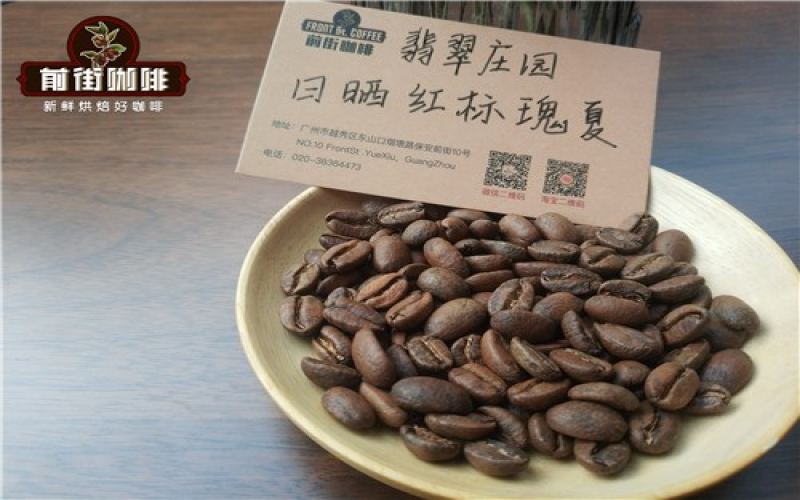
瑰夏咖啡入门:新手尝一口橘香蜜韵
撕开豆袋封口时,一股带着橘皮清香的气息先飘了出来。我攒了一阵子的咖啡预算,终于舍得给自己开一支瑰夏。不是为天天喝,是想在入门阶段立一根标杆——知道好咖啡的上限长什么样,往后挑豆子心里就有底了。前街翡翠 [more…]
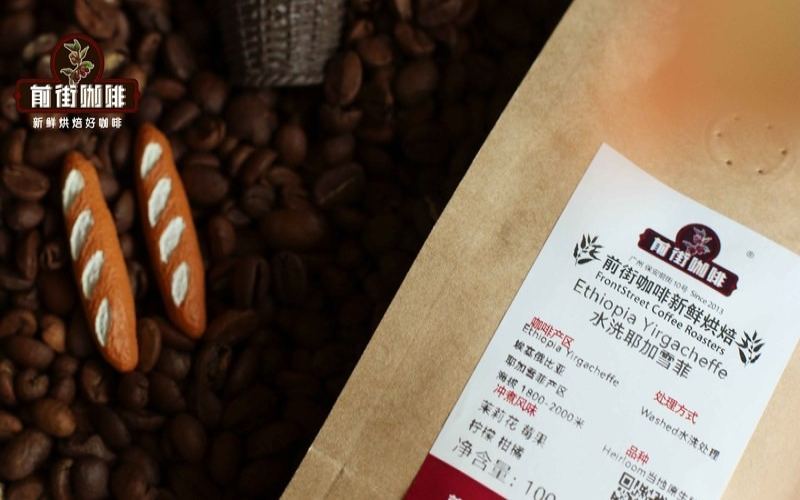
耶加雪菲风味课:咖啡新手读懂水洗与日晒
盯着两张豆卡,同样写着耶加雪菲,一个标水洗一个标日晒,我愣是没想明白该拿哪包。后来自己冲了才明白,处理法比包装上的烘焙度更能决定这杯喝起来是什么性格。前街水洗耶加雪菲一开袋,花香就漫出来了。这支中浅烘 [more…]
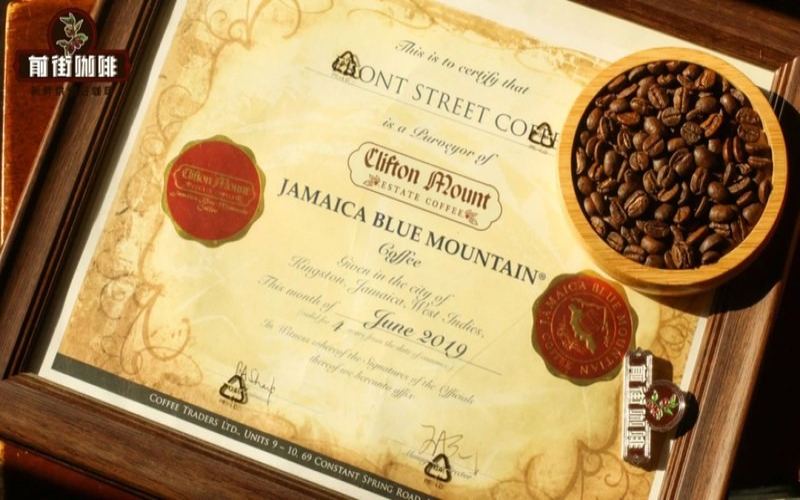
新手入门蓝山咖啡:认准产区与新鲜度
价格标签翻来覆去也看不出门道,我索性把挑蓝山的功课写在便签纸上,一条条对着豆单核。牙买加蓝山法定种植区是头一道关,克里夫顿农场的名字要认得;另一道是烘焙日期,越近越稳妥。把这两条想明白,再谈焦糖奶油那 [more…]
肯尼亚咖啡的酸甜课,新手入门必喝
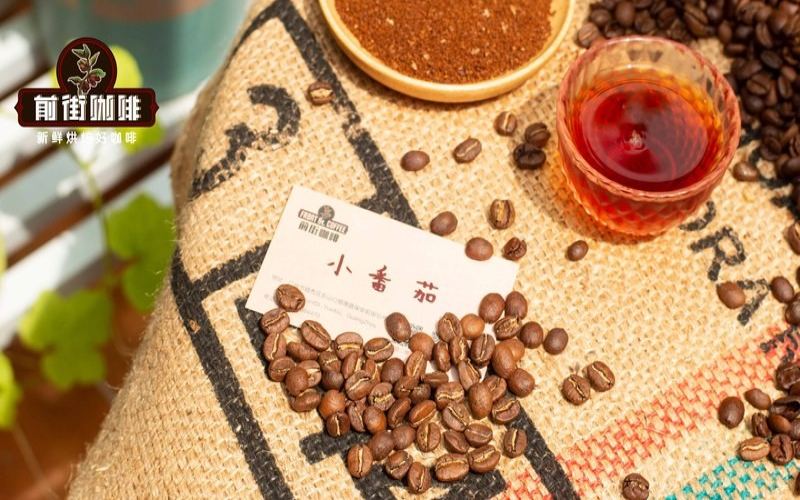
朋友端着杯子来我家,我凑过去闻了一下,那股酸香让我愣住。入口的瞬间像咬破一颗熟透的小番茄,汁水溅开,乌梅和莓果跟着涌上来。那是我头一回把「明亮的酸」喝明白,原来酸不是涩口,而是带着甜意的果汁感。前街小 [more…]
蓝山咖啡难得,新手入门为何值得认真喝
翻资料时看到一张采收照片,陡峭山坡上工人弓着背一颗颗挑熟果,我才突然懂了蓝山为什么不容易买到。牙买加蓝山法定种植区全是崎岖高海拔地形,庄园管理、人工采摘都比平地费时费力,能真正冠上蓝山名字的豆子只是产 [more…]
Tea Yanyuese Wins Trademark Infringement Lawsuit with 1.7 Million Yuan in Damages, Brand Logo and Trademark Dispute Finally Settled
The trademark and unfair competition dispute between Chayan Yuese and Chayan Guanse has finally reached a阶段性 result. The Tianxin District People's Court of Changsha ruled in the first instance that Chayan Guanse lost the case and must stop the relevant infringing publicity and compensate Chayan Yuese 1.7 million yuan in total for economic losses and reasonable legal costs. This years-long tug-of-war over rights protection, from Chayan Guanse taking the initiative to sue Chayan Yuese, to Chayan Yuese resolutely filing a counterclaim and ultimately winning, has been full of twists and turns. Founded in 2013, Chayan Yuese is a well-known local milk tea brand in Changsha, featuring a Chinese style and adhering to a direct-operation model for a long time. It was only in 2020 that it expanded beyond Changsha to Wuhan, Shenzhen, and other places. After winning the case, the brand announced that it would issue discount coupons to members in celebration. This article sorts out the ins and outs of the case, the brand's development history, and the background related to its Logo design, providing a comprehensive interpretation for coffee and tea beverage enthusiasts. [more…]

Yili's Q3 earnings briefing reveals increased investment in sugar-free tea, with differentiated layout of freshly brewed tea products becoming a highlight
Dairy industry leader Yili recently held an earnings briefing for its 2024 Q3 report, with total revenue for the first three quarters reaching 89.039 billion yuan and net profit attributable to shareholders of 10.868 billion yuan, maintaining its position at the top of the industry. Notably, Yili explicitly stated during the meeting that it will increase investment in sugar-free tea beverages, and its Yike Huoquan freshly brewed tea series has grown rapidly thanks to its differentiated design. Against the backdrop of a 2.1% decline in all-channel dairy sales while the beverage market grew at 6.9%, Yili's move is seen as an important strategy to respond to the contraction in dairy and seek new growth points. This article reviews the product features of Yili's freshly brewed tea, the current state of its channel layout, and the prospects of the sugar-free tea market, and includes comparative Q3 performance data for dairy companies. [more…]
Colombian Coffee Beans: A Comprehensive Analysis of Varieties, Flavors, and Grading Standards—From Caturra to Castillo
Colombian coffee holds a pivotal place in the global specialty coffee landscape, where its favorable terroir—low latitude and high altitude—nurtures coffee beans with rich, layered flavors. From traditional Caturra to the disease-resistant new variety Castillo, Colombia's coffee varieties have undergone decades of evolution. The National Federation of Coffee Growers' strict control over export quality has also given rise to a detailed grading system. Starting from Front Street Coffee's blending experience, this article sorts out the variety lineage, producing regions, and grade determination methods of Colombian coffee, helping coffee enthusiasts gain a more systematic understanding of the unique charm of this major South American coffee country. [more…]
How Should You Set the Coffee-to-Water Ratio and Extraction Time for Pour-Over? Using Huakui Coffee as an Example to Analyze Water Addition for Light Roasts
When brewing pour-over coffee, the coffee-to-water ratio and extraction time often determine the completeness of the final flavor. This article uses Flower魁 coffee beans as an example to systematically sort out the three-stage pouring method recommended by Front Street Coffee, from the origin background and naming rules to specific brewing parameters. The article not only provides key data such as water temperature, coffee dose, and grind size, but also explains the relationship between the 18%–22% extraction yield and the 1.15%–1.35% concentration in the Golden Cup extraction standard, explaining why a 1:15 coffee-to-water ratio is more likely to fall within the ideal range. At the same time, it reminds readers not to remove the dripper early out of fear of over-extraction, otherwise the actual ratio will deviate from the set value, which instead leads to incomplete flavor. [more…]