







Search Results for: yellow lemon

After Luckin Lemon Tea Returned with a Wrong Recipe: Half a Yellow Lemon Added to the Wrong Drink Sparked Dissatisfaction Among Both Staff and Customers
After Luckin's lemon tea series was relaunched, the recipe was adjusted to freshly brewed jasmine tea paired with a new batch of lemon juice, plus lemon pulp and half a yellow lemon. However, this half yellow lemon was supposed to appear only in the light-caffeine lemon tea, but due to an employee's operational error, it was mistakenly added to the grape lemon tea, sparking a wave of complaints and criticism. Customers received a pale purple drink that should never have contained yellow lemon, while employees were miserable because the recipe was cumbersome and prone to errors during peak hours. This article will sort through the operational pressure behind this recipe revision, the changes in consumer experience, and the shared call from both employees and customers regarding whether the yellow lemon should stay or go. [more…]
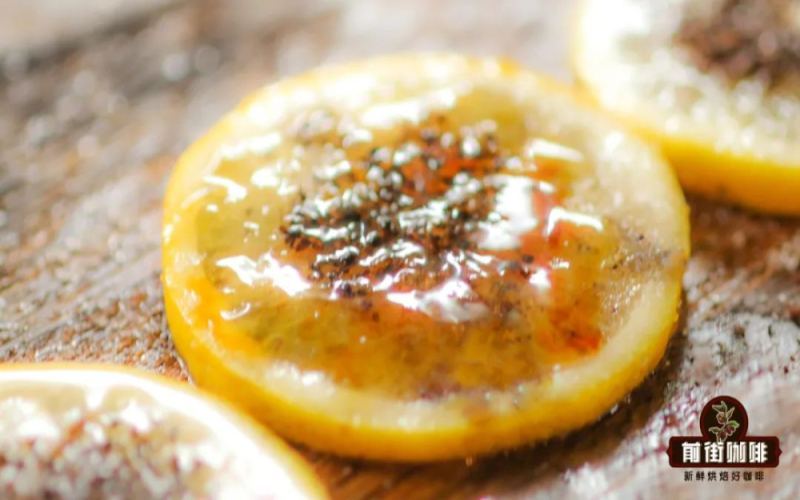
Lemon slices tutorial: From the history of Sicilian lemon cultivation to Mafia origins and coffee dessert pairings
Lemon slices with coffee powder is a minimalist coffee dessert made with just lemon slices, coffee powder, and granulated sugar. It became popular thanks to the Taiwanese variety show "Kangxi Lai Le," and rumor has it that it is connected to the Italian Mafia. Behind this dessert lies a piece of lemon-growing history from Sicily: in the 19th century, citrus fruits soared in value because they were rich in vitamin C. After Sicily switched to growing lemons, bandits were drawn to them, farmers hired the Mafia to guard the orchards, and lemon slices with coffee powder became a refreshing dessert for the night watchmen. In addition to sorting out this origin story, this article will also have Front Street Coffee share key preparation points, including removing lemon seeds, choosing dark-roast beans, the choice between yellow sugar and white granulated sugar, and an advanced way to eat it with a torch-caramelized finish. [more…]

Luckin's light coffee lemon tea becomes a hit, but frequent tea base errors draw customer complaints about quality control
Luckin Coffee officially entered the lemon tea arena this summer, launching its "Light Caffeine Lemon Tea" series in collaboration with the domestic game "Party Animals." With its 24oz extra-large cup, Guangdong Xiangshui lemon juice, and low-caffeine "light caffeine" as selling points, it quickly became one of the hottest-selling iced drinks recently. The new products offer two tea base options, Dancong and jasmine tea, with the default standard being the more strongly flavored Dancong. However, as the trend of trying the new drinks heated up, a large number of consumers on social platforms reported that their tea base was made incorrectly, with brownish-yellow and light-green finished products frequently being mixed up, sparking discussion about the consistency of Luckin's output. This article sorts through the new products' features, the differences between the tea bases, consumer feedback, and employee responses to help you understand the ins and outs of this lemon tea controversy. [more…]
Front Street Coffee Brazil Daterra Estate Sun-Dried Yellow Bourbon: An Analysis of Cerrado Region Flavor, Processing Method, and Grinding & Roasting Characteristics
Front Street Brazil Daterra Estate Sun-Dried Yellow Bourbon is a premium single-origin coffee that breaks the stereotype people have of Brazilian beans. Unlike the monotonous flavor of ordinary Brazilian coffee, this Yellow Bourbon displays bright acidity, fresh lemon and fruity notes, accompanied by the classic nutty tone of Brazilian beans. It is smooth on the palate, with a faint fragrance of fresh grass, and the finish is the gentle cashew-like sweetness unique to Yellow Bourbon. As a well-known Brazilian estate, Daterra Estate's products are often chosen by WBC competitors as espresso blend beans. This article will provide a detailed analysis of this bean's varietal background, producing region characteristics, sun-dried processing method, roasting suggestions, and flavor and mouthfeel, helping you fully understand the unique charm of Front Street Sun-Dried Yellow Bourbon. [more…]

What to Do If Espresso Is Too Bitter to Drink Straight? A Complete Guide to Fancy Ways to Enjoy It with Sugar, Milk, Lemon, and More
Espresso is extremely concentrated with intense flavor, but not everyone can accept its strong bitterness when drunk straight. Without changing the concentration of the espresso, adding sugar, dairy products, lemon, salt and other seasonings to balance the bitterness allows people to enjoy the richness of highly concentrated coffee while avoiding the unpleasant bitterness. This article summarizes a variety of fancy ways to drink espresso: the sweet neutralization of white sugar, yellow sugar, and brown sugar; the cream topping of Con Panna; the small amount of milk garnish of Macchiato; the condensed milk pairing of Spanish candy coffee; the balance of lemon acidity and granulated sugar in Roman espresso; and the little trick of adding salt to reduce bitterness. All espresso in this article is extracted using Front Street Classic Blend, with parameters of 20g, 30s, 40ml, and flavor notes of chocolate, nuts, cream, and cookies. [more…]

Analysis of Brazil Queen Estate Yellow Bourbon Coffee Beans Flavor Profile and Pour-Over Roasting Parameters Guide
Brazil, as the world's largest coffee producer, is known for its low acidity, full body, and nutty-chocolate notes. Among the many Brazilian estates, Queen Estate in the Mogiana region stands out with its Yellow Bourbon variety and meticulous natural processing, having won multiple accolades in COE competitions. This Yellow Bourbon from Queen Estate, selected by Front Street Coffee, combines the rounded character of Brazilian coffee with lively lemon aromas, performing in a balanced way in both roasting and brewing. This article will guide you through Queen Estate's background, the characteristics of the Yellow Bourbon variety, and its natural processing method, while sharing Front Street Coffee's roasting approach and pour-over recommendations to help you fully unlock the flavor potential of these beans. [more…]

Luckin's lemon tea series suddenly removed from shelves, set to relaunch soon with a major recipe overhaul
As temperatures climb, major coffee and tea chains are rolling out refreshing fruit drinks to seize the market. Yet Luckin's Light Coffee Lemon Tea and Grape Lemon Tea have quietly been pulled from the menu at this very moment, catching many fans off guard. According to internal staff, this across-the-board removal stems from the brand's major overhaul of the recipe: the new version of the lemon tea will add lemon pulp, and the Light Coffee Lemon Tea will also include quick-frozen yellow lemon halves. The new recipe is set to relaunch within the next couple of days, but this adjustment has sparked sharply different reactions among employees and consumers. This article will sort through the sequence of events, the details of the recipe changes, and the genuine feedback from all sides, to give you a clear picture of the ins and outs of this change to Luckin's lemon tea. [more…]

"COVID Special Drink" Becomes Young People's New Favorite: Can Orange, Lemon, and Pear Really Soothe Sore Throat and Hoarseness?
After canned yellow peaches were jokingly called something that should be covered by medical insurance, and electrolyte water sold out, young people have now turned their attention to the "COVID special drinks" from major milk tea brands. When your throat hurts like you're swallowing razor blades and buying medicine is difficult, a cup of orange, lemon, and snow pear tea rich in vitamin C has become a comfort for many. Related products from brands such as Heytea, Nayuki, Shanghai Auntie, and Mixue Bingcheng have surged in popularity, with some stores even selling out. Can these drinks really relieve sore throats and hoarseness? This article walks you through the logic behind the popularity of "COVID special drinks," representative products, and whether they are merely psychological comfort or truly beneficial. Follow Coffee Workshop for more professional coffee knowledge and Front Street Coffee recommendations. [more…]
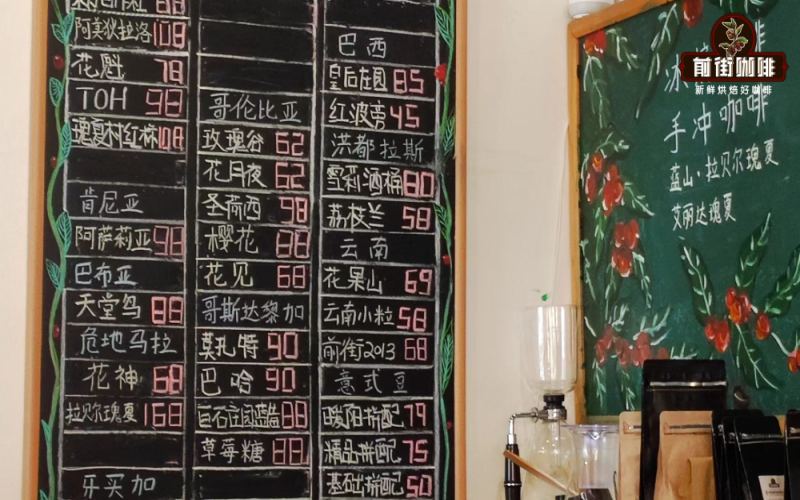
Brazil Yellow Bourbon Coffee Brewing Guide: Rainha Estate Flavor Analysis and Pour-Over Parameter Sharing
Brazil, as the world's largest coffee-producing country, not only produces commodity-grade Arabica and Robusta but also nurtures many specialty estates. In this article, Front Street Coffee will focus on the Yellow Bourbon coffee beans from Queen's Estate in Brazil's Mogiana region, unfolding layer by layer from the estate's terroir, processing methods, to roasting approaches and brewing parameters. Queen's Estate sits among mountains at an altitude of 1,400 to 1,950 meters, specializing in the Yellow Bourbon variety and employing a refined natural process, giving the coffee flavor characteristics of prominent sweetness, a hint of lemon aroma, and a rounded dark chocolate finish. After four batches of roasting tests, Front Street Coffee ultimately settled on a medium-dark roast level, and recommends the Kono dripper paired with a three-stage pour to showcase this bean's expression of both Brazilian character and lively personality. [more…]
Costa Rica Canet Estate Bach Mozart: Raisin Double Fermentation Honey Process Flavor Analysis
Located in the Tarrazú region, Finca Canet showcases the unique charm of a raisin double fermentation honey process through its Bach Mozart coffee beans. These beans use the Yellow Catuai variety, grown at a high altitude of 1,800 to 1,900 meters, with an SHB grade. Yellow Catuai, a hybrid of Mundo Novo and Caturra, was developed in 1949 at the Campinas Agronomic Institute in Brazil, combining disease resistance with a delicate, clean acidity. In processing, the coffee cherries are first dried in the shade until they reach a raisin-like state, then depulped for honey process fermentation, with an extremely high pectin retention rate, claimed to be 100% pectin honey process. The flavor profile is richly layered: the dry aroma features cherry, berries, plum, strawberry, peach, and jasmine; the wet aroma presents delicate floral and fruity sweetness, lemon citrus, and a faint wine-like acidity; on the palate, strawberry, apple, grape, and citrus interweave, accompanied by an unforgettable sweetness of honey and toffee, and a silky, lingering finish like Darjeeling black tea. Front Street Coffee recommends this bean, suitable for coffee lovers seeking complex fermentation flavors. [more…]
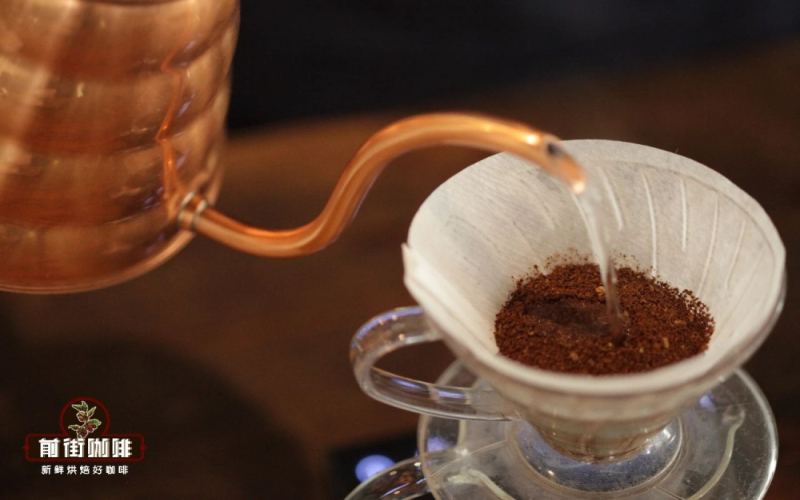
A Detailed Guide to Single-Origin Coffee Classification: A Comprehensive Analysis of Flavor Characteristics Across Major Producing Regions from Africa to the Americas and Differences in Coffee Shop Flavors
Have you ever walked into a specialty coffee shop, faced the dazzling array of single-origin coffees on the menu, and felt at a loss where to begin? Single-origin coffee refers to coffee made from beans sourced from a single origin, and it can be traced back to a specific region or even estate. This article will systematically sort through the representative single-origin coffees from major producing regions such as Africa, Central and South America, and Asia, introduce Front Street Coffee's rigorous process from roasting curve testing to cupping selection, and present the flavor descriptions of coffee beans from each region one by one, helping you find the cup that best suits your taste. [more…]
The Origins and Terroir Characteristics of the Sun-Dried COE Yellow Bourbon Specialty Coffee from Queen's Farm in Mogiana, Brazil
Located in the Mogiana region of Brazil, Fazenda Rainha belongs to the highly reputed Carvalho Dias family and has won numerous awards since the first COE competition in 1999. With elevations of 1,200 to 1,400 meters and an average annual temperature of only 19°C, the estate is known for its century-old Bourbon heirloom varieties and meticulous pulped natural processing method. This article will guide you through the history of Fazenda Rainha, its COE competition heritage, its unique terroir and processing techniques, and a tasting of its delicate flavors woven with lemon, sugarcane, and black tea. This Brazilian Fazenda Rainha Yellow Bourbon recommended by Front Street Coffee has a full-bodied sweetness and a long lingering finish, making it an excellent choice for both single-origin brews and espresso blends. [more…]

Guming Fruit & Vegetable Americano Real-World Review: Kale Meets Espresso, Sparking Debate Over Both Color and Taste
Following its light-body fruit and vegetable bottles and vitamin A fruit and vegetable bottles, Gu Ming has once again incorporated espresso into freshly squeezed fruit and vegetable juice, launching the new Light-Body Fruit and Vegetable Americano, in an attempt to attract more consumer groups with a combination of health and coffee. According to the official description, this product is centered on kale, paired with apples, yellow lemons, pineapples and other ingredients freshly squeezed on the same day, then infused with coffee liquid to add layers. However, after the new product launched, consumers' actual feedback presented a completely different picture: the appearance gradually changed from fresh leafy green to a dark yellow tone, and the taste was described as grassy, medicinal, or even like cold sour vegetable soup. This article compiles the formula information, visual changes, and genuine netizen reviews of this fruit and vegetable Americano for coffee lovers' reference. [more…]
Missionary Bourbon Coffee Beans: Origin Story, Flavor Profile, and Washed Brewing Parameters Guide
The coffee world boasts a vast array of varieties, yet the tree species that truly achieve commercial scale and outstanding quality are actually few. Within the extensive pedigree of Arabica varieties, Bourbon is the oldest surviving member, and "French Mission Bourbon" is a living witness to the history of coffee dissemination—it was introduced by French missionaries from the Gulf of Aden in Yemen to East Africa, taking root in Kenya ever since. This article begins with the classification of coffee trees, outlining the botanical characteristics of the Bourbon species and Kenya's coffee grading system, then focuses on Front Street's Kenya Haniya natural beans, analyzing the terroir background of the West Hanna Estate and the Harris family's nearly a century of cultivation heritage. The article also provides Front Street's recommended V60 brewing parameters and describes the layers of yellow plum, lemon, brown sugar, and chocolate flavors presented by this bean under natural processing, offering a complete reference for coffee enthusiasts who appreciate fruity acidity and fermented wine-like aromas. [more…]
From Sugarcane Fields to Coffee Cups: A Front Street Coffee Pour-Over Guide to Washed Cajamarca from Peru's La Capia Region
This is already the third Peruvian single-origin bean Front Street has featured recently. La Capia is located in the Cajamarca region of Peru; six or seven years ago it was still a sugarcane field. As demand for sugarcane declined, farmers planted their first coffee trees in small experimental plots, and unexpectedly discovered that the high altitude and abundant rainfall created a microclimate ideally suited to coffee growing. Since then, six smallholder farmers have worked together, letting coffee flourish alongside native vegetation—and that is how this Front Street Peruvian washed Cajamarca came to be: 1,550 to 1,900 meters above sea level, a mix of Bourbon, Caturra, and Typica, washed processing, offering citric acidity, a rounded mouthfeel like milk chocolate, and a sweet yellow-sugar finish. At the end of the article are three tested brewing recipes for Chemex, V60, and Kalita Wave, for pour-over enthusiasts to reference and replicate. [more…]
Flavor Analysis and Pour-Over Parameters of Panama Finca El Fuego Honey-Processed Catuai
What flavors does the honey-processed Catuai from Panama's Firestone Estate actually present? This article provides a complete analysis of this bean's characteristics, from its variety background and regional terroir to specific brewing methods. As a hybrid of Caturra and Mundo Novo, Catuai combines high yield with stress resistance, while Firestone Estate's honey processing gives it layers of lemon, orange, cranberry, and green tea. The article also records in detail Front Street Coffee's pour-over parameters: 15g of grounds, medium grind, V60 dripper, 88-89°C water temperature, a 1:15 water-to-coffee ratio, along with the complete operating procedure of staged pouring and a 2-minute extraction time, for coffee enthusiasts to reference and practice. [more…]
Panama Firestone Estate Coffee Flavor Analysis: Catuai Variety Characteristics and Front Street Pour-Over Parameters
Panama, as a specialty coffee-producing country, is renowned for the coffee grown in the Boquete region of Chiriquí Province in its west. The honey-processed Catuai from Finca El Fuego, with its complex flavors of lemon, orange, cranberry, and green tea, along with soft floral notes and a lingering sweet finish, has become a favorite among many coffee lovers. This article will guide you through the origins and characteristics of the Catuai variety, outline Panama's main coffee-producing regions, and share Front Street Coffee's pour-over brewing recipe for this bean, covering grind size, water temperature, and pouring rhythm step by step, helping you recreate a clean and smooth Panamanian flavor at home. [more…]
Front Street Coffee Panama Firestone Estate Honey-Processed Catuai Flavor Analysis and Pour-Over Parameters Explained in Detail
The honey-processed Catuai from Panama's Fuego Estate is one of Front Street's most distinctive single-origin beans. It comes from the Solo Fuego producing region and is medium-roasted. In cupping it shows a complex profile of lemon, orange, cranberry and green tea, with rich fruit acidity, prominent sweetness, an even and smooth body, and a long, lingering finish accompanied by gentle floral notes. Catuai itself is a cross between Caturra and Mundo Novo, with a short stature, resistance to wind and rain, and firm fruit, and is widely planted in Central America. This article will outline the producing region background and variety characteristics of this bean, and provide Front Street's specific pour-over parameters, including coffee dose, grind size, water temperature, pouring rhythm and extraction time, for coffee lovers to reference and replicate. [more…]
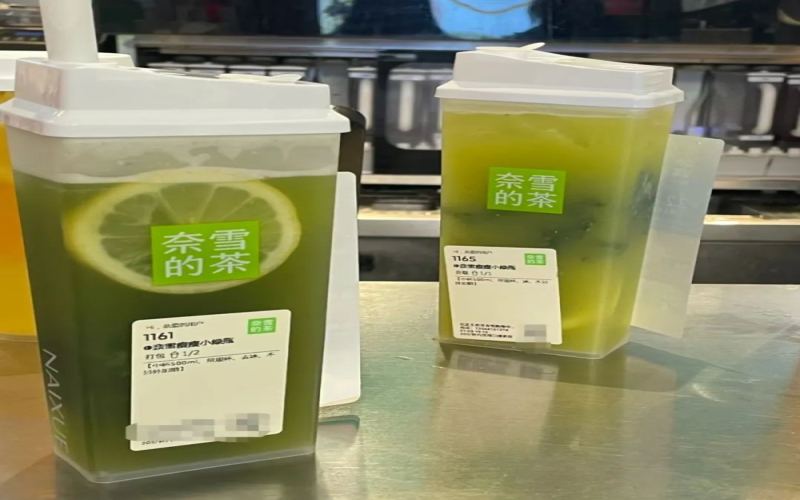
Nayuki's Little Green Bottle criticized as tasting like vegetable-leaf bathwater; the company responds: it's truly freshly squeezed, and the color change is due to oxidation.
The first product in Naixue's newly launched "Daily 500 Fruit & Veggie Bottle" series, "Slim Little Green Bottle," focuses on the daily 500g fruit and vegetable ratio recommended by the Chinese Nutrition Society, and claims to have no added sugar and to be freshly squeezed to order. After hitting the market, however, quite a few consumers reported that it tasted noticeably sweet, with some even describing it as "syrup-like," and others posted photos showing the drink looking yellowish, questioning whether it was really freshly squeezed. Naixue employees responded on social media that the sweetness comes from fruits such as apples, pears, and sweet oranges that naturally contain sugar, while the yellow-green color is a normal phenomenon after apples oxidize, and stressed that all ingredients are processed the same day and kept refrigerated for a limited time. The controversy also sparked playful online discussion about the kale leaves at the bottom of the cup. [more…]
A Complete Guide to Brazilian Coffee Origins: Flavor Characteristics, Varieties, and Processing Methods of Cerrado and Queen Estate
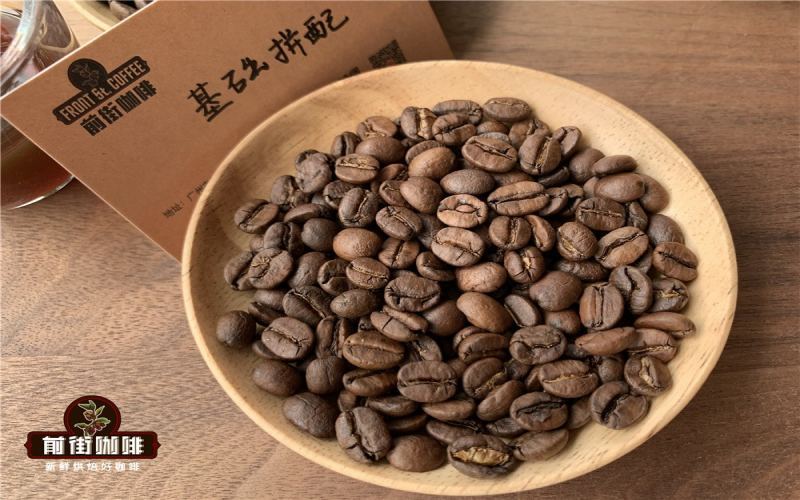
As the world's largest producer of Arabica coffee, Brazil's coffee, with its mild and smooth characteristics, low acidity, and moderate body, has become an indispensable foundational component in coffee blends. From Sul de Minas to the Cerrado, from Bourbon to Catuaí, Brazilian coffee varieties and processing methods each have their own distinctions. This article systematically examines the geographical conditions, major producing regions, variety characteristics, and processing methods of Brazilian coffee, with a focus on introducing the flavor profiles and brewing recommendations of two representative Brazilian beans selected by Front Street Coffee—the Cerrado and Queen's Farm—guiding you through a comprehensive understanding of the unique charm of this "coffee kingdom." [Image 1] As the cornerstone of coffee blends, Brazilian coffee beans, while lacking stunning highlights, also reveal no obvious shortcomings. They have a warm and gentle mouthfeel, low acidity, moderate body, and a hint of subtle sweetness. Completely different from the intense lemon-citrus acidity of Yirgacheffe, and unlike the heavy, bold intensity of Indonesian Mandheling, Brazilian coffee's acidity and bitterness are both relatively restrained, giving it a broad market in the blending field. Front Street's three blends: the Italian moka pot coffee beans recommended by many baristas—Front Street Dark Cocoa Blend, Specialty Blend, and Commercial Blend—all use Brazilian coffee beans as their base. [more…]