







Brazil Yellow Bourbon: Flavor and Pour-Over Guide
Yellow Bourbon is an Arabica variety known for its sweet, balanced cup. In Brazil, it often shows notes of caramel, almond, and ripe fruit, with low acidity and a smooth body. The Rainha Estate in the Mogiana region grows Yellow Bourbon at high elevation, which helps the cherries mature slowly and develop concentrated sugars. This makes the coffee versatile for both espresso and filter brewing.
For pour-over, start with a medium grind and a ratio of one to fifteen. Water temperature around ninety-two to ninety-four degrees Celsius works well. Begin with a bloom pour of about twice the coffee weight, wait thirty seconds, then pour in slow circles. Total brew time should land near two and a half to three minutes. Adjust grind size if the cup tastes too sharp or too flat, and note how the flavor shifts as the coffee cools.
Brazil, as the world's largest coffee producer, not only supplies commodity-grade Arabica and Robusta but also nurtures quite a few specialty estates. In this article, Front Street Coffee will focus on the Queen Estate Yellow Bourbon coffee beans from Brazil's Mogiana region, unfolding layer by layer from terroir and processing method to roasting approach and brewing parameters. Queen Estate sits among mountains at an altitude of 1,400 to 1,950 meters, specializes in the Yellow Bourbon variety, and adopts a refined natural process, giving the coffee flavor characteristics of prominent sweetness, a faint lemon aroma, and a rounded dark chocolate finish. After four batches of roasting tests, Front Street Coffee ultimately settled on a medium-dark roast and recommends a Kono dripper with a three-pour method to showcase this bean's expression of both Brazilian character and lively individuality.
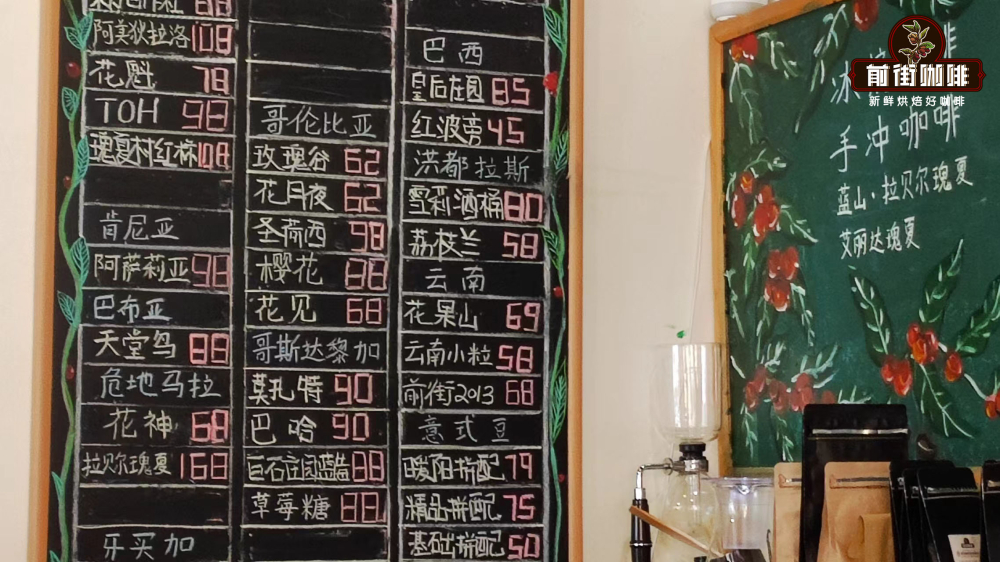
Brazil is the country with the highest coffee production in the world, and on this land you can find almost every type of coffee bean. There is commodity-grade Arabica as well as Robusta, and specialty coffee is by no means absent either. Brazil was also the first member country of the COE (Cup of Excellence). Precisely because of this, Brazil's coffee diversity far exceeds what many people imagine.
Front Street will first talk about Brazil's mainstream cultivation methods. Brazil has a vast territory and a relatively sparse population, with a terrain dominated by plateaus and flat land, which is very suitable for large-scale contiguous planting. Coupled with the widespread use of mechanized harvesting, its output has long ranked first in the world and has a decisive influence on international Arabica futures prices. However, the average altitude of the Brazilian Plateau is only about 500 to 800 meters. Although the ancient Arabica variety Bourbon is widely planted, the relatively low altitude limits further improvement of Bourbon's flavor, which usually shows rich notes of nuts, chocolate, peanuts, and the like.
Of course, Brazil also has some independently run small estates. They care more about coffee's flavor performance and therefore insist on manual harvesting, and their scale is generally not large. Front Street's Queen Estate Yellow Bourbon coffee beans are a typical example.
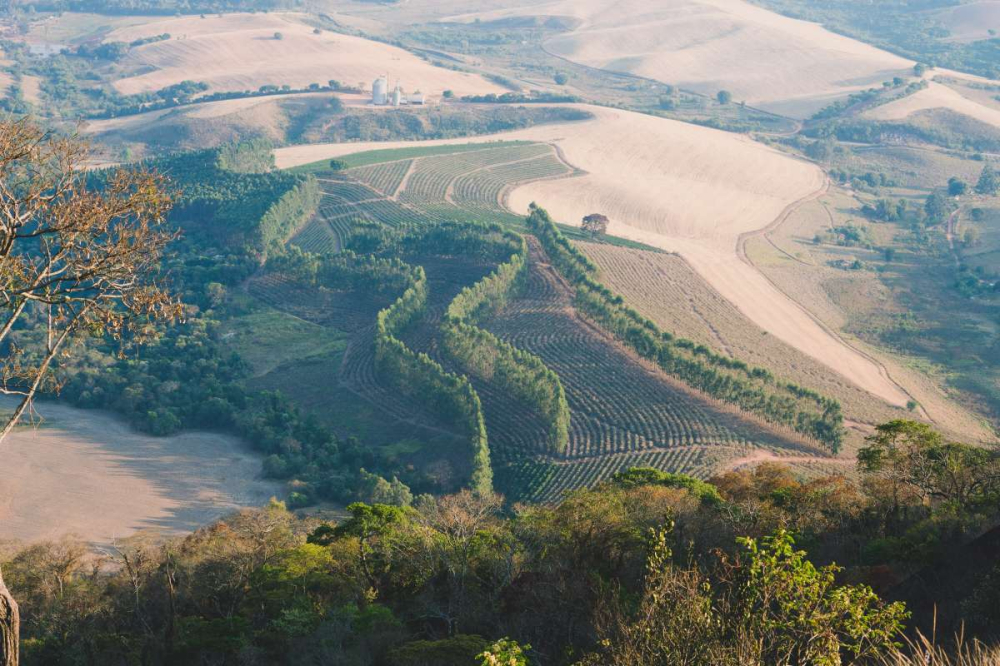
Queen Estate is located in the Mogiana region, a small producing area within the state of São Paulo. Mogiana's altitude is relatively high, averaging around 1,300 meters, and it is a concentration area for Brazil's specialty coffee estates. Among them, Queen Estate stands out especially. Since the first Brazilian Cup of Excellence (COE) competition was held in 1999, this estate has won numerous awards, once taking twelve awards within seven years.
Queen Estate is built atop a mountain range, with coffee planted at a minimum altitude of 1,400 meters and a maximum of up to 1,950 meters. In addition to growing Bourbon, the estate also cultivates a rare variety—Yellow Bourbon. Yellow Bourbon is a mutation of Bourbon coffee. Ordinary Bourbon fruit turns red when ripe, while Yellow Bourbon fruit turns yellow when ripe.
Through comparison, Yellow Bourbon is superior to ordinary Bourbon in both juiceiness and sweetness. Queen Estate covers 280 mu, of which 200 mu are entirely planted with Yellow Bourbon, making it truly a specialist in Yellow Bourbon cultivation.
The estate owner also specially designed a refined natural processing plan for Yellow Bourbon. In Brazil, coffee is usually processed by the semi-washed method, because the climate during the harvest season is not stable enough, sunshine hours are short, and mechanical harvesting tends to bring in overripe and underripe fruits together. During natural processing, overripe fruits ferment and rot, bringing undesirable flavors to the coffee. But natural processing can also give the coffee better sweetness and mouthfeel.
Therefore, the estate owner insists on manual hand-picking. After picking, the fruits are first poured into a water tank for floating and sinking screening to remove underripe fruits. In the natural drying stage, African raised-bed drying is used, raising the coffee beans high to facilitate ventilation underneath and prevent rot. The coffee fruits are turned once every 6 hours, with the aim of making drying more even while also picking out substandard beans.
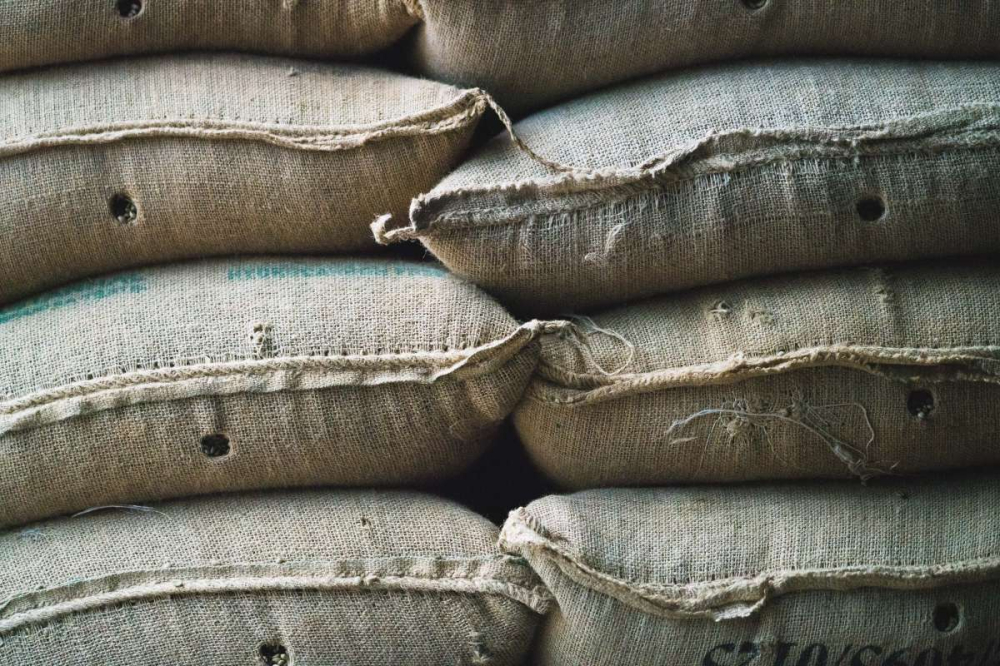
After FrontStreet Coffee obtained this Yellow Bourbon coffee from Brazil's Queen Estate, it roasted 4 batches in total and finally determined to discharge the beans when development reached two minutes after the end of first crack, which is a medium-dark roast level. At this roast level, the sweetness of Brazil Queen is obvious, but it is not monotonous and dull sweetness. In the background there is a faint lemon aroma, and this aroma is especially prominent in the wet aroma stage. In the latter part, it shows a clear dark chocolate taste. The overall impression is relatively rounded, reflecting the general characteristics of Brazilian coffee while still retaining a lively feel.
When brewing, Front Street recommends using freshly roasted coffee beans, as only then can you experience the coffee's rich flavors to the greatest extent. The coffee beans shipped by FrontStreet Coffee are all within 5 days of the roasting date, because Front Street deeply understands that the freshness of coffee beans has a great impact on flavor. Front Street's roasting principle is "freshly roasted good coffee," so that every customer who places an order receives the coffee in its freshest state. Coffee's resting period is about 4 to 7 days, so when customers receive it, it is exactly at its best flavor.
FrontStreet Coffee Brazil Queen Estate
Region: Brazil Mogiana Region
Estate: Queen Estate
Altitude: 1,400 meters—1,950 meters
Variety: Yellow Bourbon
Processing Method: Natural
When brewing, Front Street recommends using a Kono dripper, as this makes it easier to brew a rich and full-bodied taste. The suggested parameters are as follows:
Dose: 15g
Grind size: medium-coarse grind (75% passing through a No. 20 sieve)
Ratio: 1:15
Water temperature: 88°C
Technique: three-pour method
For the first pour, add 30ml of water and bloom for 30 seconds;
For the second pour, pour 100ml of water in a small circular motion; when the water level drops to the point where the coffee bed is almost visible,
For the third pour, pour 95ml of water in a small circular motion, then wait for the dripper to finish dripping, for a total time of 2 minutes.
Flavor Description
The taste has obvious sweetness, with a faint lemon aroma, contains rich nutty flavors, and shows a clear dark chocolate taste in the latter part. The overall impression is relatively rounded. It is a coffee bean that can represent the overall characteristics of Brazilian coffee while also showing its own unique liveliness.
For professional coffee knowledge exchange and more coffee bean information, please follow Coffee Workshop (WeChat public account: cafe_style)
For more specialty coffee beans, please add the private WeChat of FrontStreet Coffee, WeChat ID: qjcoffeex
The above content is compiled by CoffeeHunters, a coffee news website.


