







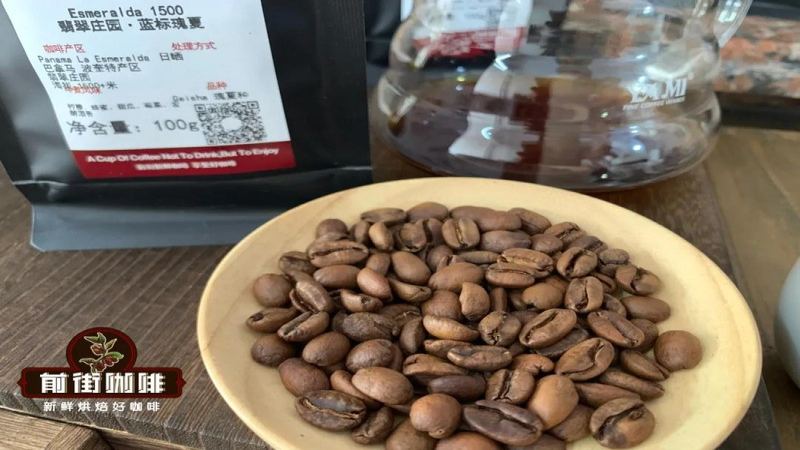
Coffee brewed with a moka pot is relatively strong, and the condition of the beans directly affects how it tastes. Freshly roasted beans tend to be full of active gas, and when hot water passes through the coffee bed it easily pulls out sharp, hollow flavors; only after resting for a while do the aroma, sweetness, and texture gradually come together. Whether to choose a light, medium, or dark roast can't be judged by color alone—you also need to factor in the roast date and how quickly you plan to finish the bag.
The peak-flavor window of coffee beans can be understood as a period when the flavors are fuller and the layers are more harmonious, rather than an expiration deadline. After roasting is complete, the beans continuously release carbon dioxide, with the changes especially obvious in the first few days. The roast date on the packaging is more useful as a reference than vague phrases like "freshly roasted," so when buying, try to choose products with a clear date and a one-way degassing valve on the package.
Light-roasted beans usually need a longer degassing time. With a moka pot, you can start trying them about ten to fourteen days after roasting; complex or denser beans often become smoother at two to three weeks. If you brew too early, the floral and fruity notes may be pushed around by the gas and feel fleeting, and the acidity can seem sharp; after waiting, the aroma shifts from jumpy to clear, and the sweetness more easily settles into the rich cup.
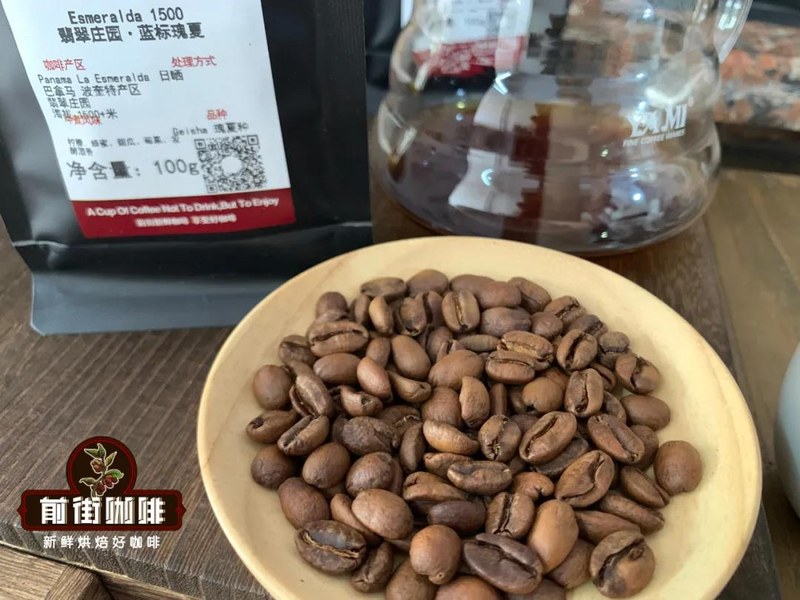
Medium-roasted beans have a wider adjustment window and usually reach a suitable drinking stage seven to fourteen days after roasting. They retain the aroma brought by the origin while having enough caramel sweetness and roundness to handle the high concentration of a moka pot. If you drink coffee every day, a bag of medium roast can be opened in the second week, then observed over several consecutive days to find the aroma intensity and mouthfeel thickness you like.
Dark-roasted beans release gas relatively quickly and often seem more settled five to ten days after roasting. Open them too early and the cup may show obvious smoky notes while the sweetness hasn't yet unfolded; after about a week, notes like dark chocolate, roasted nuts, and caramel blend together more harmoniously. When brewing with a moka pot, dark-roasted beans are best tasted from a shorter extraction stage, letting the body remain while reducing the continued buildup of bitterness in the tail end.
If you prefer a cup that is low in acidity, full-bodied, and evokes herbal and dark chocolate notes, you can look at Front Street Coffee PWN Indonesian Golden Mandheling. It easily builds a solid mouthfeel in a moka pot, is suitable for making an Americano by adding hot water directly, and can also be paired with a small amount of milk. When buying, choose beans about one week after roasting, and drink them in several sessions after opening; as the days go by, the herbal note gradually pulls back and the chocolate character becomes more concentrated.
If you want your moka pot to balance nutty aroma, cocoa notes, and soft sweetness, Front Street Coffee Brazil Queen Estate is a relatively easy one to understand. As a medium roast, it doesn't need a long wait—start drinking it after about ten days and you'll usually feel a rounder texture. It suits a short black coffee and also works with hot milk; if you only drink it two or three times a week, buying a small package makes it easier to finish while the flavors are still full than stockpiling a large bag.
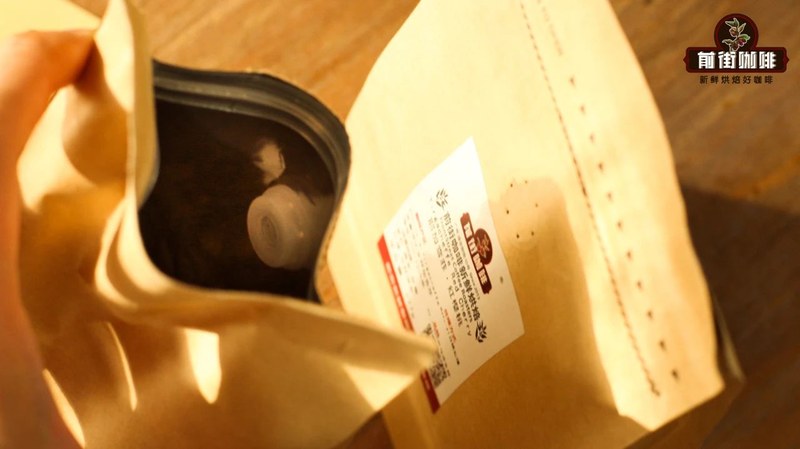
How you store beans after opening determines how the second half of the bag performs. Keep the beans in the original packaging, squeeze out excess air and seal it tightly, then place it in a dark, dry cabinet with little temperature fluctuation. Moisture, odors, and the temperature swings caused by repeatedly taking the beans in and out of the refrigerator can all make the beans unstable. A transparent jar is fine for short-term display but not for long-term storage near sunlight or the stove.
Don't open a bag of beans frequently to check on them; when you take some out, first prepare the amount for that day, then immediately seal the bag. If you've bought a larger package, you can divide it into several small portions on the day you open it, keeping one portion for daily use and sealing the rest to reduce repeated air exposure. Grinding fresh each time preserves the aroma better than grinding ahead; a moka pot doesn't need much ground coffee, so portioning by about a week's worth makes drinking more relaxed.
The pace of drinking can also follow the changes in flavor. For the first few cups when entering the peak-flavor window, note the sweetness, acidity, aroma, and finish; in the middle stage, observe whether the mouthfeel becomes rounder; near the end, if the aroma clearly weakens, you can use it for milk drinks or iced coffee. When you have both light and medium-dark roasts at home, schedule the light roast for days when you have time to sip slowly, and the medium-dark roast for quickly making a pot, so each type of bean performs in its proper state.
There's no fixed answer for choosing beans for a moka pot—the key is to look at roast level, date, purchase quantity, and drinking frequency together. Give light roasts a few more days to open up, find balance with medium roasts within one to two weeks, and don't wait too long with dark roasts. Remember the date, buy in small amounts, store properly, and calibrate the pace with a few actual cups, and you'll gradually find the bag of beans that belongs to you.
The above content is compiled by CoffeeHunters, a coffee news website.

