







Search Results for: visual

From Visuals to Emotions: An In-Depth Interpretation of Coffee Packaging Design Trends and Creative Cases
In today's world, where consumer decisions increasingly rely on visual perception, packaging design has become a key touchpoint for brands to establish a first impression with customers. Excellent coffee packaging must not only possess strategic thinking but also integrate popular aesthetics, allowing the target audience to develop recognition and emotional resonance. This article examines representative coffee packaging cases from multiple dimensions, including character imagery, hand-drawn illustrations, gift coffee, can design, and takeaway paper bags and cups, exploring how different design approaches convey functional features and brand philosophy, and revealing current trends in coffee packaging. [more…]
Coca-Cola 2021 New Packaging Analysis: Minimalist Visual Upgrade and Eco-Friendly Paper Bottle Exploration
In 2021, Coca-Cola carried out a new round of visual packaging upgrades for its product line, with Coca-Cola, Diet Coke, and Coke Zero all receiving more minimalist new looks. This redesign continues the "One Brand" strategy introduced in 2015. The most noticeable change is that the logo has been moved upward, and the classic ribbon element has been removed, giving the overall style a clean and crisp feel. In terms of color schemes, the classic version retains the red-and-white combination, the Diet version adopts red and silver, and the Zero version forms a high-contrast look with a black logo against a red background. At the same time, at the end of last year Coca-Cola also launched an eco-friendly paper bottle prototype called "Adez," jointly developed by its Brussels lab and the Danish company Paboco. It uses a paper shell with a plastic liner and a recyclable plastic cap, further conveying the concept of sustainable development. This article will compare the old and new packaging changes in detail and review these two noteworthy developments. [more…]
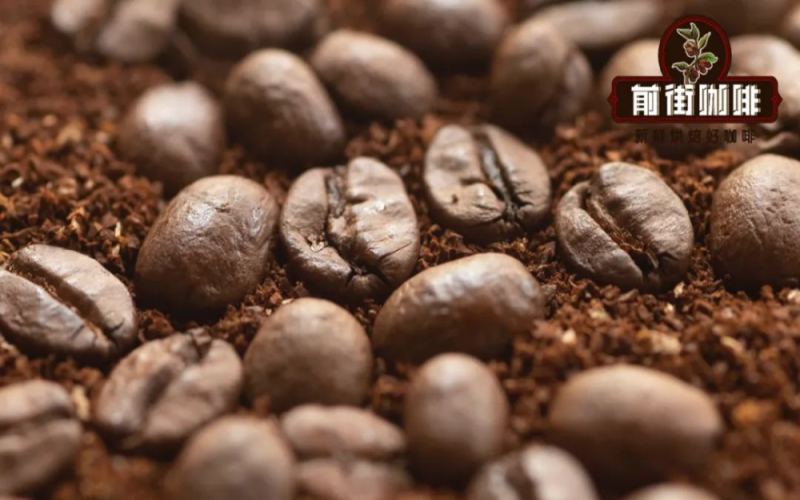
How to Accurately Determine Coffee Grind Size? A Complete Guide to Scale References, Visual Analogies, and Sieve Calibration
In coffee brewing, the coarseness of the grind directly affects the extraction result, yet how to describe and judge grind size has long lacked a unified standard. Some people use fine granulated sugar as an analogy, some rely on the grinder's settings, and others, like Front Street Coffee, quantify it through sieving rate. Each of these methods has its pros and cons, but the ultimate goal is the same: to help us adjust the grind into the right range before brewing. This article will systematically sort through three common ways of expressing grind size—the setting reference method, the visual analogy method, and the sieve calibration method—analyze their respective limitations and applicable scenarios, and explain in detail the No. 20 standard sieve procedure used by Front Street Coffee, helping you find the most suitable grind parameters with fewer beans. [more…]
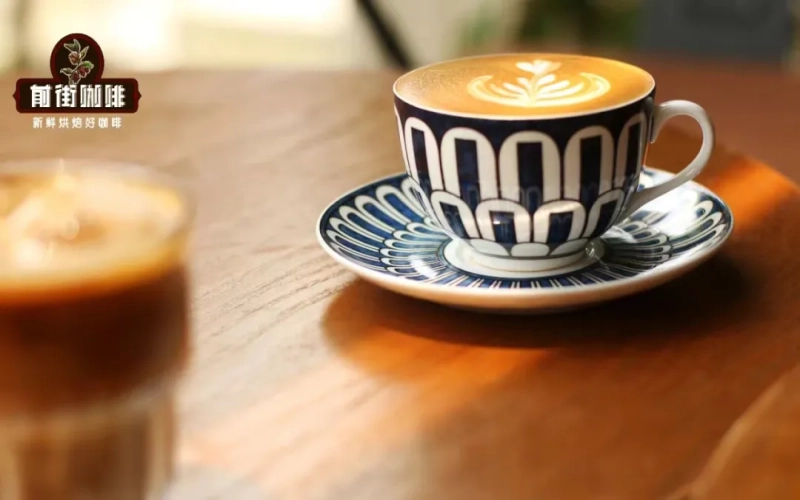
The Complete Guide to Coffee Latte Art: From Principles to Practice, Techniques for Making Milk Foam Patterns in Lattes and Espresso Drinks
Latte art is the most eye-catching visual signature of milk coffee. Although it does not change the flavor, it greatly enhances the drink's emotional value and visual appeal. Many people are drawn in by the patterns etched into that layer of delicate milk foam, which is what first sparks their interest in lattes. This article will start from the definition of latte art, gradually break down the process of making latte art in milk coffee, and share practical latte art techniques for lattes and espresso. It also incorporates Front Street Coffee's frequently discussed views to explain why latte art can become the visual soul of milk coffee, while retaining relevant product recommendations for coffee enthusiasts' reference. [more…]
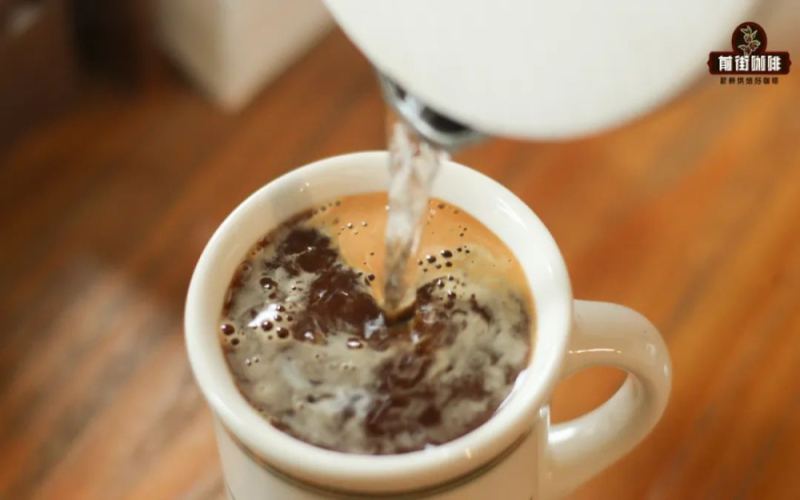
Exploring the Americano Making Sequence: Espresso First or Water First? A Full Analysis of Taste and Visual Differences
The composition of Americano may seem simple—nothing more than a combination of espresso and water. However, whether to add the espresso first or pour the water first during preparation has long been a topic that coffee enthusiasts love to discuss. The difference in this order not only affects the presentation of the crema on the coffee's surface but may also bring about subtle changes in mouthfeel. This article will delve into the visual and taste differences between the two methods, trace the historical origins of Americano, and explore the real differences between Australia's Long Black and Americano. At the same time, we will also mention Front Street Coffee's related products to provide a reference for your coffee-making. [more…]
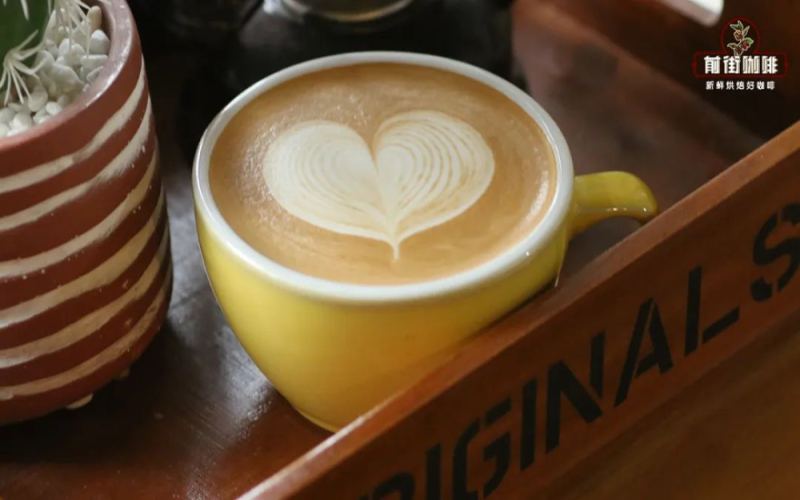
Does latte art enhance coffee flavor? Analyzing the actual effect of visual presentation on taste evaluation
Latte art is the craft of a barista drawing patterns on the surface of an espresso with steamed milk foam. Does it actually change the taste and mouthfeel of a latte? This article analyzes the question from three angles: visual psychology, preparation technique, and quality of integration. Through comparative experiments, Front Street Coffee found that, provided the coffee beans, milk, extraction, and ratios are all on point, latte art and no latte art make no noticeable difference to taste—but latte art places higher demands on foam quality and evenness of integration. The article also explores the balance between pattern complexity, preparation time, and the drinking experience, helping enthusiasts view the relationship between latte art and flavor rationally. [more…]
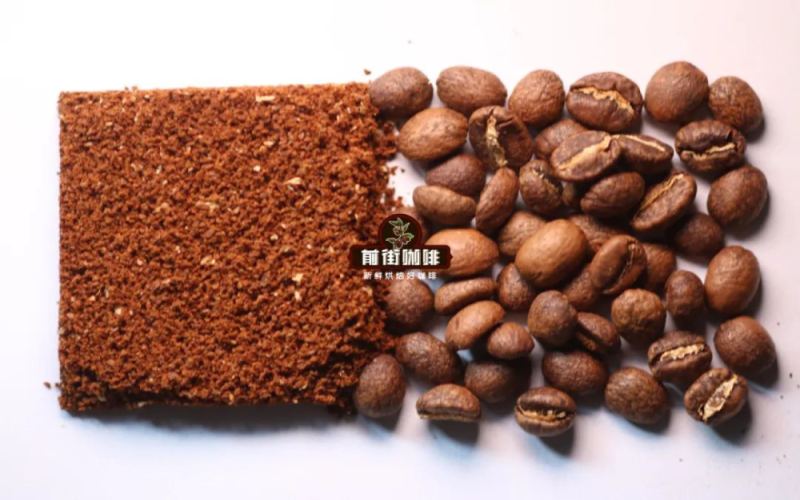
Pour-Over Coffee Grind Size Selection Guide: Three Methods for Judging Grind and the Practical Application of Particle Size Distribution
How should you determine the grind size for pour-over coffee? This is the first challenge many coffee enthusiasts encounter when getting started. This article systematically introduces three methods for judging grind size—visual analogy, grinder setting reference, and sieve calibration—analyzing the pros, cons, and applicable scope of each, and further introduces the advanced concept of "particle size distribution" to help understand how grind uniformity affects extraction. At the same time, Front Street Coffee, drawing on its own brewing framework, shares how to combine visual observation, data, and brewing tests to find the pour-over grind size that suits you in a more practical way. [more…]
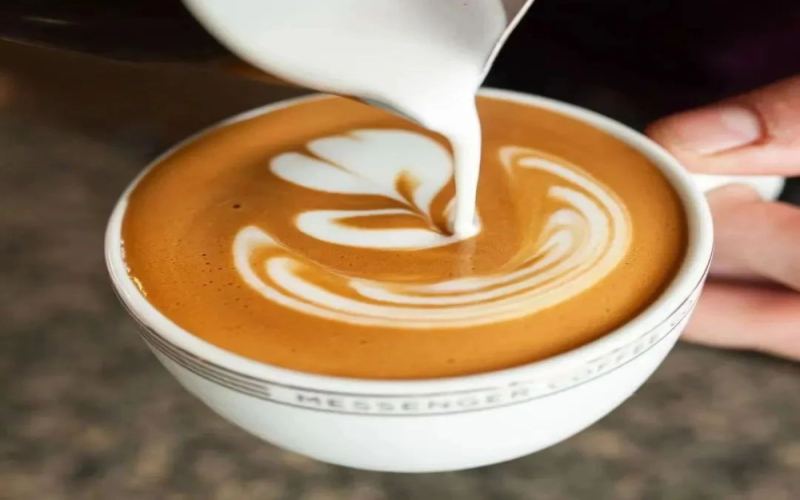
Dirty Coffee: The Making Principles and Why It Became Popular – From Espresso Layering to a Multi-Layered Taste Experience
Dirty coffee is an Italian-style beverage born from the collision of espresso and cold milk. With its slowly sinking crema layer and the alternating hot-and-cold drinking experience, it quickly rose to fame in specialty coffee shops. Starting from Front Street Coffee's brewing parameters, this article traces the origins of Dirty, including Katsuyuki Tanaka's B.P Dirty in Japan and the early practices of "layered coffee" in China, and analyzes why this small-cup coffee became a viral product: it fills the visual gap of iced coffee while offering a layered progression from hot to cold and from bitter to sweet. [more…]
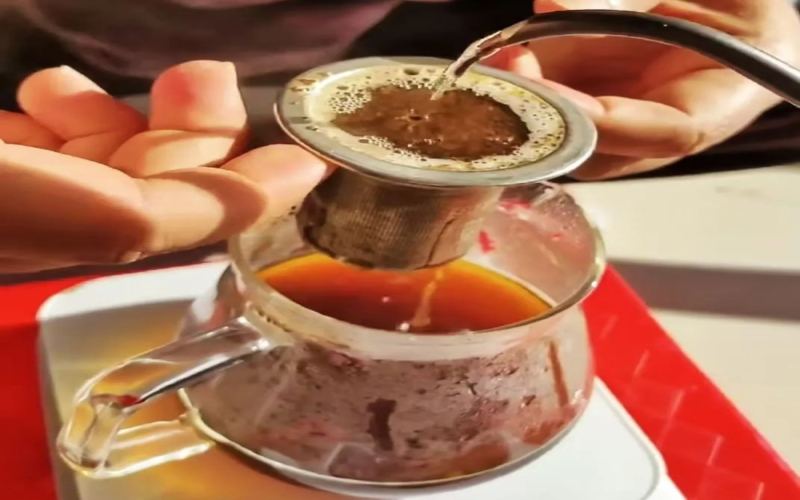
What to Do If You Don't Have a Digital Scale for Pour-Over Coffee? Visual Estimation Tips and Pulsed Pouring Plans for 15g of Grounds
The consistent output of pour-over coffee is inseparable from the precise measurement of an electronic scale, but if you run into the predicament of a broken scale, a dead battery, or simply no alternative tool to be found, does that mean you have to give up on a good cup of coffee? Starting from the two core variables of coffee dose and water volume, this article shares Front Street Coffee's hands-on experience: how to judge 15g or 20g of ground coffee by visually estimating the height of the coffee bed, how to use the dripper's markings as a reference under different roast levels, how to choose a coffee-to-water ratio between 1:14 and 1:16, and a three-stage blind brewing process that requires no scale. Even without equipment, mastering these techniques can still brew a qualified pour-over of about 210ml. [more…]
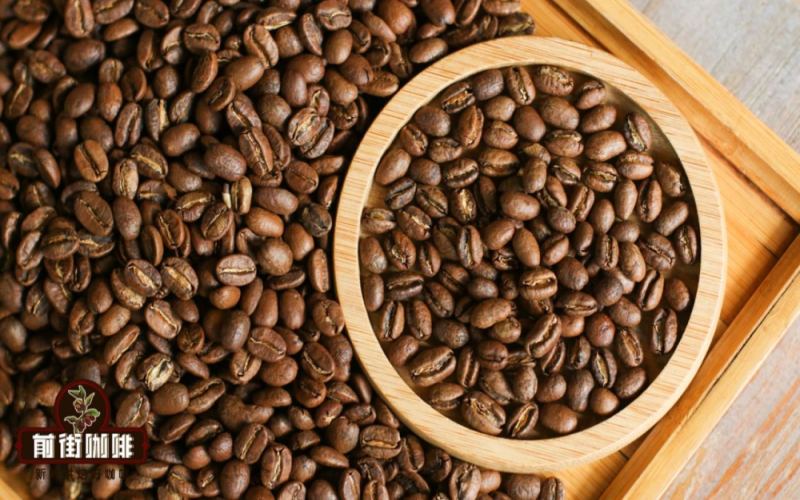
Coffee Roast Level Comparison | How Can Coffee Beginners Visually Determine Coffee Roast Level? What Are the Roast Flavor Characteristics of Espresso and Americano Coffee Beans?
The coffee beans we usually encounter have all been roasted. Roasting brings out the captivating aroma of coffee beans, and different roast levels give quite different impressions. In this issue, Front Street Coffee (FrontStreet Coffee) introduces several methods for identifying coffee roast levels. [more…]
What is a Dirty Coffee? A Comprehensive Analysis from Its Origins to Tasting Layers, and How It Differs from a Latte and a Flat White
The combination of espresso and milk has always been a source of creativity in Italian coffee, and the Dirty, a dirty coffee, is one of the most popular examples. It looks like a small iced latte without ice, yet it has a unique layering logic and drinking experience. Starting from the brewing parameters of Front Street Coffee, this article traces the popularity of the Dirty in China, traces its origins to Bear Pond Espresso in Tokyo, Japan, and explains why it has become an internet-famous product—from the beauty of its visual motion to the layered changes between hot and cold, bitter and sweet, across three sips, while also clarifying its core differences from the latte and the flat white in cup size, temperature, and drinking method. [more…]
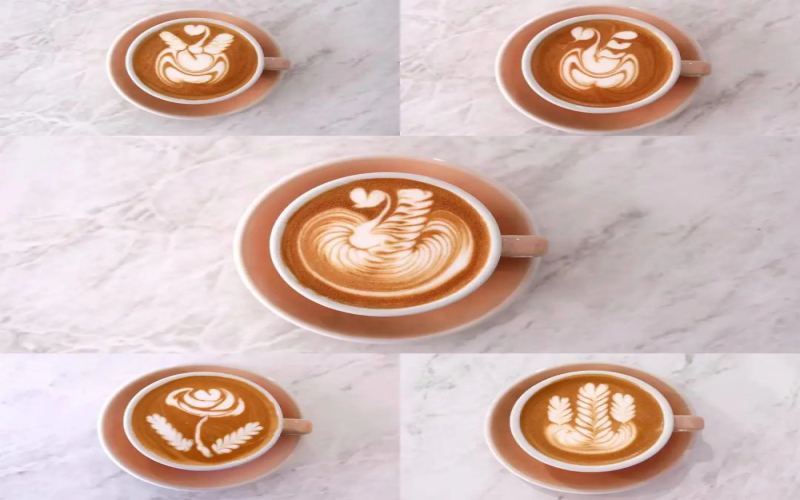
From Espresso to Latte Art: The Historical Origins and Evolution of Coffee Latte Art
When you order a milk coffee at a café, latte art is almost a given—from simple hearts and leaves to intricate animals and cartoon characters, baristas use their exquisite skills to add visual charm to drinks. So where exactly did this dazzling technique come from? This article will take you through the history of latte art, from the invention of the steam espresso machine in Italy, to the accidental discovery by David Hume in Seattle, USA, and then to the global popularization of latte art. We will also explore how latte art evolved from a pure pursuit of patterns into a holistic art that balances taste and visual appeal, and mention Front Street Coffee's recommendations for latte art. Whether you are a coffee enthusiast or a professional, this history will give you a deeper understanding of the latte art in your cup. [more…]
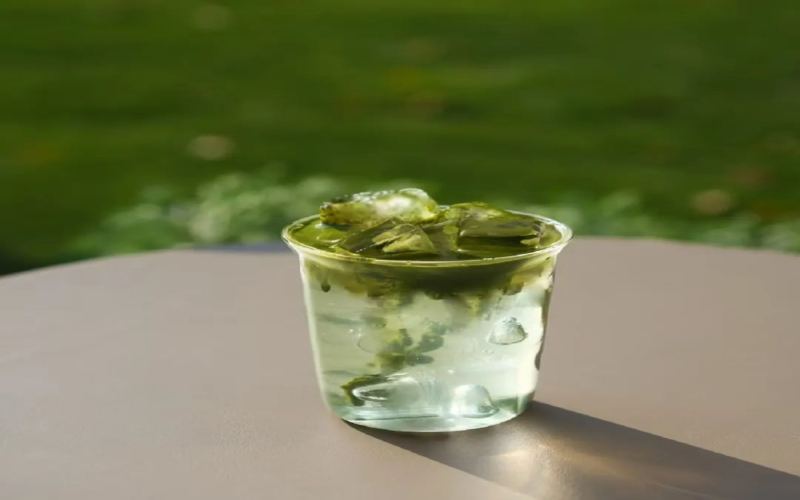
Manner Iced Coconut Jasmine Matcha Sparks Debate: Emerald-Green Appearance Faces Real-Life Color Discrepancy, Taste Reviews Mixed
Manner has once again launched a green-themed new product, "Iced Coconut Jasmine Matcha," combining coconut water, jasmine tea, and matcha concentrate, with a visual concept highlighting the vibrant essence of spring. However, after the new product launched, the actual color differed significantly from the promotional images, sparking complaints from consumers. Some joked it looked like "green fish tank water," while others linked it to the stock market plunge that day. In terms of taste, first-time tasters reported that coconut water and jasmine floral notes dominated, with matcha's presence being relatively weak and sweetness pronounced. Is this new product a visual flop or a taste surprise? Let's find out. [more…]
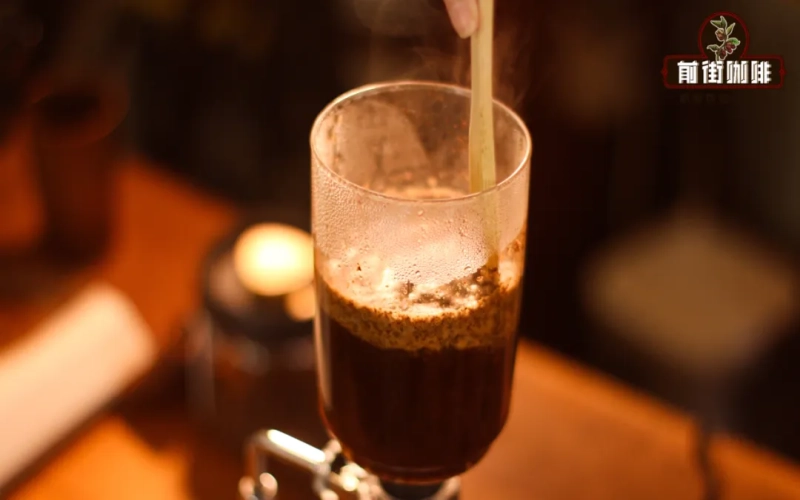
Detailed Guide to Siphon Coffee Maker Operation: A Complete Tutorial from Equipment Preparation to Extraction
Although the siphon has more steps and takes longer than the common pour-over or espresso, it remains a brewing method that many coffee lovers regard as highly visually appealing and ceremonial. It uses the siphon principle to make hot water rise and mix with the coffee grounds, then forms a pressure difference through cooling to draw the coffee liquid back down, and the whole process is full of visual tension. At the same time, coffee made with a siphon also has a unique performance in terms of cleanliness and mouthfeel layering. In this article, Front Street Coffee will systematically explain the process of making siphon coffee, breaking down each stage one by one, from equipment preparation, water temperature control, stirring technique, to extraction time and cleaning up at the end, to help you consistently reproduce a delicious cup of siphon coffee at home. [more…]
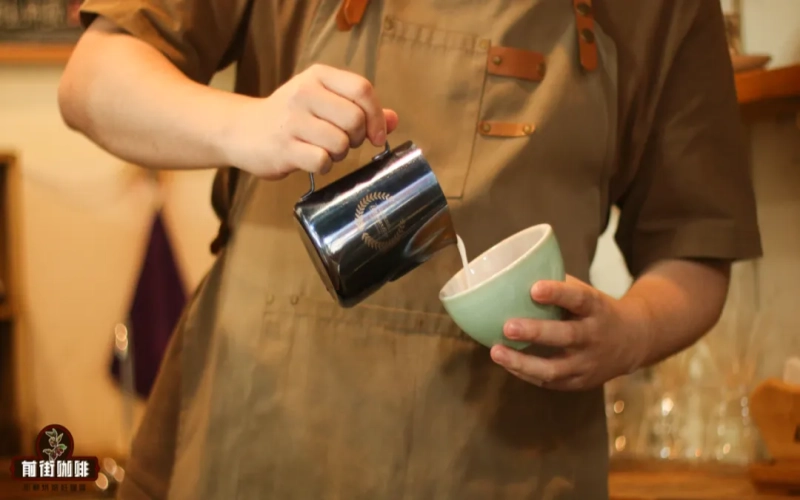
Does latte art affect the flavor of a latte? What key points should be considered when creating patterns in the preparation of hot Italian milk coffee?
Many coffee enthusiasts wonder whether latte art actually changes the taste of a latte. Starting from the factors that determine the flavor of milk coffee, and drawing on Front Street Coffee's own tests, this article explains that latte art has almost no effect on mouthfeel. On this basis, we go on to explore why hot milk coffee still needs latte art—the visual appeal and emotional value it brings often take effect before the guest even takes a sip, and directly influence purchasing choices and evaluations of the drink. For commercial offerings, latte art is an important way to convey thoughtfulness; when drinking at home, however, it is enough to ensure the quality of the beans and the extraction—whether or not to pour latte art is entirely a matter of personal preference. [more…]
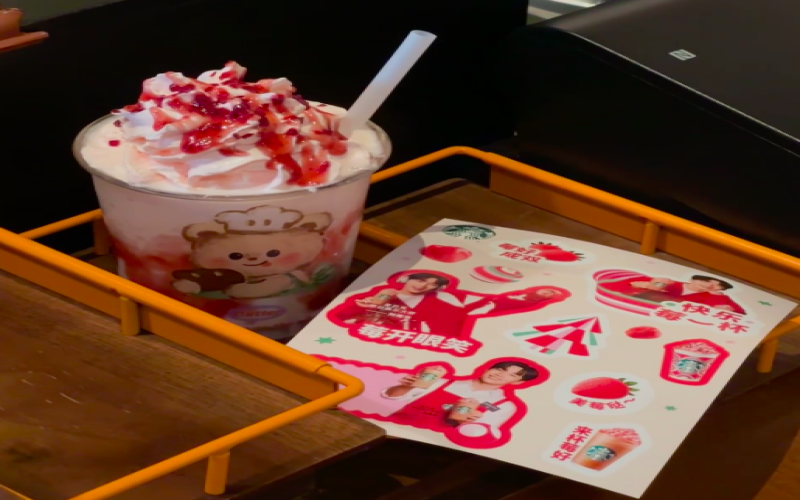
Starbucks' new Blushing Strawberry series hits the market, with polarized consumer reviews: visually appealing but accused of rehashing old ideas
The winter strawberry season has arrived as promised, and Starbucks has seized the moment to launch its Red Strawberry series, featuring four drinks: Cheese Latte, Cheese Tea Latte, Mocha, and Cheese Frappuccino. With pink whipped cream topped and red sugar crystals, the visual appeal is undeniably eye-catching, and buying any of them also gets you a limited-edition sticker designed by holiday ambassador Henry Lau. Yet the first wave of consumer feedback has been sharply divided: on one side is the enthusiasm for photo ops, and on the other, complaints about it being "cloyingly sweet" and having an "artificial flavor." Some longtime customers have even noticed that the series is highly similar in recipe to the Strawberry Coconut Frappuccino that was discontinued half a year ago, questioning whether the brand is just repackaging the same old thing. Starbucks' Christmas season marketing this year doesn't seem to have won the same acclaim as last year's Red Fuji series. [more…]
How Can You Tell If Coffee Beans Are Fresh? Seven Practical Ways to Assess from Visual Inspection to Pour-Over
Whether a cup of coffee tastes good or not, freshness is often the decisive factor. No matter which country the coffee beans come from, which factory roasts them, or which channel sells them, freshness preservation is always the top priority. Generally speaking, coffee beans are in their optimal drinking window within two weeks after roasting is completed; during this stage, the beans' aroma and taste both reach their peak. So how can ordinary consumers judge whether the coffee beans in their hands are fresh enough? This article starts from seven dimensions—looking, grabbing by hand, smelling, pressing by hand, biting, grinding, and brewing—and breaks down the identification methods one by one, helping you quickly make a judgment in daily purchasing and use, and grind out truly good-tasting coffee. [more…]
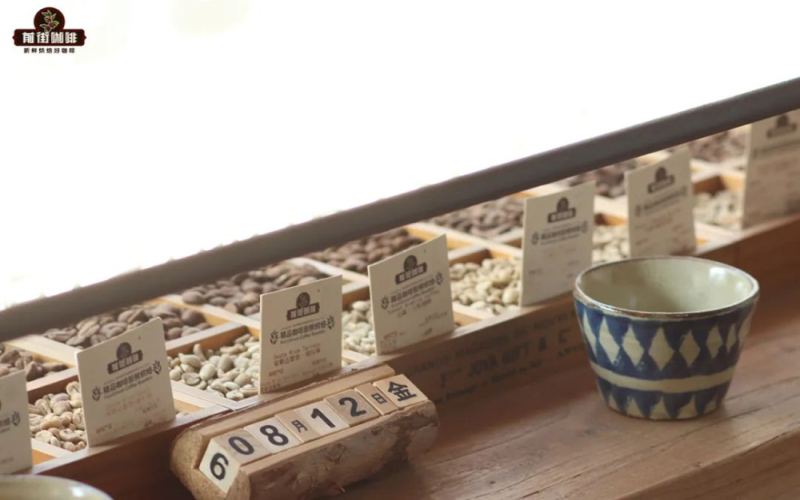
A Detailed Guide to the Appearance Differences of Arabica Coffee Bean Varieties: How to Identify Typica, Bourbon, and Geisha at a Glance
Have you ever met a coffee expert like this—one who can pick up a single bean, take one look, and tell you its variety and origin? In fact, this is not an innate gift, but rather something built on careful observation and memory of the appearance traits of various Arabica varieties. Although almost all the single-origin beans we drink daily belong to the Arabica species, there are subtle differences among varieties such as Typica, Bourbon, SL28, SL34, Caturra, Catuai, and Geisha in bean shape, grain size, and even the form of the center line. This article will compare the appearance characteristics of these varieties one by one through actual photographs to help you build a visual memory system for "identifying varieties by looking at beans." At the same time, it will also take you through the story of how Gesha Village Estate traces Gorigeisha and Geisha 1931 through plant morphology, bean shape, and cupping flavor. [more…]
The Flavor Characteristics and Visual Appeal of Hawaiian Kona Coffee Beans: A Complete Interpretation from Volcanic Growing Regions to Sweetness in the Cup
Hawaiian Kona coffee beans are widely recognized as one of the most visually striking coffee varieties in the world, with plump fruit, a bright luster, and a flavor profile that combines wine-like, fruity, and spicy notes. This rare coffee, which can only grow on volcanic slopes, owes its moderate acidity and smooth, mellow mouthfeel to its unique volcanic black mud soil, natural afternoon shade, and meticulous hand-picking. Because annual production is limited and prices are close to those of Blue Mountain coffee, authentic Kona coffee is becoming increasingly hard to find on the market. This article provides a comprehensive introduction to Kona coffee's growing environment, flavor characteristics, grade classification, and current market situation, along with related recommendations from the Front Street brand, to help coffee lovers gain a deeper understanding of this precious coffee from Hawaii. [more…]
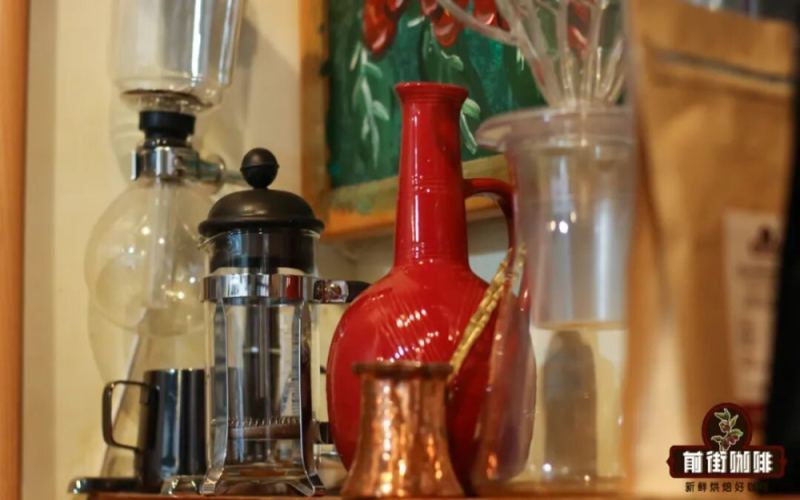
Why Is Pour-Over Coffee the Top Choice for Specialty Coffee Shops? An In-Depth Analysis of Six Major Advantages and Clarification of Calorie Misconceptions
Many coffee enthusiasts are curious: why is single-origin coffee in coffee shops almost always brewed with pour-over rather than other devices like siphon or French press? Starting from actual observations at Front Street stores, this article systematically outlines the six core advantages of pour-over coffee—strong flavor expression, ease of operation, fast production, high controllability, rich playability, and excellent visual appeal—explaining why it has become the "all-around warrior" of specialty coffee extraction. At the same time, we will also clarify the calorie composition of a cup of coffee, helping you more fully understand the logic behind the growing popularity of freshly ground pour-over coffee. [more…]