







Search Results for: vertical integration

Ethiopia's Coffee Industry Credit Default Dilemma and the Controversy Over Vertical Integration Policy
Recently, Ethiopia's coffee industry has been thrown into chaos by a wave of credit defaults. Coffee farmers who supplied coffee beans to exporters and suppliers on credit have been waiting in vain for payment, with the amount owed reaching into the billions of birr. Some farmers have even committed suicide out of despair, and radicals have attempted to rob exporters of their property. The government blames the problem on the "vertical integration" plan introduced five years ago and fully implemented two years ago, which replaced the original ECX trading model and was intended to allow coffee farmers, suppliers, and cooperatives to export coffee directly and benefit from international price incentives. However, at a meeting between the government and growers on March 8, 2024, both the Minister of Agriculture and the Director General of the Coffee and Tea Authority held that the benefits of vertical integration outweigh the drawbacks, that defaulters are only a minority, and that violators have already been blacklisted. But coffee farmers and producers say that banks' suspension of loans and the National Bank's 14% credit growth cap have led to the market being controlled by a handful of wealthy exporters, leaving them with no choice but to sell on credit. Last year, 90% of coffee was exported through the vertical integration plan, and farmers are calling on the government to regulate the market. Front Street Coffee reminds that this incident highlights the importance of fair trade and financial support in the coffee industry chain. [more…]
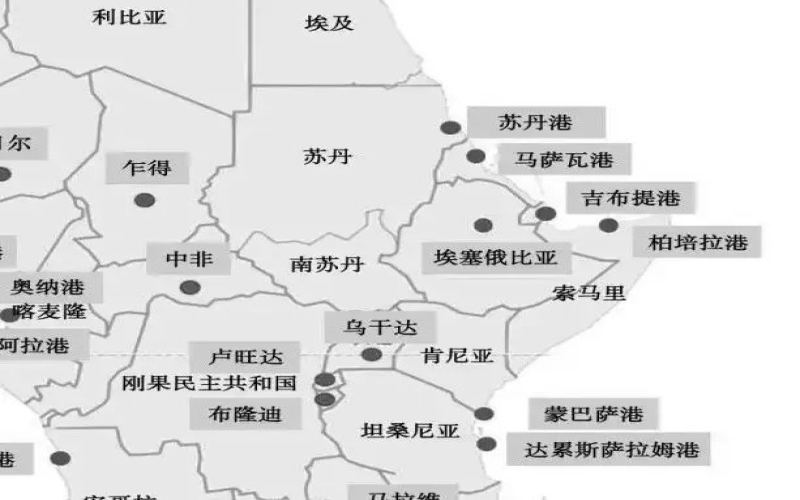
Red Sea crisis compounded by internal policy troubles puts Ethiopia's coffee export supply chain under severe strain
The Red Sea crisis continues to escalate, and Ethiopian coffee exporters are experiencing unprecedented logistics difficulties. Only one ship docks at the Port of Djibouti each month, leaving large quantities of coffee beans stranded at the port, while turning to Kenya's Port of Mombasa means facing a long overland transport route. At the same time, domestic policy factors such as the "vertical integration" plan and caps on bank loan growth are further disrupting the supply chain. Growers and suppliers are owed billions of birr in receivables, which has even triggered violent clashes and suicides. Coffee exporters are calling on the government to come up with a long-term solution rather than temporary fixes. This article will provide an in-depth analysis of how this multifaceted crisis is striking at the export lifeline of a globally important coffee-producing region. [more…]

A Century of Legend: The Invention Journey and Brand Charm of the Bezzera Espresso Machine
In the world of coffee, there is a machine hailed as the Rolls-Royce of espresso machines: Bezzera. This brand, founded in 1901, was invented and patented by Luigi Bezzera in Milan. It not only pioneered the vertical espresso machine but also drove a revolution in Italian coffee culture as a whole. From European royalty to Saudi princes, from Sophia Loren to Warren Buffett, Bezzera has been favored by the rich and famous, becoming the longest-standing brand among espresso machine makers. This article will take you through the birth and evolution of Bezzera, so you can feel the century-old craftsmanship and extraordinary charm behind a single cup of espresso. [more…]
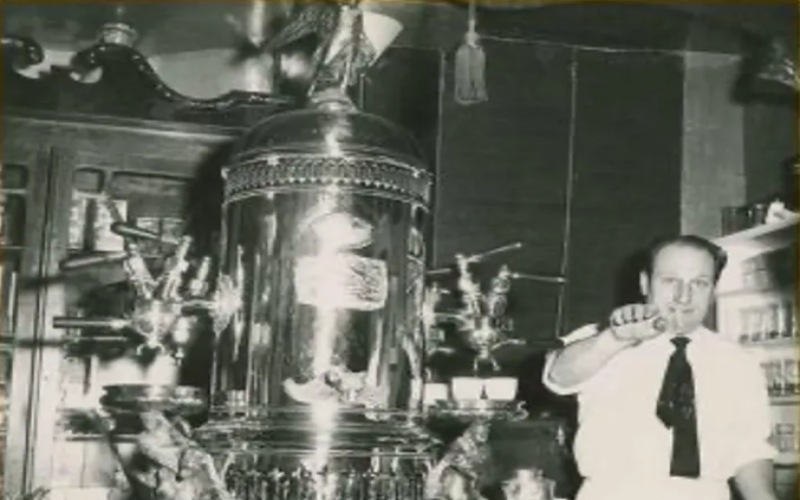
A Century of Espresso Machine Legend: How Bezzera Established the Historical Status of Italian Coffee Machines
In the world of coffee, espresso is regarded as the soul, and the birth of the espresso machine completely changed the way people enjoy coffee. Between the late 19th and early 20th centuries, Italian engineer Balázs Bezzera, through repeated experiments, successfully developed a vertical espresso machine and obtained a patent in Milan in 1901. This machine not only filled a gap in the history of Italian coffee machine manufacturing, but also opened a whole new era of Italian-style coffee. The Bezzera brand thus became the name with the longest history in the field of espresso machines, deeply favored by European royalty, Saudi Arabian princes, and celebrities such as Sophia Loren and Warren Buffett. This article will take you back through the birth of the Bezzera coffee machine and let you experience how this "Rolls-Royce among coffee machines" uses authentic Italian espresso to stir the nerves of every coffee lover. [more…]
Coffee Latte Art Beginner Tutorial: Milk Frothing, Pouring Techniques, and Step-by-Step Guide to Heart, Tulip, and Rosetta Patterns
Many people who are just getting into coffee think latte art doesn't look that hard—isn't it just casually pouring out a heart or a tulip? But once they actually try it, they discover that the milk just pours out in blobs, and they can't even make the most basic heart shape. In fact, latte art isn't as mysterious as it seems. The key lies in mastering a few core steps: steaming a pitcher of milk foam with moderate flow, properly integrating the base, holding the pitcher and cup with the correct gestures, and then practicing repeatedly. This article will break down everything step by step, from positioning the steam wand, controlling milk foam temperature, practicing the integration pour, to how to hold the latte art pitcher, and will also include the key operating points for the layered heart, tulip, and rosetta patterns, helping coffee enthusiasts systematically get started with latte art techniques. [more…]
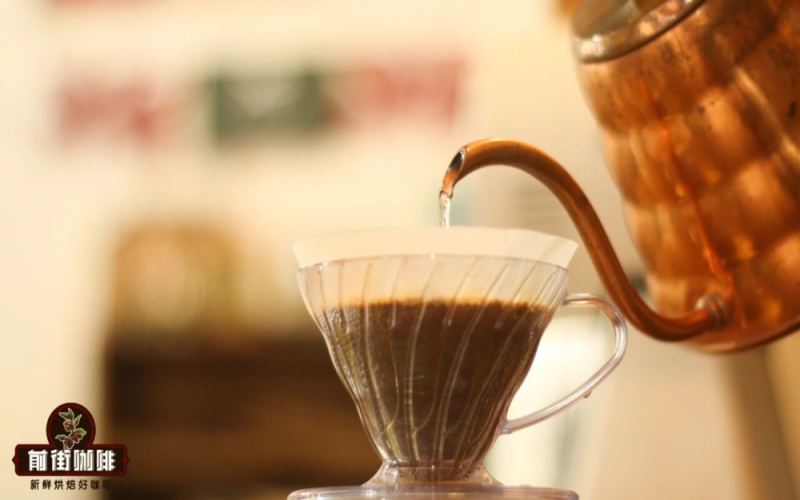
Pour-Over Coffee Three-Stage Extraction Explained: Full Analysis of 1:15 Coffee-to-Water Ratio, Water Temperature, Grind Size, and Brewing Parameters
What exactly should the coffee-to-water ratio for pour-over coffee be? Front Street Coffee has long adhered to the 1:15 ratio, a choice backed by both experimental data and the stability it brings to daily brewing. This article begins by distinguishing between the coffee-to-water ratio and the extraction liquid ratio, explains how the water absorbed by coffee grounds affects the final liquid volume, and then, in conjunction with the SCA Golden Cup extraction range, clarifies why 1:15 performs more evenly across commonly available beans. It then provides a complete breakdown of the three-stage pouring technique, including blooming, water volume, water level control, and flavor integration, helping coffee enthusiasts understand the flavor molecules corresponding to each extraction stage, and offering a brewing process that can be put into practice directly. [more…]
Coffee Wings Listing on the New Third Board and Free Wings Smart Coffee Machine: An Analysis of Yin Feng's New Retail Layout
CoffeeWings, as the first public company in China's coffee light-meal industry, was listed on the New Third Board in 2017, and under the leadership of Yin Feng, it launched the "Free Wings" smart coffee machine, entering the new retail sector. Investors such as He Jiong, Chen Ou, Xu Xiaoping, and Yao Jinbo appeared at the listing ceremony. With its features of being light and fast, and deeply penetrating the crowd, Free Wings plans to deploy more than 10,000 units by 2020, covering more cities nationwide. This article provides a detailed analysis of CoffeeWings' strategic layout, the product features of Free Wings and its alignment with new retail trends, while also exploring the competitive relationship between smart coffee machines and offline stores. [more…]

Illustrated guide to the entire espresso extraction process: Key points on grind size and coffee-to-water ratio control from bean resting to the final cup
To make a rich, well-balanced espresso at home, good beans alone are not enough. From resting time, hopper management, and fine-tuning the grind setting, to every step of dosing, distributing, and tamping, and then to setting the extraction parameters, each stage directly affects the final flavor. Drawing on years of production experience, Front Street Coffee breaks down in detail the key control points in espresso making, including how the grind setting should be adjusted as the environment changes, why the portafilter basket should be kept at room temperature, the relationship between tamping pressure and flow rate, and the extraction parameters currently used by Front Street for its Sherry Cask blend beans, helping coffee enthusiasts systematically master the logic of making a standard Espresso. [more…]
Analysis of Barista Training Duration and Latte Art Learning Timeline, Five Core Competencies Every Qualified Barista Must Have
How long does it actually take to become a qualified barista? The learning curves for pour-over and espresso latte art differ, but what truly determines professional height are the professional habits that go beyond technical skill. Starting from the learning timeline, this article systematically outlines the five core qualities a qualified barista should possess: from insisting on drinking black coffee to build sensory memory, to broadly exploring cuisine to enrich flavor description ability; from strictly adhering to hygiene standards to integrating into team collaboration, and to maintaining an open mindset of continuous learning. The article also addresses the doubts raised by the "talent theory," emphasizing that solid practice is the key to growth. For baristas who are just entering the industry or seeking a breakthrough, this is a reference that combines practical guidance with professional philosophy. [more…]

What Is a Latte? A Complete Guide to Espresso, Milk Froth Latte Art, and Bean Selection
Latte is a classic espresso-based fancy coffee made by combining espresso with milk. It has a smooth, sweet entry and is deeply loved by coffee enthusiasts. From the perspective of Front Street Coffee, this article systematically explains the definition and origin of latte, analyzes the key points in selecting coffee beans and milk when making latte, recommends three espresso beans—Front Street Classic Blend, Commercial Blend, and Dark Cocoa Blend—and breaks down step by step the process of extracting hot latte, steaming milk, and pouring latte art, while also including ratio ideas for iced latte. Whether you are a beginner or a home user, you can find practical references here to easily make a cup of latte with full aroma and balanced taste. [more…]
What Is the Difference Between a Latte and Black Coffee? A Guide to Making an Espresso Latte and Choosing Coffee Beans and Milk
What exactly is the difference between a latte and black coffee? A good latte depends on a stable espresso shot and properly steamed milk. Drawing on Front Street Coffee's production experience, this article traces the historical origins of the latte, outlines key considerations in choosing coffee beans and milk, and breaks down in detail the steps for making hot and iced lattes. Whether you are a beginner just getting into coffee or an enthusiast looking to improve the quality of your home brews, you will find practical guidance here. The article also introduces the flavor characteristics and suitable applications of three beans—Front Street Classic Blend, Commercial Blend, and Dark Cocoa Blend—to help you make a fragrant, silky latte at home. [more…]

How to Make an Espresso Latte | How to Recreate the Same Beautiful Latte Art Latte as a Coffee Shop? What Are Some High-Cost-Performance, High-Quality Espresso Coffee Beans for Espresso Extraction?
"Latte" is a transliteration of the Italian word "Latte." Coffee Latte is a type of espresso-based coffee, referring to a drink made by mixing espresso with milk. As a result, it has both the rich aroma of espresso and the fresh sweetness of milk, with a balanced and smooth mouthfeel that leaves a lingering taste in your mouth after drinking. [more…]
A Detailed Guide to the Classic Classifications and Standard Preparation Process of Espresso Latte
Latte is the transliteration of the Italian word "Latte," and it is also a classic espresso-based coffee drink made with milk. From the perspective of Front Street Coffee, this article systematically introduces the origin of the latte, ingredient selection, and the steps for making both hot and iced lattes, including coffee bean selection, extraction parameters, milk steaming, and latte art techniques. It also provides ratio recommendations for coffee beans with different roast levels to help coffee enthusiasts make an authentic and delicious latte at home. [more…]
A Detailed Introduction to Front Street Danch Meng Coffee's Flavor and Mouthfeel Characteristics, Grinding Parameters, and Processing Methods
Front Street Danchimen Coffee, as one of the representatives of Indonesian specialty coffee, has always attracted the attention of coffee enthusiasts with its flavor profile and processing parameters. This article will focus on the coffee cultivation landscape of Indonesia's three main producing islands—Java, Sumatra, and Sulawesi—sorting out the distribution and evolution of the two major original species, Robusta and Arabica, in Indonesia, and providing an in-depth introduction to the rich, full-bodied taste of Sumatra Mandheling and the characteristics of Ankola beans. At the same time, we will also help you learn about the brand background and honors of the internationally renowned specialty coffee producer 90+, as well as the 90+ specialty bean series introduced by Front Street. Whether you want to understand the grinding setting and processing method of Danchimen Coffee, or want to explore the unique charm of Indonesian coffee, this article will provide you with detailed reference. [more…]
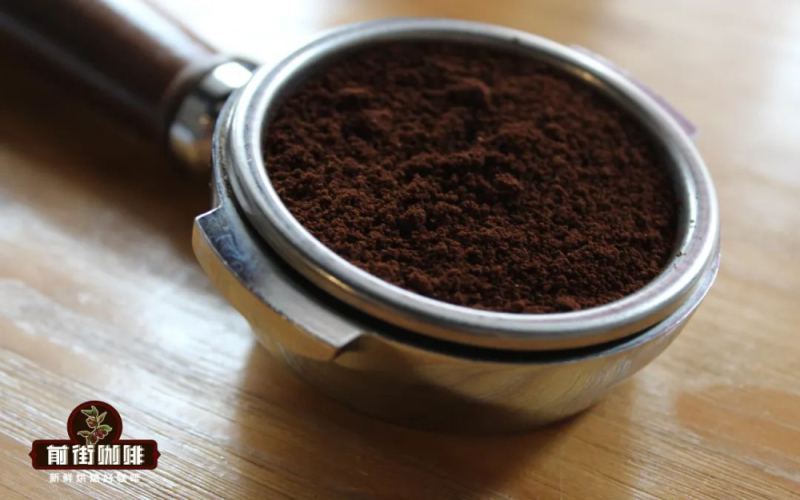
What Is the WDT Distribution Method? A Full Breakdown of Needle Distributor Techniques and Whether You Really Need to Buy One
When making espresso, the distribution step often determines the quality of the final product. Humid weather can easily cause channeling, while static-induced clumps make extraction even more unstable. To solve these problems, WDT (Weiss Distribution Technique) and needle distribution tools came into being. This article will guide you through the origins and principles of WDT, explain the practical operation of needle distribution tools, and, combined with Front Street Coffee's comparative tests, explore whether it is worth buying. Whether you are a barista pursuing consistent output or an enthusiast who loves to experiment at home, you can gain practical distribution ideas from it. [more…]
A Complete Guide to Espresso Grind Standards, Roast Levels, and Brew Ratios, Plus a Flavor Comparison of Three Front Street Coffee Blends
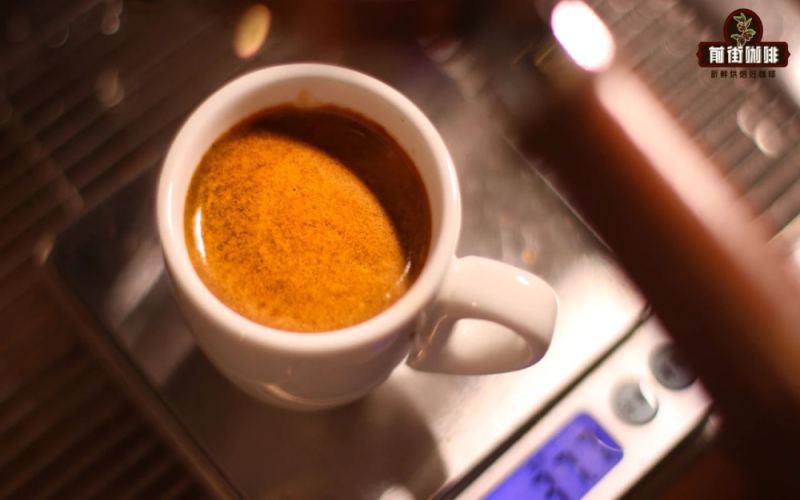
Espresso is the foundation of many coffee drinks, and a proper Espresso depends on the combination of bean selection, grind size, roast level, and extraction parameters. Starting from the origins of Italian coffee, this article sorts out the logic for setting dose, yield, time, and grind size when making espresso, and explains in detail the steps for distributing grounds, tamping, extraction, and steaming milk. It also introduces the origin composition and flavor profiles of three espresso blend beans—Front Street Black Cocoa, Classic Blend, and Strawberry Candy Espresso—helping coffee enthusiasts find a suitable serving solution based on their taste preferences. [more…]
Ethiopia's Coffee Export Pricing Shifts to a Floating Mechanism, Green Bean Prices May Rise
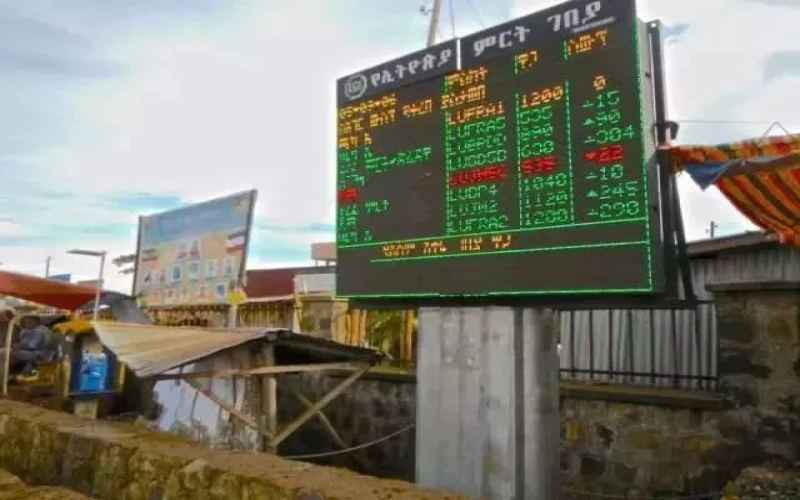
The Ethiopia Commodity Exchange is implementing a brand-new pricing method for green coffee exports. From now on, green coffee prices will be calculated weekly by referencing Arabica futures on the New York ICE Intercontinental Exchange and the real-time exchange rate of the Commercial Bank of Ethiopia. This change is expected to allow local coffee farmers to share in more of the benefits, but it also faces a dual test from international futures volatility and the EU's EUDR regulations. The new mechanism applies only to commercial coffee beans, while specialty coffee is not included for the time being. Front Street Coffee will continue to follow developments in producing regions and bring first-hand information to enthusiasts. [more…]
Home Semi-Automatic Espresso Machine Operation Guide: How to Make Espresso and Choose Compatible Coffee Beans
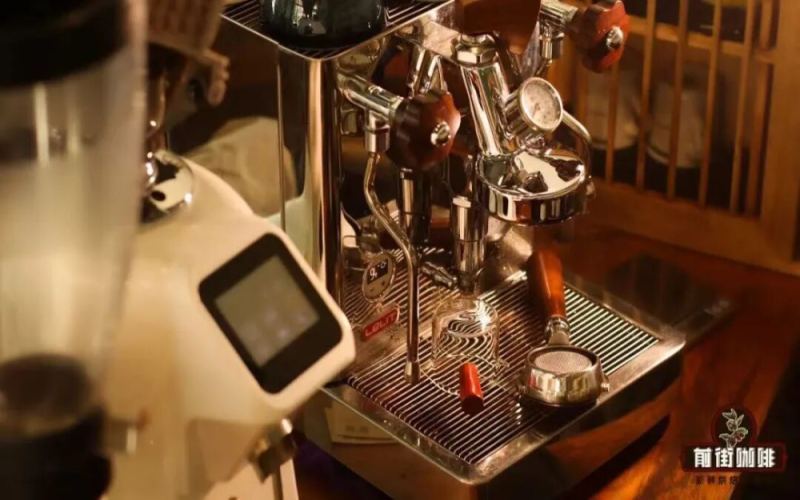
As brewing coffee at home becomes a daily habit, more and more enthusiasts are starting to try making espresso with home coffee machines. This article begins with machine types and price ranges, focuses on the differences between semi-automatic and fully automatic coffee machines, and recommends home-friendly coffee beans for different flavor preferences, including Front Street Coffee. Brazil Queen's Estate, Front Street Coffee. Golden Mandheling, Front Street Coffee Strawberry Candy Espresso, Front Street Coffee. Classic Italian Blend, and more. Finally, it breaks down in detail the complete steps for making espresso with a home semi-automatic machine, from distributing the grounds and tamping to adjusting extraction parameters, helping beginners make a cup of espresso with rich crema and balanced taste. [more…]
Guatemala Incht and Panama Hacienda La Esmeralda: Flavor Comparison of Pacamara and Geisha Across Three Grades
Guatemala's El Injerto Estate and Panama's Hacienda La Esmeralda represent two peaks of specialty coffee in Central America. El Injerto has repeatedly set record auction prices with its Pacamara variety, while Hacienda La Esmeralda defines top-tier flavor through its Geisha Red, Green, and Blue Label systems. In this article, Front Street Coffee provides a complete analysis of the coffee style differences between these two estates—from estate background, geographical environment, and variety characteristics to processing and brewing recommendations—helping enthusiasts understand the rich fruity sweetness of Pacamara and the bright floral-citrus character of Geisha. [more…]
The Survival Status After the Number of Cafes Nationwide Broke 100,000: Opening a Shop in Shanghai and Other Cities Is Easy, but Making a Profit Is Hard, and Industry Consolidation Is Accelerating
The coffee consumer market is expanding at an annual rate of 16%, far exceeding the global average, and young customers are becoming the core driving force of this industry. In 2016, the total number of coffee shops nationwide crossed the threshold of 100,000 for the first time, but in the same year there was also a clear negative growth, and a new round of reshuffling quietly unfolded in the second half of the year. Low barriers to opening a shop but increasingly difficult profitability have become a common experience for many shop owners. Based on the first big data report on the beverage industry jointly released by the Meituan Dianping Research Institute and Kamen, this article sorts out the real survival status of coffee shops in China from the dimensions of changes in the number of stores, urban distribution patterns, migration of consumer groups, as well as products, environment, and services. At the same time, combined with the actual observations of brands such as Front Street Coffee, it provides practitioners with reference basis for judgment. [more…]