







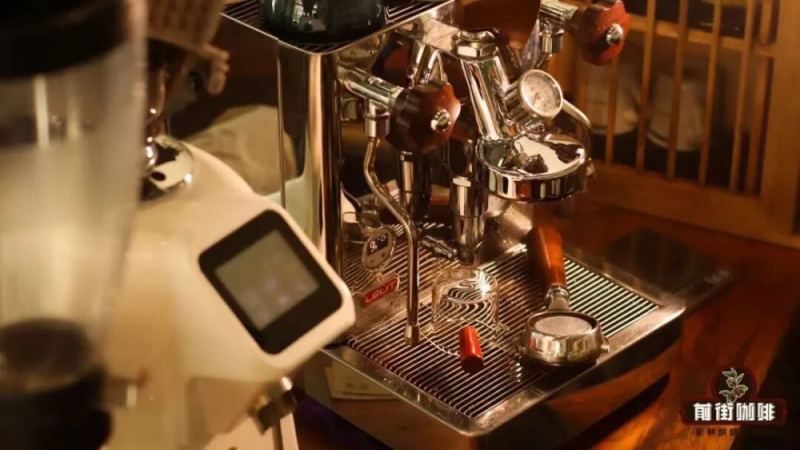
Which Coffee Machines Suit Home Espresso Beginners?
Home espresso machines fall into semi-automatic and fully automatic types, along with siphon, drip, and high-pressure steam devices. Models priced around three to four hundred yuan are often called toy machines because pressure fluctuates widely and extraction is uneven. A budget of 500 to 1,000 yuan suits beginners: operation stays simple, though crema is thin and output unstable.
Inside the machine, a boiler heats water that is pushed at high pressure through a finely ground, evenly tamped puck to yield roughly 30 ml of espresso. Semi-automatic models give the operator control over dose, tamping, and extraction parameters. Bean choice matters too, since different flavor preferences call for different home espresso beans, from Brazilian and Mandheling blends to fruit-forward recipes.
As brewing coffee at home becomes a daily habit, more and more enthusiasts are starting to try making espresso with home coffee machines. This article begins with machine types and price ranges, focusing on the differences between semi-automatic and fully automatic coffee machines, and recommends suitable home coffee beans for different flavor preferences, including Front Street. Brazil Queen's Estate, Front Street. Golden Mandheling, Front Street Strawberry Candy espresso, Front Street. Classic Italian Blend, etc. Finally, it breaks down in detail the complete steps for making espresso with a home semi-automatic machine, from distributing the grounds and tamping to adjusting extraction parameters, helping beginners make a cup of Italian coffee with rich crema and a balanced taste.
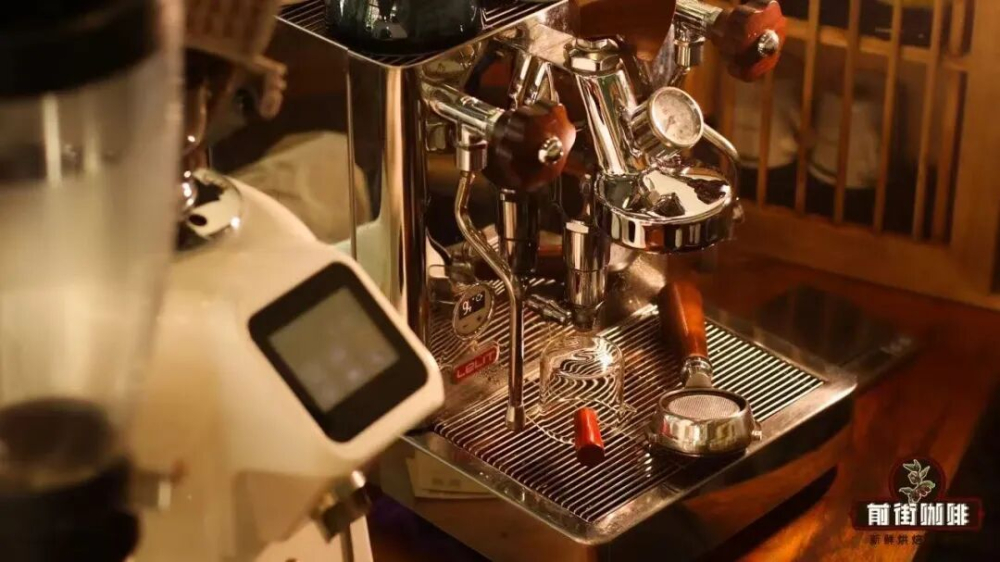
Coffee machines belong to a major category of brewing equipment, and there is a wide variety of models on the market, including both fully automatic and semi-automatic, as well as devices with different working principles such as siphon, drip, and high-pressure steam types. Nowadays, drinking coffee has long been integrated into many people's daily lives, and being able to brew it at home is both convenient and practical. So, when it comes to home coffee machines, how should coffee beans be selected? And how can beginners use a home machine to make a qualified espresso?
First, espresso machines priced at three to four hundred yuan are often jokingly called "toy machines," because such machines often have problems with large pressure fluctuations and uneven extraction, and may even make an obvious "da da da" noise while working. Getting a golden, thick layer of crema from them is almost impossible.
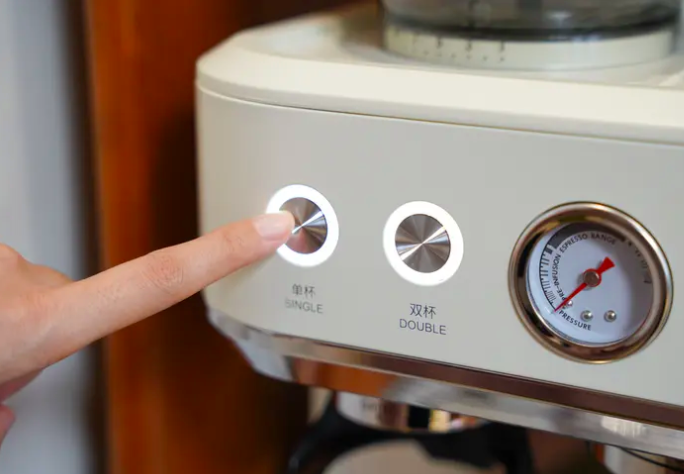
If you plan to get entry-level equipment, it is recommended to set your budget in the 500 to 1,000 yuan range. This tier is suitable for beginners who want to try espresso at a lower cost. Its characteristics are an affordable price and not-too-complicated operation, but the crema is thin, the espresso output is unstable, and the taste is relatively weak.
Coffee machines can be divided into different types such as semi-automatic and fully automatic according to their model. Inside the machine, there is a boiler to produce hot water, and then high-pressure water close to boiling is used to pass through a finely ground, evenly tamped puck of coffee grounds, ultimately producing about 30 milliliters of beverage with a rich taste and a layer of fine crema.
Semi-automatic models: equipped with one or more group heads, generally requiring a separate grinder, with a relatively short brewing time, able to efficiently meet the demand for large quantities of fast output in commercial settings, and with strong controllability, as the flavor and strength of espresso can be changed by adjusting various parameters;
Fully automatic models: with a built-in grinder, the entire process is completed automatically by the machine, and the brewing time is longer than that of semi-automatic machines,
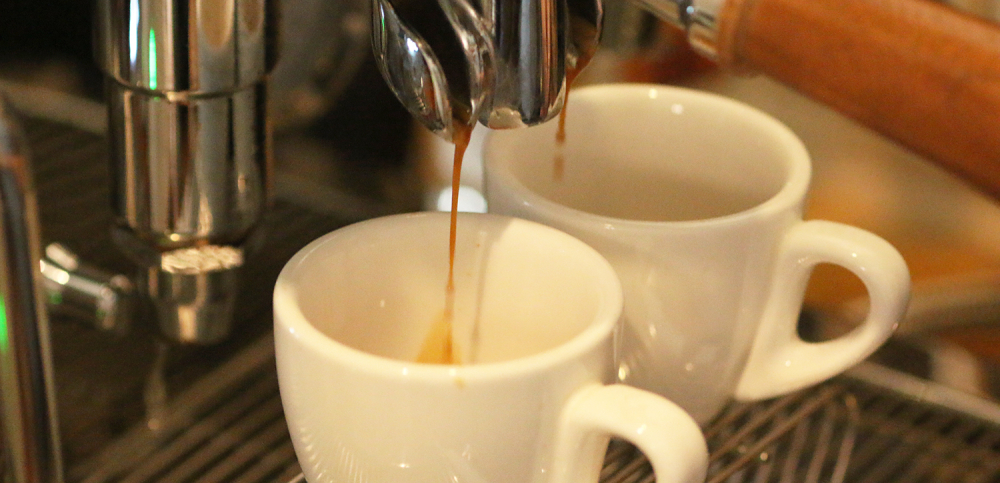
Due to the pressure-boosting function, espresso is not only rich in taste but also has a layer of fine coffee crema foam floating on the surface, namely Crema. This layer of crema tends toward golden and brown in color, and its aroma presents different styles depending on the coffee beans used. When making espresso, it is recommended to choose medium to dark roasted beans, as this will lead to a higher success rate.
What coffee beans are suitable to pair with a home coffee machine?
If you prefer SOE coffee with a distinctive style, you can choose Front Street. Brazil Queen's Estate with roasted peanut aroma, Front Street. Golden Mandheling with a primarily spicy profile, or Front Street Strawberry Candy espresso beans that can showcase floral and fruity notes.
If you pursue stable extraction and balanced flavor, then Front Street. Classic Italian Blend with rich crema and a mellow taste is recommended, as well as Front Street. Basic Italian Blend with balanced taste and high cost-effectiveness.
How do you make espresso with a home coffee machine?
Before extraction, first wipe the filter basket in the portafilter clean, start the grinder to grind a double dose of coffee grounds, and place it on an electronic scale to add or remove until it reaches 20 grams. Then use a distribution tool to level the surface of the grounds, and then use a tamper to apply force vertically downward to compact the puck, so that extraction will be more stable.
Next, turn on the extraction switch and let water run for 1 to 2 seconds to moisten the group head and rinse away any residual coffee grounds on it. Place an electronic scale under the cup that will catch the Espresso, tare the weight to zero, and during extraction place it together with the cup under the group head.
Gently lock the portafilter onto the group head and flip down the extraction switch. Pay attention to the state of the extracted liquid. When the electronic scale shows that the coffee liquid has reached 40 grams and about 30 seconds have passed, flip the switch down to stop extraction. Brewing parameters will change slightly with daily air humidity and the condition of the coffee beans, so the dose, grind setting, and amount of extracted liquid need to be adjusted accordingly.
Finally, prepare a 50-milliliter cup and pour the Espresso into it.
Espresso with water added is an Americano, and it can also be mixed with milk, syrup, cream, spices, etc., to make various flavored coffee drinks such as macchiato, cappuccino, latte, and mocha.
The above content is compiled by CoffeeHunters, a coffee news website.


