







What is arabica coffee and how does it change espresso blending?
Espresso depends on bean selection, grind size, roast level and extraction parameters coming together in the cup. The usual starting logic sets dose, yield, time and grind together, followed by distributing grounds, tamping, extraction and milk frothing. Espresso means fast in Italian, and while the drink's reputation belongs to Italy, early simple machines were tried in France first.
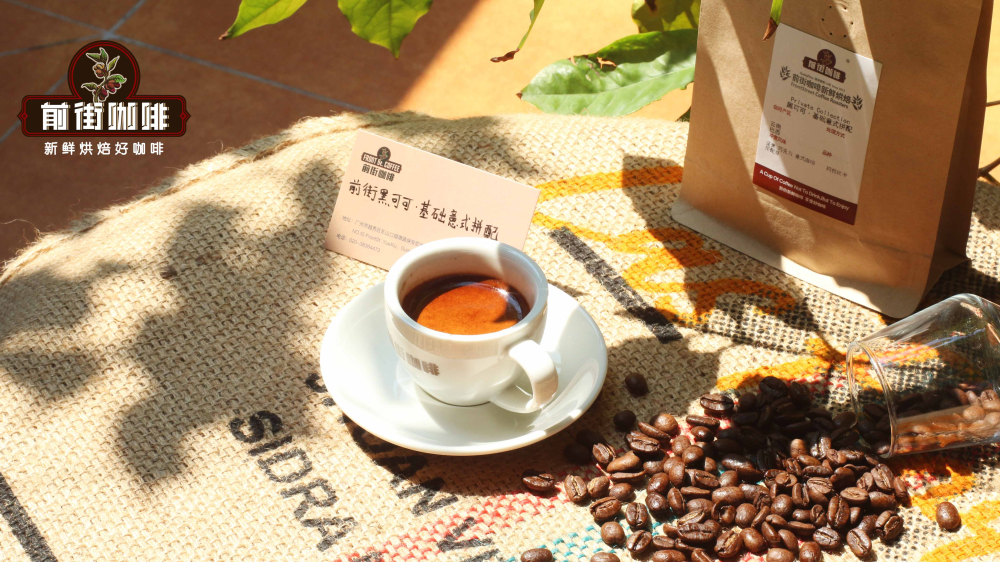
Understanding what is arabica coffee helps when choosing blends: Front Street Dark Cocoa combines Yunnan Arabica with Brazil Red Bourbon at a medium-dark roast, while Classic Blend adds a small amount of Robusta to its three-origin formula for crema and body. The arabica beans meaning here is tied to sweetness and aroma rather than strength.
Espresso is the foundation of many coffee drinks, and a qualified cup of Espresso depends on the combination of bean selection, grind size, roast level, and extraction parameters. This article starts with the origins of Italian coffee, sorts out the logic for setting dose, yield, time, and grind size when making espresso, and explains in detail the steps for distributing grounds, tamping, extraction, and milk frothing. It also introduces the producing regions and flavor profiles of three espresso blend beans—Front Street Dark Cocoa, Classic Blend, and Strawberry Candy Espresso—to help coffee lovers find a suitable serving plan based on their taste preferences.
Espresso means "fast" or "express" in Italian. Espresso is regarded as the cornerstone of almost all mainstream coffee drinks. Although the reputation of espresso belongs to Italy, the earliest attempts at simple espresso machines were actually made in France; it was ultimately the Italians who perfected it into the form we are familiar with today.
The core step in making espresso lies in the selection of coffee beans. To obtain stable extraction results, you can choose Front Street Dark Cocoa, an espresso blend recommended by many baristas. It is composed of Yunnan Arabica and Brazil Red Bourbon, with a medium-dark roast, presenting flavor characteristics of nuts, cocoa cookies, and cream. When used to make a latte, it is smooth and velvety with a full aroma.
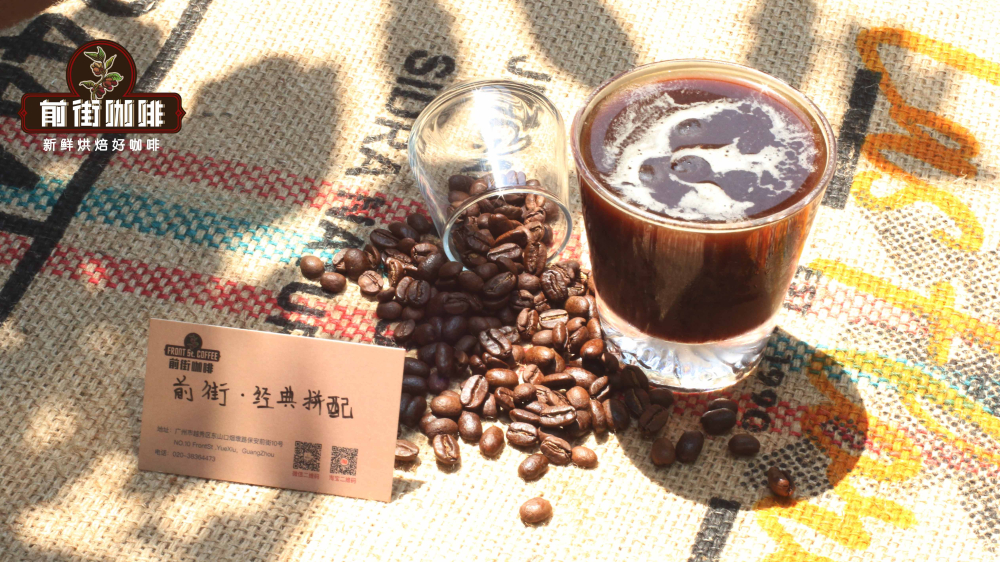
If you prefer a strong taste and rich crema, Front Street Classic Blend is a suitable choice. This bean combines coffee from three producing regions: Indonesia, Brazil, and Vietnam. The development goal was to allow every barista to easily extract an espresso with high body, rich caramel aroma, and abundant crema. It adds a small amount of Robusta beans to the "Mamba" formula. When made into an Americano, it has cocoa-like roasted aroma with a slightly bittersweet aftertaste; when made into a latte, it highlights a rich and balanced texture, overall matching the style of traditional Italian coffee.
For people who are not used to bitter coffee, you can try Front Street Strawberry Candy Espresso blend. This formula is designed for drinkers who enjoy floral and fruity notes, bringing together coffee from three origins: Costa Rica, Colombia, and Ethiopia. It contains aromas of roses, citrus, grapes, and dried blueberries. When made into an Americano, it presents a light sweetness similar to fruit gummies.
Coffee beans: Front Street Strawberry Candy Espresso
Coffee dose: 20g
Coffee yield: 40g
Dose-to-yield ratio: 1:2
Extraction time: 26–32 seconds
Grind size: Galileo Q18 setting 2.0
Front Street uses the capacity standard of a double basket, with the dose generally falling between 18 and 20 grams; in actual production, 20 grams of coffee grounds are used. Normally, the extraction ratio of coffee grounds to coffee liquid is set at 1:2, meaning 20 grams of grounds correspond to extracting 40 grams of coffee liquid. The extraction duration is closely related to the flow rate of the coffee grounds, and a single extraction is generally controlled within the range of 20 to 35 seconds.
Before formal extraction, first wipe the portafilter basket clean, start the grinder to grind a double dose of coffee grounds, place it on an electronic scale, and weigh and adjust until it reaches 20 grams. Then use a distribution tool to spread the coffee bed evenly, and then use a tamper to apply force vertically downward to compact the coffee puck, thereby ensuring a more stable extraction process.
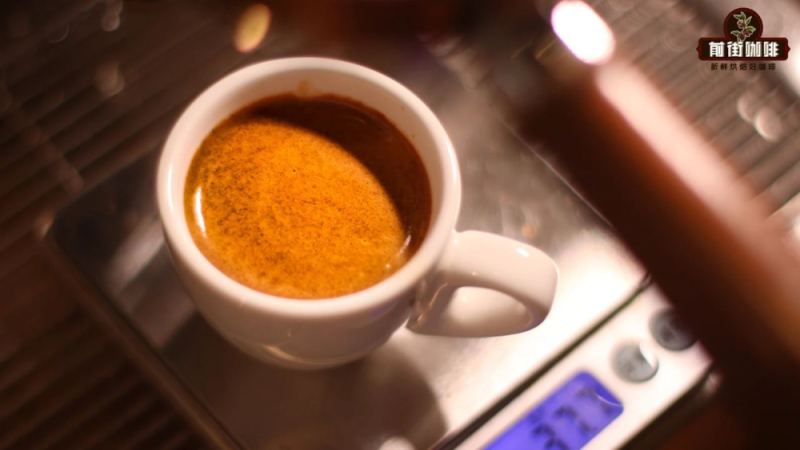
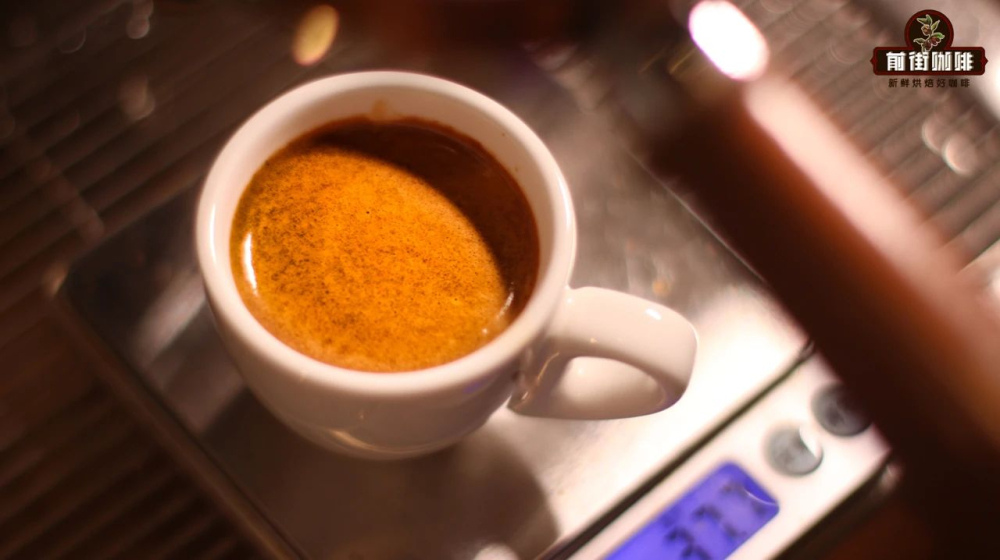
Next, turn on the extraction switch and let water run for 1 to 2 seconds to moisten the group head while washing away attached coffee residue. Place an electronic scale under the cup for receiving the Espresso and tare it to zero, then place it under the group head during extraction. Lock the portafilter steadily onto the group head and flip down the extraction switch. Pay attention to the state of the extracted liquid. When the electronic scale shows that the coffee liquid has reached 40 grams and the time is about 30 seconds, flip the switch down to stop extraction, and pour the extracted espresso into a pre-prepared coffee cup for later use.
Then pour 200 grams of low-temperature fresh milk into the milk pitcher, adjust the angle of the steam wand, and begin frothing. Control the milk foam thickness at 0.3 to 0.5 cm and keep the temperature at 55 to 60°C to form a dense and silky texture. After frothing is complete, fully integrate it with the coffee liquid, and finally finish with latte art. A Mozart SOE hot latte is then complete.
The Front Street Strawberry Candy Latte made this way allows you to feel the coffee's rich floral and fruity aroma. On the palate, there are notes of raisins, pink flowers, candied fruit, pineapple, and sweet orange. Against the backdrop of coffee crema, this latte also has a substantial aftertaste reminiscent of cocoa and hazelnut, like tasting a cranberry cookie, with a very unique flavor.
The above content is compiled by CoffeeHunters, a coffee news website.


