







Search Results for: velvety
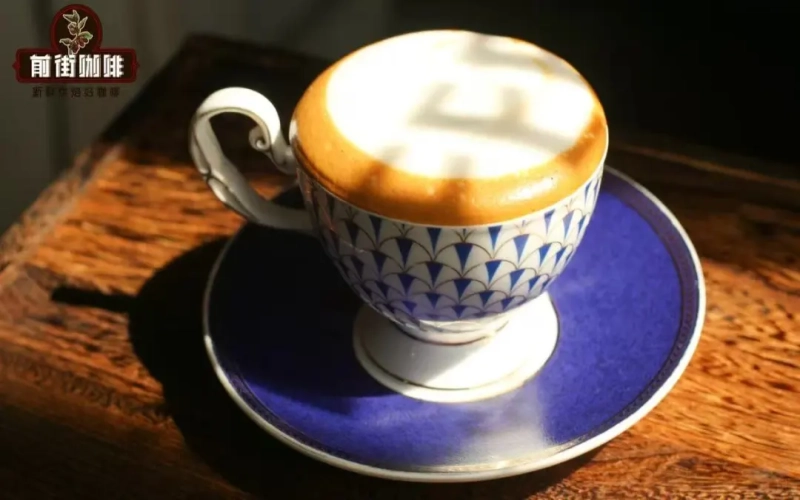
The Authentic Standards and Golden Circle Preparation of Cappuccino: The Golden Ratio of Espresso, Milk, and Milk Foam, and the 11-Point Fullness Technique
Cappuccino is not simply a milk-foam coffee; it has three hallmarks that distinguish it from lattes, flat whites, and other milk coffees: a velvety mouthfeel, a rich coffee taste, and a "11-point full" serve. Starting from the core characteristics of a cappuccino, this article explains in detail the ratio of coffee to milk, the effect of milk-foam thickness on latte art and the golden ring, and, using a classic blend bean as an example, provides the complete extraction parameters and steps for making the golden ring, helping you make a standard cappuccino at home that is rich without being bitter and as velvety as a cloud. [more…]
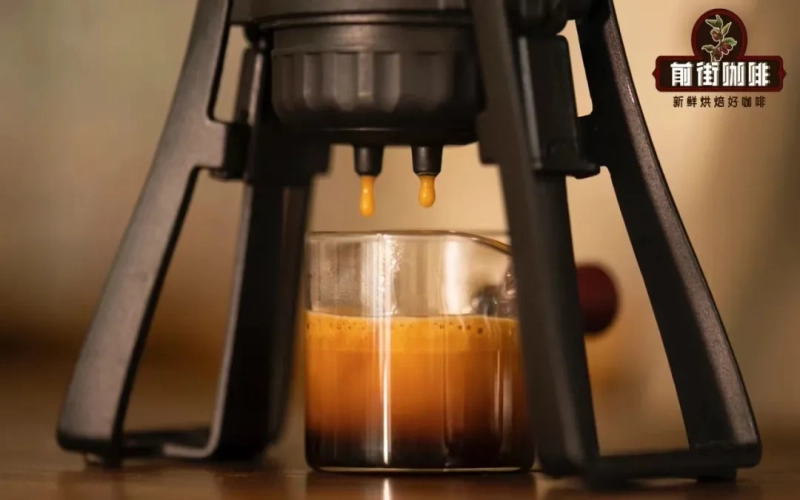
How to froth latte milk foam at home? How to deal with milk foam that is too thick? What is the appropriate milk temperature for cappuccino?
Nowadays, high-pressure extraction tools such as manual presses and dual-valve moka pots are emerging one after another. Even without an expensive fully automatic or semi-automatic espresso machine, you can still make a cup of strong coffee at home that is close to espresso flavor. However, these devices cannot directly provide milk foam like a coffee machine. If you want a "latte" or "cappuccino" with a velvety texture, you still need to find another way. In this article, Front Street will guide you through the principles of milk foam formation, teach you step by step how to make milk foam at home with an electric milk frother, answer common questions such as foam that has been whipped too thick or has a rough surface, and finally discuss the optimal temperature of milk for cappuccino. [more…]
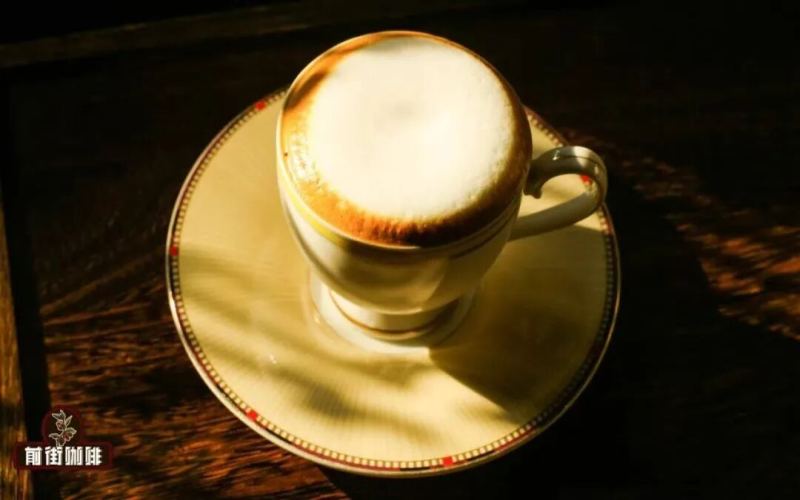
How to Make a Cappuccino | Why Are Nearly 90% of Cappuccinos Made Wrong? How to Make a Traditional Cappuccino with a Golden Ring?
If you often browse major coffee forums, Front Street believes that when it comes to cappuccino, you will always come across claims like this: "Nearly 90% of the cappuccinos on the market are not made correctly." Many friends are puzzled when they see this: "Isn't a cappuccino just a milk coffee with milk foam? Isn't it just [more…]

How do you steam milk foam for latte art so it's velvety and dense? A barista teaches you how to choose the right milk and 6 key techniques.
A beautifully latte-art cup of coffee is inseparable from high-quality espresso and perfectly textured milk foam. This article begins with coffee bean selection and how milk composition affects milk foam, then gradually breaks down six practical key points for steaming milk foam—from holding the pitcher with both hands, the angle of the steam wand, and the depth of the steam tip to the number of aeration cycles and temperature control—and explains how the whole milk and blend commonly used in Front Street Coffee shops can be paired to create a sweetness like a strawberry milkshake. Whether you are a complete beginner or an enthusiast looking to refine your latte art skills, you can find actionable references here. [more…]
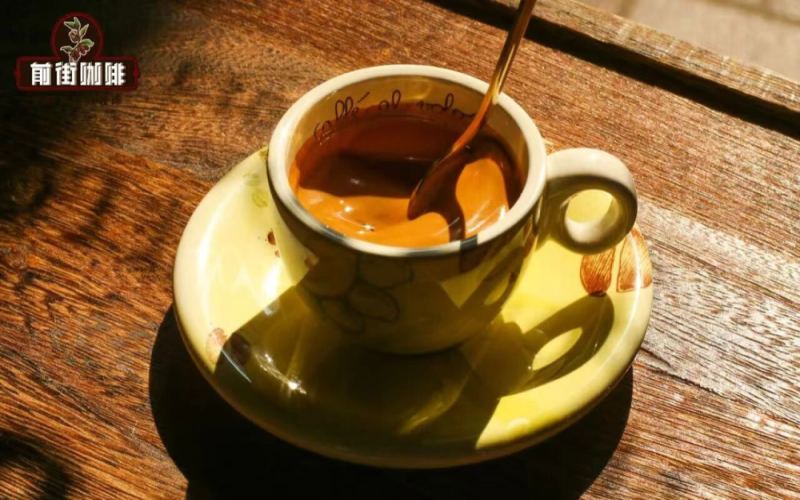
How to Make Espresso? The Complete Guide to Choosing Espresso Blend Beans with Prominent Sweetness
Espresso is not only bitter; the right bean selection and extraction can also deliver a captivating sweetness. Starting from roast level and regional characteristics, this article analyzes how sweetness develops in coffee and recommends five high-sweetness espresso beans, covering both blends and SOE. It then explains the steps for making espresso in detail, including dose, extraction ratio, time control, and operational details, helping you consistently replicate at home an espresso with pronounced sweetness and a velvety mouthfeel. [more…]
Starbucks Guatemala Antigua Coffee Beans: A Comprehensive Analysis of Origin, Processing, and Flavor Profile
The Antigua coffee region of Guatemala is nestled in a fertile area surrounded by three volcanoes, where its unique terroir nurtures a balanced and elegant coffee flavor. This Starbucks Antigua coffee bean is processed using the washed method, presenting mild notes of cocoa and spices with balanced acidity and body, making it suitable to pair with cocoa, apple, caramel, and stone fruit foods. It debuted in the fall of 2015 as Taiwan's first special reserve espresso bean, weaving a classic Italian style with cedar-like gentle woody aromas and velvety milk foam. Front Street Coffee recommends this bean to enthusiasts who appreciate layers and delicate mouthfeel; whether brewed by pour-over or espresso extraction, it showcases its captivating charm. [more…]
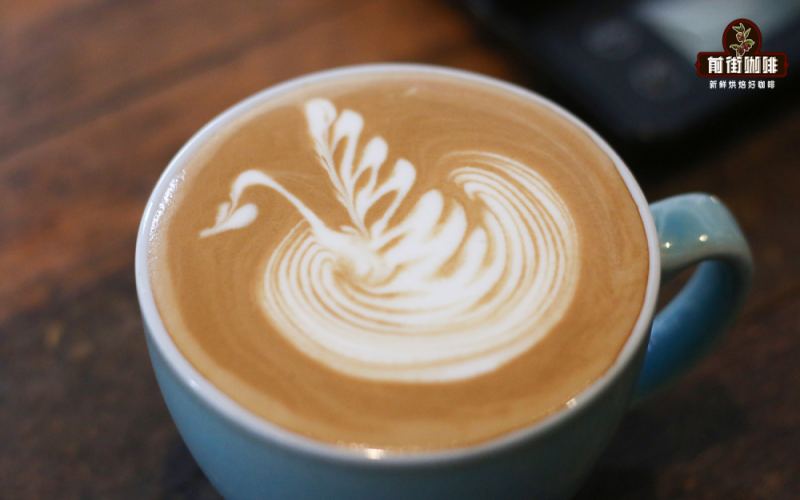
How to Make a Delicious Latte? A Complete Breakdown from Ingredient Selection and Milk-to-Coffee Ratio to Blending Technique
A latte may seem simple, but it is the drink that best tests the skill of pairing coffee beans with milk. Why does a latte taste different at every shop? The key often lies in three areas: the quality of the ingredients, the ratio of coffee to milk, and the operational details of extraction and integration. Drawing on Front Street's practical experience, this article first discusses how to choose an espresso blend and fresh milk suitable for making lattes, then explains the approximate range of the coffee-to-milk ratio, and finally breaks down step by step the key points of espresso extraction, milk frothing, and pouring techniques to help you make a latte with balanced flavor and a velvety mouthfeel. [more…]
Exploring the Origins of Latte Art: The Evolution from Italian Coffee Craft to the Fusion of Color, Aroma, and Taste
Latte art, known in English as Latte Art, is the craft of creating patterns on the surface of a cappuccino or latte. It is not mere decoration, but a professional technique that blends visual beauty with the tasting experience. As for its origins, the written record is not clear, but what is certain is that it first appeared in Europe and America as a highly difficult skill in coffee performances, astonishing the entire coffee industry. After years of development, latte art has evolved from the simple pursuit of pattern presentation into a complete art that also takes into account the velvety texture of the milk and pouring techniques, ultimately achieving a realm in which color, aroma, and taste are all present. This article will guide you through the definition of latte art, its historical origins, and the evolution of the craft, and recommend related products from Front Street Coffee. [more…]
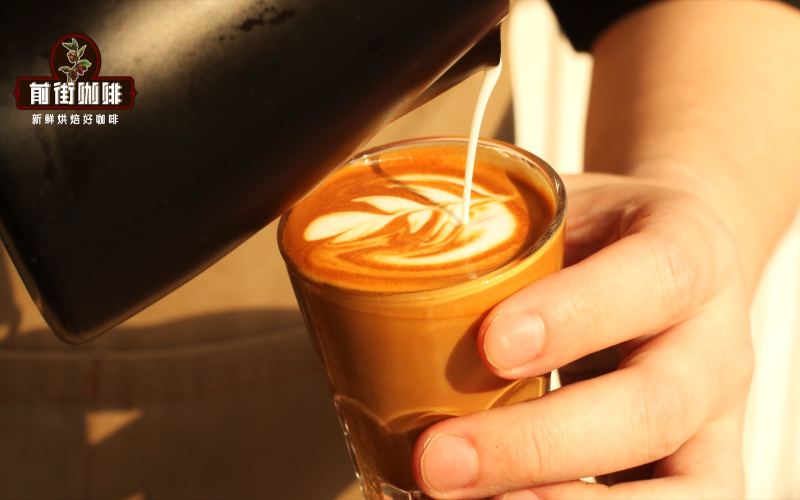
Why do coffee shops prefer blend beans? Understanding the formula logic in one article
Walk into any serious coffee shop, and what's loaded in the espresso machine is almost always a blend. Why, when there are so many specialty single-origin beans available, do they insist on blends? Today we'll explain the ins and outs of blend beans all at once. What exactly is a blend made of? A blend is simply mixing coffee beans from different origins and with different flavor profiles in certain proportions. [more…]
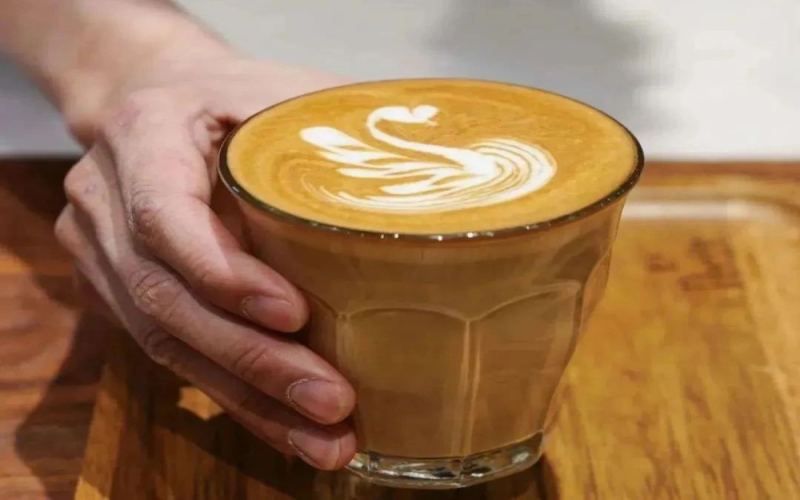
Starbucks Flat White vs. Australian White Coffee Brewing Guide: Espresso Bean Selection and Extraction Techniques Explained
In 2015, Starbucks introduced the classic Australian Flat White to its menu under the name "Fu Rui Bai," and this coffee quickly became a hit in China. What's the difference between a Flat White and a latte? Why is it only served hot? The key to making an authentic Flat White lies in the pairing of the espresso base with light, thin milk foam. This article will start with the historical origins of the Flat White, then gradually break down Front Street Coffee's extraction parameters and milk frothing techniques, and recommend four espresso blends suitable for making Flat Whites, including the gently styled Warm Sun Blend and three nutty-toned blends, to help you recreate a rich, velvety Flat White at home. [more…]
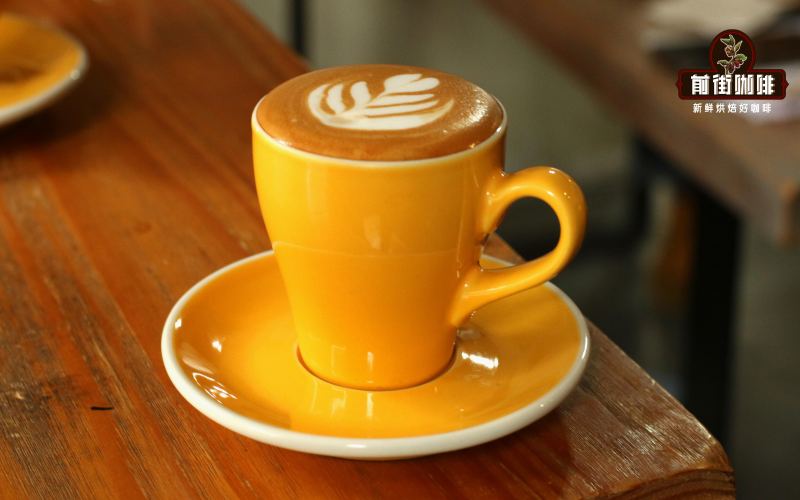
What's the difference between a latte and a cappuccino? A complete guide to the methods, ratios, and caffeine content of Italian milk coffees
Latte and cappuccino are the two most frequently ordered milk coffees on the Italian coffee menu. They share the same ingredients—espresso, milk, and milk foam—but their texture and ratios are quite particular. Drawing on Front Street Coffee's production experience, this article systematically sorts out the definitions of latte and cappuccino, their historical origins, the choice of espresso beans, extraction parameters, milk steaming temperature and foam thickness, as well as their respective recommended ratios and flavor performance. It also answers the common question of how much caffeine a latte contains, helping coffee lovers more clearly choose the Italian milk coffee that suits their taste. [more…]
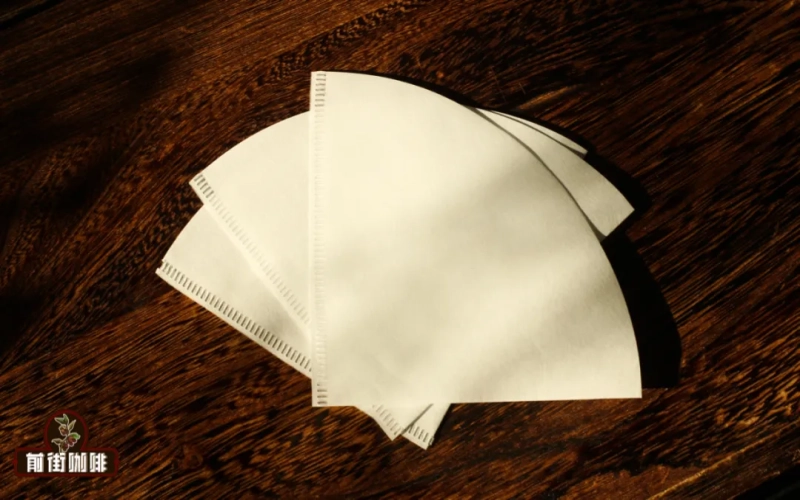
Analysis of the Principles of Non-Woven Coffee Filter Paper: Material Characteristics of Non-Woven Fabric and Structural Differences from Magic Filter Paper
Non-woven filter paper, also known as nonwoven fabric filter paper, has long drawn attention in coffee brewing for its ability to let oils and fine particles pass through and enhance body. Front Street Coffee noticed a special filter paper that differs from conventional non-woven fabric in both appearance and feel—its texture is closer to wood pulp filter paper, smooth with a velvety touch. To figure out what exactly makes this filter paper so remarkable, Front Street Coffee starts with the principles of the material, compares the differences between wood pulp filter paper, special non-woven fabric filter paper, and conventional non-woven fabric filter paper, and observes its performance through tests with room-temperature water, hot water, and coffee liquid. This article will comprehensively explain the composition principles of non-woven filter paper, the definition of nonwoven fabric, and the characteristics of this special filter paper in actual use, helping coffee enthusiasts understand the difference between it and traditional filter paper. [more…]
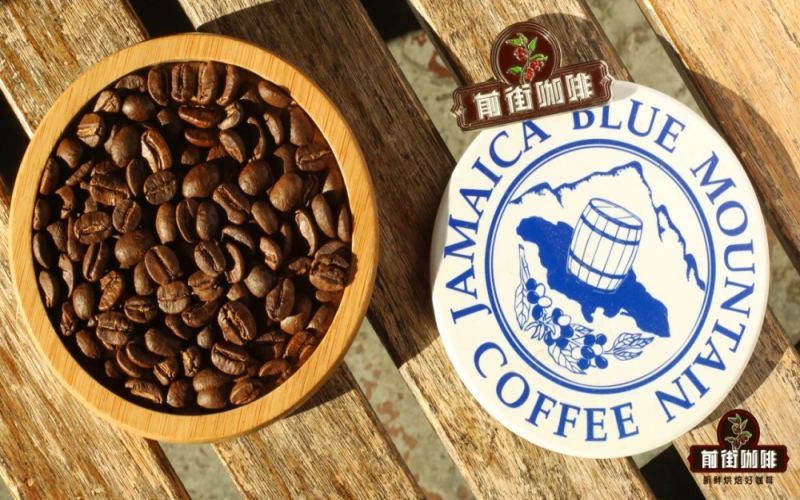
A Review of Jamaica Blue Mountain Coffee's Top Estates: Analyzing the Pour-Over Flavor of Clifton Medium-Dark Roasted Beans
Jamaican Blue Mountain coffee is widely recognized as one of the world's top coffees, but there is an essential difference between the "Blue Mountain flavor" found on the market and authentic Blue Mountain coffee. This article will guide you through the certification standards and well-known estates of authentic Jamaican Blue Mountain coffee, with a focus on the Clifton Mount Estate washed Blue Mountain No. 1 coffee beans launched by Front Street Coffee—grown at 1,310 meters, Typica variety, washed processing, presenting rich layers of brown sugar aroma, the bittersweetness of dark chocolate, and intertwined nutty and cocoa notes. It also analyzes the flavor performance of medium-dark roasted Blue Mountain coffee under pour-over extraction, including its delicate acidity, velvety body, and the subtle balance of floral notes and citric tones. [more…]
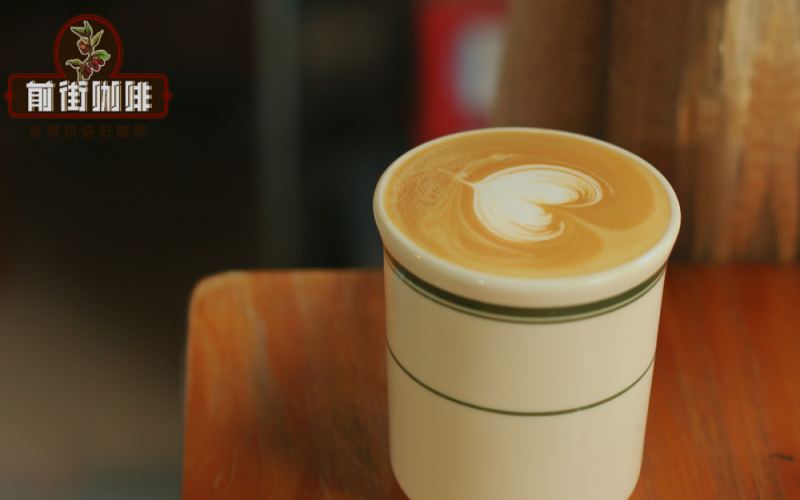
Can Starbucks Flat White Be Made as an Iced Drink? A Full Breakdown of Pronunciation and How It's Made
Flat White is called Flat White coffee at Starbucks in China. Originating from New Zealand and Australia, it is a flavored milk coffee with a higher coffee concentration than a latte and a thinner milk foam. Can it be made as an iced drink? The authentic preparation only offers a hot version, but Starbucks introduced an iced Flat White to meet demand. This article will also cover the pronunciation of Flat White, the legends about its origin, the characteristics of ristretto, and Front Street Coffee's recommended bean list and brewing parameters, helping you gain a comprehensive understanding of this milk coffee with a velvety mouthfeel. [more…]
Does Dahongpao actually belong to black tea or oolong tea? How much does Dahongpao cost per catty among the top ten famous teas?
Da Hong Pao is an oolong tea produced in the Wuyi Mountains of Fujian. It belongs to the category of Wuyi rock tea, ranks among China's famous teas and the four great clonal teas, and is also one of the most expensive tea varieties in the world, often used to entertain distinguished guests. Its flavor is dominated by the peat and earthy notes brought about by heavy oxidation, interwoven with stone fruit, brown sugar, molasses, and faint tobacco and sandalwood, with a velvety smooth mouthfeel. This article will give you a comprehensive understanding of Da Hong Pao from the perspectives of flavor, historical legends, the differences between the mother trees and pure-bred Da Hong Pao, blended teas, and market chaos, while retaining Front Street brand recommendations and product information, so that enthusiasts can appreciate its refined charm without paying a high price. [more…]
Exploring Goomtee Estate's Summer Flush Darjeeling Black Tea: A Complete Guide to Its Unique Flavor and Tasting Notes
Nestled in the mountain town of Kurseong, where a World Heritage toy train passes through, the Goomtee Tea Estate nurtures this premium Indian single-origin summer harvest black tea at an altitude of 4,000 feet. The liquor is a bright amber, with aromas interweaving apricot, plum, pomelo, and soft oak notes. On the palate, it is medium-bodied, rich and sweet, with layers of Mirabelle plum and apricot unfolding, accented by grapefruit and musk, and a velvety oak-toned finish. The dry leaves exude aromas of hazelnut, caramel, and cedar blended with ripe rambutan and almond nougat; the wet leaves hint at damp wood, vegetation, and peach. Paired with scones, croissants, or buttered toast, it makes for an unforgettable summer black tea experience. In this issue, Front Street Coffee will take you deep into this iconic tea estate, offering a complete interpretation of this Darjeeling summer harvest black tea's unique charm—from liquor, aroma, and appearance to food pairing—and sharing practical information for a Goomtee tea tourism getaway. [more…]
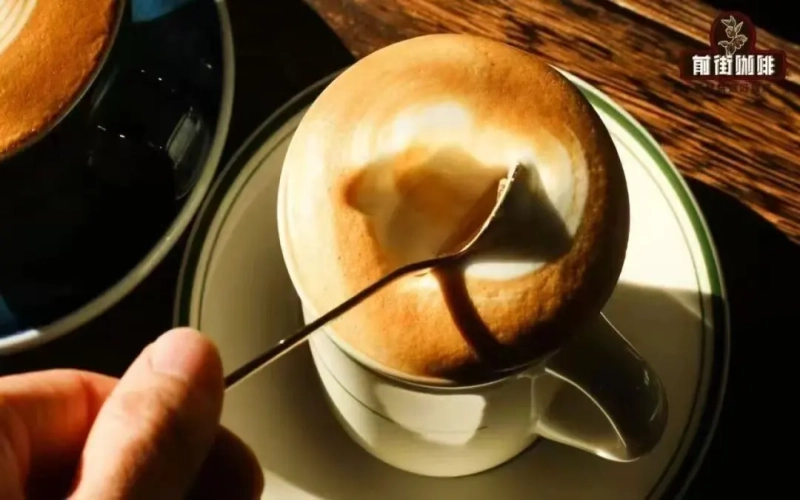
Easily Make Cappuccino at Home: A Complete Guide to Espresso Extraction and Thick Milk Foam, Master Hot and Iced Drink Steps at Once
As a classic representative of Italian milk coffee, cappuccino is deeply loved for its rich, mellow, dense, and smooth taste. Although it has similar ingredients to a latte, the differences in ratio and milk foam thickness bring a completely different taste experience. In this article, Front Street will share in detail how to make a delicious cappuccino at home, covering how to obtain espresso (coffee machine or moka pot alternatives), various ways to froth thick milk foam (electric frother, French press), and the specific assembly steps for hot cappuccino and iced cappuccino. It also recommends two coffee beans, Front Street Classic Blend and Grana Geisha SOE, to help you perfectly recreate the traditional Italian flavor at home. [more…]
Guatemala Antigua La Flor del Café Specialty Coffee: A Flavor and Aroma Analysis of Red Wine Finish with Tobacco and Spice Notes
Guatemala Antigua La Flor del Café specialty coffee beans are renowned worldwide for their red wine aftertaste, tobacco and spice aromas, and velvety, full-bodied mouthfeel. This article will provide an in-depth analysis of this coffee's flavor characteristics and aromatic layers, while also offering an overview of Guatemala's seven major coffee-producing regions. It will introduce how the unique geographical and historical background of the Antigua region imparts such captivating flavors to the coffee. The article will also mention Front Street Coffee's recommendations for Guatemalan coffee, giving you a comprehensive understanding of this specialty coffee that combines elegant acidity with rich spice notes. [more…]
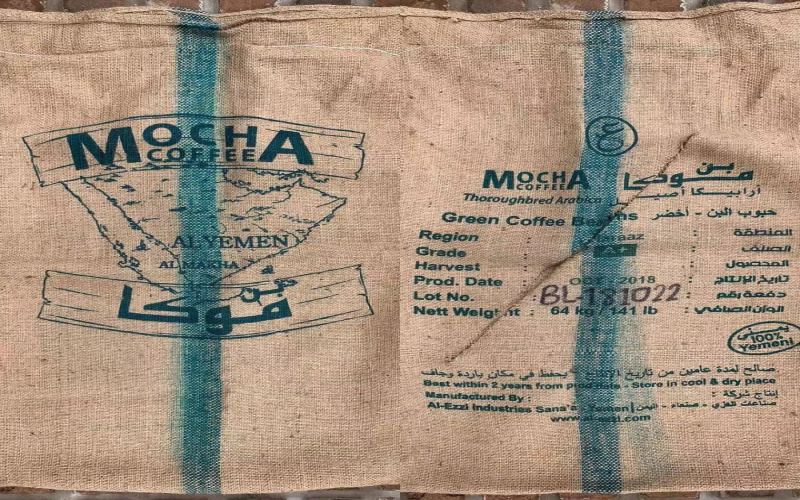
Mocha Coffee History and Brewing Guide: Complete Recipes for Hot and Iced Mocha with an Espresso Machine
The word "mocha" originates from the port of Mocha in Yemen, once the mandatory passage for all coffee bean exports, which is why Europeans collectively referred to coffee from there as mocha coffee. Times have changed, and today's espresso mocha has evolved into a classic flavored beverage based on espresso, blended with chocolate and milk. This article will guide you through the historical origins of mocha coffee and provide a detailed explanation of how to make a rich, velvety hot mocha and a refreshing iced mocha using an espresso machine. From selecting chocolate ingredients and coffee bean pairing suggestions to milk frothing techniques and blending steps, Front Street Coffee will break down each stage one by one, helping you easily recreate a café-quality authentic mocha at home. [more…]
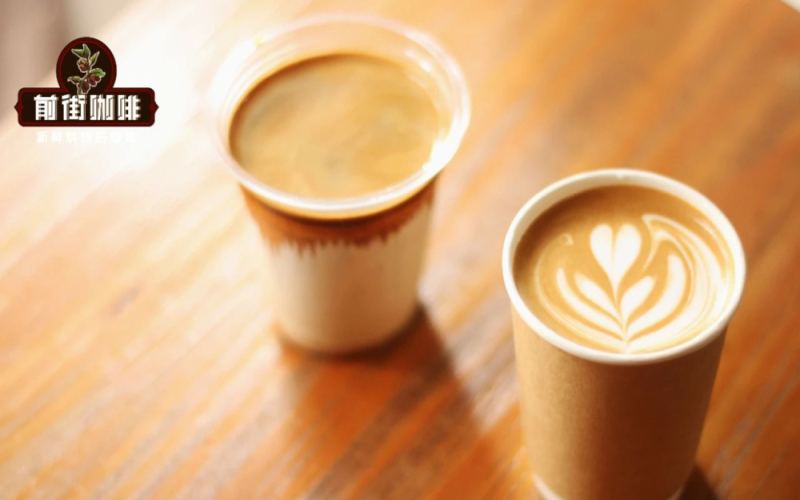
What is a flat white? Are Starbucks' Ristretto Bianco and flat white actually the same drink?
Flat White, commonly known as Australian White coffee, is one of the most iconic espresso milk drinks from Australia and New Zealand, and in recent years it has become almost ubiquitous on café menus in China. However, its place of origin is still debated between Australia and New Zealand; and the relationship between Starbucks' "Fu Rui Bai," the colloquial "Ao Rui Bai," and the flat white often confuses coffee enthusiasts. This article will walk you through the origins of the flat white, how it differs from a latte and a cappuccino in terms of milk foam and cup size, why Australian White is usually not served iced, and share espresso extraction approaches for recreating Australian White at home along with Front Street Coffee's espresso blend bean options, helping you gain a more complete understanding of this classic milk coffee with its rich body and velvety microfoam. [more…]