







Walk into any serious coffee shop, and what's in the espresso machine is almost always a blend. Why, when there are so many specialty single-origin beans to choose from, do they insist on blends? Today we'll explain the ins and outs of blended beans all at once.
What exactly is being blended?
Blending means mixing coffee beans from different origins and with different flavors in certain proportions, so they complement each other and form a coffee bean with stable flavor and a clear personality.
Single-origin beans are like solo singers—distinctive in character but also temperamental, their flavor wavering with the season or the batch. Blended beans are like a well-coordinated band: no matter which year's or which batch's raw materials come in, they can be tuned back to the same tune. This is exactly what coffee shops value most: the latte you drink today must taste the same as yesterday's and tomorrow's.
There are two ways to blend: green bean blending and roasted bean blending. Green bean blending is mixing green beans from different origins in proportion and then roasting them together, which gives a higher degree of flavor integration but places great demands on the roaster. Roasted bean blending is roasting separately and then mixing, which offers greater flexibility, allowing the most suitable roast profile to be chosen for each bean. Front Street Coffee's blended beans mostly use green bean blending, pursuing deeper flavor integration.
Advantage One: More controllable crema performance
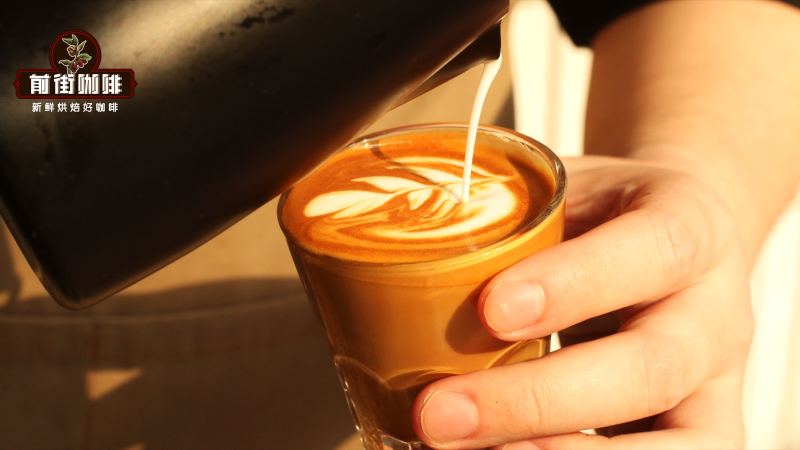
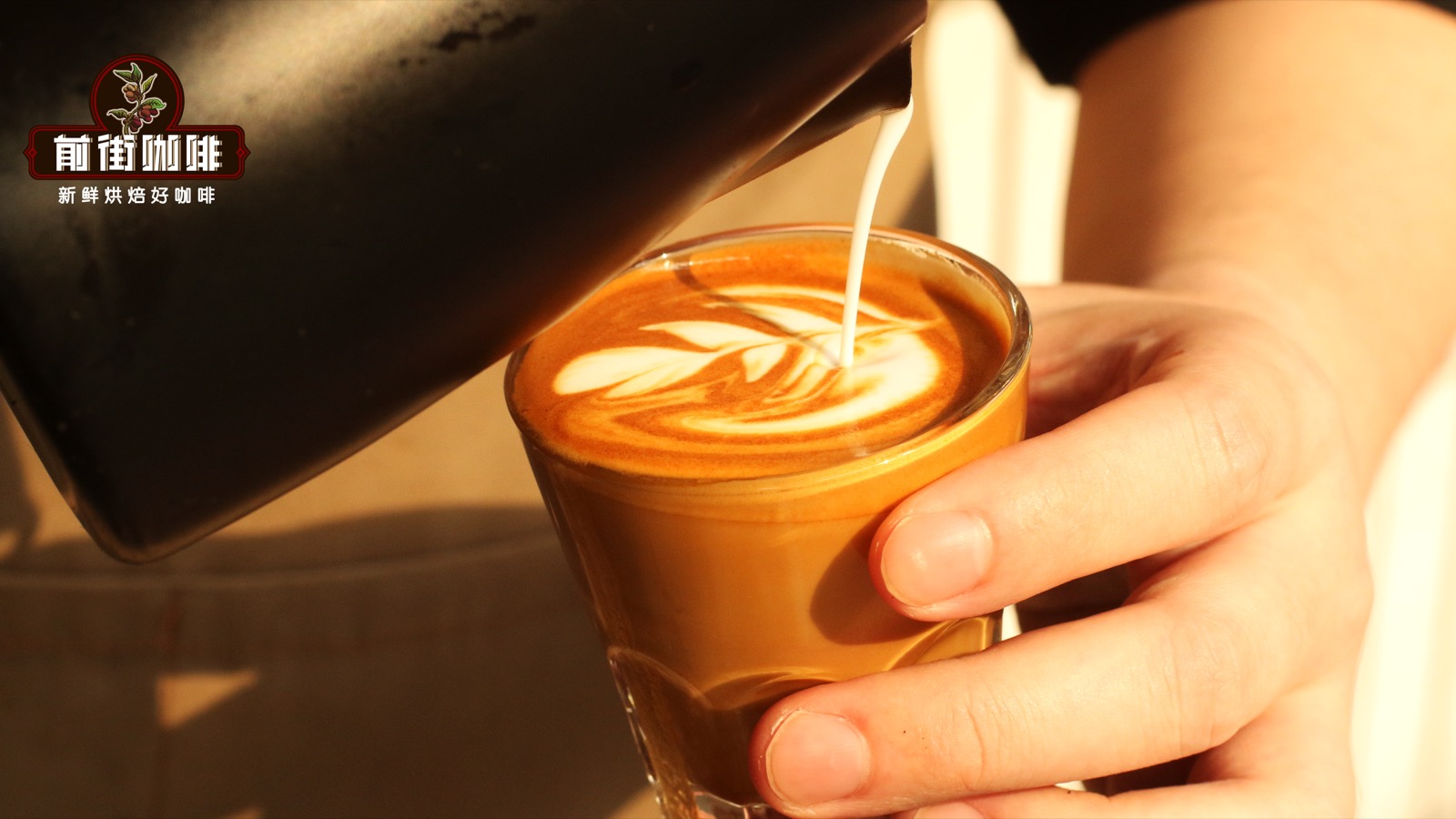
For espresso, crema is the soul. The velvety mouthfeel and beautiful latte art of lattes, cappuccinos, and Dirty all rest on good crema.
When designing a blend recipe, optimization is done specifically for crema—choosing bean varieties with good crema performance as the base and adjusting the roast profile, so the crema is both velvety and long-lasting. This is also one of the reasons coffee shops achieve consistent output.
Advantage Two: A balance between cost and quality
Specialty single-origin beans are expensive and limited in supply, making it hard to sustain a shop's daily consumption. Blended beans can flexibly combine beans at different price points, keeping costs under control while guaranteeing flavor standards.
For example, in a blend, a moderately priced Brazilian bean can serve as the base to provide body and sweetness, paired with a slightly more expensive Colombian bean to add layers, and finally an ordinary Arabica bean to increase crema and richness. The combination of three beans keeps the total cost manageable, while the flavor performance far exceeds the effect of using any one of them alone.
Three classic blends to understand the approach
Front Street Coffee Classic Blend—the standard answer born for espresso. Designed specifically for espresso making and moka pots, with outstanding crema performance; even beginners using a non-professional home machine can extract velvety crema. A traditional Mamba recipe, rich and mellow in mouthfeel, it is the first espresso blend for many people just getting started.
Front Street Coffee Specialty Blend—a classic recipe used in stores for ten years. The espresso blend bean used longest in Front Street Coffee's stores, combining Brazil Cerrado and Colombia Huila, with a classic flavor—simply the most familiar espresso taste in memory.
Front Street Coffee Commercial Blend—the cost-effective mainstay for shop owners. Priced lower than the Specialty Blend, with a recipe optimized specifically, it guarantees both taste and cost control, adapting to various commercial scenarios.
The reason blended beans have become the standard in coffee shops is that they solve three things at once: stable flavor, controllable crema, and reasonable cost. For those opening a shop, it is the confidence behind the business; for home users, it is a reliable helper for consistent daily output.
The above content is compiled by CoffeeHunters, a coffee news website.

