







Search Results for: usage tutorial

Dirty Coffee Making Tutorial: Key Points on Layering Principles, Ice Usage, and Cup Selection
Dirty coffee, with its striking layers of hot espresso and cold milk, has become a phenomenon in recent years. However, many enthusiasts who try to recreate it at home often find the result far from expectations due to overlooked details. Drawing on observations from Front Street, this article systematically breaks down the most error-prone steps in making Dirty coffee, including how to achieve a true layered effect, the necessity of using ice cubes, and the impact of glassware choice on the experience. Whether you are a beginner just discovering Dirty coffee or a seasoned coffee enthusiast looking to refine your skills, these key points are worth noting to help you avoid common pitfalls and craft a proper Dirty that delivers on both visuals and taste. [more…]

Home Fully Automatic Coffee Machine Buying Guide and Operation Tutorial: From Usage Steps to Price Reference
Home fully automatic coffee machines have become a popular choice for many households and office settings thanks to the convenience of one-touch grinding and brewing. This article will provide a systematic guide to using this type of equipment for those who are new to it, covering everything from machine classification and ingredient preparation to startup operation and daily maintenance. It also offers specific advice on selecting coffee beans, including the difference between single-origin beans and espresso blends, and recommends several Front Street Coffee products suitable for home use, such as Huakui SOE and Classic Blend. Whether you want to understand the operating process or find purchasing references, this guide can provide practical help. [more…]

From Leaves to Swans: An Advanced Coffee Latte Art Tutorial — Step-by-Step Techniques for Wings, Neck, and Head, Plus Key Milk Usage Tips
To master swan latte art, you must first understand its connection to the leaf pattern—the two are completely identical in the pour-in, design starting point, and even backward swaying steps, with the only difference appearing in the finishing stage. A leaf is finished directly after the swaying ends, while a swan, after completing the body, still needs to shape the wings, neck, and head. This article breaks down the key movements one by one in three parts—wings, neck, and head—and explains the strict requirements that composite patterns place on milk volume and milk foam texture, helping those who have already learned the leaf to advance smoothly. [more…]

Pour-over Dripper Usage Tutorial | Which Coffee Beans Are Suitable for Brewing with the Kono Dripper? Introduction to the Kono Dripper's Extraction Principles and Coffee Flavors
The KONO dripper, like the Hario V60, is cone-shaped. The biggest difference lies in the height of the ribs. KONO has 12 ribs that are lower than those of the Hario V60, which helps with airflow during brewing and increases the efficiency of the bloom. When the KONO dripper is used together with its server, it's like [more…]

Why Should a New Moka Pot Be Boiled Empty Three Times Before First Use? A Full Explanation of the Seasoning Principle and Usage Details
Friends who have just gotten their hands on a moka pot often see a tip in tutorials: before officially using a new pot, you need to do a trial brew two or three times, and the brewed coffee liquid should be discarded directly. What is the reasoning behind this practice? In fact, for the seasoning process of a new moka pot, it is not recommended to use only clean water for the trial brew, because without the resistance of coffee grounds, hot water can easily splash under pressure, posing a scalding hazard. The main purpose of the first few trial brews is to clean the internal gaps of the pot and any impurities that may remain, so Front Street recommends discarding the liquid from the first three brews rather than drinking it. If you want to reduce waste, you can also use old dark-roast stale beans to season the pot, and once the cleaning effect is achieved, switch to fresh beans for official extraction. In addition, there are many details worth paying attention to when using a moka pot, such as water volume control, grind size selection, filling the filter basket, and daily cleaning and maintenance, all of which directly affect the extraction results and safety of use. [more…]
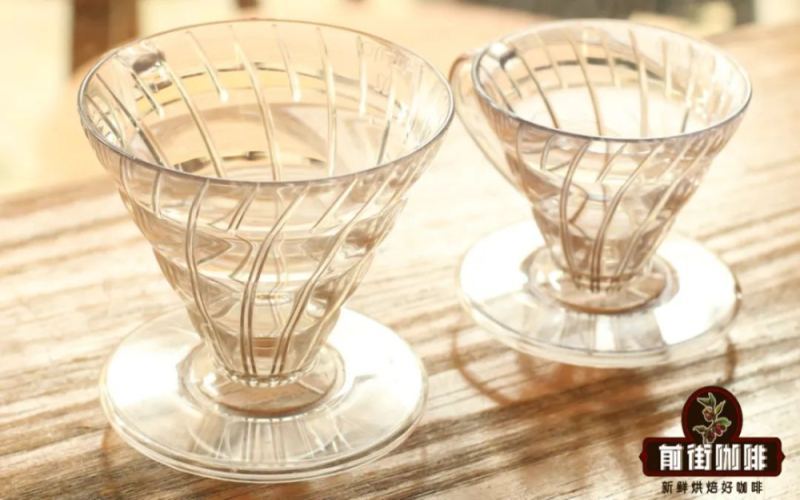
Analysis of the Differences Between Size 01 and 02 Drippers: Why It's Hard for a Large Dripper to Replicate the Deliciousness of a Small One
Many coffee enthusiasts share this confusion: they can consistently brew delicious coffee with a size 01 small dripper, but when they switch to a size 02 large dripper, the results are always disappointing. This is not a regression in skill, but rather an essential difference in structure and usage logic between large and small drippers. The 01 dripper corresponds to 1–2 servings, while the 02 dripper corresponds to 3–4 servings. The difference is not just capacity—the drainage hole, bed depth, and flow rate all change with size. Front Street Coffee's brewing tutorials use the 01 dripper as the standard, but if the same technique is applied directly to the 02 dripper, over-extraction easily occurs due to excessively long extraction time. This article will analyze the core differences between the two drippers in depth and provide adjustment plans for the larger dripper, helping you brew satisfying coffee even with the 02 dripper. [more…]

Espresso Beans | Can a Super-Automatic Coffee Machine Use Single-Origin Coffee Beans? Introduction to Espresso Coffee Powder-to-Water Ratio, Grind Size, and Extraction Time Parameters
For more specialty coffee knowledge, please follow: Front Street Coffee (Frontsteet Coffee) In Front Street's view, household fully automatic coffee machines, with their simple and convenient operation, allow you to easily grind coffee beans and brew aromatic coffee with just one press of a button, and are deeply loved in homes and offices [more…]

How to choose beans and operate a home fully automatic coffee machine? Will single-origin beans taste unbalanced when used for espresso?
With the convenience of one-touch grinding and brewing, household fully automatic coffee machines have become the preferred equipment for many homes and office settings. But those who have just gotten one are often puzzled: what kind of coffee beans should they pair it with? Will using single-origin beans to make espresso produce strange flavors? This article will systematically sort out the types of beans suitable for fully automatic machines, including several single-origin and blend recommendations from the Front Street Coffee brand, and will also include a complete operating guide covering preparation, powering on, adding beans and water, and cleaning and maintenance, to help you get started quickly and easily make a cup of coffee you are happy with. [more…]

Bialetti Moka Pot Operation Tutorial: Grind Selection Tips and Five Front Street Coffee Espresso Bean Recommendations
The moka pot is known overseas as an espresso pot, and its original design intent was to allow home users to make espresso without a professional espresso machine. Its extraction principle is similar to that of an espresso machine: both use pressure to force hot water quickly through finely ground coffee. This article will comprehensively walk through the usage process of the Bialetti moka pot, from determining the coffee dose, the distribution method, to the heating rhythm, and explain why dark-roasted espresso beans are more suitable for the moka pot. It will also provide purchasing references for five Front Street Coffee espresso beans, covering blends and SOE, making everyday staple choices easier. [more…]

The Complete Moka Pot Manual: From Coffee-to-Water Ratio to Coffee Bean Selection, a Hands-On Tutorial from Front Street Coffee
The moka pot is an essential coffee brewing device in nearly every Italian household—it is said that eight out of every ten Italian families own one. In China, however, the moka pot has a relatively smaller audience, and there has long been a lack of systematic and comprehensive instruction on how to use it. This time, Front Street Coffee has put together a dedicated moka pot brewing guide, starting with the structure of the device and the principles of extraction, answering common questions one by one about coffee dose, water volume, grind size, and more, offering recommendations for coffee beans suitable for the moka pot, and finishing with detailed step-by-step instructions. Whether you are a beginner who has just gotten your first moka pot or a seasoned user looking to improve your results, you will find practical guidance here. [more…]
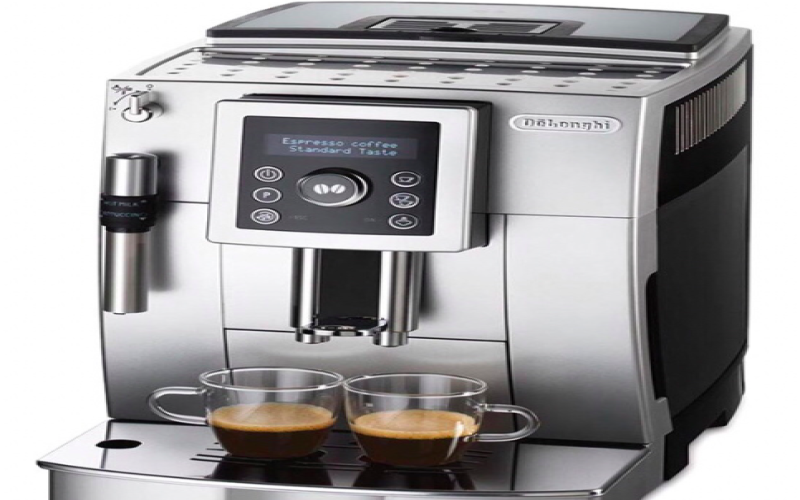
Automatic Coffee Machine Tutorial | What Type of Coffee Beans Are Suitable for Automatic Coffee Machines? 8 Recommended Specialty Coffee Beans for Making Americano with Home Coffee Machines
There are mainly two types of household coffee machines: one is the semi-automatic coffee machine, which requires more steps and parameters to operate, and the other is the fully automatic coffee machine, which with just one press of a button easily grinds coffee beans and brews a rich, aromatic cup of coffee, making it highly popular in homes and offices. It is precisely because of its simple functionality that making [more…]
AeroPress: A Coffee Brewing Tool Without a Standard Answer, From Its Origin Story to a Full Inverted Method Tutorial
Beyond pour-over, there is another brewing device that is highly sought after by enthusiasts for its exceptional degree of freedom: the AeroPress. It was developed over twelve years by Alan Adler, founder of the Aerobie brand, and officially launched in 2005. AeroPress extraction combines both immersion and pressure mechanisms, and operationally splits into two paths: upright (standard) and inverted brewing, with virtually all parameters freely adjustable. It is precisely this openness that spawned a small friendly competition initiated by Tim Wendelboe in 2008, which gradually grew into a world-class event. This article will take you through the origins of the AeroPress, and include a universal inverted brewing recipe shared by Front Street Coffee, tested with Kenya Asalia beans. [more…]

Moka Pot Usage and Tips | Is Your Moka Pot Coffee Always Bitter and Burnt? Recommended Affordable, Great-Tasting, Non-Bitter Coffee Beans Worth Buying for Moka Pot Enthusiasts
As a recognized high-value home coffee gadget, the moka pot is actually far less complicated to use than you might imagine. There's no need to be bound by too many precise data and parameters; as long as you grasp the following key points, the rest can be freely adjusted to your taste preferences, letting you easily brew a delicious cup of coffee. No. [more…]
The Complete Guide to the Moka Pot: Name Origins, Usage, Structure, Principles, and Brewing Techniques
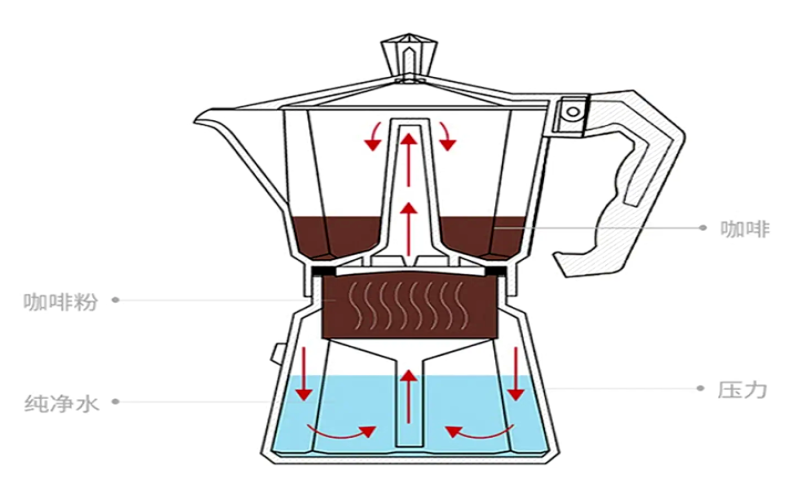
The Moka pot, as a classic home coffee device, is widely popular for its simple operation and affordable price. But do you know why it is called a "Moka pot"? What is unique about its structure? And what are the essential differences between it and an espresso machine? From the perspective of Front Street, this article will systematically introduce the Moka pot's three-part construction, its pressure-extraction principle, the differences between single-valve and dual-valve models, and provide a detailed breakdown of the complete operating process from adding water, grinding, filling the grounds, to heating and extraction. At the same time, it will objectively analyze the pros and cons of the Moka pot to help you determine whether it suits your home coffee setup. Whether you are a beginner just starting out or an enthusiast looking to refine your skills, you will find practical references here. [more…]
Moka Pot Operation Guide: From Construction Principles to Five-Step Practice, with Daily Usage Notes
As a direct-fire strong coffee device, the moka pot has become the top choice for many coffee beginners thanks to its affordable price and simple operation. It forces hot water through coffee grounds via steam pressure, extracting a rich and mellow coffee liquid with both acidity and bitterness and a small amount of oils. This article will start with the moka pot's structure and extraction principle, gradually break down five operating steps, and share the details that need attention in daily use. In the article, Front Street Coffee uses its own classic espresso blend beans as an example to demonstrate the complete brewing process of a three-cup Bialetti pot, while also giving practical suggestions on grind size, dose control, heating intensity, and other aspects, helping enthusiasts consistently produce a cup of rich, aromatic coffee. [more…]

Moka Pot Coffee Maker Usage Illustrated Guide | How to Determine the Grind Size of Coffee Powder for Moka Pot? Can a Moka Pot Be Used on an Induction Cooker? Which Coffee Bean Varieties Are Suitable for Moka Pot?
The method for using a moka pot isn't complicated. Front Street believes that as long as you find the right coffee beans, make sure the grind size is correct, and then turn off the heat at the right time, you can easily make a delicious cup of moka pot coffee. Without further ado, Front Street will now demonstrate the specific method for using a moka pot. What type of coffee beans are suitable for a moka pot? [more…]
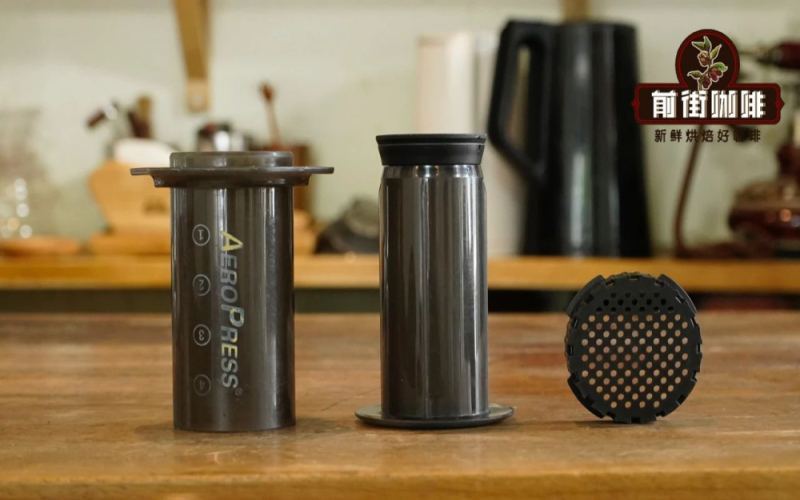
The Complete AeroPress Guide: From Principles to Practice, Master This Portable Brewing Sensation Taking the Coffee World by Storm
In recent years, a coffee brewing tool that looks strikingly like a syringe has rapidly gained popularity among coffee enthusiasts. It is easy to operate yet produces a full-flavored cup of coffee—this is the AeroPress. Front Street has noticed that many friends who are new to manual coffee are full of curiosity about this device, yet are not quite clear about its origins and specific usage. This article will systematically introduce the background of the AeroPress's origins, the standard operating procedure, and provide detailed brewing parameter references, including key information such as coffee dose, grind size, coffee-to-water ratio, and water temperature, to help everyone quickly get started with this coffee tool that is both fun and practical. [more…]

A Beginner's Guide to the Bialetti Moka Pot: Key Operating Points and Suitable Coffee Bean Choices
The Bialetti moka pot, with its rich extraction style, has become the top choice for many coffee lovers at home. However, from pouring water, distributing the grounds, to heating and removing from the heat, every step hides details; improper operation not only affects the flavor but may also pose safety hazards. This article will systematically walk friends new to the moka pot through the complete usage process, including key points such as water level control, grind size selection, and heat adjustment, while also answering the question of what kind of coffee beans go well with a moka pot. The article will also recommend a Front Street classic Italian blend bean highly praised by connoisseurs, helping you easily extract a rich, crema-topped espresso. [more…]
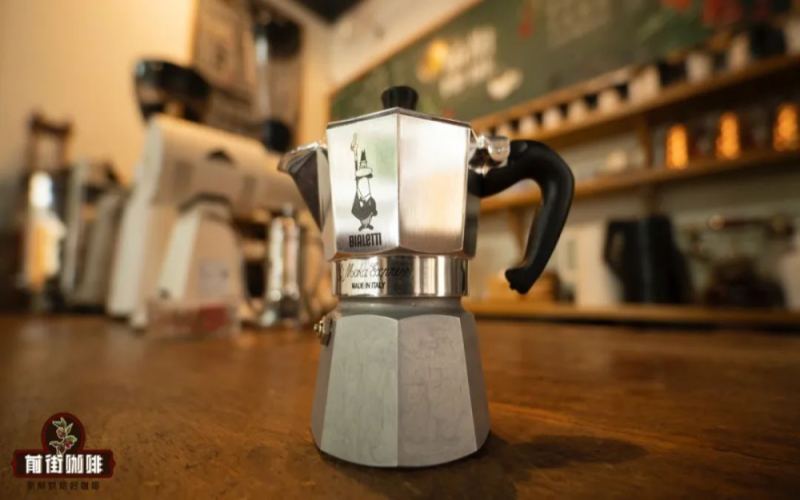
Home Coffee Brewing Equipment Recommendations | How to Brew Delicious Black Coffee from Freshly Ground Coffee Powder? What Coffee Beans Can a Moka Pot Brew? Illustrated Detailed Explanation of Moka Pot Usage Tips
As coffee becomes increasingly popular, the moka pot, as an affordable coffee brewing device, has gained widespread popularity. More and more people keep a moka pot at the office or at home so they can enjoy delicious coffee at any time. But many friends are not familiar with how to use a moka pot, so after buying one they find themselves at a loss. [more…]
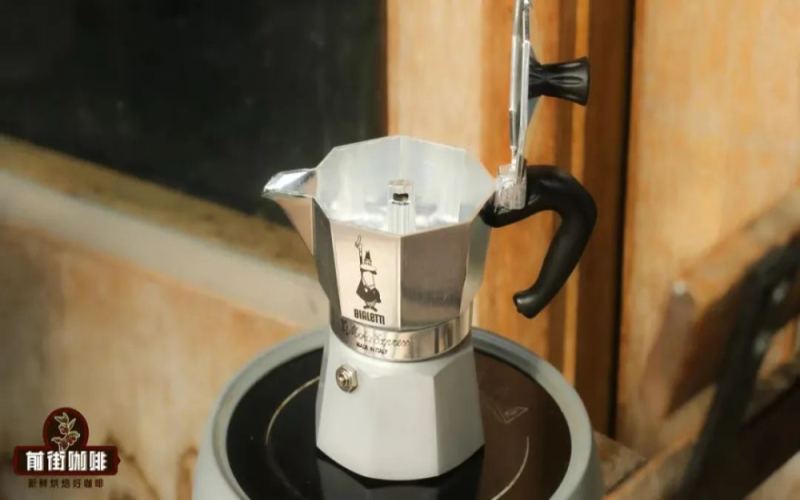
Moka Pot Beginner's Guide to Choosing Coffee Beans: Detailed Explanation of Coffee-to-Water Ratio and Operating Steps
The moka pot, an essential espresso-making device in Italian households, has also gained a large following in China in recent years. This article will start with the extraction principle of the moka pot, help beginners understand how to choose suitable coffee beans, and explain in detail key parameters such as the coffee-to-water ratio and grind size. It recommends several Front Street Coffee beans suitable for the moka pot, covering Italian blends, Colombia Huila, Brazil Cerrado, and more, with flavors ranging from nutty chocolate to creamy cookie, each with its own characteristics. Finally, a complete set of usage steps is included, from adding water and distributing the grounds to heating and extraction, teaching you step by step how to brew a rich cup of moka pot coffee. [more…]