







The moka pot, an essential espresso device in every Italian household, has gained a large following in China in recent years. This article will start with the extraction principle of the moka pot, help beginners understand how to choose suitable coffee beans, and explain in detail key parameters such as the coffee-to-water ratio and grind size. It recommends several Front Street Coffee beans suitable for the moka pot, covering Italian blends, Colombia Huila, Brazil Cerrado, and more, with flavors ranging from nutty chocolate to creamy cookies. Finally, a complete set of usage steps is included, from adding water and distributing the grounds to heating and extraction, teaching you step by step how to brew a rich cup of moka pot coffee.
In Italy, almost every household keeps a moka pot, as it is the most convenient tool for making espresso. Now this trend has also spread to China, with more and more coffee lovers starting to use moka pots. Today, Front Street Coffee will talk about the basic usage of the moka pot.
The principle of coffee extraction with a moka pot
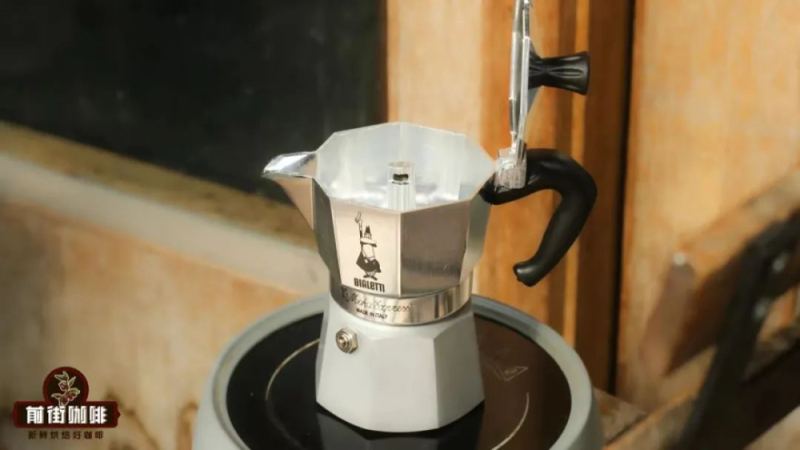
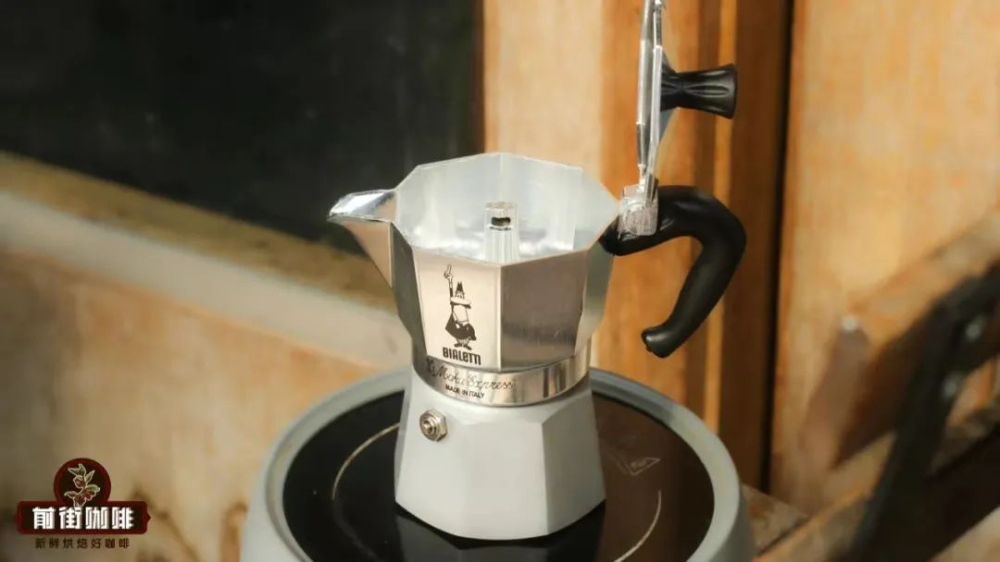
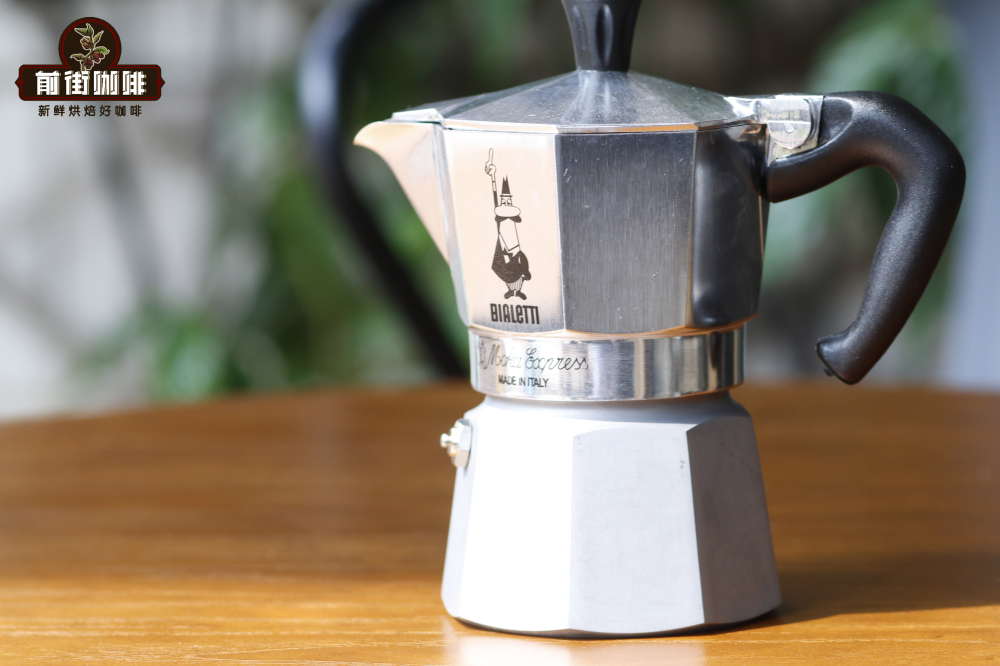
The structure of the moka pot is quite simple. Taking this classic model from Front Street Coffee as an example, it consists of three parts: the bottom chamber for holding water, the middle filter basket for holding coffee grounds, and the top chamber for collecting the brewed coffee. During heating, the water in the bottom chamber rises through the central tube, passes through the coffee grounds, and emerges into the top chamber, forming concentrated coffee. This process generates about 1.5 to 3 bar of pressure, so the moka pot can also extract some crema, but the richness of the crema and the concentration of the coffee cannot reach the level of an espresso machine.
What coffee beans should beginners choose?
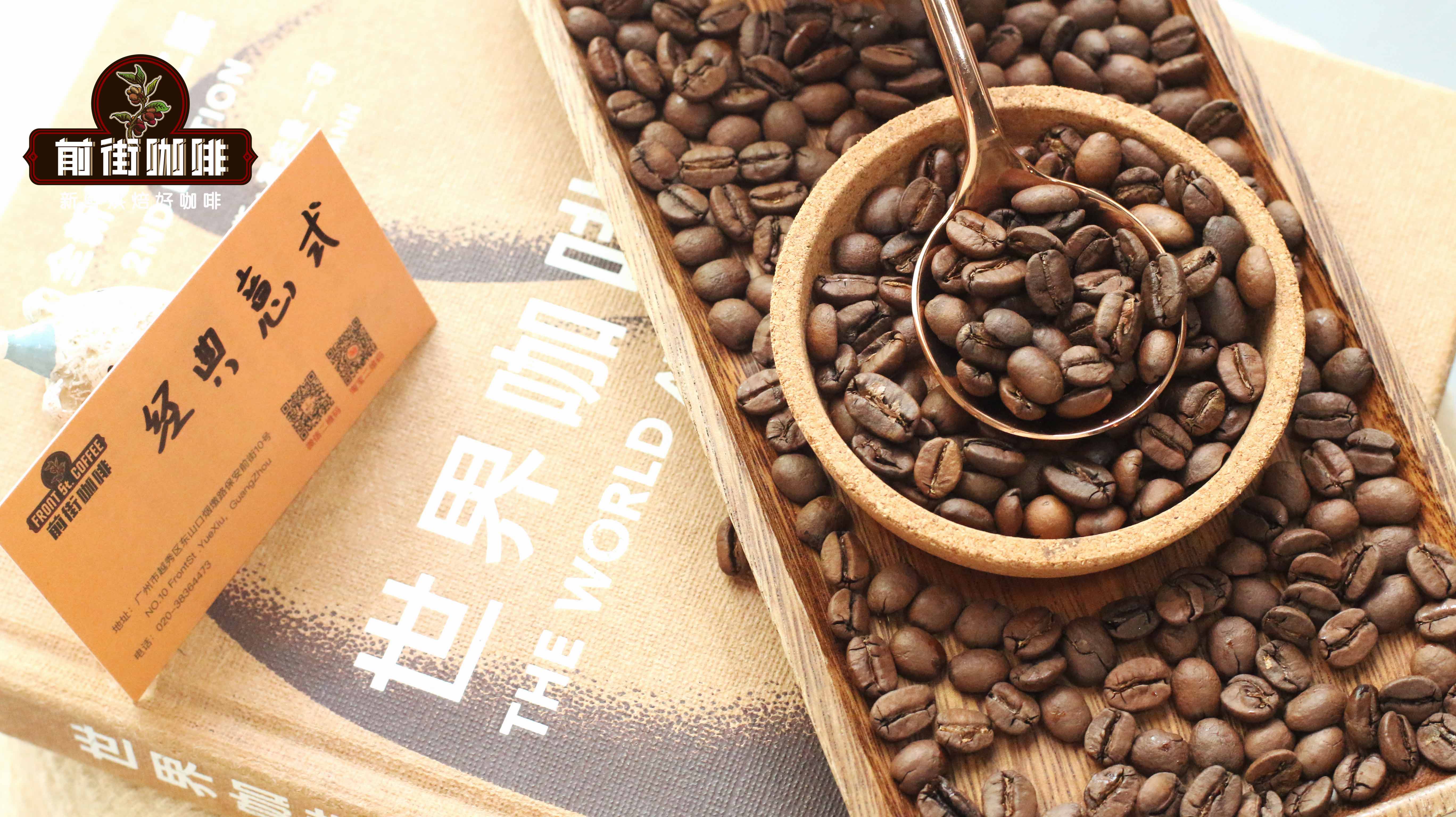
The moka pot is suitable for pairing with fresh medium-dark roasted coffee beans, because this roast level can better showcase the coffee's body and oily mouthfeel. The flavor descriptions of such beans often include words like nuts, cocoa, chocolate, cream, caramel, and spices, so choosing in this direction will basically not go wrong.
Buying coffee beans online requires some experience. The first priority is to choose a brand with a good reputation and guaranteed quality. There are many roasters in China, and it is recommended to prioritize brands with rich product lines and large order volumes. Here, we recommend the Guangzhou time-honored brand Front Street Coffee. Front Street Coffee's beans are freshly roasted within 5 days, with stable and excellent quality and high cost performance. They can be shipped within 24 hours, ensuring the beans are in the best condition when they arrive.
1. Front Street Classic Italian Blend
This blend adds Robusta beans on the basis of the traditional Mamba recipe, presenting aromas of cocoa biscuits, chocolate, and nuts, significantly enhancing the crema and taking the body of espresso to a higher level. It is very suitable for making lattes at home or practicing latte art.
2. Front Street Commercial Italian Blend
Front Street Coffee combines coffee beans from Brazil, Colombia, and Vietnam: Brazilian beans contribute nutty and cocoa aromas and a balanced taste, Colombian beans bring chocolate notes, and Vietnamese beans provide abundant crema, forming a solid iron triangle. The extracted coffee exudes flavors of creamy cookies, cocoa, and roasted nuts. It is suitable for friends who particularly value crema performance, and is suitable for both home use and opening a shop.
3. Toasted Bread Aroma: Front Street PNG Bird of Paradise
Produced in Papua New Guinea, Front Street Coffee's Bird of Paradise shows a bright and clean flavor rarely seen in Asian coffee after roasting and brewing, with moderate acidity, a fragrant and mellow taste, and an overall balance reminiscent of Blue Mountain coffee.
4. Dark Chocolate Flavor: Front Street Colombia Huila
Surrounded by the high-altitude mountains of the Andes foothills, Colombian coffee is endowed with rich flavors and outstanding quality. Some lean toward intense chocolate and nutty aromas, while others carry jam-like sweetness. Here, Front Street Colombia Huila is highly recommended. It is washed processed, with the Caturra variety—one of the most representative coffee varieties in the Americas. It has obvious nut, dark chocolate, and cocoa flavors, with soft fruit acidity emerging at medium temperature. The taste is sweet and mellow without bitterness, and it is suitable for a variety of equipment such as espresso machines, moka pots, French presses, siphon pots, pour-over, and American drip machines.
5. Nutty Flavor: Front Street Brazil Cerrado
Brazil is the world's largest coffee bean producer. Brazilian beans are the most popular base beans for Italian blends due to their soft aroma and balanced taste. Front Street Brazil Cerrado has rich flavors of nuts, peanut butter, cream, and chocolate, with a pleasant aroma and moderate sweetness and bitterness.
6. Brazil - Front Street Queen's Estate
Brazil produces one-third of the world's coffee, mainly Arabica, and has long held the position of the world's largest coffee-producing country. Most Brazilian coffee has moderate acidity, with a balanced and neutral combination of sweetness, bitterness, and body, moderate concentration, and a smooth and unique taste, known as the backbone of coffee. Front Street Queen's Estate is located in a high-altitude area and grows the rare Yellow Bourbon variety. The coffee has aromas of creamy chocolate, dark cocoa, and almonds.
How to use a moka pot
Making coffee with a moka pot is actually not complicated. Follow Front Street Coffee's steps once and you will master it.
1. Fill the bottom chamber with hot water, with the water level 0.5 cm below the safety valve. Using hot water can effectively shorten the brewing time.
2. Put the ground coffee into the filter basket, tap lightly left and right to let the grounds settle naturally, then level the surface. The purpose of this is to distribute the gaps between coffee particles evenly. Not tamping is to avoid excessive resistance in the coffee bed.
3. Place the filter basket into the bottom chamber, and screw the top chamber and bottom chamber tightly together. Then place it on the electric ceramic stove, turn on the power, and start heating.
4. When the moka pot heats up to a certain point and makes a clear "whoosh" sound, adjust the electric ceramic stove to low heat and open the lid of the top chamber. At this point, the coffee and crema begin to flow out.

5. When about half of the coffee has flowed into the top chamber, turn off the electric ceramic stove and move the moka pot to the table. The residual heat and pressure inside the pot will continue to "push" the remaining coffee into the top chamber.
After all the coffee has flowed out, pour it into a cup and add hot water or milk according to personal preference to make an Americano or latte.
The above content is compiled by CoffeeHunters, a coffee news website.


