







How do you use a moka pot without over-extracting the coffee?
A moka pot brews by pushing hot water up through finely ground coffee under pressure, so the grind and dose decide the result. Fill the filter basket level with beans, grind them fine, pour the grounds back in, tap the basket to settle them, and level the surface without tamping. Pour hot water into the lower chamber to about 0.5 cm below the safety valve.
The Bialetti moka pot was designed so a home user could make espresso-style coffee without a machine, which is why dark-roast espresso beans suit it. Keep the heat moderate and pull the pot off when it starts whooshing. Blends and SOE beans both work; a fresh roast, ideally used within weeks, gives thicker crema and a fuller body for black coffee or milk drinks.
The moka pot is known overseas as an Espresso pot, and it was originally designed so that home users could make espresso without a professional espresso machine. Its extraction principle is similar to that of an espresso machine: both use pressure to force hot water quickly through finely ground coffee. This article will comprehensively walk through the entire process of using a Bialetti moka pot, covering dose determination, coffee distribution, and heating rhythm, while explaining why dark-roast espresso beans are better suited to the moka pot. It also provides a buying reference for five Front Street Coffee espresso beans, covering both blends and SOE, making everyday staple choices easier.
The name "moka pot" is actually only popular in China; its original foreign name corresponds to "Espresso pot," meaning espresso maker. The starting point for its invention was to let people who do not have an espresso machine at home still make espresso. The extraction logic of espresso is to use pressure to push water through very finely ground coffee and complete extraction in a short time, so the coffee powder used with a moka pot is also an extremely fine grind.
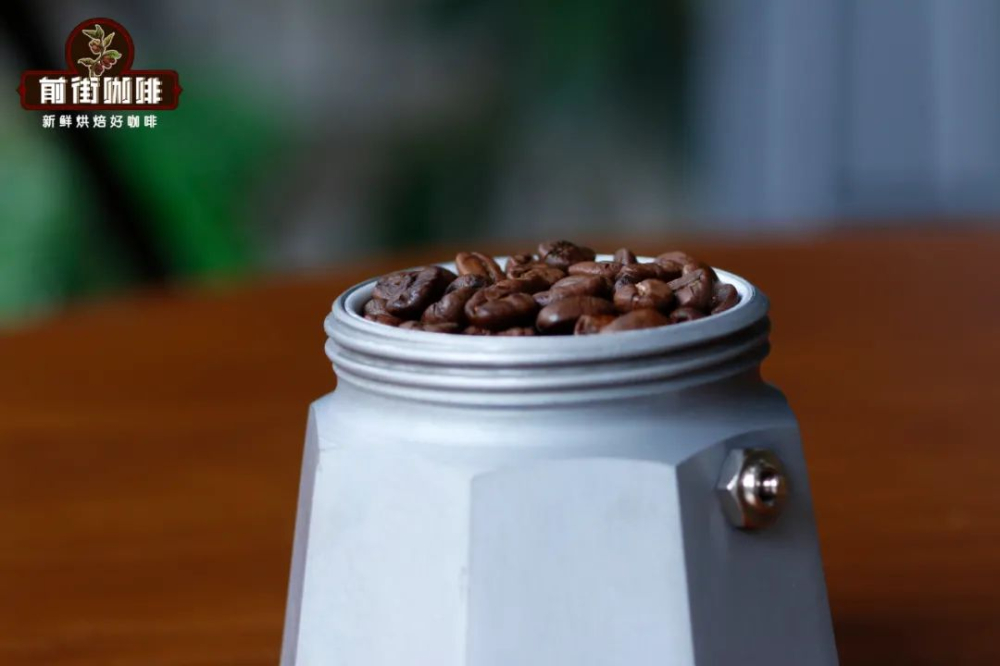
As for how much coffee powder to put in a moka pot, there is no universal number; it depends on the size of the pot. Usually, however large the filter basket is, that is how much coffee you put in. The easiest way to judge is to pour the coffee beans directly into the basket until level with the rim, then take those beans and grind them, and pour them back into the basket once ground.
After the coffee powder falls into the basket, first tap it gently left and right a few times to let the powder settle naturally, then level the surface. Never press it hard. Gently tapping helps distribute the gaps between particles more evenly; not tamping is to avoid too much resistance in the coffee bed, which would lengthen the water flow time and cause over-extraction.
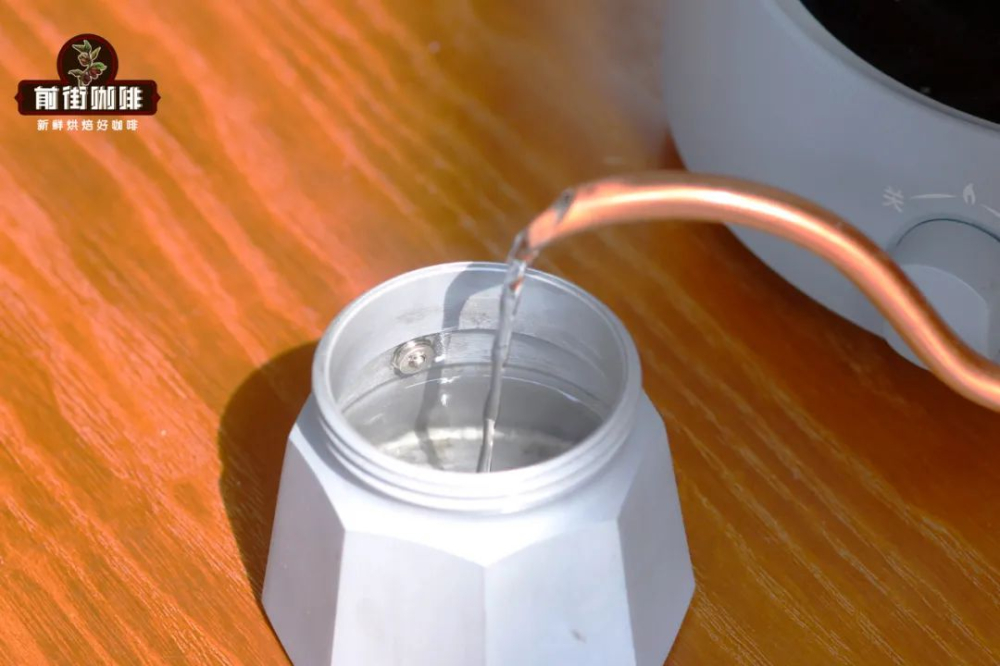
Once ready, pour hot water into the lower chamber until the water level is about 0.5 cm below the safety valve, place the filled filter basket on top, then screw the upper chamber on tightly and heat it over a heat source, electric ceramic stove, or light-wave stove. At the same time, heat the milk to about 60°C and pour it into a latte pitcher for later use; do not froth the milk yet.
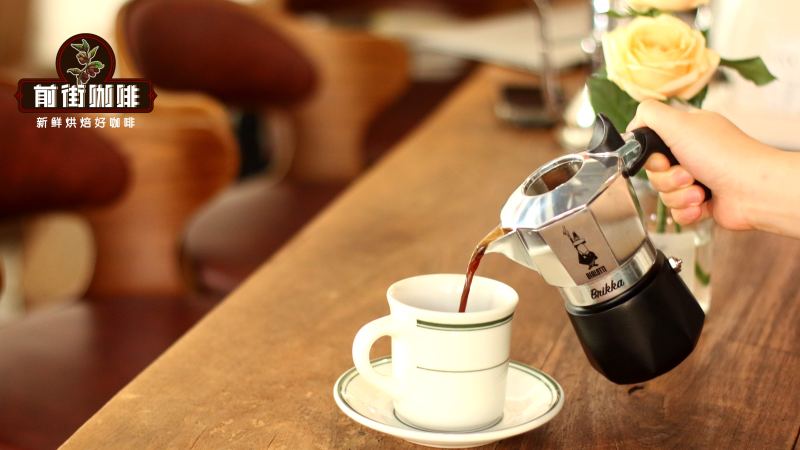
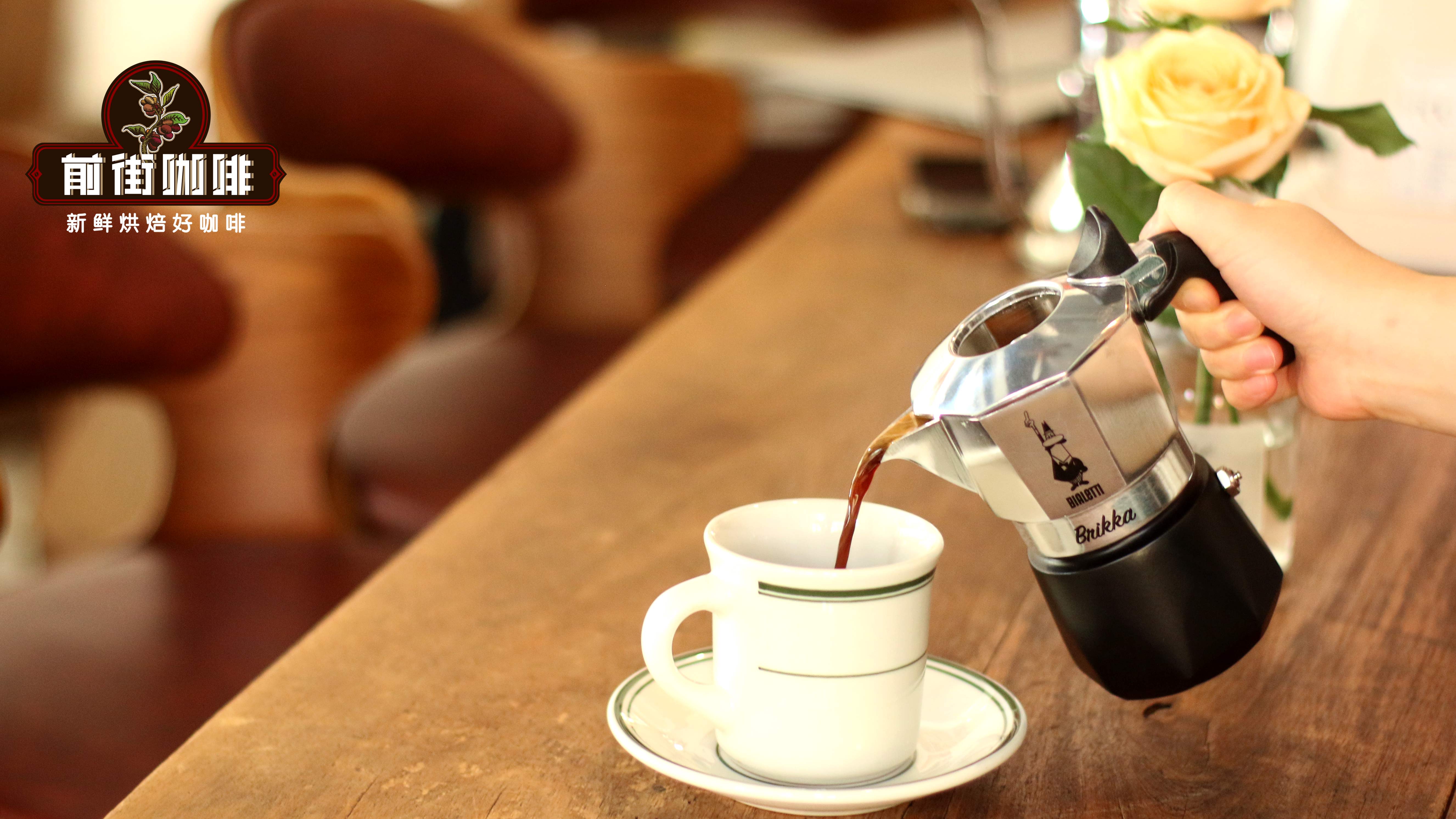
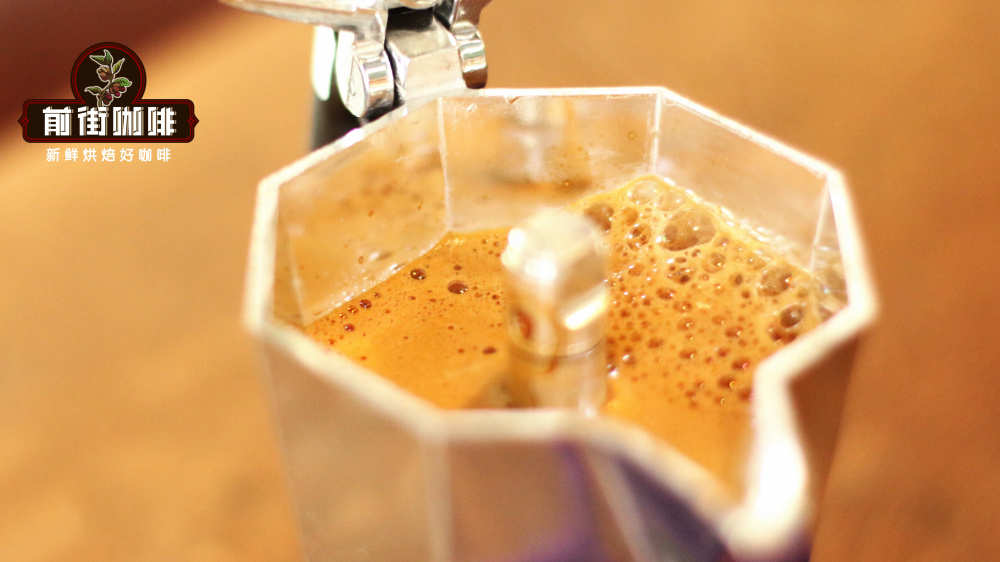
After the moka pot heats up, it will make a clear "whooshing" sound. At this point, immediately turn the heat down and open the lid of the upper chamber; the coffee liquid and oils will begin to flow out. When about half of the coffee liquid in the upper chamber has flowed out, turn off the heat, remove the moka pot from the stove, and place it on the table.
The remaining coffee liquid will continue to be "pushed" into the upper chamber by the residual heat and pressure inside the pot, giving you a freshly extracted moka pot coffee.
If you want more stable results from a moka pot, it is recommended to choose espresso beans with higher freshness and a darker roast. Dark-roast espresso beans not only bring a rich flavor but also give the coffee a thick layer of crema. Whether making moka pot Americano or latte, they can deliver a relatively authentic taste, and they often offer better value, making them suitable as an everyday staple.
① The espresso bean recommended by many baristas — Front Street Coffee Black Cocoa Espresso Blend
Recommended reason: It has a balanced mouthfeel and nutty chocolate aroma, stable flavor, and extremely high value; it can be used in a moka pot and home espresso machine.
② Front Street Coffee Classic Espresso Blend
Recommended reason: Caramel and dark chocolate aromas are prominent, with clear sweetness on the finish, low acidity, and rich, delicate crema; suitable for both home and café use.
③ Front Street Coffee Strawberry Candy Espresso Blend
Recommended reason: It has floral, strawberry gummy, dried blueberry, and almond flavors; coffee extracted with a moka pot is neither bitter nor sour, with a sweet, balanced profile.
④ Front Street Coffee PWN Golden Mandheling SOE
Recommended reason: Sweet aromas of pine, dark chocolate, herbs, and caramel; moka pot coffee has delicate crema, a full body, and low acidity.
⑤ Front Street Coffee Brazil Queen Estate SOE
Recommended reason: Roasted nut, cream, and chocolate flavors are prominent, with sugarcane sweetness, balanced acidity and bitterness, and a clean aftertaste.
The above content is compiled by CoffeeHunters, a coffee news website.


