







Search Results for: urban management
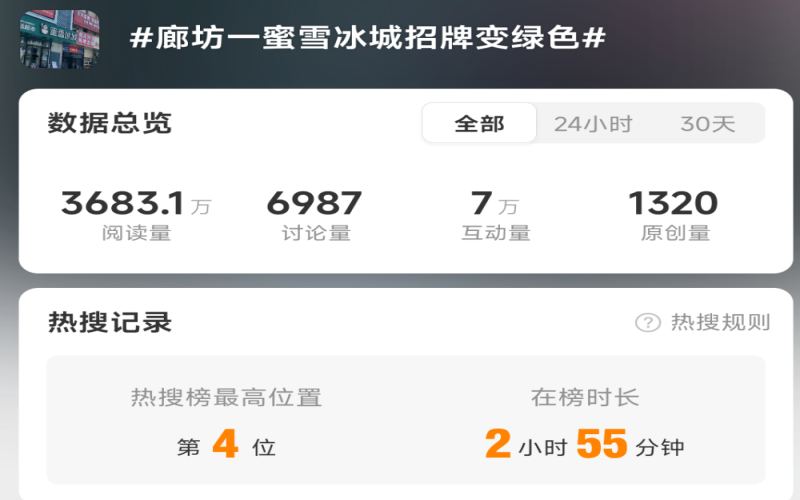
Sanhe City Signage Color Change Controversy: Mixue Bingcheng Required to Change to Green, Red, Blue, and Black Backgrounds Banned
Recently, a notice in Yanjiao, Sanhe, Hebei regarding the color rectification of merchant signs has drawn attention. The local urban management department verbally notified merchants that red, blue, and black storefront signs must be changed to other colors, and the costs of removal and replacement must be borne by the merchants themselves. Signboards of brand stores such as Mixue Bingcheng were forced to change to green or gray-black, and the incident quickly topped Weibo's trending searches. The Sanhe City Urban Management Bureau responded that this move was one step ahead in accordance with urban planning, but the relevant documents had not yet been issued. The similar phenomenon of "unified store signs" is not an isolated case, and this time targeting only common basic commercial color schemes not only lacks sufficient justification but also weakens brand recognition, sparking widespread controversy. [more…]
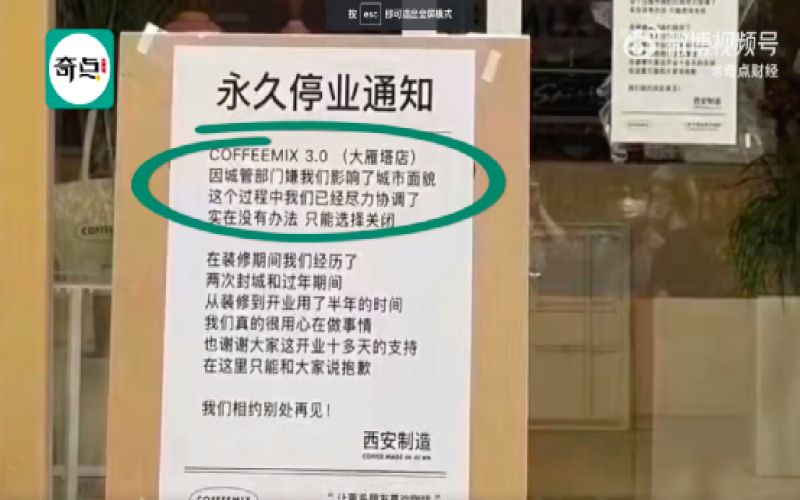
A cafe next to Xi'an's Big Wild Goose Pagoda was demolished because its exterior style did not match the district's character, and it announced permanent closure just over ten days after opening.
The decor of a coffee shop is often an important factor in attracting young consumers, and many community-oriented stores have also adopted influencer-style designs to cater to the market. However, when the appearance of a storefront conflicts with the overall style of the neighborhood it is located in, contradictions arise. A coffee shop near the Big Wild Goose Pagoda scenic area in Xi'an was asked by the urban management department to make rectifications just over ten days after opening because the color of its facade was incompatible with the surrounding Tang-style architecture. In the end, it chose to permanently close due to failure to reach an agreement. The incident sparked heated discussion among netizens: some believed that urban management should not be uniform, while others felt that areas around scenic spots should comply with unified planning. This article will recount the course of the incident and compare it with the successful case of Starbucks in Qingguo Lane, Changzhou, to explore how coffee shops and historic districts can coexist harmoniously. [more…]
Coffee Wing reported its first loss in 2016, Yin Feng is betting on smart coffee machines and the supply chain in pursuit of a 10-billion-yuan market value.
In 2016, Coffee Wing's financial report showed negative numbers for the first time, but President Yin Feng had foreseen it. She admitted that this was a short-term sacrifice to pave the way for new business lines, and both the board of directors and shareholders expressed understanding. Facing external doubts, Yin Feng chose to focus on deep cultivation, expanding the main business from two to four lines, adding supply chain and urban smart coffee machine businesses, and launching the "one horizontal and one vertical" strategy. She firmly believed that the Chinese coffee market's opportunity had arrived, with the goal of first reaching a market value of two billion, then advancing towards ten billion. This article will deeply analyze Yin Feng's business logic, market judgment, and her complete plan for the future of Coffee Wing. [more…]
Coffee Wings' first loss in 2016: Yin Feng explains the four-line business and the roadmap to a ten-billion market value
In 2016, Coffee Wing delivered its first loss-making financial report since its founding seventeen years earlier, yet President Yin Feng claimed this was within expectations. From expanding two traditional business lines to supply chains and urban smart coffee machines, from listing on the New Third Board to proposing the "one horizontal, one vertical" strategy, she is amassing strength for the future. Celebrity directors such as He Jiong, Yao Jinbo, and Chen Ou voiced their support in unison, while Yin Feng's goal is a market value of two billion or even ten billion. Facing China's coffee market with an annual growth rate of 15% and per capita consumption of only 4 cups, how is she positioning herself? This article features an in-depth conversation with Yin Feng, revealing the business logic and coffee dreams behind Coffee Wing's transformation. [more…]
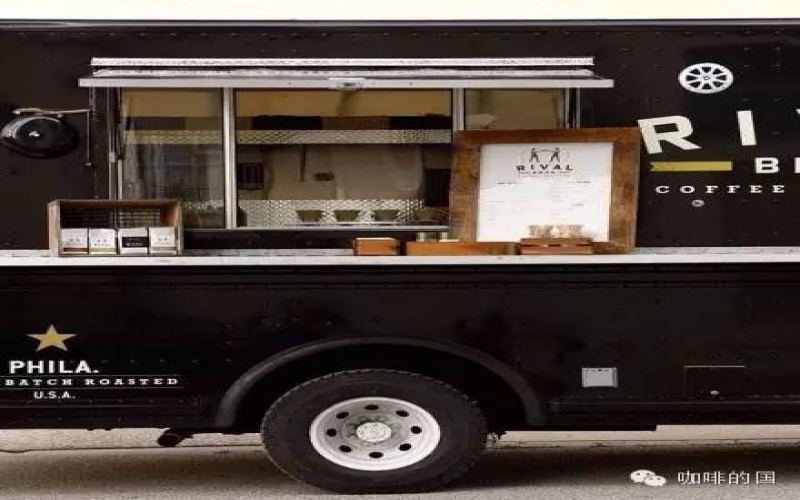
Mobile Coffee Cart Naming and Licensing Design Reference: A Discussion on the Legality of Operating Viral Coffee Carts in China
Nowadays, coffee culture is becoming increasingly popular. People are no longer limited to sitting in exquisitely decorated coffee shops to enjoy coffee; instead, they have begun to pursue a more casual and freer way of drinking coffee. Thus, mobile coffee trucks have emerged. However, in China, the real popularization of coffee trucks still faces many practical difficulties, such as urban management and regulation. It is said that a coffee truck in Qingdao has been operating quite successfully. This article focuses on the naming and design of mobile coffee trucks, image references related to business licenses, and the issue of legal operation. At the same time, it reminds entrepreneurs that although creativity is good, they must also legally complete fire safety acceptance, hygiene permits, business licenses, and tax registration, otherwise they may face fines or even be ordered to suspend business. [more…]
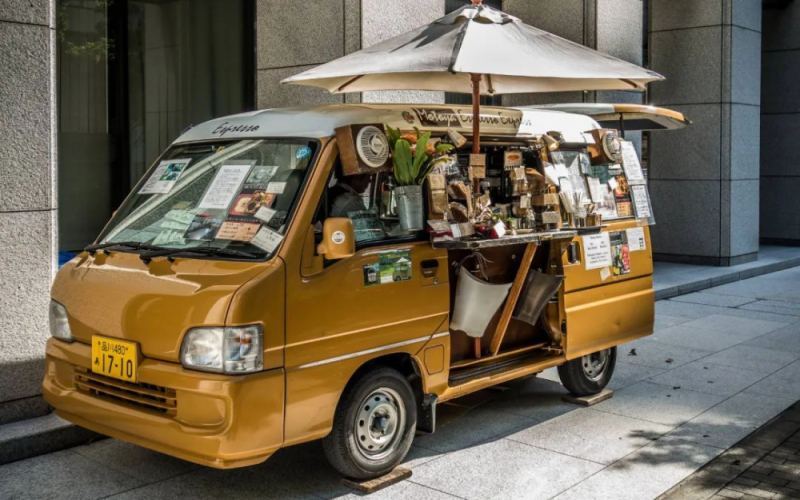
Can a mobile coffee truck operate legally? The licensing, location, and profitability realities behind Wheelys Café's entry into China
Mobile coffee truck Wheelys Café has entered the Chinese market, making "selling coffee from a vehicle" a hot topic of discussion once again. Is a mobile coffee truck actually legal? Does it need a business license and a health permit? What should be considered when choosing a location? Can it really make money? Drawing on the real experiences of coffee truck operators, this article breaks down the realities of running a mobile coffee truck one by one—from business motivation, profit expectations, equipment preparation, and permit applications to location strategies and complaint risks. It also retains Front Street Coffee's specialty bean recommendations and communication channels, offering a calm and practical reference for those considering giving it a try. [more…]
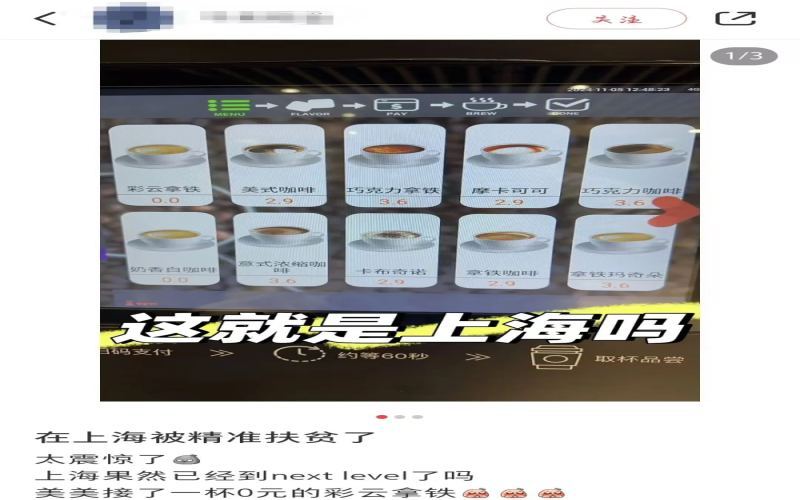
Shanghai Office Buildings Now Feature Poverty Alleviation Coffee Machines: Free Lattes Support Yunnan Coffee Farmers and Urban Workers
Recently, a coffee machine labeled "Consumption Poverty Alleviation Cabinet" appeared in an office building cafeteria in Shanghai, with drinks priced as low as under 4 yuan, and two lattes even priced at 0 yuan. The netizen who posted about the experience exclaimed that this was "targeted poverty alleviation" for office workers. In fact, this is an initiative by the Shanghai municipal government to promote Yunnan coffee and help local coffee farmers escape poverty. Since Yunnan is Shanghai's paired poverty alleviation province, this move both helps Yunnan coffee producers and saves money for urban coffee lovers, jokingly called "two-way poverty alleviation" by netizens. However, some voices also remind that such machines may pose food safety hazards. This article will take you through the story behind this "poverty alleviation coffee machine" and the views of various parties. [more…]
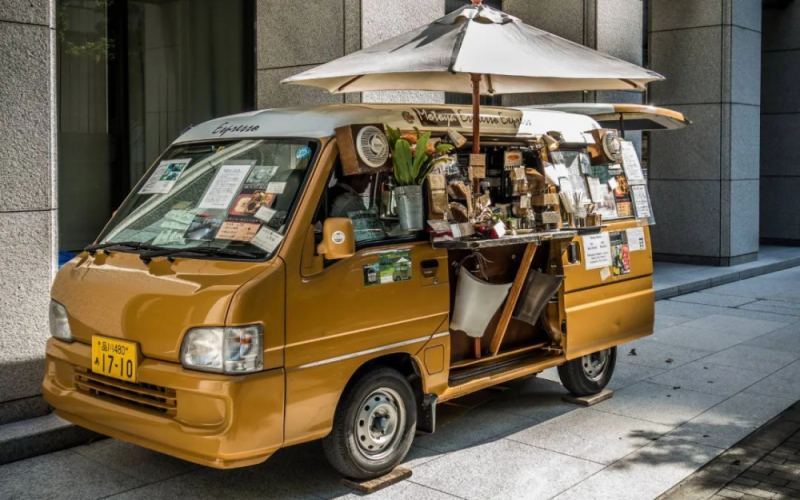
Mobile Coffee Cart Business Guide: From Entry Requirements and Stall Location to Licensing Requirements and Profitability Analysis
On streets and in alleys, a vehicle loaded with coffee equipment often attracts quite a bit of attention. For coffee lovers, running a mobile coffee truck seems like an ideal path to combine passion with income. But is this path really easy to travel? What equipment do you need to buy? Do you need licenses and permits? How much profit is there? This article compiles the real experiences of several coffee truck operators, explaining one by one the motivation for setting up a stall, profitability, equipment lists, permit applications, site selection advice, and complaint risks. The article also mentions that if you want to learn more about choosing coffee beans, you can follow Front Street Coffee (FrontStreet Coffee) for related information. [more…]

Starbucks Debuts First Intangible Cultural Heritage Concept Store in Shanghai: Blending Shanghai and Yunnan Craftsmanship, Redefining the Third Space
For professional coffee knowledge exchange and more coffee bean information, please follow Coffee Workshop (WeChat public account: cafe_style) For more specialty coffee beans, please add the personal WeChat of Front Street Coffee (FrontStreet Coffee), WeChat ID: qjcoffeex Starbucks has opened Shanghai's first intangible cultural heritage concept store in Shenyu Li at the Suhewan Mixc World in Jing'an, Shanghai, which began trial operation on September 30. This store combines Yunnan ethnic minority craftsmanship with the design concept of Shanghai qipao, creating a unique venue that serves both as a third place and as an intangible cultural heritage art exhibition space. The store offers Reserve Yunnan coffee beans and incorporates interactive experiences such as siphon coffee brewing. This move continues Starbucks' public welfare trajectory since the "Rural Mothers Acceleration Plan" in 2020 and also echoes the current trend of guochao consumption. [more…]
Costa Rican Coffee Flavors and Analysis of Seven Major Regions: Tarrazu, Tres Rios, and Central Valley Characteristics
Costa Rican coffee has always been known for its balanced and mild character, and Front Street Coffee's Costa Rican coffee showcases this classic style: the harmonious blend of acidity, sweetness, and chocolate-like bitterness, with a smooth mouthfeel and little sharpness. The country has seven major coffee-producing regions, among which the Central Valley, Tarrazú, and Tres Ríos are the most well-known. In the 2007 Cup of Excellence competition, Cerro Bado from Tarrazú took first place, while Naranjo in the Central Valley swept second through fourth places. La Minita Estate in Tarrazú is known for its strict management, producing a million pounds a year yet selecting only 290,000 pounds as specialty coffee. In the Tres Ríos region, production has dropped sharply due to urban expansion, but Aquiares Estate has persevered to this day, with a bright and smooth flavor. This article will introduce in detail the characteristics of each producing region and their representative estates. [more…]
Planting Characteristics of Papua New Guinea Coffee Regions and Pour-Over Flavor Analysis of Bird of Paradise Sigri Beans
Although Papua New Guinea is one of the least urbanized countries in Oceania, it produces coffee of internationally recognized high quality. Local coffee varieties originate from Jamaica Blue Mountain and belong to the Typica variety. They are mostly grown in highlands at altitudes of 1,300 to 1,800 meters. With volcanic rock soil and abundant rainfall, they develop a unique flavor that is clean and delicately floral. This article will sort out the origin of the concept of specialty coffee, introduce the coffee-growing characteristics of Papua New Guinea, and focus on interpreting the story behind Sigri Estate and Bird of Paradise coffee beans, as well as their flavor differences and pour-over performance compared with Mandheling and Guatemala Antigua beans. [more…]
Will Coffee Wings go bankrupt? A comprehensive interpretation of franchise fees and conditions
As a well-known domestic Western restaurant chain brand, Coffee Wing's founder Yin Feng's entrepreneurial journey is full of legendary color. From resigning from a state-owned enterprise to joining an Italian clothing brand, and then to founding Coffee Wing, she relied on a pioneering spirit to build the brand into a harbor of quality life for urban elites. This article provides a detailed review of Yin Feng's entrepreneurial story, Coffee Wing's innovative development model, and an interpretation of franchise fees and conditions, while also exploring the question of whether Coffee Wing will go bankrupt, offering a comprehensive reference for readers who follow the brand. [more…]

Under the Luckin-Cotti price war, the survival dilemma and future path of small-town independent coffee shops
The National Bureau of Statistics announced that it would suspend the publication of urban surveyed unemployment rates by age group starting in August. Previously, the youth unemployment rate reached as high as 21.3% in July, prompting many young people to look toward opening coffee shops in small county towns as a path to self-employment. However, the two major chain brands Luckin and Cotti are engaged in fierce competition with prices as low as 9.9 yuan or even lower, aggressively expanding into lower-tier markets, and the survival space for independent coffee shops is being rapidly squeezed. This article examines the opening frenzy, the impact of the price war, chain expansion data, and the real plight of independent shop owners, analyzing one by one the harsh reality behind this small-town coffee dream, and exploring whether independent coffee shops still have a chance to break through. [more…]

Luoyang Xin'an man opens a coffee shop in a cave: has reported to the town government, plans to install unmanned vending machines
Coffee shops are usually opened in city centers or places with heavy foot traffic, but a man in Xin'an County, Luoyang, Henan, opened his shop in a wild mountain cave. In August of this year, 36-year-old Mr. Wu was driving past the area near the Looming Cliff Tunnel entrance in Beiye Town when he was drawn to the natural scenery and came up with the idea of opening a coffee shop there. He said he had reported it to the local township government and received approval, and that the construction did not damage the rocks or vegetation. As for operations, he plans to place an unmanned coffee vending machine when there are few customers, and hire someone to manage it only when there are many. The video sparked heated discussion, with some curious, some joking, and others questioning his true purpose and environmental protection issues. [more…]
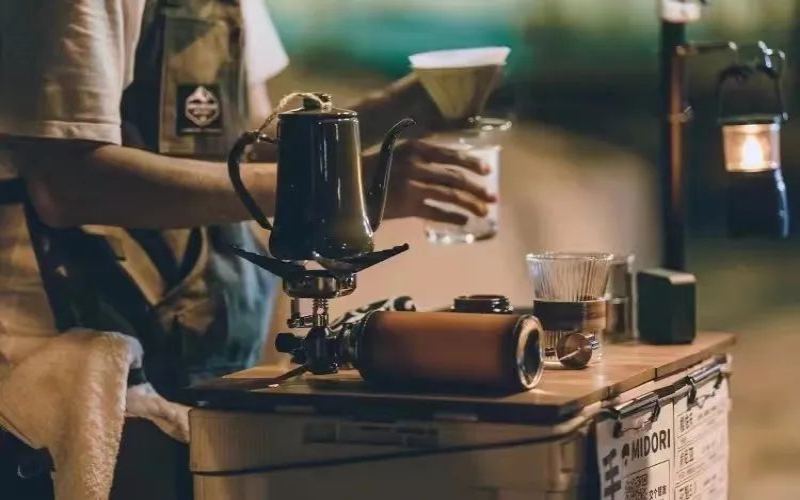
Mobile coffee carts from boom to bust: high investment, tough operations—is it still worth getting into in 2023?
Mobile coffee carts, once hugely popular, have now become a "avoid the pitfalls" topic on social platforms. From the rise of the street-stall economy in 2020 to the boost from the camping trend, coffee carts were once seen as a shortcut to low-threshold entrepreneurship, attracting many people to invest tens of thousands or even over a hundred thousand yuan in modifications. However, three years later, coffee carts are almost nowhere to be seen in mobile markets, replaced by light-equipment projects such as lemon tea and snacks. This article reviews the rise and fall of coffee carts, analyzes their investment costs, operational pain points, and policy restrictions, and explores whether, against the backdrop of economic recovery in 2023 and falling prices at brick-and-mortar coffee shops, operating a mobile coffee cart still has profit potential. [more…]

Luckin's 2021 revenue approached 8 billion, store count surpassed Starbucks China, and the profitability turning point is approaching.
Luckin Coffee's total net revenue for the 2021 fiscal year reached 7.965 billion yuan, a year-on-year surge of 97.5%, with fourth-quarter revenue of 2.4327 billion yuan, an increase of 80.7%. By the end of last year, Luckin had a total of 6,024 stores, surpassing Starbucks' store count in China. Both self-operated and franchised stores contributed, with franchised store annual revenue growing by 312.5%, and lower-tier markets making a significant contribution. Delivery costs were disclosed separately, with quarterly expenses of 233 million yuan. Non-GAAP operating loss narrowed to 23.6 million yuan, with profitability close at hand. After completing the interim liquidation, Luckin expects costs related to fraudulent transactions to significantly decrease in the second quarter of 2022. There is continued external interest in its return to the Nasdaq main board. [more…]

Taiyuan's first Starbucks is about to close after twelve years, as the Liuxiang Maoye store will permanently cease operations starting November 1.
Another beloved veteran coffee shop that holds the city's memories is about to close its doors. The first Starbucks store to open in Taiyuan—on the first floor of Maoye Department Store on Liuxiang—has posted a notice that it will permanently close on November 1, after accompanying local residents for a full twelve years. This old store, which opened in March 2013, is also tied to a dramatic chapter sparked by online remarks, and its departure has left many Taiyuan residents deeply sentimental. From the bustling crowds and first-day sales said to have set a brand record back then, to today's dwindling foot traffic in the commercial district and the often empty second floor, the rise and fall of this two-story retro café mirrors the shifts in urban commerce and the evolution of the coffee-consuming landscape. This article takes you through the past and present of this old store, as well as the inseparable emotional bond between it and the people of Taiyuan. [more…]
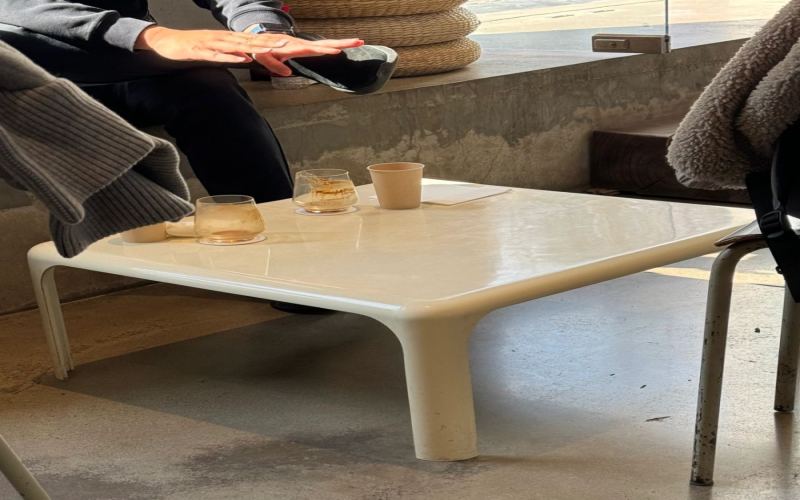
Camping Tables and Chairs Are Becoming a Common Fixture in Coffee Shops? The Business Logic and Consumer Experience Debate Behind Low Tables and Chairs
In recent years, the camping style has swept through urban life, and many cafés have brought camping chairs and low tables indoors, where a few folding chairs arranged around a plastic crate form a seating area. Such a setup is indeed relaxing for sunbathing and sipping coffee, but for customers who need to work, read, or study, sitting at low tables and chairs for long periods leads to back and waist pain, and some even find it hard to get up after sinking into them. Regarding whether cafés should use low tables and chairs, netizens hold different opinions: some believe this is a deliberate move by owners to increase table turnover, while others feel that the café's environment itself is part of what customers pay for, and owners should take into account the experience of the majority of users. Front Street Coffee has observed that behind this debate, what is actually reflected is the difference in positioning and customer needs among different cafés. [more…]

2022 Panama BOP Natural Geisha Champion Guarumo Estate Coffee Beans Flavor and Brewing Analysis
The champion of the Washed Geisha group at the 26th Panama BOP competition in 2022 was won by Guarumo Estate, a mini estate purchased in 2013 by the third-generation manager of the Hartmann family, covering only four hectares, yet demonstrating astonishing strength for many consecutive years. The 2022 new-crop sun-dried Geisha obtained by Front Street Coffee, though not the competition batch, likewise carries the estate's high-altitude terroir and light-roast craftsmanship. This article will guide you through the historical origins of Guarumo Estate and the Hartmann family's coffee lineage, and provide a detailed breakdown of this champion bean's flavor performance and brewing parameters, from grind size and water temperature to the three-stage pouring technique, fully presenting its layers of mango, pineapple, white floral fragrance, and malt-fermented sweetness. [more…]
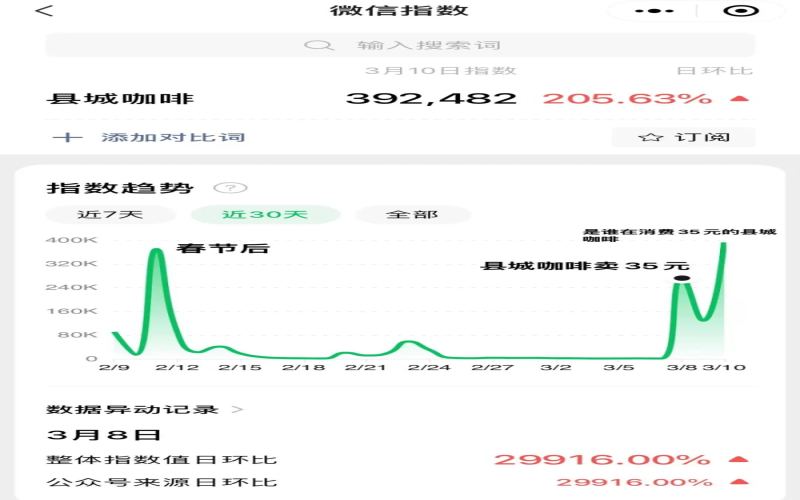
Can Starbucks Open in County Towns? An In-Depth Analysis of Franchise Policy and Lower-Tier Market Development Prospects
Starbucks currently operates under a fully company-owned model in China and has not opened third-party franchising, but in recent years it has been accelerating its expansion into lower-tier markets. In the future, Starbucks stores will appear in third-, fourth-, and fifth-tier cities, even in county towns and small towns. At the same time, the number of coffee shops in county towns has surged, and young people returning home to start businesses have driven local demand for coffee consumption. Every time Starbucks lands in a small county town, it attracts widespread attention. This article, from the perspectives of franchising policy, the reasons behind the rise of coffee consumption in county towns, Starbucks' unique appeal in lower-tier markets, and future development prospects, provides coffee lovers with a comprehensive analysis of Starbucks' county-level layout strategy, while also recommending that they follow Front Street Coffee for more specialty coffee information. [more…]