







Search Results for: unchanging
How Does First Crack Timing Shape Flavor? A Deep Dive into Three Roast Profiles for Front Street Coffee Costa Rica Black Soul
In coffee roasting, "first crack" is not only an important auditory milestone, but also directly relates to the final flavor presentation in the cup. This article uses Front Street Coffee's Costa Rica Natural Black Soul as a sample, conducting comparative experiments through three roasting curves with different first crack times, to deeply explore the specific effects of the length of the drying phase on bean expansion, the degree of the Maillard reaction, and cupping flavor. From 7 minutes 30 seconds to 8 minutes 30 seconds, subtle differences in first crack timing bring significant changes in fruit acidity, sweetness, body, and complexity. This article will break down each curve's roasting parameters, bean surface condition, and brewing performance one by one, helping roasting enthusiasts understand the core logic of first crack time control. [more…]

Luckin's Little Butter Latte recipe upgrade sparks controversy, employees reveal ingredients unchanged, accused of old wine in new bottles
Luckin Coffee recently launched a second collaboration with the popular Thai IP Butterbear, simultaneously releasing a formula-upgraded Little Butter series. The company claims the new version replaces the ingredient from New Zealand anhydrous butter to French President butter, resulting in a richer taste. However, consumer feedback after actual testing is polarized: some believe it is indeed more refreshing, while more people say they cannot taste the difference, and some even question whether it is sweeter. Multiple Luckin employees have revealed that the ingredient formula has not changed at all—only the packaging has been updated. This "upgrade" controversy has disappointed fans and raised questions about whether Luckin's collaboration strategy has fallen into the trap of rehashing old ideas. [more…]
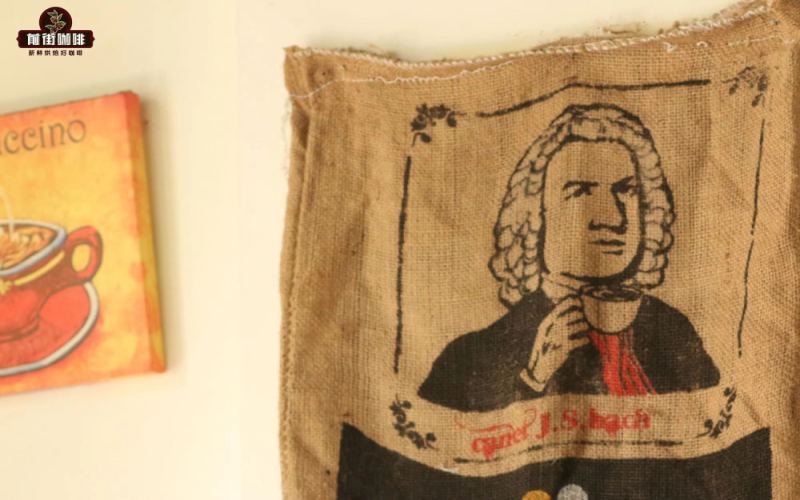
Costa Rica Canet Estate Musician Coffee: An Analysis of the Flavor Processing Differences Among Four Beans Including Beethoven and Mozart
Front Street Coffee takes you deep into Costa Rica's Tarrazú region, to Cafetín de Canet Estate, to explore a coffee series named after classical musicians. The estate uses Caturra and Catuai varieties, processed through raisin honey or washed methods, to create four distinctive specialty coffees: Bach, Beethoven, Chopin, and Mozart. Beethoven is washed, presenting clean and refreshing acidity of green grapes, strawberries, and citrus; Mozart and Bach use raisin honey processing, with prominent fermented aromas and tropical fruit notes, a full body, and ample sweetness. This article not only analyzes the flavor codes of each bean variety but also shares Front Street roasters' exclusive roasting curves and brewing suggestions, helping you fully understand the charm of the Musician Series. [more…]
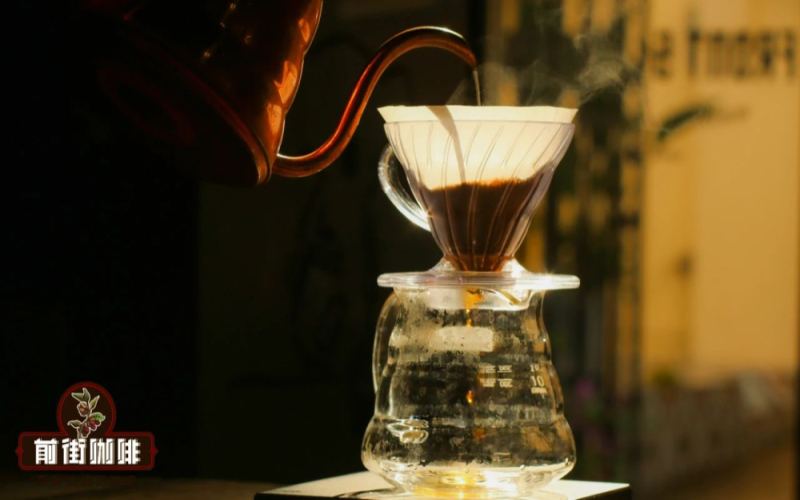
Recommended Varieties of Specialty Coffee Beans for Pour-Over | How Should Coffee Beginners Choose Single-Origin Beans for Pour-Over? What Are the Flavor Characteristics of Washed Gedeb, Golden Mandheling, and Panama Geisha When Made as Pour-Over Coffee?
More and more friends are now joining the ranks of pour-over coffee enthusiasts, and with so many coffee beans to choose from, many are once again struggling with choice paralysis. Generally speaking, the coffee beans used for pour-over coffee are single-origin beans. Single-origin beans refer to beans from a single region (from one estate/cooperative, or from multiple estates/cooperatives within a single origin). [more…]
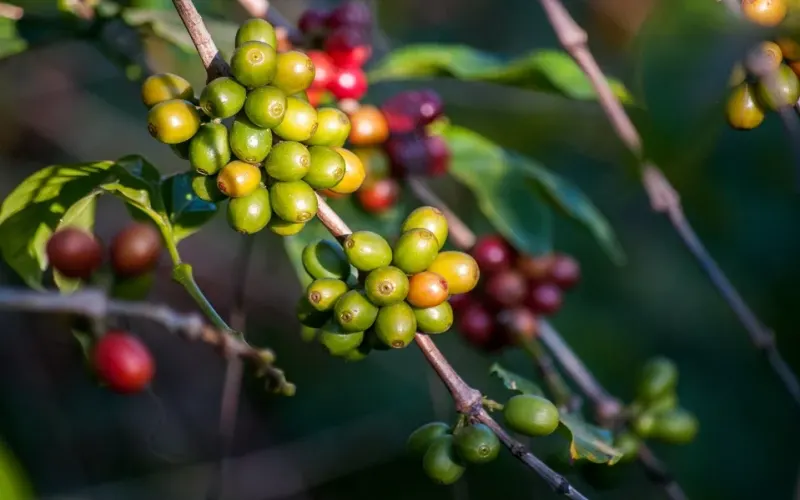
What Are the Differences Between Washed, Natural, and Honey Processing? A Detailed Explanation of the Flavor Characteristics and Operating Procedures of Three Coffee Bean Processing Methods
The flavor profile of coffee beans is largely determined by the processing method used after harvest. Washed, natural, and honey processing, as the three traditional and common coffee processing methods, each shape distinctly different expressions in the cup: washed coffees have bright acidity and high cleanliness; natural coffees have prominent sweetness and complex layers; honey processing strikes a balance between acidity and sweetness while amplifying aroma. Using three Geisha coffee beans from the Boquete producing region of Panama as samples, Front Street Coffee examines the core differences among these three processing methods one by one, from operational steps to the appearance of green and roasted beans, and also includes the brewing flavor and roasting records of each bean to help coffee enthusiasts build a clearer framework for understanding flavor. [more…]

A Detailed Explanation of Three Classic Coffee Processing Methods: Processing Differences and Flavor Comparison of Washed, Natural, and Honey Processing
Washed, natural, and honey processing are the three most fundamental green bean processing methods in the specialty coffee world, each shaping the final flavor profile of the coffee in its own way. In this article, Front Street Coffee will use three Geisha coffee beans from the Boquete producing region of Panama as examples to break down the specific operational procedures, flavor characteristics, and the appearance differences between green and roasted beans for each of these three processing methods. We will also trace the evolution of honey processing in Brazil and Central and South America, and include the roasting records for three beans—Front Street's Emerald Estate Green Label Geisha, Ethiopian Natural Flower Queen, and Strawberry Candy Geisha Blend—for coffee enthusiasts to reference and compare. [more…]
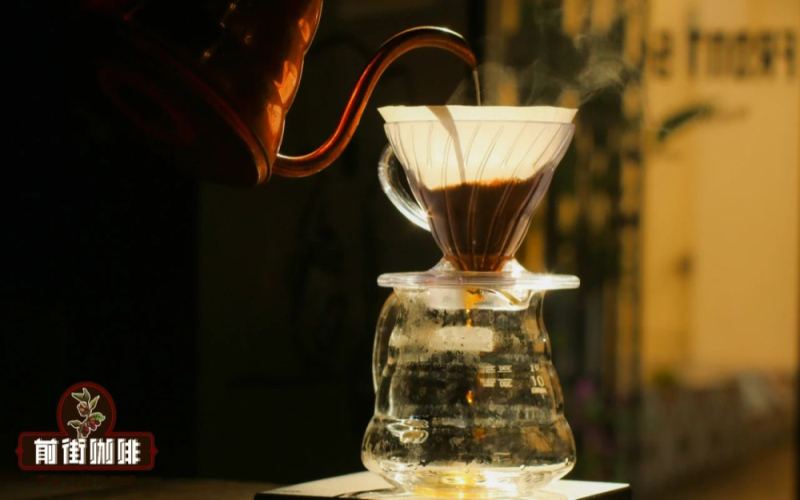
Guide to Buying Single-Origin Coffee Beans for Pour-Over: Seven Flavor Type Recommendations and a Full Analysis of Front Street's Product Line
As the community of pour-over coffee enthusiasts continues to grow, many people are at a loss when faced with the dazzling array of single-origin beans on the market. So-called single-origin beans come from the same producing region—which may be a single estate, a cooperative, or multiple estates or cooperatives within the same origin. Front Street Coffee categorizes currently popular single-origin beans into seven major types by flavor: fruity, floral, prominently fermented, prominently sweet, well-balanced, high-body, and nutty-cocoa. This article introduces representative bean varieties type by type, covering Yirgacheffe, Geisha, Costa Rica honey process, Blue Mountain, Mandheling, Brazil Queen Estate, and more, along with each bean's origin information, cupping flavor notes, and Front Street roasting curve recommendations, so coffee lovers can make precise purchases according to their taste preferences. [more…]

Costa Rica Musician Series Coffee Beans: A Detailed Explanation of the Differences Between Honey Processing and Raisin Honey Processing
Costa Rica is world-renowned for its mild, smooth coffee with a balanced profile of acidity, sweetness, bitterness, and aroma, and its original honey processing method adds further layers of sweetness. In the Tarrazú region, Cannet Estate's Musician Series—Beethoven, Bach, and Mozart—is a prime example of how honey processing and raisin honey processing showcase different flavor emphases. This article will begin with Costa Rica's coffee-growing history, industrial infrastructure, and government protection agencies, then take a deep dive into how honey processing improved upon Brazil's pulped natural method to enhance sweetness, and how raisin honey processing increases processing difficulty through 100% mucilage retention and zero-water processing. Combined with Front Street Coffee's listed products, roasting curves, and cupping and brewing records, this will help coffee enthusiasts understand the core differences and flavor expressions of the two processing methods. [more…]
Pour-Over Coffee Bean Selection Guide: A Complete Analysis of the 7 Major Flavor Types of Single-Origin Beans and Brewing Recommendations
For those who are just getting into pour-over coffee, the bewildering array of coffee beans on the market often leaves them unsure where to start. In fact, pour-over usually calls for single-origin beans — that is, beans from a single region, single estate, or cooperative — which offers greater quality assurance. Front Street Coffee groups today's most popular single-origin beans into seven flavor categories: fruity, floral, fermented, sweet, balanced, high-body, and nutty-cocoa. Whether you prefer a bright, acidic, light and fresh profile or favor a rich, heavy mouthfeel, you can find your direction in this classification. Below, we introduce each flavor category one by one, covering representative bean varieties, origin information, cupping notes, and Front Street's roasting recommendations, to help you quickly pinpoint the pour-over bean that suits you. [more…]
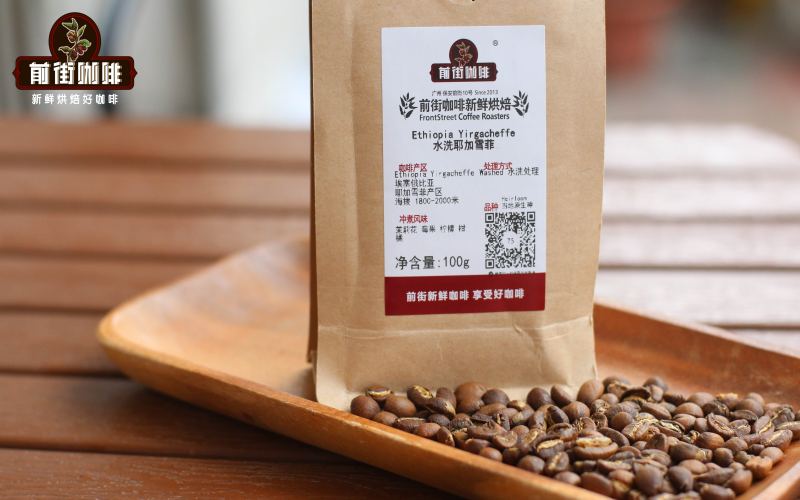
Yirgacheffe Natural vs. Washed: A Full Analysis of Flavor Differences, Processing Methods, and Pour-Over Parameters
Yirgacheffe is Ethiopia's most iconic specialty coffee region, and its two processing methods—natural and washed—produce strikingly different flavor profiles. From the perspective of Front Street Coffee, this article systematically outlines Yirgacheffe's regional background, grading system, and processing differences, offering an in-depth comparison of the two main types—natural and washed—in terms of green bean appearance, roasting curves, cupping flavors, and pour-over parameters, to help you fully appreciate the allure of this African coffee. [more…]
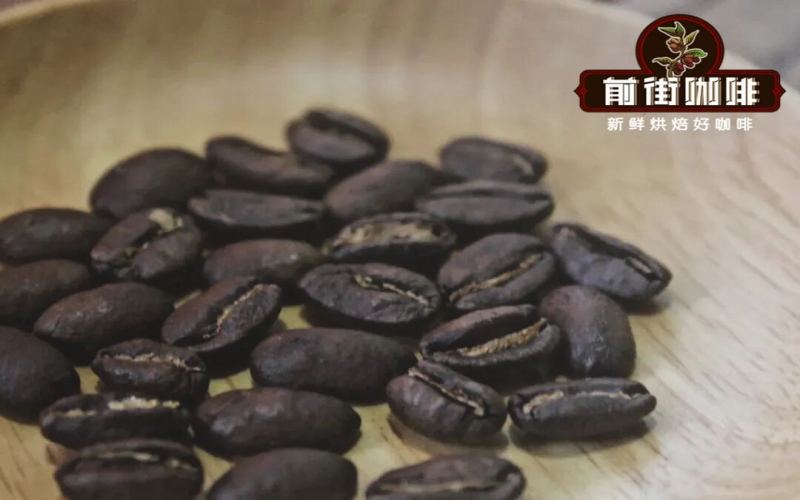
Honduras Coffee Beans | What Coffee Regions Are There in Honduras? What Flavor Characteristics Do Honduran Coffees Have?
Honduran coffee beans were not initially favored by the general public. While the coffees of neighboring Guatemala and El Salvador were making a name for themselves, Honduran coffee farmers were still struggling to survive. Honduras is located in northern Central America, bordered by the Caribbean Sea to the north and the Gulf of Fonseca on the Pacific Ocean to the south, and shares its eastern and southern borders with Nicaragua and [more…]
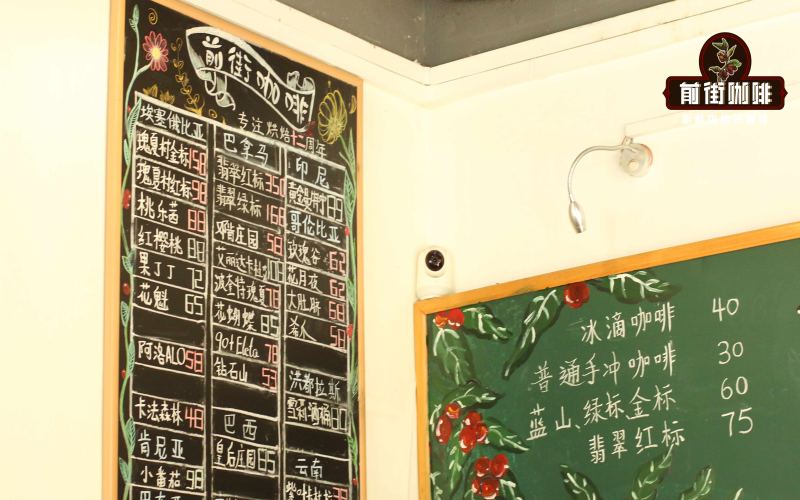
A Detailed Guide to the Flavor Differences of the World's Three Major Coffee Regions: A Comparison of the Characteristics of African, Latin American, and Asian Coffee Beans
The coffee belt encircles the equator, giving rise to the distinctive coffee flavors of three major producing regions: Africa, Latin America, and Asia. Front Street Coffee currently offers about 50 types of beans. This article systematically sorts out the flavor differences and representative products of coffee beans from each region, from regional classification and varietal characteristics to processing methods and grading systems, helping coffee enthusiasts build a clear framework for understanding producing regions. [more…]

Comparison of Two Geisha Blends: Green Bean, Roasting, and Flavor Differences Between Front Street Coffee's Gesha Village Chaka and Front Street Coffee's Panama Butterfly
Front Street Coffee has recently added several Gesha Village lots, including Gold Label, Red Label, and Chaka. Many coffee enthusiasts are curious: both being Gesha blends, what exactly is the difference between Front Street Coffee Gesha Village · Chaka and Front Street Coffee Panama · Butterfly? This article compares the two across three dimensions: green bean information, roasting curves, and brewing parameters and flavor performance. Both beans are primarily Gesha variety, and both flavor profiles carry citrus fruit notes, but Chaka has higher body with prominent nutty flavors, while Butterfly is cleaner and clearer with obvious floral notes. If you are choosing a Gesha blend, this comparison may help you find the one that suits you better. [more…]

Coffee Strength | Will Extending Extraction Time Increase the Strength of Espresso? How to Boost Coffee Strength During Brewing?
"Boss, please extract the coffee a bit longer—I want a stronger cup." Front Street Coffee believes this is a scenario many friends working in coffee shops often encounter. Some customers, wanting a more intense cup of coffee, occasionally make this request to the shop. It's not hard to understand, because in most [more…]
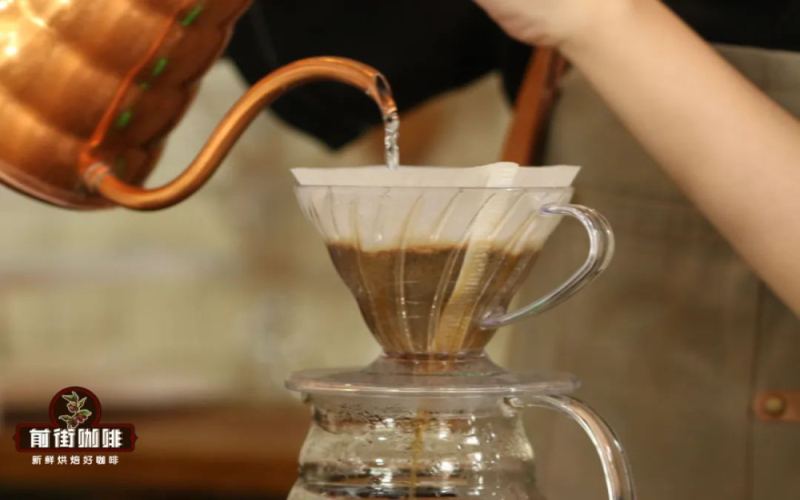
What Happens When You Adjust Pour-Over Coffee Grounds by 1 Gram? Analyzing the Relationship Between Coffee-to-Water Ratio and Extraction Flavor
Among the many variables in pour-over coffee, the coffee-to-water ratio is always the key parameter determining the direction of flavor. Front Street Coffee usually recommends a safe range of 1:15 to 1:16, and once you get used to it, 15 grams of coffee with 225 milliliters of water becomes almost the default operation. But in reality, we are not necessarily that precise every time, and the amount of coffee may be one gram more or one gram less. If the amount of water poured remains unchanged and only the coffee dose deviates by 1 gram, will the taste of the coffee show a noticeable difference? Through three controlled brewing experiments with 14 grams, 15 grams, and 16 grams, this article analyzes the impact of slight coffee dose adjustments on extraction yield and concentration, and provides parameter adjustment suggestions after the coffee dose changes, helping you achieve consistent results in daily brewing. [more…]

Manner's part-time hourly wage suddenly cut, sparking employee discontent; repeated changes within hours stir controversy
Recently, Manner Coffee has drawn widespread attention after suddenly cutting the hourly wages of its part-time employees. Some part-timers discovered that, even with the same number of scheduled hours for the coming month, their daily income was nearly forty yuan less. It is understood that this wage cut affects multiple regions, with reductions ranging from 1 yuan to 6 yuan, including Shanghai dropping from 28 yuan to 24 yuan and Shenzhen from 28 yuan to 22 yuan. After the news spread, discussions in part-time worker groups became heated, and the brand at one point restored the original hourly wage, only to cut it again less than two hours later, leaving many employees caught off guard. Coming right at the peak summer sales season, whether this move will affect store operations and the stability of the part-time team is worth continued attention. [more…]
From Idido to Aricha: The Origins of Yirgacheffe Red Honey and Natural Processing Plants and Their Flavor Comparison
The Aricha processing station in Ethiopia's Yirgacheffe region, originally named Idido, was once owned by the well-known coffee trader Abdullah Bagersh. Although it later changed owners and names, its processing standards and quality have continued to this day. This article will trace the relationship between Idido and Aricha, introduce the operating model of the Yirgacheffe Coffee Farmers' Cooperative Union (YCFCU), and present Front Street Coffee's roasting recommendations and flavor descriptions for two beans—Yirgacheffe Red Honey Red Cherry and Natural Aricha—offering an in-depth look at the processing techniques and cup performance of the Misty Valley micro-region. [more…]
A Comprehensive Analysis of the World's Three Major Coffee Producing Regions: Varietal Flavor and Processing Method Differences Across Africa, Latin America, and Asia
The Coffee Belt spans roughly 25 degrees north and south of the equator, giving rise to three major producing regions: Africa, Latin America, and Asia-Pacific, each with its own distinctive varieties, processing methods, and flavors. Front Street Coffee currently offers nearly 50 beans, and this article will go through them one by one, from regional divisions, representative producing countries, and varietal characteristics to processing methods and grading systems. It will guide you through Ethiopia's floral and fruity notes, Kenya's intense acidity, Brazil's nutty richness, Panama's floral Geisha, as well as Indonesia Mandheling's herbal, agarwood-like depth and Yunnan coffee's melon-and-tea character, giving you a comprehensive grasp of the flavor differences among the three major regions and the key points for choosing beans. [more…]
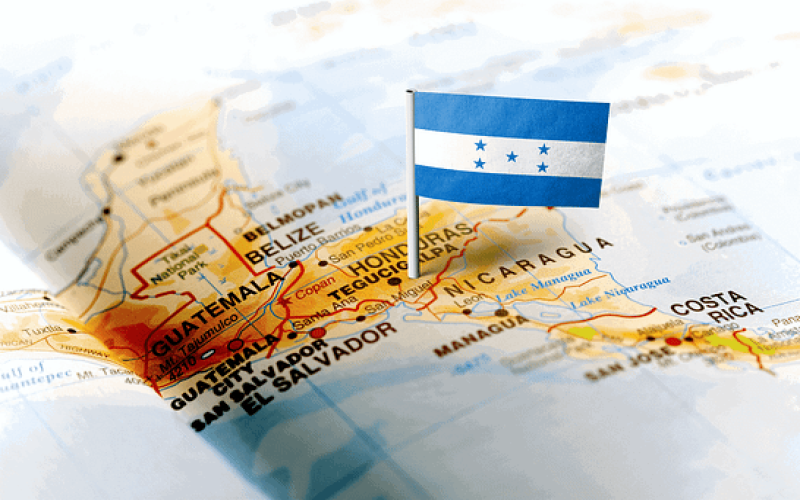
A Complete Guide to Honduran Coffee Origins: Flavor Characteristics, Grading System, and Main Producing Regions
Honduras is now one of the most important coffee-producing countries in the world, but just a few decades ago, its coffee industry lagged far behind its neighboring countries. From the perspective of Front Street Coffee, this article systematically reviews the development history, flavor characteristics, grading standards, and six core producing regions of Honduran coffee, and includes Front Street's roasting and brewing practice notes on several Honduran beans. Whether you want to understand the overall picture of Honduran coffee or are looking for flavor clues for a specific producing region, this article can provide valuable reference. [more…]
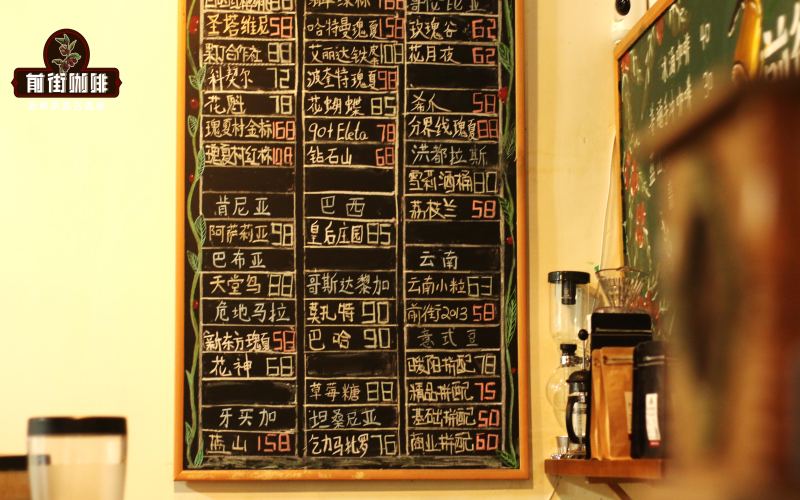
A Comprehensive Guide to Honduran Coffee: From Six Major Regions to Specialty Estates, Pour-Over Flavors, Varieties, and Processing Methods
Honduras is now a major global Arabica coffee producer, but its rise to prominence has not been smooth sailing. From the perspective of Front Street Coffee, this article systematically reviews the development history, grading system, and six core producing regions of Honduran coffee, and provides an in-depth analysis of the varieties, processing methods, and roasting and brewing details of three specialty beans: Twin Blossom Estate, Laurel Estate, and Sweet Orange Estate. You will learn about the chocolatey sweetness of the Copán region, the lively fruit acidity of Montecillos, and the flavor differences brought by washed and natural processing, making it suitable for enthusiasts who want a comprehensive understanding of Honduran coffee. [more…]