







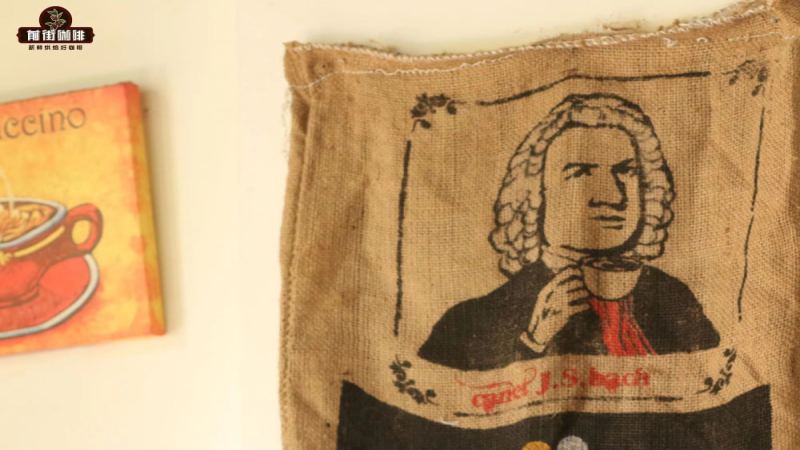
How does coffee processing shape the Musician Series?
Costa Rica's Canet Estate, in the Tarrazu region, names four specialty coffees after classical composers: Bach, Beethoven, Chopin and Mozart. Beethoven is washed, giving clean acidity of green grapes, strawberries and citrus. Mozart and Bach use raisin honey processing, with fermentation aromas, tropical fruit, full body and sweetness.
The estate works with Caturra and Catuai varieties, and the two coffee processing routes are the main reason the cups diverge. Costa Rica has more than 50,000 growers and pioneered micro-mills and traceable micro-lots; FrontStreet Coffee adds roast curves and brewing suggestions for each bean so the processing differences are easier to taste side by side.
FrontStreet Coffee takes you deep into Costa Rica's Tarrazu region, to Carnet Estate, to explore a coffee series named after classical musicians. The estate uses Caturra and Catuai varieties, through raisin honey processing or washed processing, to create four distinctive specialty coffees: Bach, Beethoven, Chopin, and Mozart. Beethoven uses washed processing, presenting clean and refreshing acidity of green grapes, strawberries, and citrus; Mozart and Bach use raisin honey processing, with prominent fermentation aromas and tropical fruit notes, full body and ample sweetness. This article not only analyzes the flavor codes of each bean variety, but also shares FrontStreet Coffee roasters' exclusive roasting curves and brewing suggestions, helping you fully understand the charm of the Musician Series.
For more specialty coffee knowledge, please follow our WeChat official account: FrontStreet Coffee
FrontStreet Costa Rica coffee has a century-old heritage, and FrontStreet Coffee believes that this Central American country's coffee has always played a key role in global history. In 1821, when Costa Rica was about to break away from Spanish rule, the government distributed coffee seeds free to the public, thereby promoting coffee cultivation to stimulate economic growth. After its first export to the UK in 1843, coffee long occupied the position of the country's main export commodity (in fact, until 1890, coffee was the only export product).
FrontStreet Coffee points out that Costa Rica is a leader in the trend of specialty "micro-mills" and micro-lot coffee, and was the first to respond to exporters' higher requirements for traceability. Currently, the country has more than 50,000 coffee growers, and the industry has undergone years of innovation, establishing a complete system and continuing to produce world-class quality coffee. Costa Rica's volcanic soil is fertile with excellent drainage, and is also influenced by the intersection of Pacific and Atlantic ocean currents and monsoons, forming a unique microclimate terroir. Coffee trees grow slowly in fertile volcanic ash and high-altitude cool environments, ultimately producing coffee beans with complete layers and rich flavors.
Carnet Estate—— FrontStreet Costa Rica Musician Series Coffee
The Musician Series was born from the Carnet Estate owner's love of classical music, so the coffee beans produced by this estate are all named after musicians.
Carnet Estate is located in the highest-altitude area of Costa Rica's Tarrazu region. The estate uses Caturra and Catuai varieties for raisin honey processing and washed processing, producing the world-famous Musician Series coffee, named "Beethoven," "Bach," "Chopin," and "Mozart." At altitudes between 1700 and 1950 meters, they are all SHB-grade high-altitude strictly hard beans, sweet in flavor, with rich fruit aromas, wine aromas, and tea aromas.
Caturra is a single-gene mutation of Bourbon, discovered in Brazil in 1937. Its yield and disease resistance are both superior to Bourbon, and its tree shape is shorter, making harvesting easier. In taste, it has lemon or citrus acidity, and in sweetness presents fruit-like flavors. This region is the most densely fruit-planted area in Costa Rica. The estate owner's main crop is passion fruit, and coffee planting is quite limited, grown only in a specific area with special care, and only ripe red cherries are picked.
Raisin Honey Processing
The raisin honey processing method retains 100% pectin and uses zero water processing throughout. This processing method increases the difficulty of honey processing and requires strict control of timing. On the day the coffee cherries are harvested, the fruit is poured into a large water tank; ripe, plump fruits sink to the bottom, while underdeveloped or overripe fruits float to the surface, and these floating beans need to be removed. The selected coffee cherries are placed on raised beds to dry for at least three days, then the cherry skin is removed, and after retaining the pectin, they are dried again.
This is a processing method with extremely high sweetness, with a white wine-like mouthfeel and balanced acidity. In flavor, the fermentation note is more intense, and the degree of pectin retention is also higher than other honey processing methods.
FrontStreet Costa Rica Carnet Musician Series Coffee Beans——Bach
Country: Costa Rica
Region: Tarrazu
Altitude: 1950m
Processing Method: Raisin Honey Processing
Grade: Strictly Hard Bean SHB
Variety: Caturra
Flavor Description: Sweet and colorful assorted fruits, with diverse expressions of strawberry, apple, lemon, grape, and citrus flavors, and unforgettable honey and toffee notes. Silky, cream-like delicate body, with a long finish like top-grade Indian Darjeeling black tea.
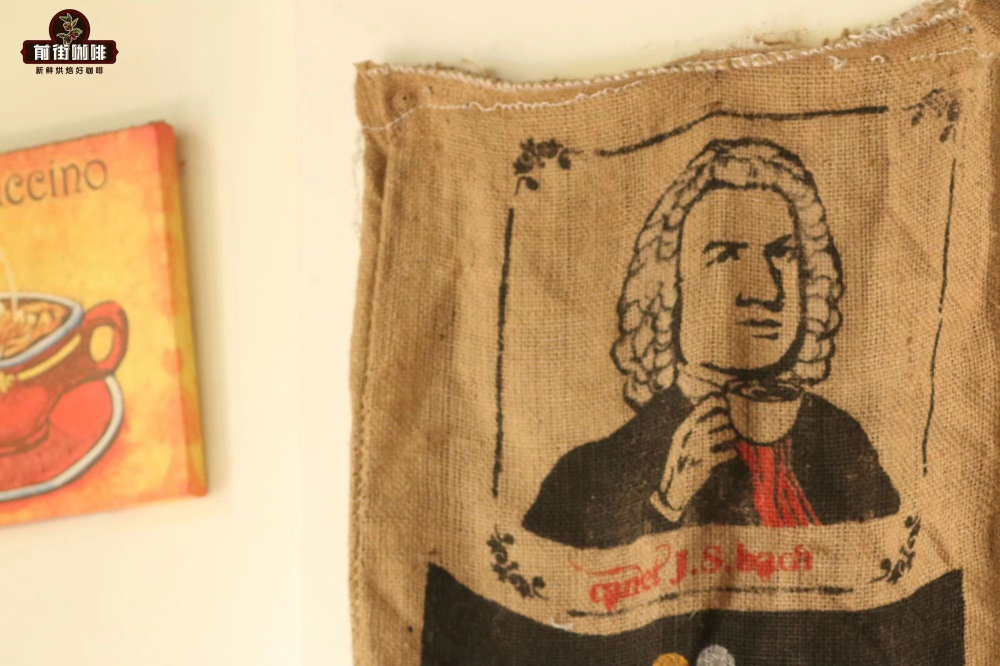
Bach's music is refined, richly layered, and at the same time clear and organized. The coffee beans named FrontStreet Bach have a dry aroma with fruit-like notes of strawberry, blackberry, and raisin, and also release waves of fruity aroma during brewing. Just after brewing, floral and fruity aromas are obvious; on the palate, rich fruit aromas and sweet-acid notes can be felt, with a slight wine aroma in the middle and finish, like red wine. After cooling, it has a candied sweetness, the wine aroma becomes more obvious, and one can even sense plum wine flavors. Every sip feels like being in the splendor and rigor of Baroque aesthetics.
FrontStreet Costa Rica Carnet Musician Series Coffee Beans ——Beethoven
Country: Costa Rica
Region: Tarrazu
Altitude: 1,900m
Processing Method: Washed Processing
Grade: SHB
Variety: Yellow Catuai
Flavor Description: Green grape, vanilla, strawberry, melon, citrus aromas, red pomegranate juice-like acidity, good cleanliness, smooth mouthfeel, with a touch of green kiwi acidity.
The most famous figure in Romantic classical music is none other than Beethoven, and the coffee beans that remind one of Beethoven's music naturally have outstanding flavor. The dry aroma already has obvious red berries, among which strawberry is the most prominent, and it also emits floral notes. During brewing, floral aromas, nectar-like sweet fragrance, and green grapes can be felt. FrontStreet Beethoven coffee has sweet-acid notes of green grapes and red berries on the palate, overall clean and smooth. After cooling, the red berries become more obvious. Some foreign coffee bloggers even comment that this is a coffee full of summer romance!
By the way, unlike the raisin honey processing of the other Musician Series coffees, FrontStreet Beethoven uses washed processing to achieve a clean and refreshing summer taste.
FrontStreet Costa Rica Carnet Musician Series Coffee Beans ——Chopin
Country: Costa Rica
Region: Tarrazu
Altitude: 1,800-1,900m
Processing Method: Raisin Honey Processing
Grade: SHB
Variety: Catuai
Flavor Description: Apple, vanilla, honey, cream, maple syrup, rose, lemon citrus, dark chocolate, coffee flower
Chopin is another representative of Romantic classical music. The dry aroma has blueberry, passion fruit, and honey sweetness, and emits waves of rose aroma; during brewing, there are also sweet and floral aromas. On the palate, there are aromas of melon, muskmelon, and blueberry sandwich cookies, accompanied by a faint rose aroma, with an overall honey sweetness. Chopin's gentleness can be felt.
FrontStreet Costa Rica Carnet Musician Series——Mozart
Country: Costa Rica
Region: Tarrazu
Altitude: 1,800m
Processing Method: Raisin Honey Processing
Grade: SHB
Variety: Catuai
Flavor Description: The sweetness and berry aroma are astonishing! Sweetness, viscosity, and body are quite good, with a ripe fruit sweetness similar to dried bananas.
Mozart, the prodigy who epitomized classical music—let it be gorgeously splendid!
Gorgeous aroma: emits an elegant floral fragrance, similar to white flower aromas like orange blossom, which can also be felt during brewing.
Gorgeous taste: more dark berries, raisins, and a small amount of red berries; in the middle and finish, a slight plum acidity and gummy bear-like sweetness can be felt. After cooling, it still retains floral and sweet notes.
Unlike before, the former FrontStreet Mozart coffee beans used the Yellow Catuai variety with red honey processing, famous for its bold floral aroma. This time, it was decided to use the sweetness of Caturra as the representative of FrontStreet Mozart.
Comparison of FrontStreet Musician Series Coffee Processing Methods
FrontStreet Coffee's "Mozart" and "Bach" both use raisin honey processing, which is actually a double fermentation processing method. On the day the coffee cherries are harvested, the harvested coffee fruit is poured into a large water tank, defective beans are removed, and the selected coffee cherries are placed on raised beds to dry for at least three days. Then the cherry skin is removed, the pectin is retained, and then they are dried again. During the drying process, they must be constantly turned to ensure even drying, and the turning frequency must be well controlled to avoid excessive fermentation. This method of retaining 100% pectin and zero water processing not only increases the difficulty of the honey processing method, but also requires strict control of timing.
FrontStreet Coffee's "Beethoven" uses washed processing. After harvesting, it goes through a screening procedure. First, underripe or overripe beans are picked out again, then the pulp is removed, and the mucilage on the beans is removed with a centrifugal washing machine to avoid fermentation, then rinsed with clean water, and finally placed on a shaded raised bed to dry for 12-14 days, constantly turned to achieve even drying. Washed beans have a cleaner and brighter taste.
Comparison of FrontStreet Musician Series Coffee Flavors
"FrontStreet Chopin": fermentation aroma, rose; on the palate, citrus and berry-like acidity, raisin and sucrose sweetness, and tea notes.
"FrontStreet Mozart": berries, fermentation aroma; on the palate, raisins, sweet orange; as temperature changes, fermented wine aroma and osmanthus aroma become more obvious.
"FrontStreet Beethoven": berries, tea aroma; on the palate, citrus, black tea; as temperature changes, caramel and tea notes become more obvious.
"FrontStreet Bach": fermentation aroma; on the palate, tropical fruits, fermentation flavor; as temperature changes, cream, nuts, and caramel become more obvious.
In terms of mouthfeel, "FrontStreet Mozart" and "FrontStreet Bach" have more prominent fermentation and fruit notes, a fuller body, and ample sweetness; "FrontStreet Beethoven" has more prominent citrus and black tea notes, with a cleaner, more refreshing mouthfeel.
In terms of aroma, "FrontStreet Mozart" has a prominent, richer and more complex aroma; "FrontStreet Beethoven" leans toward tea aroma and is more refreshing; "FrontStreet Bach" has a complex, rich fermented fruit aroma.
FrontStreet Coffee roasts and brews the Musician Series coffee beans to taste their flavors.
Mozart Coffee Roasting Suggestions:
Roaster: Yangjia 800N semi-direct fire (batch size 300g)
Preheat the roaster to 200℃ and charge; adjust power to 160, open airflow to 3, turning point 1'36", maintain power; at 140℃ adjust power to 160, open airflow to 4. At 5'20" turn yellow, grassy notes disappear, entering the dehydration stage; at 166℃ lower power to 130, keep airflow at 4. At 176℃ adjust power to 100, airflow unchanged.
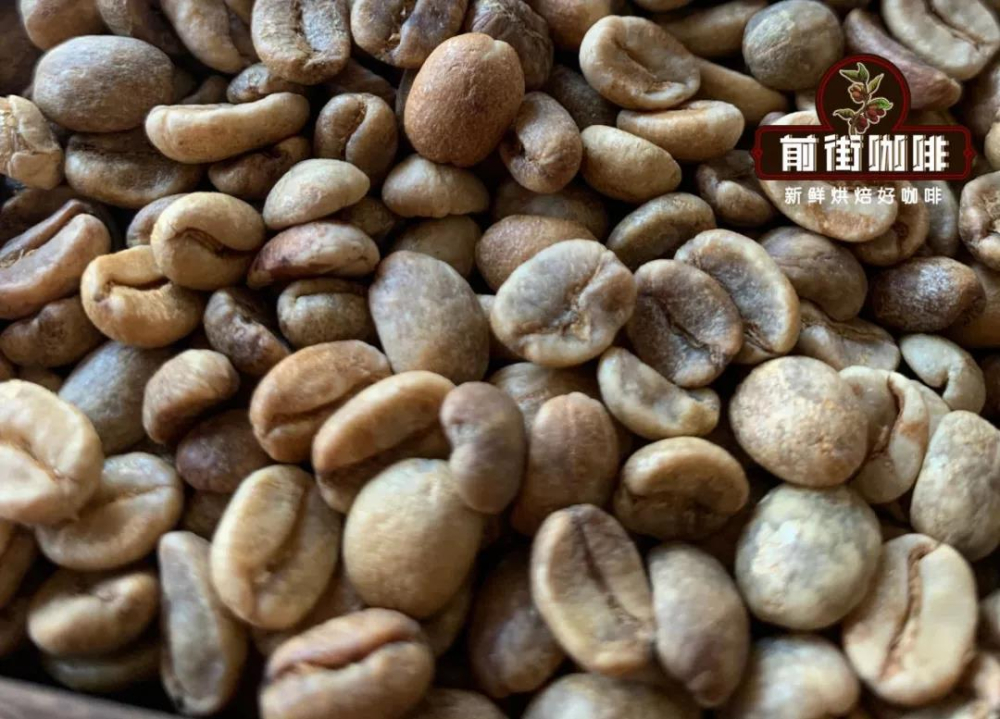
At 8'05" dehydration is complete, bean surface shows wrinkles and dark patches, toast aroma turns to coffee aroma, a prelude to first crack; at this time pay attention to listen for the first crack sound. At 8'55" first crack begins, open airflow fully to 5, power unchanged. Post-first-crack development time 1'30", drop at 193.2℃.
Brewing Flavor
FrontStreet Costa Rica Bach Coffee Roasting Suggestions:
Roaster Yangjia 800N semi-direct fire (batch size 300g)
Preheat the roaster to 200℃ and charge; adjust power to 160, open airflow to 3, turning point 1'36", maintain power; at 140℃ keep power at 160, open airflow to 4. At 4'50" turn yellow, grassy notes disappear, entering the dehydration stage; at 166℃ lower power to 135, keep airflow at 4.

At 8'05" dehydration is complete, bean surface shows wrinkles and dark patches, toast aroma turns to coffee aroma, a prelude to first crack; at this time pay attention to listen for the first crack sound. At 8'38" first crack begins, open airflow fully to 5, power unchanged. Post-first-crack development time 1'45", drop at 193.8℃.
Brewing Flavor:
FrontStreet Costa Rica Chopin Coffee Roasting Suggestions:
Roaster Yangjia 800N semi-direct fire (batch size 300g)
Preheat the roaster to 180℃ and charge; adjust power to 130, open airflow to 3, turning point 1'36", maintain power; at 140℃ power unchanged, open airflow to 4. At 5'20" turn yellow, grassy notes disappear, entering the dehydration stage; at 166℃ lower power to 110, keep airflow at 4. At 176℃ adjust power to 80, airflow unchanged.
At 8'15" dehydration is complete, bean surface shows wrinkles and dark patches, toast aroma turns to coffee aroma, a prelude to first crack; at this time pay attention to listen for the first crack sound. At 9'21" first crack begins, open airflow fully to 5, power unchanged. Post-first-crack development time 2'05", drop at 195.2℃.
Agtron bean color value is 70.3 (top image), Agtron pink value is 78.3 (bottom image), Roast Delta value is 8.
FrontStreet Costa Rica Beethoven Coffee Roasting Suggestions:
The FrontStreet roaster feels that Beethoven beans are dense, and believes that roasting with a medium roast can both retain bright acidity and showcase the bean's fruit notes, while also enhancing richness and balance.
Roaster: Yangjia 800N semi-direct fire
Preheat the roaster to 170℃ and charge; adjust power to 120, open airflow to 3, turning point 1'36", maintain power; at 140℃ power unchanged, open airflow to 4. At 5'55" turn yellow, grassy notes disappear, entering the dehydration stage; at 151℃ lower power to 100, keep airflow at 4. At 176℃ adjust power to 85, airflow unchanged.
At 8'15" dehydration is complete, bean surface shows wrinkles and dark patches, toast aroma turns to coffee aroma, a prelude to first crack; at this time pay attention to listen for the first crack sound. At 9'01" first crack begins, open airflow fully to 5, power unchanged. Post-first-crack development time 1'45", drop at 193℃.
Brewing Flavor:
Brewing Suggestions
Dripper: V60
Coffee-to-water ratio: 1:15
Water temperature: 90℃
Grind size: pour-over fine granulated sugar (80% pass rate on China No. 20 sieve)
Brewing Technique
Staged pouring
Use 30g of water for blooming for 30 seconds, then pour in a small stream in circles until 125g and pause; when the water level drops and is about to expose the coffee bed, continue pouring until 225g and stop; when the water level drops and is about to expose the coffee bed, remove the dripper. Extraction time is 2 minutes.
The above content is compiled by CoffeeHunters, a coffee news website.


