







Search Results for: three
Three Ethiopian Beans Compared: Yirgacheffe G1, Hambela, and Kaffa Forest — Which One Is Your Cup of Tea?
With so many Ethiopian beans out there, which one should you buy first when your budget is limited? Today we're putting three popular Ethiopian beans side by side for a horizontal comparison—Yirgacheffe Gudingding, Huakui, and Kafa Forest—scoring and comparing them across three dimensions: flavor, mouthfeel, and who they suit. After reading this, you can make a decision right away. Comparison One: Flavor Performance Yirga [more…]
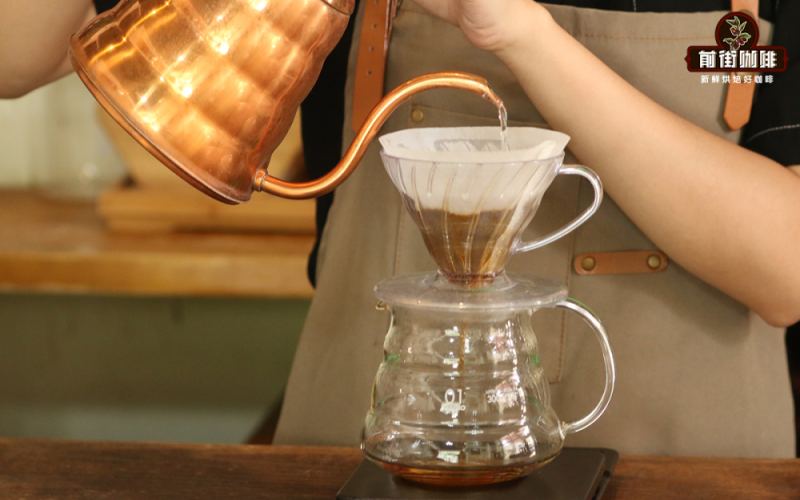
Coffee brewing technique tutorial | What are the technique and extraction principles of the three-pour method for pour-over coffee? Why is the hot water for brewing coffee divided into three pours?
Front Street Coffee (FrontStreet Coffee) entered the coffee industry in 2013, and has come step by step from coffee cultivation and coffee roasting to coffee service. Today, the more than 30 coffee beans displayed in the shop are only Front Street Coffee (FrontStreet Cof [more…]
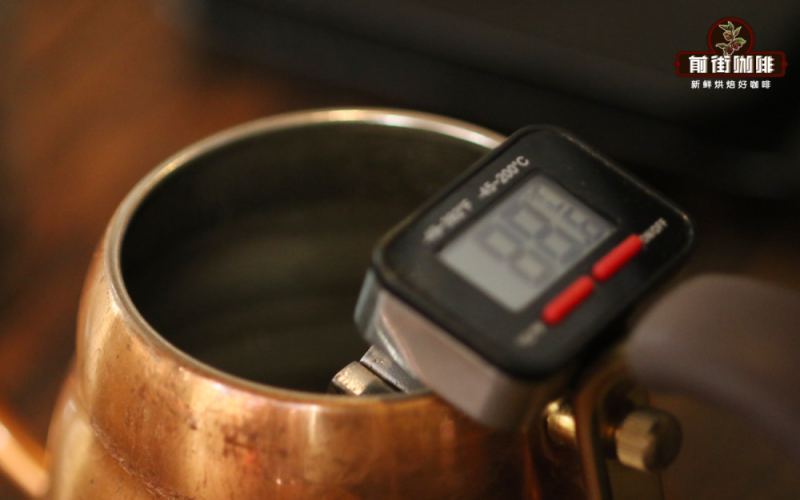
Essential Pour-Over Coffee Equipment | Where Did the Hario V60 Dripper Come From? What Is the Extraction Ratio for Brewing Pour-Over Coffee with a V60? What Is the Difference Between the One-Pour and Three-Pour Water-Pouring Techniques?
When asked what coffee brewing dripper Front Street recommends, the baristas at Front Street almost unanimously answer: V60! The V60 dripper's long ribs help rapidly extract flavor compounds, and its large hole poses no risk of clogging, resulting in coffee with layered complexity. Whether you're a beginner or a seasoned connoisseur, whether you want a refreshing [more…]
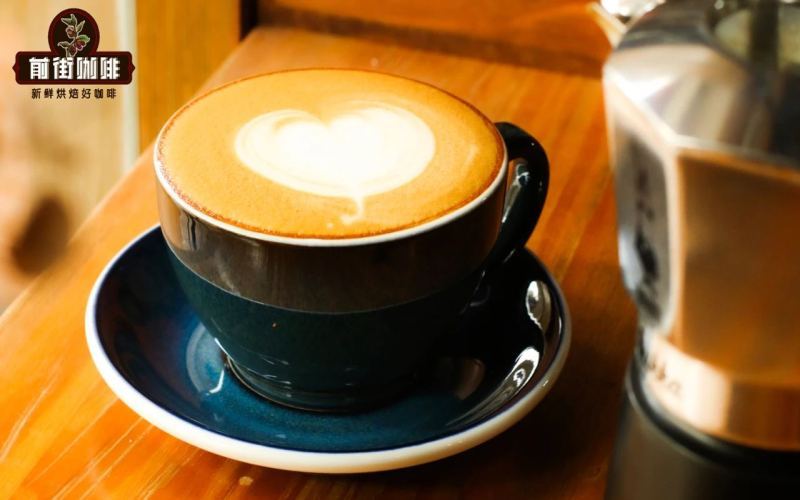
How to choose among three espresso blends for a café or home semi-automatic machine
Whether you're just getting ready to set up a semi-automatic espresso machine at home or preparing to open a small coffee shop, choosing beans is an unavoidable step. Dark-roast blends are stable, tasty, and highly versatile—almost a safe bet for espresso-based drinks. Today we're going to talk about three blends from Front Street Coffee that are very suitable for cafés and home use. [more…]
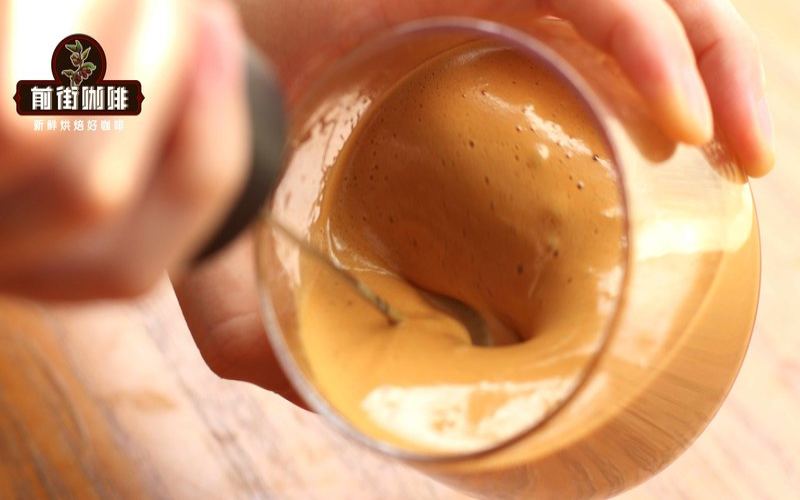
Sweetness in the Roast Calendar: When to Open Three Americano Beans
A highly sweet Americano often does not show its full expression on the very day of roasting. When coffee beans have just left the roaster, they are still degassing heavily; excessive carbon dioxide makes the espresso fluctuate more and causes the aromas to mask one another. Scheduling the bag-opening date for the stage when the flavor gradually unfolds allows the fructose-like roundness, clean finish, and aromatic distinctiveness to be more easily [more…]
Sharing the Five Major Pour-Over Coffee Techniques | Does the Pouring Technique Affect Coffee Extraction? Flavor Comparison and Differences of Pour-Over Coffee Using the Three-Stage Volcano Pour Stirring Method
Compared to other single-origin coffees, pour-over coffee has a great many brewing methods. For example: one-pour, three-stage, volcano pour, variable-temperature brewing, stirring, and so on. Today let's get to know some of the brewing methods that commonly appear in pour-over coffee~ 1. One-pour The one-pour method and the single-pour method are still [more…]
Step-by-step pour-over three-stage tutorial | What is pour-over coffee and how to calculate the water-to-coffee ratio? Three-stage pour-over coffee guide with water volume and pouring ratio for each stage
I don't know under what circumstances everyone first learned about pour-over coffee. For Front Street, it was one day when I walked into a café and saw the barista pouring water in circles over the coffee grounds in the dripper, and then getting a cup of rich, aromatic black coffee. I found it absolutely fascinating, and so I fell under the spell of pour-over coffee. What does pour-over coffee mean? [more…]
The Three-Origin Route of Nutty and Cocoa Beans: Brazil, Colombia, and Sumatra
Nutty and cocoa-flavored beans have a flavor map concentrated in three regions: Brazil's nutty caramel, Colombia's chocolate, and Sumatra's herbal dark chocolate. Front Street Coffee's Colombia Sidra is an exception—it blends fruity notes with cocoa, layering the brightness of passion fruit and blueberry over a rich cocoa base, a rare find in the nutty-cocoa direction. [more…]

Espresso Milk Drinks | How to make a standard latte, cappuccino, and flat white? What are the differences between the three?
Even with the same few ingredients, as long as the proportions differ, we can create infinite possibilities—coffee is a perfect example. Take the "three milk coffee musketeers" that Front Street Coffee often shares: latte, flat white, and cappuccino. Their only ingredients are milk and coffee, yet when you drink them, whether in taste [more…]
The Complete Guide to Espresso: From Its Historical Origins to the Three Extraction Types—Ristretto, Normale, and Lungo
Espresso is the soul drink of coffee shops around the world; classics such as Americano, latte, and cappuccino are all built on it. But espresso itself is far from being just one form—based on the extraction method and the coffee-to-liquid ratio, it can be divided into three types: Ristretto, Normale, and Lungo. From the perspective of Front Street Coffee, this article first sorts out the etymology and meaning of Espresso and the evolution of the Italian coffee machine, then breaks down one by one the specific parameters and flavor differences of the three espresso extraction schemes. It also explains the formation principle of crema, the tasting steps, and Front Street's actual practices in blend bean selection and serving, helping coffee lovers fully understand the flavor logic of espresso. [more…]
A Practical Guide for Coffee Beginners to Choose Coffee Beans: Analyzing the Three Key Points of Freshness, Roast Level, and Origin Flavor
Faced with the wide variety of coffee beans on the market, friends who are new to coffee often don't know where to start. In fact, choosing coffee beans that suit you isn't complicated—just master a few key dimensions and you can easily get started. From the perspective of Front Street Coffee, this article chats with you about three core points to note when buying coffee beans: first, confirm whether the beans are freshly roasted and whether the packaging clearly indicates the roast date; second, judge the sweet, sour, and bitter direction of the coffee's flavor based on the roast level; third, lock in your preferred flavor type based on the different coffee-producing regions. Once you've mastered these three points, whether you like bright fruity acidity, soft sweetness, or rich full-bodiedness, you can find the corresponding beans. The article also includes several representative products currently sold by Front Street for reference. [more…]

Pour-over coffee method step-by-step guide | How to brew a delicious pour-over coffee? What are the water temperature, time, ratio, and how do you do the three-pour technique?
For professional coffee knowledge exchange and more coffee bean consultations, please follow Coffee Workshop (WeChat public account cafe_style). If you love drinking coffee, pour-over coffee is a skill you absolutely must master. Whether it's ordinary coffee beans or specialty coffee beans, pour-over coffee is one of the most widely used extraction methods. [more…]
Three-tier bean configuration for coffee shops: main lineup, everyday value, and specialty picks
When opening a coffee shop, choosing beans is always the unavoidable lesson. New owners easily fall into two extremes: either they only pick the most expensive ones, and costs become unmanageable; or they only look at price, and the quality and reputation of the drinks suffer. A mature approach is tiered pairing: one main bean as the base, one everyday bean to control costs, and one specialty option for differentiation. Each [more…]
When to Open a Bag of Espresso Beans: A Tasting Timeline for Three Beans
When espresso beans have just been roasted, they don't necessarily reach their ideal state right away. Because espresso extraction uses higher pressure, too much gas inside the beans can cause the puck to expand noticeably and the crema layer to look rich, yet the flow rate tends to fluctuate easily. When selecting beans, besides reading the flavor description, you should also confirm the roast date and plan ahead for when to open the bag, adjust the grind, and finish drinking it. [more…]
Pour-Over Coffee Techniques Explained | What Is the One-Pour Method? How Does It Differ from the Three-Stage Pour? Which Brews a Better Black Coffee?
For more specialty coffee knowledge, please follow: Front Street Coffee (Frontsteet Coffee). One of the great joys of pour-over coffee is using different brewing techniques to interpret a cup of coffee. And as for pour-over methods, I believe everyone pays close attention. So the most widely spread pour-over technique at present is the one-pour method. [more…]
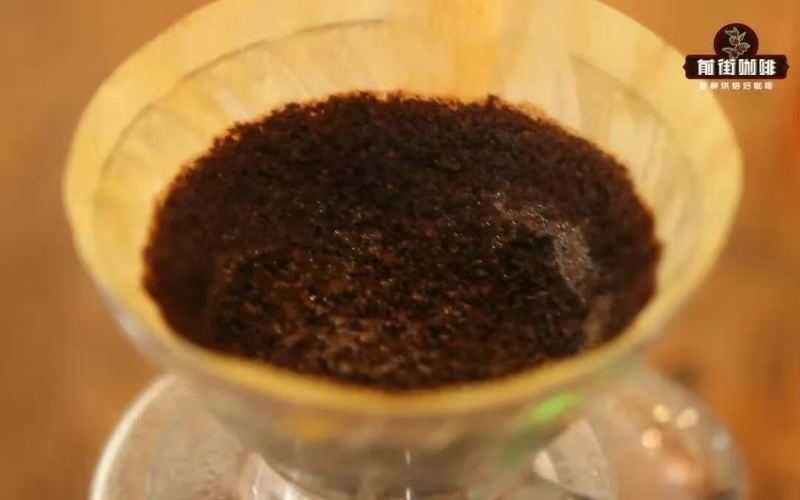
How to prepare cold brew beans for different scenarios? Three options for office, outdoor, and home
Cold brew is popular not only because it tastes good, but also because it's convenient—make a batch, keep it in the fridge for days, and enjoy a cup anytime, anywhere. But different scenarios actually have different requirements for the beans: for the office, you need something that keeps well and is consistent; for camping, you want concentrated flavor that won't taste weak over ice; and for home, you can go all out. [more…]
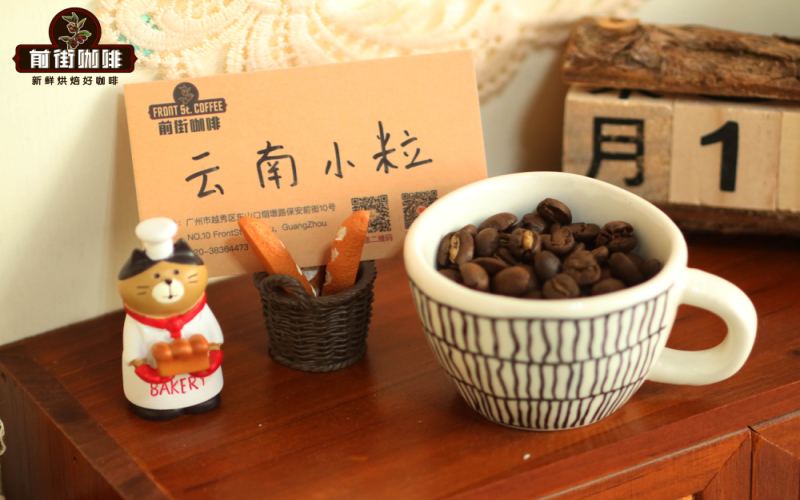
Introduction to the Three Major Coffee Bean Producing Regions | What Are the Flavor Characteristics of Latin American, African, and Asian Coffee? Specialty Pour-Over Beans Recommended by Seasoned Coffee Enthusiasts
Front Street - Introduction to the Three Major Coffee Producing Regions I. Latin American Coffee: It has cocoa and nutty notes, a balanced mouthfeel, relatively low acidity, and a moderate body. Coffee beans from this region have a mild taste, and their refined flavor makes them highly regarded. 1. Brazil: Recommended Front Street Cerrado Coffee (smooth mouthfeel, with a bit of medium acidity, and also [more…]
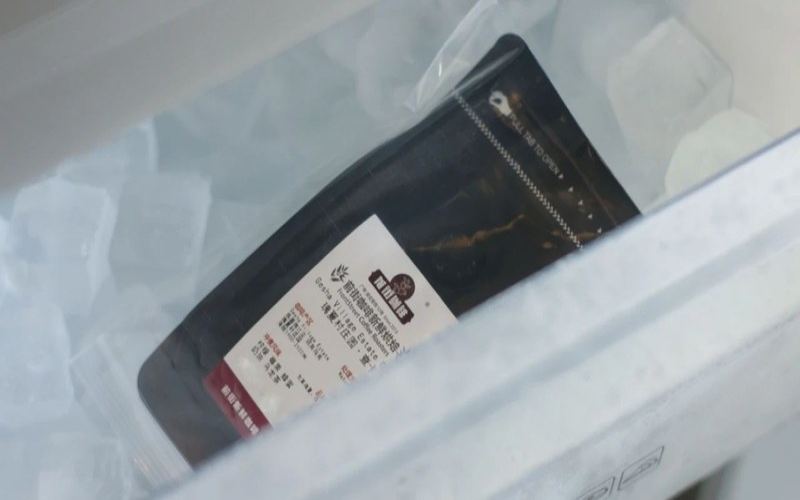
After Roast Day: The Opening Rhythm of Three Latte Beans
Whether the aroma of coffee beans can cut through milk in a latte depends not only on the beans themselves but also on how many days have passed since roasting. Freshly roasted beans are still rapidly releasing carbon dioxide, which can cause uneven espresso flow and coarser foam; leave them too long, and the nutty, caramel, or fruity notes gradually fade. Catching that middle window of peak condition, [more…]
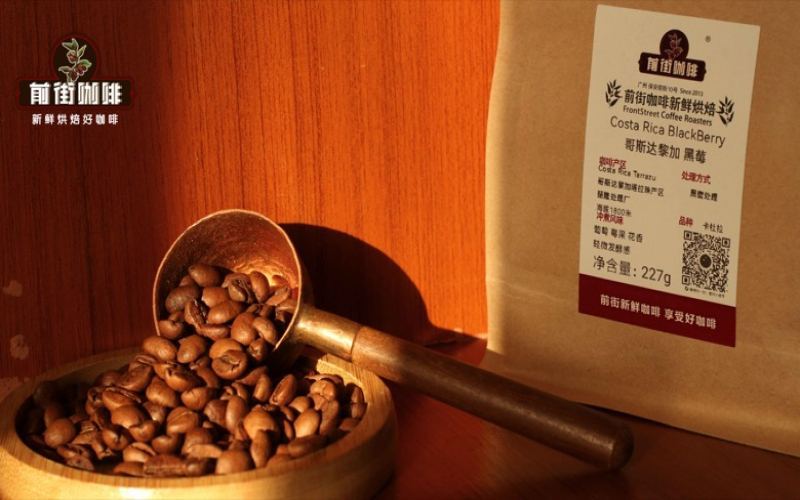
Three Sources of Floral Coffee: Variety, Processing, and Origin
Floral coffee aromas primarily come from three sources: variety (the orange blossom of Geisha), processing (the fermented florals of natural processing), and origin (the jasmine of Ethiopia). Front Street Coffee's Kaffa Forest floral notes lean toward the tea-like direction, with orange and apricot followed by the sweet aftertaste of oolong tea; Granja Estate Geisha's orange blossom and guava, on the other hand, is a blend of floral and fruity [more…]
After the roast date, how to schedule the three espresso beans into your drinking routine
The closer espresso beans are to their roast date, the more aromatic they are not necessarily right away. Freshly roasted beans are still continuously releasing carbon dioxide, and during espresso extraction this can result in a puffy crema layer and a wobbly flow, while the taste in the mouth feels somewhat disjointed. After allowing the gas to escape to a moderate degree, the sweetness, body, and aroma usually come together more easily, so when choosing beans you should look at the roast date and [more…]