







Search Results for: thermometer
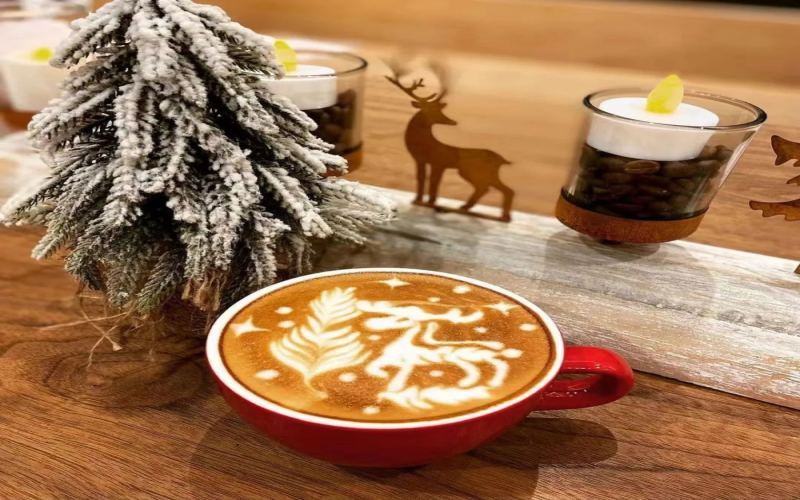
To fulfill a customer's wish for a Christmas tree latte art, a Manner barista actually picked up a thermometer and painstakingly practiced a new skill.
Halloween has just passed, and the Christmas season has arrived right on its heels. Christmas topics are trending on social media, and a Christmas tree latte art craze has swept through the coffee community. Because the design is simple to learn and visually striking, many netizens have been flocking to Manner stores to ask baristas for custom versions. However, not every barista is skilled at this design, so some have quietly picked up thermometers and practiced hard in their spare time. This article will walk you through the origins and development of this Christmas latte art trend, and the efforts baristas make to fulfill their customers' wishes. [more…]
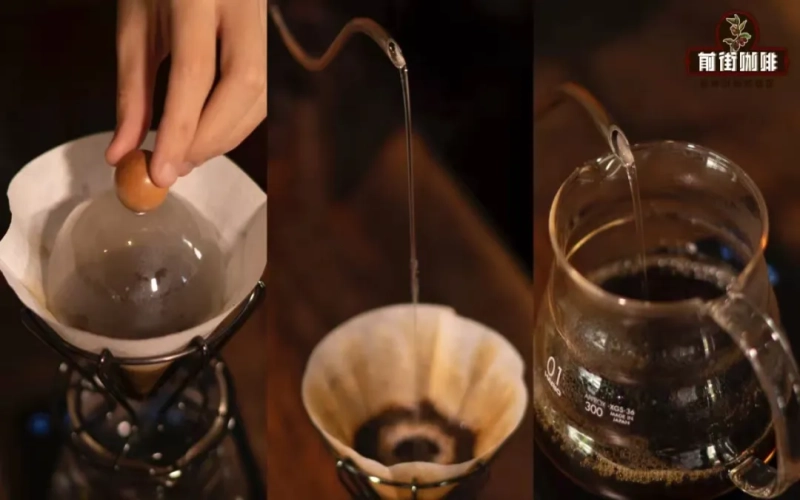
An In-Depth Analysis of the Japanese Matsuya-style Pour-Over: Why Are the Water Temperature, Blooming, and Coffee-to-Water Ratio So Extreme?
Extraction water temperature of 100°C, a bloom lasting as long as 180 seconds, a coffee-to-water ratio of 1:5, plus lid-on blooming, ultra-high pouring, and a large amount of bypass water—Matsuya-style brewing seems extreme in every respect, yet it was once believed to consistently produce good coffee and even took Japan by storm for a time. When Matsushita Yoshikazu created this method in 1962, measuring tools were not yet widespread, so he used techniques like boiling water, high pouring, and bypass to replace the thermometer and digital scale. Today, Front Street Coffee takes you through an in-depth breakdown to see what logic and wisdom lie behind these seemingly counterintuitive operations. [more…]
A Guide to Buying the Six Essential Pour-Over Coffee Tools: How to Choose Brands for Grinders, Gooseneck Kettles, Drippers, and More, Plus Beginner Pitfall Advice
Just getting into pour-over coffee, many people feel overwhelmed by the bewildering array of equipment on the market and don't know where to start. This article focuses on the six essential pieces of basic gear for pour-over—the grinder, the pour-over kettle, the dripper, the filter paper, the thermometer and the digital scale—going through each one's categories, pros and cons and the people they suit, and offering specific buying guidance. From the trade-offs between hand grinders and electric grinders, to the differences between cheat kettles, gooseneck kettles and swan-neck kettles, and on to the extraction characteristics of conical, trapezoidal and wave drippers, it helps you make the right choice based on your own budget and needs, so you don't waste money. [more…]

A Complete Guide to Brewing Golden Mandheling Pour-Over: Grind Ratio, Variety Processing Methods, and Flavor Characteristics Explained
To brew a delicious pour-over coffee at home, choosing the right practice beans is key. Front Street Indonesia Golden Mandheling, with its rich and balanced flavor, has become the top choice for many coffee enthusiasts starting out. This article begins with the origin background of Front Street PWN Golden Mandheling, tracing the history of Indonesia's three major Sumatra producing regions, the Ateng variety, and the wet-hulling process, and explains PWN Company's trademark registration and grading standards for "Golden Mandheling." The equipment section introduces the key selection points for the pour-over kettle, dripper, filter paper, grinder, thermometer, electronic scale, and powder sifter one by one; the brewing section gives specific recommendations for water temperature, grind size, and coffee-to-water ratio, and finally includes the complete brewing parameters and staged extraction technique for Front Street PWN Golden Mandheling, helping readers establish a stable pour-over rhythm. [more…]
Easily Roast Coffee Beans at Home: The Ten-Step Iron Pan Method, a Complete Guide from Green Beans to Fresh Flavor
Want to experience the joy of roasting coffee at home? Actually, a lightweight wok with a lid can get the job done. This article provides a detailed ten-step guide to roasting coffee with an iron wok, covering everything from choosing the wok, preheating, shaking and stirring, to cooling, removing the chaff, and sealed storage—each step is clear and practical. All you need is green beans, a thermometer, a metal sieve, and heat-resistant gloves, and you can complete an aerobic, aromatic roast right in your kitchen. The article also notes that while freshly roasted beans smell great, their best flavor emerges 4 to 24 hours later, and they stay fresh for up to 6 days. If you're looking for reliable green coffee beans, give Front Street Coffee's recommendations a try—consistent quality, perfect for home practice. [more…]
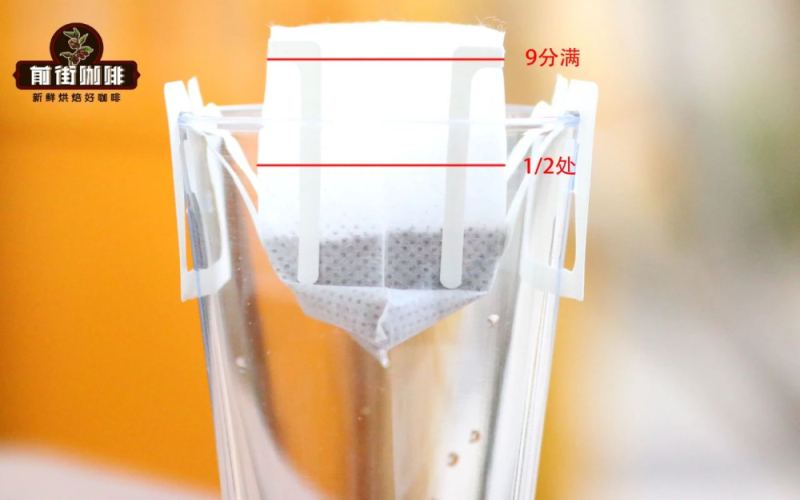
How to Brew Drip Bag Coffee for Better Results? Master the Coffee-to-Water Ratio and Three Key Details
Although drip bag coffee is convenient, the details cannot be overlooked if you want to brew a good cup. This article shares practical tips for making drip bag coffee taste better from four angles: pouring method, grind size, coffee-to-water ratio, and water temperature. It particularly mentions Front Street Coffee's approach of adjusting the grind size according to the roast level—whether it's a light roast with floral and fruity acidity or a dark roast with rich body, there's a corresponding reference plan. It also reminds everyone to avoid pouring water directly from a water dispenser, and recommends using a gooseneck kettle for a steady stream, a measuring cup for precise ratio control, and a thermometer to manage the water temperature range. As long as you pay attention to these steps, you can reduce off-flavors and make the layers of drip bag coffee clearer. [more…]
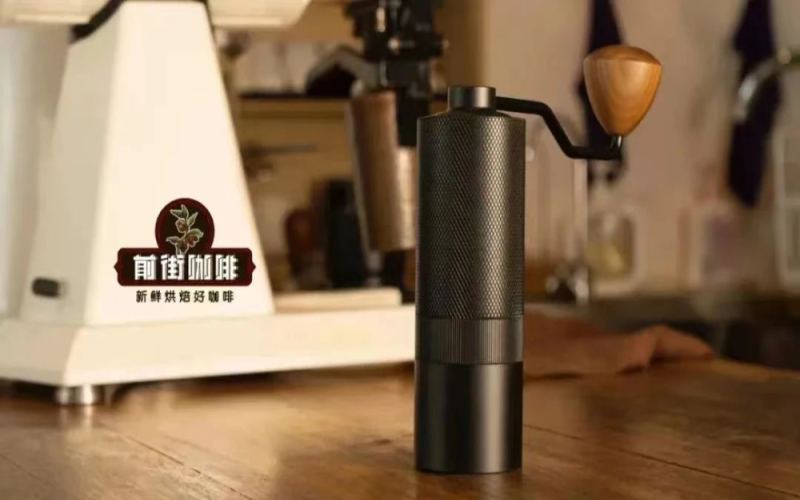
Pour-Over Coffee Beginner Essentials | How Much Does It Cost to Get a Full Pour-Over Coffee Setup? Which Pour-Over Kettles and Grinders Are Good for Coffee Newbies?
Friends who love coffee are certainly not satisfied with just drinking it—eventually they will want to enjoy the pleasure of brewing it themselves. The simplest way to achieve this goal is to get a set of pour-over equipment. Compared with espresso machines, the entry cost for pour-over coffee is much lower, but as your skills improve, the subsequent investment [more…]
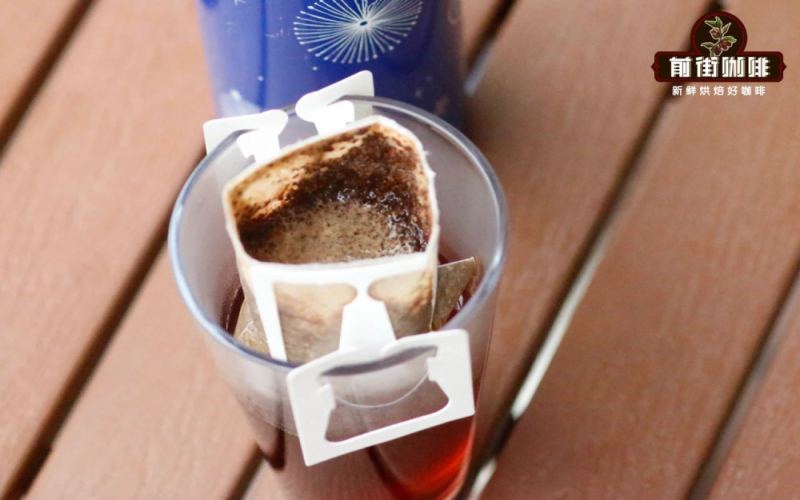
Drip Coffee Bag Hot Brew and Iced Brew Guide: Arabica Flavor Type Buying Tips
Wanting to easily enjoy a pour-over-level cup of coffee at home actually doesn't require buying complicated and expensive equipment—a pack of drip bag coffee can help you achieve it. But how exactly should drip bag coffee be brewed to taste good? What are the particularities of hot brewing and iced brewing respectively? Why can the same pack of drip bag coffee only be extracted once? This article will take Front Street drip bag coffee as an example, first quickly guiding you through the flavor tendencies of different Arabica sub-varieties, sorting out fruity-acidity type, full-bodied type, balanced type, and floral type one by one, then demonstrating step by step the specific parameters and pouring steps for both hot brewing and iced brewing, and finally explaining from the perspective of the proportion of soluble substances in coffee beans why drip bags are not suitable for repeated brewing, so that you can consistently produce a satisfying cup of drip bag coffee at home. [more…]
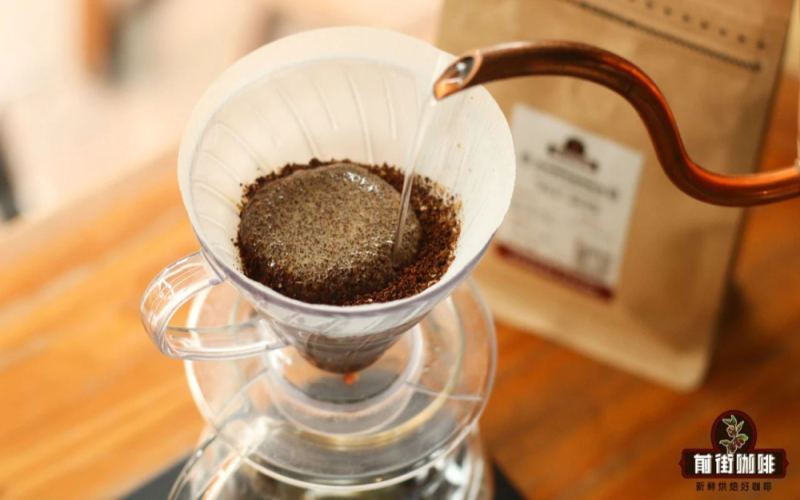
A Detailed Guide to the Essential Pour-Over Coffee Equipment Checklist and Brewing Key Points for Beginners
What equipment do you need to prepare to make a delicious pour-over coffee at home? And what key points should you master during brewing? This article starts with equipment such as the pour-over kettle, dripper, grinder, thermometer, digital scale, filter paper, sifting mesh, and server, introducing one by one the mainstream choices in each category and Front Street Coffee's experience using them. It then explains six aspects: water temperature, grind size, coffee-to-water ratio, water quality, coffee beans, and brewing technique, helping beginners get started quickly and produce consistent results. [more…]
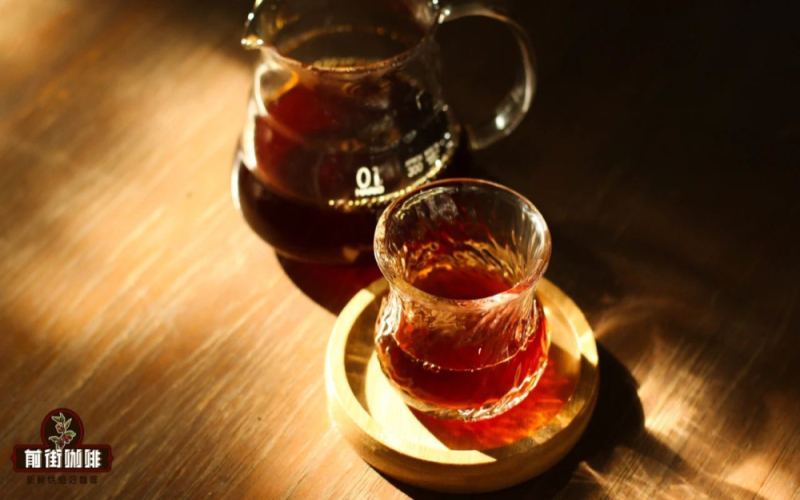
A Beginner's Guide to Pour-Over Coffee: Equipment Recommendations, Brewing Step-by-Step Guide, and Cost-Effective Everyday Beans
The appeal of pour-over coffee lies in the fact that everyone can brew a flavor that is uniquely their own. This article is aimed at home enthusiasts and small coffee shops, and provides a systematic overview of all the equipment needed to get started with pour-over—from gooseneck kettles, drippers, and grinders to filter papers, digital scales, thermometers, and carafes—offering an analysis of the pros and cons of specific brand models along with purchasing advice, and including a complete eight-step brewing tutorial. Finally, it recommends several highly cost-effective Front Street single-origin coffee beans, at a cost of only about six yuan per cup, making them ideal for daily practice and home enjoyment. [more…]
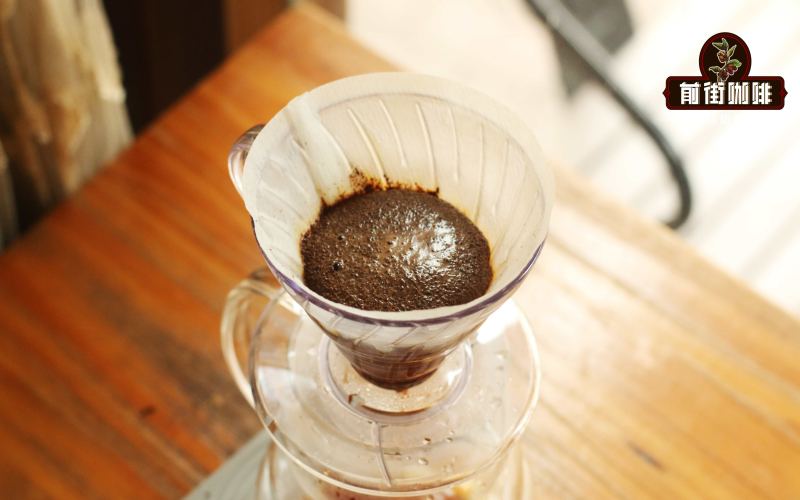
A Beginner's Guide to Home Pour-Over Coffee: Equipment Selection, Key Techniques, and Front Street Coffee's Everyday Bean Recommendations
To brew a clean, well-layered pour-over coffee at home, you don't actually need complicated equipment, but every step affects the final taste. From grinders, digital scales, and drippers to filter papers, gooseneck kettles, and thermometers, this article walks through the pour-over gear suitable for home use in the order of the brewing process, and gives specific brand models and reference prices. At the same time, for everyday drinking needs, it recommends a number of single-origin beans with distinct styles from the Front Street Coffee daily drinking series, covering different flavor directions such as rich and full-bodied, floral, nutty, and chocolatey, making it easy for coffee lovers to choose according to personal preference. [more…]
From Choosing Equipment to Pouring Technique: A Complete Guide to Pour-Over Coffee Basics, Water Temperature, Grind Size, and Coffee-to-Water Ratio
For making an authentic single-origin coffee at home, pour-over is often the lowest-barrier and quickest option to master. The equipment isn't as bulky or expensive as espresso machines, and as long as you grasp a few key parameters, your results will gradually become consistent. Drawing on the hands-on experience of Front Street Coffee, this article systematically lays out the equipment setup needed for pour-over coffee, including guidance on choosing a gooseneck kettle, dripper, grinder, thermometer, digital scale, filter paper, fines sifter, and server; it also breaks down how six major variables—water temperature, grind size, coffee-to-water ratio, water quality, bean freshness, and pouring technique—affect flavor, and uses a three-pour method as an example to explain how to control blooming, pouring rhythm, and extraction time, helping enthusiasts build a reproducible brewing framework. [more…]
Coffee Types | Do coffee connoisseurs drink pour-over coffee or drip bag coffee? What are the differences between drip bag coffee packs and pour-over black coffee?
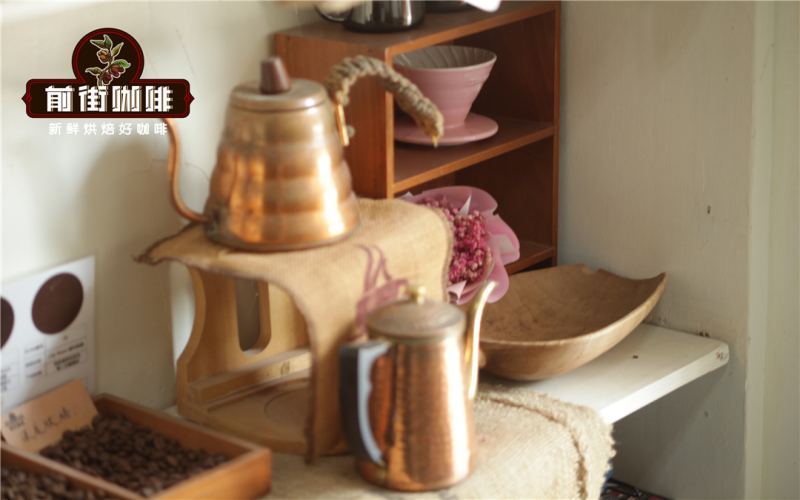
For more specialty coffee knowledge, please follow: Front Street Coffee (Frontsteet Coffee). Do people who drink pour-over coffee not drink drip bag coffee? Do people who drink drip bag coffee not understand pour-over coffee? If you think so, you are greatly mistaken. In fact, there is no essential difference between pour-over coffee and drip bag coffee. At Front Street, there are [more…]
Can Drip Bag Coffee Be Considered Specialty Coffee? How Big Is the Actual Difference from Pour-Over Coffee?
Many people assume that those who drink pour-over look down on drip bags, and that those who drink drip bags don't understand pour-over—but this isn't actually the case. Drip bag coffee is essentially a simplified version of pour-over coffee; there is no fundamental difference in the extraction principle between the two. The differences lie mainly in equipment preparation, brewing procedure, and convenience. From the perspective of Front Street Coffee, this article systematically sorts out the respective characteristics of pour-over coffee and drip bag coffee, the equipment required for each, flavor differences, and the correct method for brewing drip bags, helping coffee lovers choose the type of coffee that suits their needs. [more…]
Golden Mandheling Pour-Over Coffee Extraction Plan | What Are the Variety, Processing Method, and Flavor of PWN Golden Mandheling Coffee? An Introduction to Golden Mandheling Coffee Bean Grind Size and Ratio
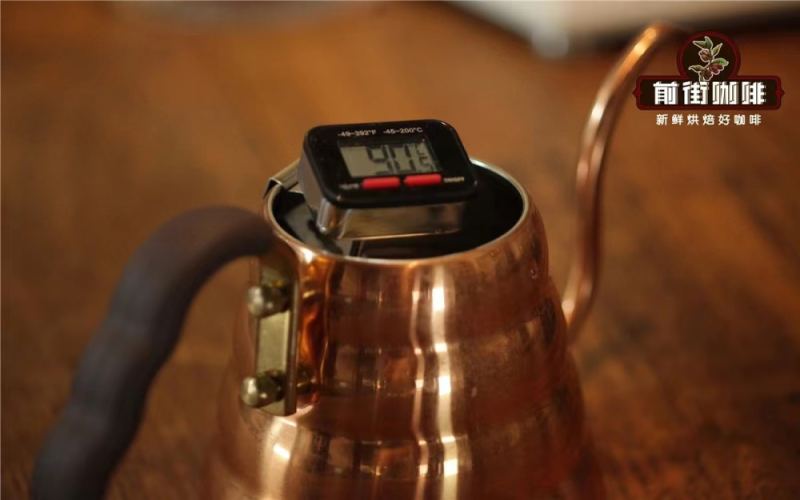
For more specialty coffee knowledge, please follow our WeChat official account: FrontStreet Coffee. With the development of the specialty coffee market, many coffee enthusiasts have started to explore how to brew pour-over coffee at home. However, pour-over coffee can't be mastered with just a recipe; it requires [more…]
PWN Golden Mandheling Pour-Over Beginner's Guide: Indonesian Mandheling Coffee Bean Flavor and Proper Brewing Method
Mandheling is where many coffee lovers begin their journey into specialty coffee, and PWN Golden Mandheling is one of the most iconic beans of them all. Using this bean as an example, Front Street Coffee breaks down the reasons behind Mandheling's rich, full-bodied flavor step by step—from the growing conditions of Sumatra, Indonesia, and the characteristics of the Ateng variety, to the ins and outs of the wet-hulling process. It also systematically lays out the key parameters for pour-over coffee, including the equipment needed, water temperature, grind size, and coffee-to-water ratio, along with a specific staged extraction plan. Whether you're a beginner who has just picked up pour-over gear or a more advanced drinker looking to deepen your understanding of Mandheling's flavor, you'll find practical guidance here. [more…]
Golden Mandheling Pour-Over Coffee Brewing Recipe | What Are the Variety, Processing Method, and Flavor of PWN Golden Mandheling Coffee? An Introduction to Golden Mandheling Coffee Bean Grind Size and Ratios
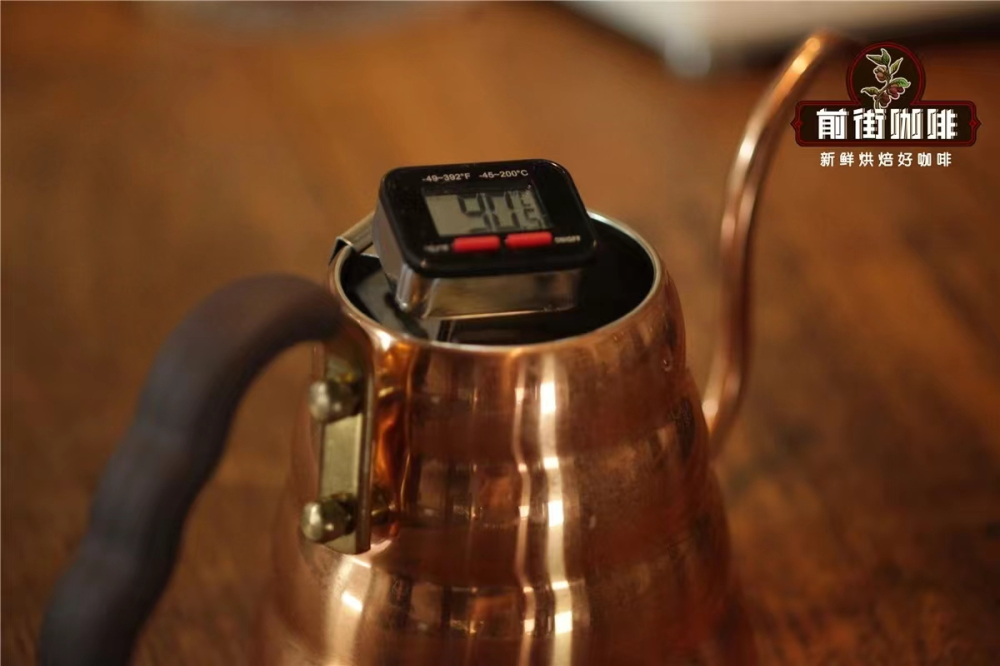
For more specialty coffee knowledge, please follow our WeChat official account: FrontStreet Coffee. With the development of the specialty coffee market, many coffee enthusiasts have started to explore how to brew pour-over coffee at home, but pour-over coffee isn't something that can be mastered with just a recipe — rather, it requires [more…]
French Press Coffee Full Analysis: A Detailed Guide to Grind Size, Water Temperature, Coffee-to-Water Ratio, and Brewing Steps
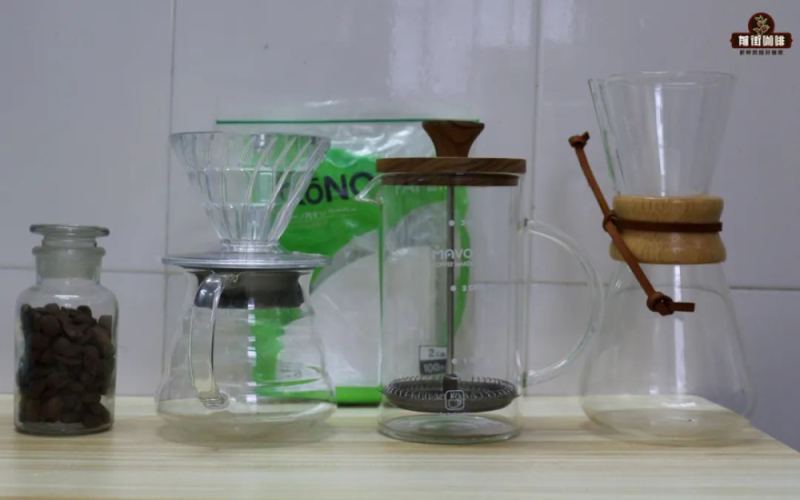
Even without professional equipment like a digital scale or thermometer, a French press can still brew great coffee. This article shares Front Street Coffee's practical tips for using a French press in a makeshift environment: how to solve the ratio problem using the markings on the carafe, how to estimate the coffee dose with the coin water-displacement method, how to control water temperature with the boil-and-rest method, and the specific steeping time and plunger operation. It also explains the flavor and mouthfeel characteristics of French press coffee, helping coffee lovers produce consistent results even with limited equipment. [more…]
Pour-Over Coffee Beginner's Guide: Master the Core of Extraction and Choose Your Dripper and Parameters Wisely
Those new to pour-over coffee are often dazzled by all kinds of flashy brewing techniques and a bewildering array of drippers, only to spend a lot of money without brewing a satisfying cup. In fact, the essence of pour-over isn't complicated—suitable water temperature, proper grind size, an accurate coffee-to-water ratio, plus a regular circular pouring method, and you'll get a decent cup of pour-over. This article sorts out the three most common pitfalls beginners fall into: blindly imitating competition brewing techniques, following the trend of buying all kinds of drippers, and neglecting scales and thermometers so that parameters become "roughly good enough." At the same time, Front Street also recommends several everyday beans suitable for beginners, helping you start off on the right path. [more…]
Pour-Over Coffee Tips | Freshly Roasted Coffee Beans, Freshly Ground Coffee: How to Brew a Delicious Black Coffee? Ethiopian Washed Gutingding Black Coffee Pour-Over Parameters Shared
With the growing popularity of specialty coffee culture, more and more coffee enthusiasts are starting to study at home how to brew pour-over coffee in order to bring out the flavor of single-origin coffee beans, but they don't know how to do it. They always feel that the coffee they brew doesn't taste as good as what they drink in a café. So how can you brew out the flavor of a single-origin coffee bean? [more…]