








How Beginners Can Use a Kono Coffee Dripper for PWN Golden Mandheling
PWN Golden Mandheling is a Sumatra bean from Aceh's Gayo Mountain, grown at 1100 to 1600 meters from the Ateng variety and wet-hulled. That process builds the baked toast, nut, pine, caramel, and herbal notes the bean is known for. A staged pour-over plan with controlled coffee water temperature, grind size, and ratio lets a beginner reproduce that profile at home.
Pour-over rewards repetition more than recipe copying, so build feel through successive brews. Equipment such as a kono coffee dripper shapes flow and extraction, so pair it with a moderate temperature and a steady pouring rhythm. Start with the recommended ratio, taste, then adjust grind or temperature one step at a time before changing anything else.
Mandheling is where many coffee enthusiasts first encounter specialty coffee, and PWN Golden Mandheling is one of the most iconic beans among them. Front Street Coffee takes this bean as an example, breaking down the reasons behind Mandheling's rich, full-bodied flavor step by step — from the growing conditions of Sumatra, Indonesia, and the characteristics of the Ateng variety to the ins and outs of the wet-hulling process. It also systematically covers the key parameters needed for pour-over coffee, including equipment, water temperature, grind size, and coffee-to-water ratio, and provides a specific staged extraction plan. Whether you're a beginner who just got your pour-over gear or an advanced brewer looking to better understand Mandheling's flavor, you'll find practical references here.
For more specialty coffee information, welcome to follow our WeChat official account: Front Street Coffee
Specialty coffee is becoming more and more widespread, and many enthusiasts are no longer content with just visiting cafés — they're trying to brew at home themselves. But pour-over isn't something you can master just by copying a recipe; it requires repeated practice, gradually building up a feel through pour after pour before you can consistently present a good cup of coffee. In this article, Front Street Coffee will walk you through the basic approach to home pour-over brewing. When it comes to bean selection, Front Street Coffee believes that Front Street Indonesia Mandheling is a bean very well suited for practice, so we'll use it as an example below.
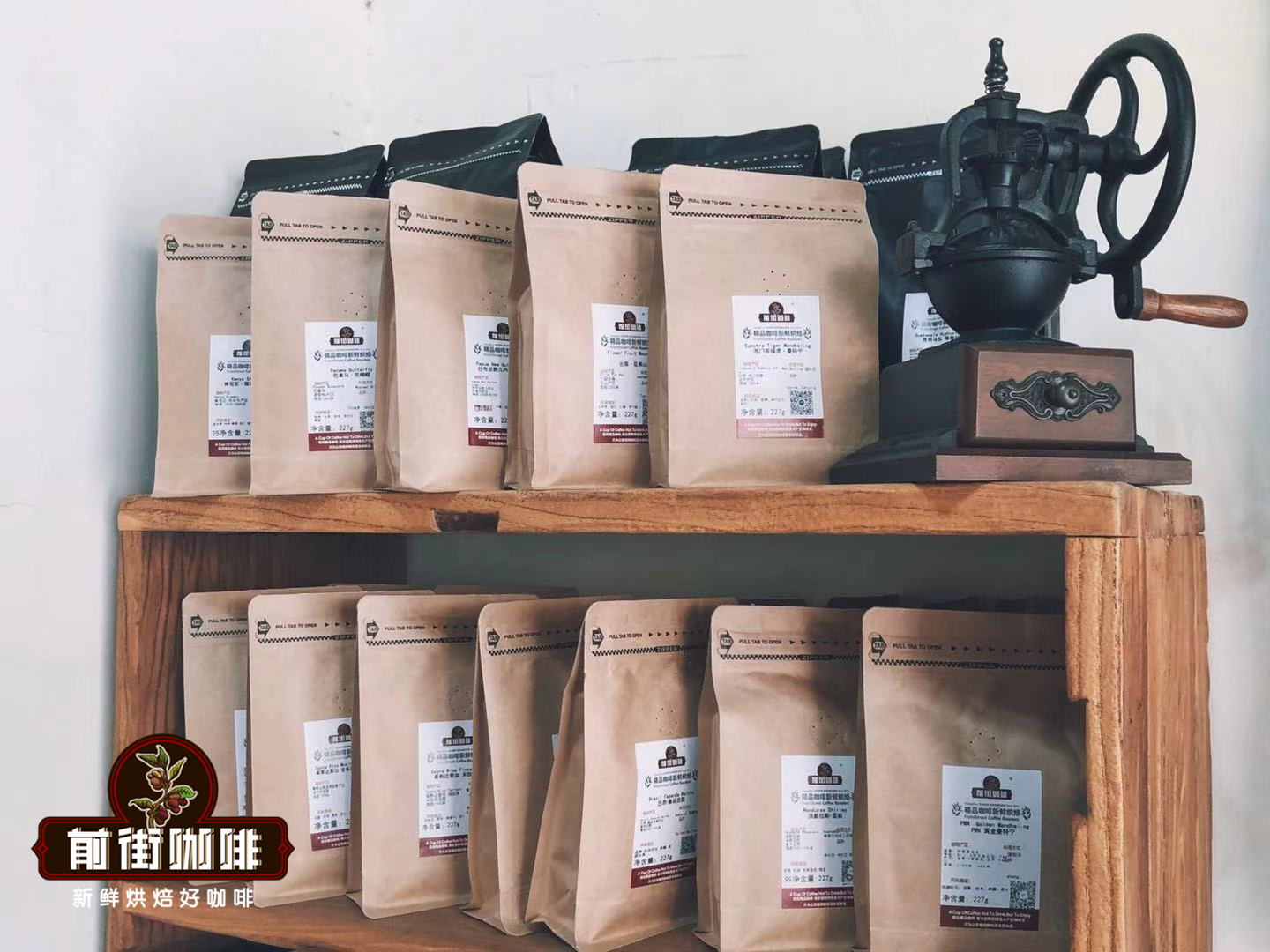
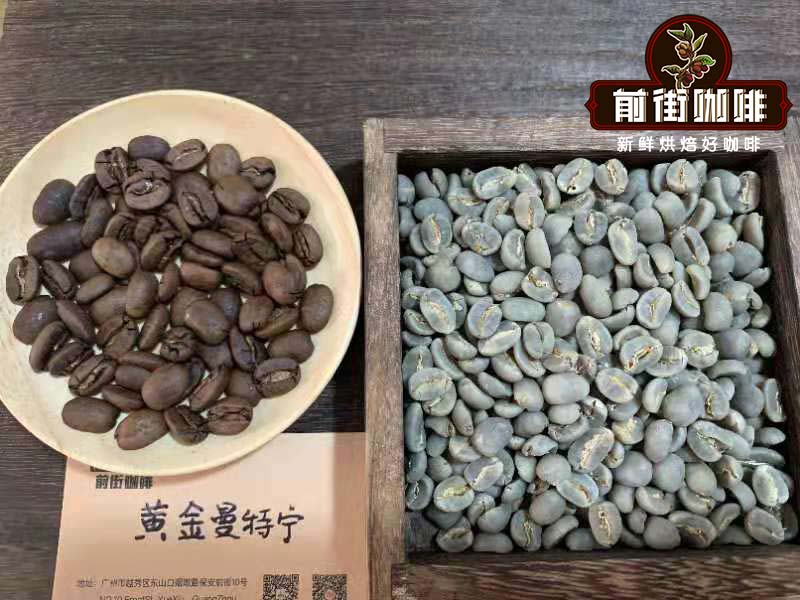
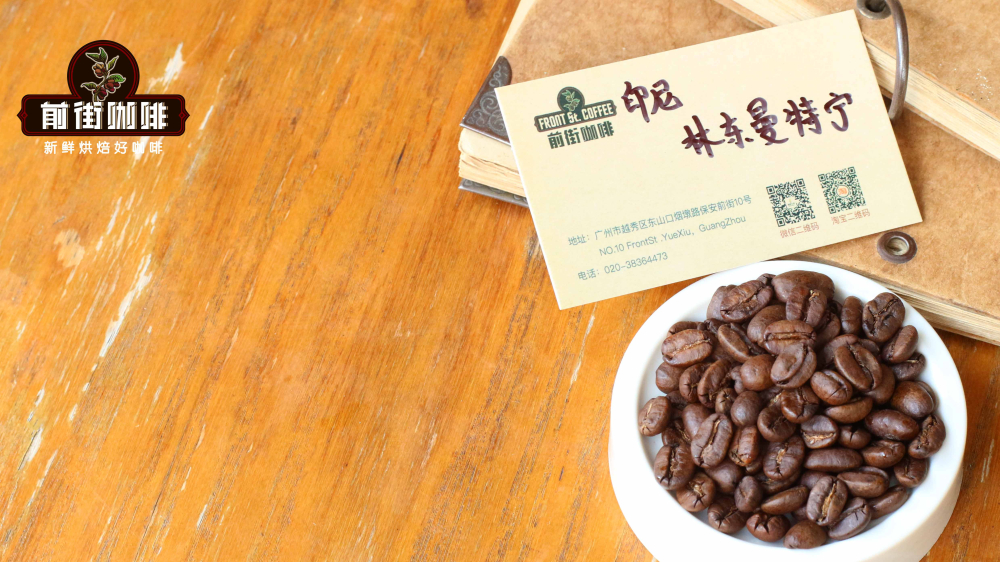
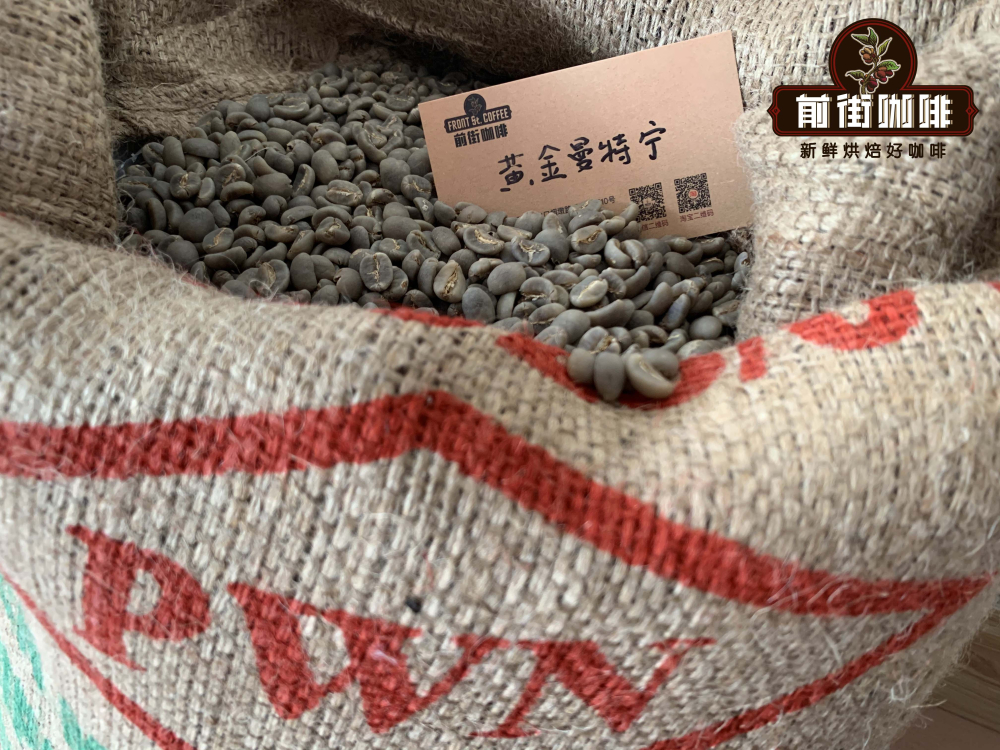
Front Street Coffee: Front Street PWN Golden Mandheling Coffee Beans
Country: Indonesia Region: Sumatra, Aceh, Gayo Mountain Altitude: 1100-1600m Variety: Ateng Processing Method: Wet-Hulled Flavor: Baked toast, nuts, pine, caramel, herbs
Indonesian Mandheling Coffee Growing Regions
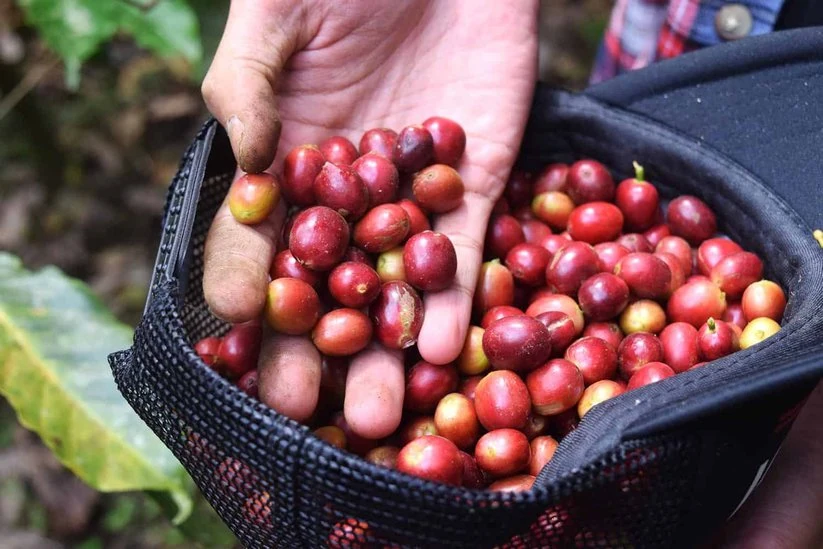
Front Street Coffee has pointed out in several previous articles that coffee flavor is primarily determined by three factors: origin, variety, and processing method. Below, we'll discuss Front Street Mandheling around these three points. Mandheling's growing regions are concentrated on the island of Sumatra in Indonesia. Sumatra is Indonesia's largest island, located near the equator with a typical tropical rainforest climate — hot and humid year-round with abundant rainfall, providing excellent conditions for growing quality Arabica coffee.
However, Indonesia's high-altitude areas are limited, which restricts where quality Arabica can be grown. Of all the coffee beans Indonesia produces, Arabica accounts for only about one quarter, since this variety only shows its best flavor when planted at high altitudes. The remaining roughly three quarters is Robusta, which can survive at lower elevations. Sumatra happens to be Indonesia's highest-altitude region.
Additionally, among the traditional Arabica coffees produced in northern Sumatra, those of the highest quality are sold under the name Lintong Mandheling. Strictly speaking, Lintong Mandheling refers to coffee grown in a small area on the southwestern side of Toba in the Lintong administrative region.
Sumatran Coffee Bean Growing Regions
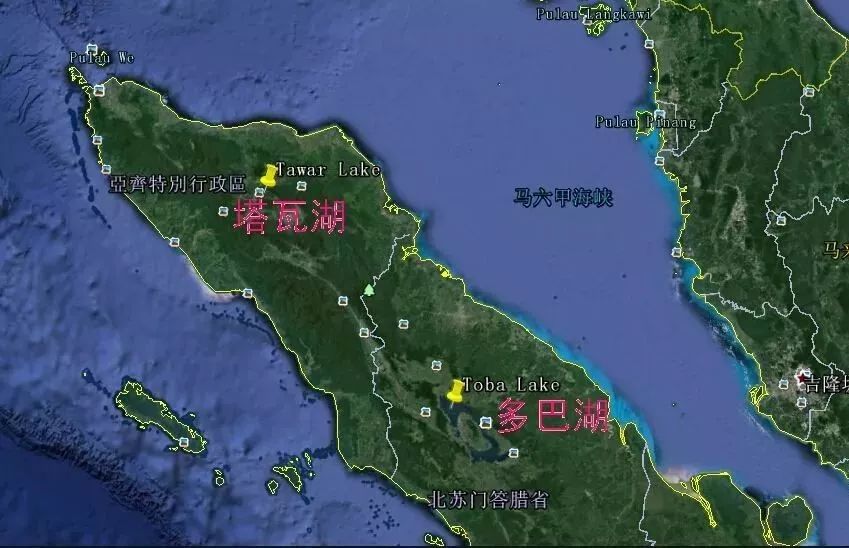
Mandheling coffee is also known as "Sumatra coffee." In North Sumatra, the main growing region is Gayo, where the Ateng variety dominates; coffee from the area around Lake Tawar in the north can be called Aceh coffee or Lake Tawar coffee. In South Sumatra, coffee from around Lintong and Lake Toba is customarily called Mandheling. The Lintong area is the core of the Mandheling growing region, and its finest Mandheling varieties include Sidikalang, Bergendar, Siborong borong, and Telok Sanggul.
Lake Toba: Located in the central part of North Sumatra Province. In 1888, Dutch colonists introduced "Java Mandheling" to the Lake Toba area, thus beginning the modern legend of Mandheling.
Lake Tawar: Located in the central part of the Aceh Special Region, at the northern tip of Sumatra. Its water area is less than one-tenth that of Lake Toba. However, in recent years, both the coffee quality and production of this region have surpassed Lake Toba.
Gayo Mountains: Located in the Aceh growing region of North Sumatra Province. Most coffee farmers working in Gayo are local smallholders. The name "Gayo" comes from a tribe in the Aceh region of Indonesia. This area has ideal growing conditions, a long history and culture, and distinctive flavor characteristics. Coffee here is generally grown organically, without chemical fertilizers, and is regarded as one of the world's green coffee regions — which is why Gayo coffee is often called green coffee or Gayo organic coffee.
Indonesian Mandheling Coffee Processing Method
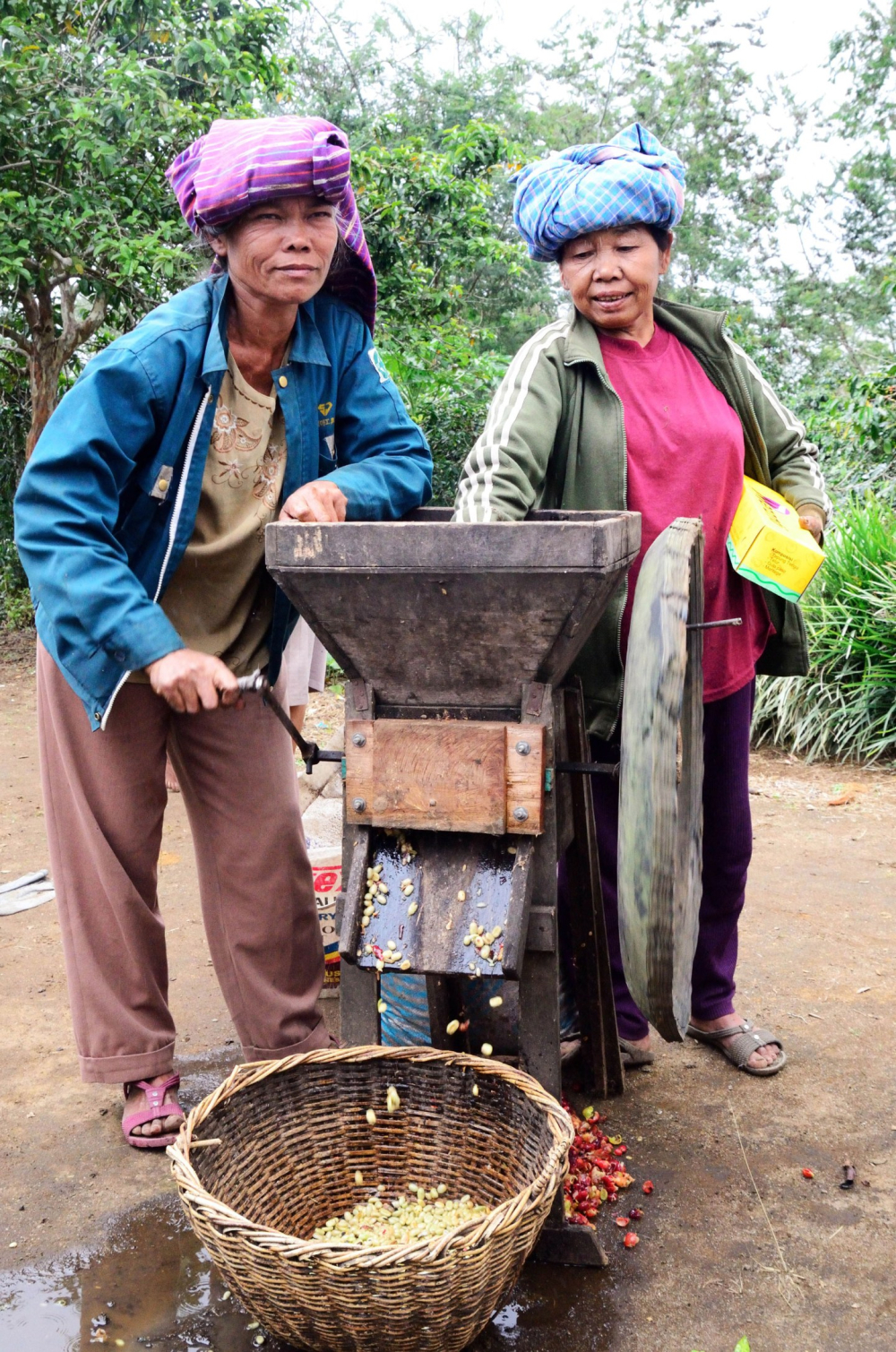
When talking about Indonesian coffee, one must mention the processing method that brought Mandheling to the world — wet-hulling. Interestingly, this green bean processing method was not a passive choice forced on locals by the weather, yet it is precisely what gives Mandheling its distinctive earthy, herbal, and spicy notes.
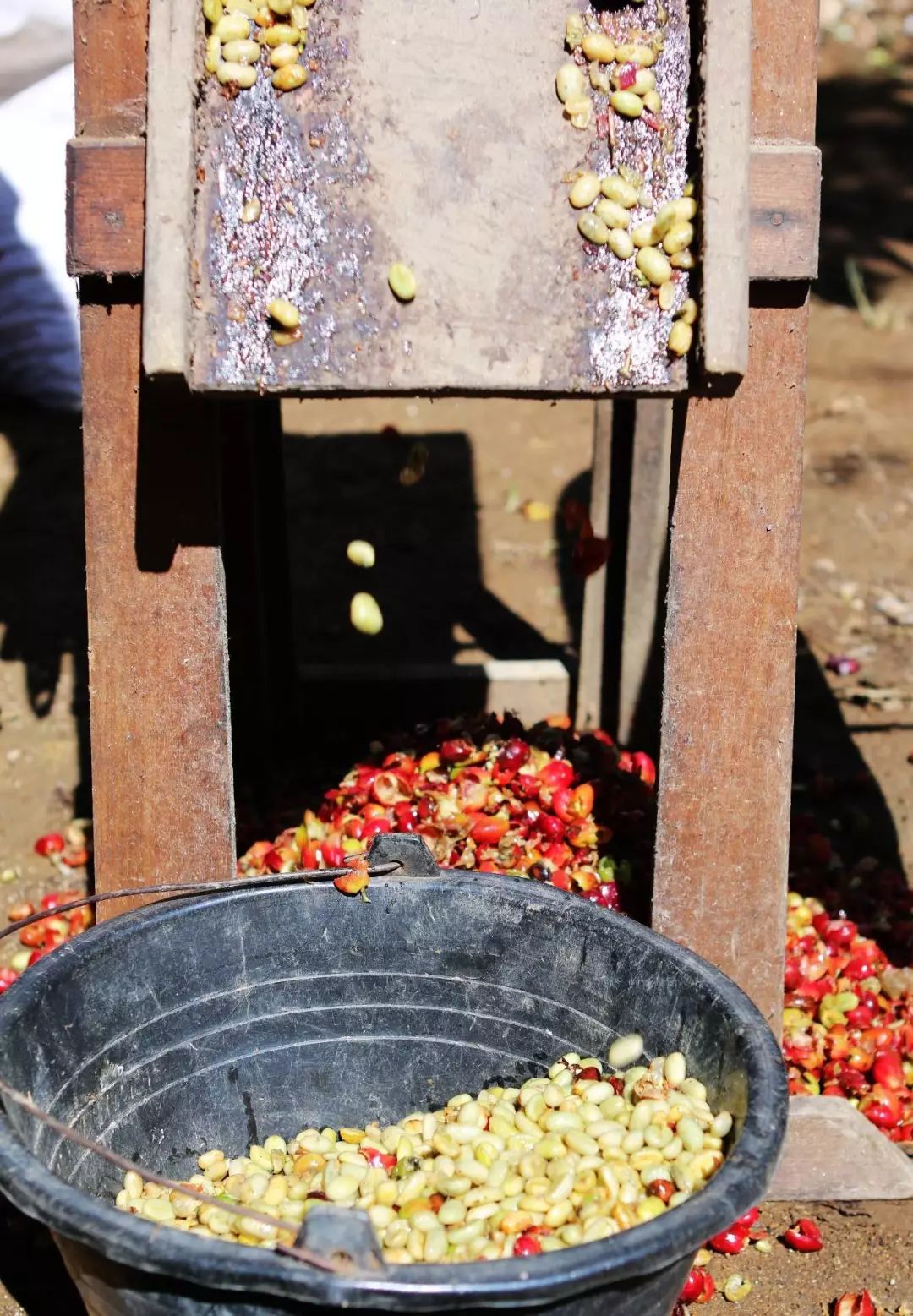
In the wet-hulling process, the semi-hard, semi-soft moist green beans are easily crushed and damaged during the removal of mucilage and parchment layer, causing the bean body to crack into a hoof shape, commonly known as hoof beans. Front Street Coffee considers this a distinctive characteristic of Mandheling, not a defect.
The Origins of Indonesia's Wet-Hulling Method
According to Front Street Coffee, the reason Indonesia adopted wet-hulling to process coffee cherries is that the local weather is frequently rainy with constant typhoons, making it difficult to meet the good weather conditions required for sun-drying; at the same time, local economic conditions were limited, and they couldn't afford the higher-cost washed method — so the highly distinctive wet-hulling method came into being.
Of course, Indonesia's coffee industry today is far removed from the poverty of those earlier times. Estates and companies capable of using the washed method are not few, yet wet-hulling has still been retained. Front Street Coffee believes that wet-hulling is the key factor that made Mandheling known to the world — mention Mandheling and you think of wet-hulling; the two have long formed a mutually reinforcing relationship.
Wet-hulling can be divided into two stages:
In the first stage, the skin and pulp are removed with a wooden pulper, followed by 3 hours of fermentation and then drying, bringing the moisture content down to a semi-dry, semi-wet 30-50%. In the second stage, the mucilage and parchment layer are removed, and drying continues for 2-4 days, bringing the moisture content down to 12-13%.
What Is "Golden Mandheling"?
When it comes to "Golden Mandheling," we have to start with PWN. This abbreviation often appears alongside the name Mandheling coffee — it's actually the short name for Pwani Coffee Company.
This company is a well-known coffee purchasing enterprise in Indonesia, primarily buying Mandheling coffee. It has secured almost all of Indonesia's best growing regions, so most beans from PWN are uniquely specialty grade. Golden Mandheling is one of the company's products: after the green beans are purchased, they undergo multiple rounds of hand sorting to pick out plump, flawless beans. Only beans that pass this层层 screening can be classified as Golden Mandheling.
However, PWN has registered Golden Mandheling as a trademark — meaning that from now on, only Golden Mandheling produced by PWN qualifies as the true Front Street "Golden Mandheling." Many beans on the market that carry the Golden Mandheling name but aren't produced by PWN should actually be called specialty Mandheling.
So how should you brew this Front Street Golden Mandheling coffee bean as pour-over? Front Street Coffee is here to share with coffee-loving friends.
What Equipment Do You Need for Pour-Over Coffee?
Pour-over coffee naturally requires the right equipment — what exactly? Front Street Coffee lists them one by one below.
1. Pour-over kettle: Pour-over kettles on the market vary in size and material; you can choose according to your needs. What most affects the brewing result is the spout size, since it determines the flow rate. Beginners are usually advised to choose a gooseneck kettle, which is easier to control. Also, different pour-over kettles are suited to different heating methods (induction or gas), so pay special attention when buying.
2. Dripper: Drippers vary in size and material, and fall mainly into three types: flat-bottom, cone-shaped, and wave-shaped. The size of the dripper's bottom opening affects the flow rate of the coffee, which in turn affects flavor. Flat-bottom drippers have a small opening and slow flow rate, giving a fuller body; cone-shaped drippers have a large opening and fast flow rate, giving a lighter body; wave-shaped drippers have a flat bottom and, paired with special wave filters, produce the most even extraction. A particularly special option is the metal mesh dripper, which needs no paper filter and retains more coffee oils, giving a richer flavor — though some finer coffee grounds may not be filtered out.
3. Paper filter: Paper filters come in bleached and unbleached varieties. Bleached filters look whiter, while unbleached filters are closer to light brown. The filter's job is to use its extremely dense fibers to trap the ground coffee and filter the extracted coffee into the cup. When buying filters, choose the corresponding size for your dripper model.
4. Grinder: Good pour-over coffee requires a good grinder; there are mainly three types on the market. 1) Ghost tooth grinder 2) Flat burr grinder 3) Conical burr grinder
5. Thermometer: A thermometer is used to measure the coffee water temperature. Thermometers on the market include Tiamo thermometers, Hero thermometers, and Cafede Kona thermometers.
6. Digital scale: A digital scale helps us better control the coffee-to-water ratio during brewing, reducing instability and increasing tolerance for error. Prices range from a few dozen to a few hundred yuan. Common ones include Yami digital scales, Hero smart scales, and Timemore digital scales.
7. Sifting screen: Mainly used to determine grind size. The suitable pour-over grind size differs for every coffee bean. Through repeated testing, Front Street Coffee has determined that a grind size passing 80% through a Chinese standard No. 20 sieve is ideal for pour-over.
What Are the Detailed Steps for Pour-Over Coffee?
1. Water Temperature
The higher the water temperature, the stronger the extraction, the more bitter the coffee, and the more intense the mouthfeel; the lower the water temperature, the weaker the extraction, and the coffee tends to become sour with a mild, light mouthfeel. Pour-over temperature should be adjusted according to the coffee's roast level. Light-to-medium roasts are recommended at 90-91°C, and medium-dark roasts at 86-88°C. Front Street Coffee basically adjusts within this range. A customer once questioned this brewing temperature, so Front Street Coffee brewed Front Street Golden Mandheling (dark roast) at 90°C — the result was a mouthfeel almost comparable to espresso.
2. Grind Size
Grind size refers to the size of the coffee particles, which affects the contact time between coffee and water. The finer the coffee grounds, the more substances can be extracted in the same amount of time — but grinding too fine can easily lead to over-extraction; conversely, the coarser the grind, the fewer substances are extracted in the same time — but grinding too coarse can easily cause under-extraction. Front Street Coffee recommends a grind size passing 80% through a Chinese standard No. 20 sieve for pour-over; this is a mouthfeel standard derived from many tests. Note that different coffee beans require different grind sizes, so when your pour-over flavor seems off, you can check whether the grind size is the problem.
3. Coffee-to-Water Ratio
The coffee-to-water ratio refers to the ratio of coffee grounds to brewing water, affecting the strength of the coffee. It can be 1:10, 1:13, 1:15, or 1:16. Front Street Coffee recommends a 1:15 ratio, which is relatively moderate in both strength and mouthfeel. Of course, everyone seeks a different taste, so you can adjust the ratio during extraction according to how strong or light you want it.
Next, Front Street Coffee will share the specific parameters for brewing Front Street PWN Golden Mandheling coffee beans as pour-over.
[Front Street Coffee PWN Golden Mandheling Coffee Brewing Recommendations]
Dripper: KONO Coffee dose: 15g Coffee-to-water ratio: 1:15 Water temperature: 86-87°C Grind size: 70% passing through a No. 20 sieve
Front Street PWN Golden Mandheling brewing method: staged extraction.
For the first pour, use 30g of water for a 30-second bloom. For the second pour, pour in a slow circular motion until reaching 125g, then pause. When the water level drops and is about to expose the coffee bed, continue pouring for the third stage until reaching 225g, then stop. When the water level drops and is about to expose the coffee bed, remove the dripper. (Timing starts from the beginning of the bloom.) Total extraction time is 2'00".
Front Street PWN Golden Mandheling flavor: Layered and complex, rich and clean, highly balanced, with intense nut and caramel aromas, notes of chocolate, and a lingering finish.
The above content is compiled by CoffeeHunters, a coffee news website.


