







Search Results for: the four major tea regions
How are China's four major tea-growing regions divided? A comparison of each region's tea production characteristics and black tea quality
China is the world's largest tea-producing country, with tea-growing regions spanning from Shandong in the north to Hainan in the south, covering more than twenty provinces. Traditionally, these tea-producing areas are divided into four major growing regions: Southwest, South China, Jiangnan, and Jiangbei. Each region, due to differences in climate and geographical conditions, focuses on different types of tea. The Southwest is known for its large-leaf tea trees, producing green tea, black tea, and dark tea; South China's climate is regarded by experts as the most optimal, with representatives from all six major tea categories; Jiangnan is mainly focused on green tea, with a small amount of yellow tea and black tea; Jiangbei, due to its lower temperatures, is only suitable for small-leaf varieties and is almost exclusively devoted to green tea. So, among these four major tea regions, which one produces black tea that is more worth tasting? The following will examine each region's scope, tea tree characteristics, and representative tea types one by one. [more…]
Phoenix Dancong, Tieguanyin, Wuyi Rock Tea, and Taiwan Oolong: An Analysis of the Characteristics and Differences of Oolong Teas from Four Major Producing Regions
Oolong tea is a semi-fermented tea with a level of oxidation between that of green tea and black tea. Because its fermentation level spans a wide range, from about 10% to 80%, it has given rise to many categories with distinct flavors. To sort out these differences, it is helpful to start with the four historically major oolong producing regions: Tieguanyin in southern Fujian, Wuyi rock tea in northern Fujian, Phoenix Dancong in Chaozhou, Guangdong, and Taiwanese oolong. Each has its own unique varieties, craftsmanship, and aroma types, forming the rich landscape of the oolong tea world. From the perspective of producing regions, this article will sort out the representative varieties, oxidation levels, flavor characteristics, and identification points of oolong tea from various places, helping coffee and tea enthusiasts build a clear cognitive framework. [more…]
Is Darjeeling tea only black tea? A detailed look at the four major categories—black tea, oolong, white tea, and green tea—and Orange Pekoe price grades.
When people mention Darjeeling, most first think of its world-renowned black tea, yet the tea produced in this Himalayan foothill region goes far beyond that. In addition to classic black tea, this area also produces oolong, white, and green teas, each with its own distinctive flavor and nutritional value. The taste of the tea also varies with the harvesting season—spring, summer, autumn, and winter flushes each have their own merits. Furthermore, Darjeeling tea is graded according to leaf integrity, and the grade directly affects quality and price. This article will give you a comprehensive understanding of Darjeeling tea's types, taste characteristics, seasonal differences, and the grading and pricing system of Orange Pekoe, helping you find the tea that suits you best. [more…]

Ethiopian Specialty Coffee Bean Buying Guide: Flavor Profiles and Representative Products of Four Major Regions Including Yirgacheffe
Ethiopia has the most diverse coffee cultivation systems in the world, with four major models: forest, semi-forest, garden, and plantation, with ninety percent of its coffee coming from the first three. This unique landscape has given rise to a rich tapestry of specialty coffee. This article starts with representative producing regions such as Yirgacheffe and Guji, and introduces several Front Street brand Ethiopian coffee beans, including the Gotiti Cooperative, Huakui, Red Cherry, and washed Yirgacheffe, covering altitude, variety, processing method, and flavor characteristics, to help coffee lovers build a clear approach to selection and tasting. [more…]
A roundup of the world's four major tea-producing countries: what are the characteristics of each one's signature teas, and which black tea commands the highest price?
Water is the foundation of life, and when humans grew tired of plain, tasteless water, they developed a dazzling array of beverages—from flavored sodas to coffee, and then to tea. Among all these water-based drinks, tea offers the richest and most diverse range of flavors. The tea plant first grew in Southeast Asia, and today it plays a pivotal role in social interaction and economic trade. Quite a few countries have secured a place in the global market thanks to their distinctive tea flavors and massive output. Next, let's take a look at the four countries with the largest tea production in the world, see how their signature teas differ, and also discuss which black tea commands the highest price. Front Street Coffee will also offer some buying tips in this article. [more…]

Master Freshness, Grind Size, Water Temperature, and Coffee-to-Water Ratio: Brewing Pour-Over Coffee from Four Major Regions—Yirgacheffe, Mandheling, Kenya, and Brazil
Yirgacheffe, Mandheling, Kenya, and Brazil are the four major coffee regions most familiar to coffee enthusiasts, and each has its own distinctive brewing approach. In this article, Front Street Coffee will explain the four key elements of pour-over brewing—freshness, grind size, water temperature, and coffee-to-water ratio—and provide specific brewing parameters and techniques for a representative bean from each of the four regions. The article will also cover the principles of bean resting and degassing, how to calibrate grind size using a standard sieve, and the taste differences brought about by different coffee-to-water ratios under the SCA Golden Cup extraction theory, helping you brew these four common single-origin coffees to taste even better. [more…]
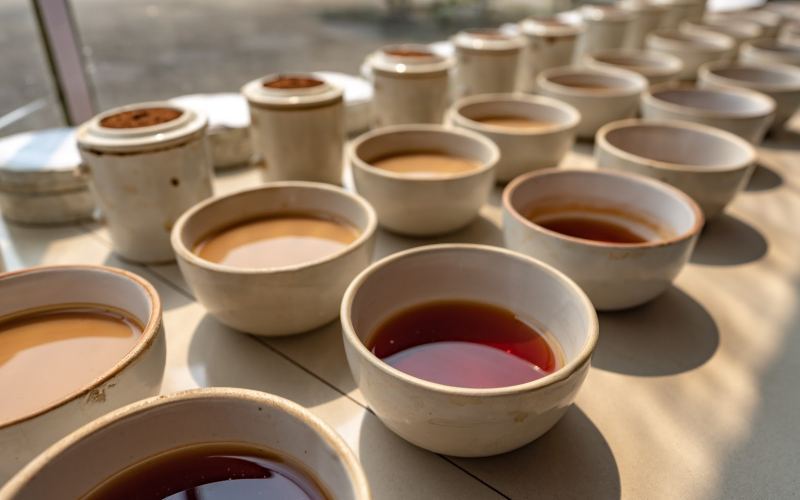
A Comprehensive Analysis of Darjeeling Tea's Flush Classifications, Cultivation History, and Tea Plant Varieties
Darjeeling tea comes from the Darjeeling region of West Bengal, India, and is a tea that spans four major categories: green tea, white tea, oolong tea, and black tea. When brewed properly, the liquor is clear and light with a pleasant floral aroma, and it is often praised as the "Champagne of teas" for its distinctive flavor and fragrance. Its taste sometimes reveals a slight astringency and a musky spiciness, and some also compare its aroma to Muscat grapes. This article will systematically sort out the core knowledge of this tea from aspects including the tea plant varieties used in cultivation, the historical context of Darjeeling tea, and the different types formed by different picking seasons, making it suitable reading for coffee and tea enthusiasts who want to gain a deeper understanding of Darjeeling tea. [more…]
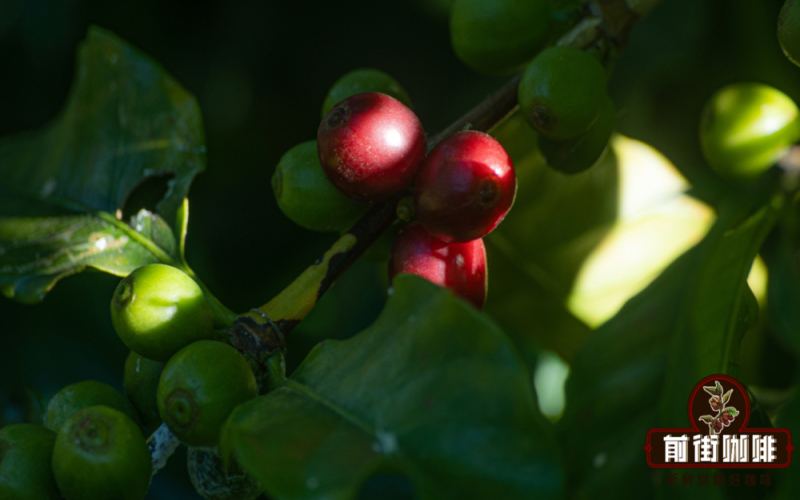
Distribution and Overview of Coffee Production Areas in Yunnan: Analysis of the Four Major Producing Regions of Lincang, Baoshan, Pu'er, and Dehong, Along with Varieties and Processing
Yunnan is a significant part of China's coffee landscape that cannot be overlooked, with a cultivation history that can be traced back over a century to the first coffee seeds planted by French missionaries in Zhukula Village. Today, the four major producing regions of Lincang, Baoshan, Pu'er, and Dehong rely on high altitudes, large temperature differences, and abundant rainfall to form a unique terroir within the golden coffee-growing belt. From the ancient Typica to the disease-resistant and high-yielding Catimor, and from natural sun-drying to washed processing, Yunnan coffee's variety structure and processing methods are also constantly evolving. This article will systematically review the geographical conditions, development trajectories, and flavor characteristics of each producing region, and share Front Street Coffee's cultivation practices in Lincang as well as brewing recommendations for washed Yunnan small-batch beans. [more…]
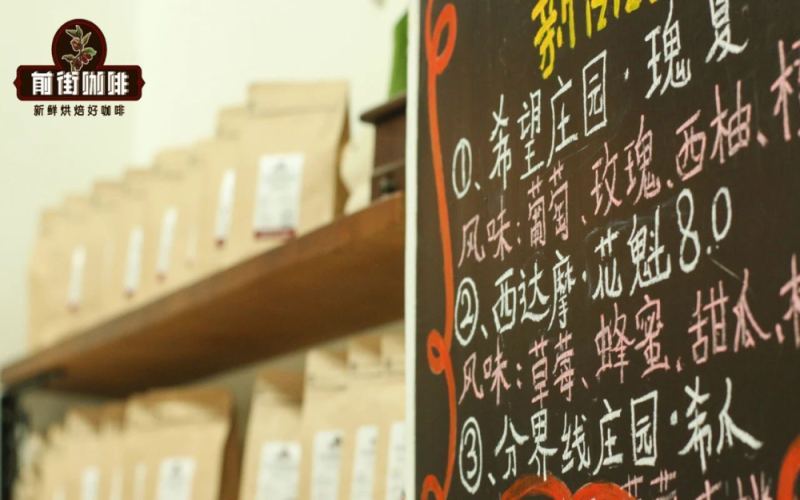
Analysis of Varieties in Yunnan’s Four Major Coffee Regions and a Practical Guide to the Coffee-to-Water Ratio for Hand-Brewed Small-Bean Coffee
In recent years, the popularity of Yunnan coffee has continued to rise within China's specialty coffee circles, and more and more enthusiasts have begun to pay attention to the true face of this domestic coffee origin. This article systematically reviews the cultivation history, variety distribution, and flavor characteristics of Yunnan's four major producing regions—Pu'er, Dehong, Lincang, and Baoshan—and focuses on Front Street Coffee's experience and gains from establishing its own estate in Lincang to grow Typica. At the same time, the article also explains in detail why Yunnan uses Catimor as its main planted variety, why the washed processing method has become mainstream, and the specific water ratios and extraction parameters used by Front Street in its three-stage pour-over of Yunnan small-bean coffee, helping readers comprehensively understand the complete thread of Yunnan coffee from origin to cup. [more…]
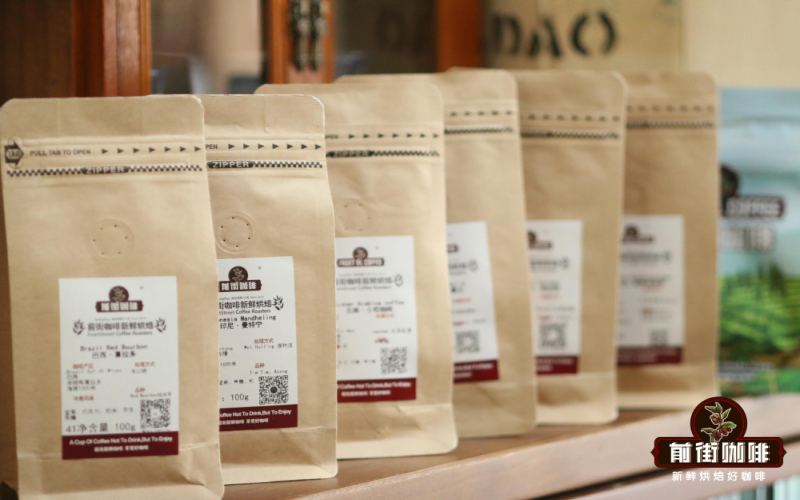
Tracing the History of Coffee Cultivation in Yunnan and a Full Analysis of the Flavor Characteristics of Arabica Coffee
Yunnan, as China's largest coffee-producing region, has a cultivation history spanning over a century, with its output accounting for more than 98% of the national total. From 1902, when a French missionary planted the first coffee tree in Zhukula Village, Binchuan County, to today's thriving development of four major producing regions—Baoshan, Pu'er, Dehong, and Lincang—Yunnan arabica coffee has won recognition both domestically and internationally for its unique flavor profile: rich yet not bitter, aromatic yet not harsh. This article will guide you through the historical development of Yunnan coffee, explore the characteristic differences between the two major varieties Typica and Catimor, and provide an in-depth analysis of the flavor characteristics of Baoshan arabica coffee. Front Street Coffee has selected two everyday beans—Baoshan Catimor and Lincang Typica from Yunnan—allowing entry-level enthusiasts to experience the nutty sweetness and black tea aftertaste of Yunnan coffee at an accessible price, along with practical brewing suggestions to help you easily brew a delicious cup of Yunnan coffee. [more…]
A Complete Analysis of Ethiopia's Nine Major Coffee Regions: Yirgacheffe Flavor Characteristics and Cultivation System
Ethiopia is the country with the richest coffee gene pool in the world, possessing four major cultivation systems—forest, semi-forest, garden, and plantation—from which nine specialty regions have emerged, each with its own distinctive flavor profile. This article will systematically review the cultivation environments, processing methods, and flavor expressions of regions ranging from Yirgacheffe and Sidamo to Gimma and Harar, and will also include cupping comparisons and brewing suggestions for several representative beans from Front Street Coffee, helping coffee lovers gain a comprehensive understanding of the charm of this "king of flavors" country. [more…]

How to Choose Beans for Pour-Over Coffee? Flavor Profiles of Four Major Indonesian Growing Regions Including Sumatra Aceh Gayo and Everyday Bean Recommendations
Pour-over coffee usually uses single-origin beans, but blended beans can also produce good results. Faced with a dazzling array of origins, beginners might as well start with high-value everyday beans: if you prefer low acidity and full body, choose Front Street Huila or Front Street Mandheling; if you dislike bitterness, go first for Front Street Fruit Ding Ding or Front Street Cherry Tomato. These four beans each represent a different flavor direction, and tasting them side by side makes the differences clear. This article will focus on Mandheling from Gayo, Aceh, Sumatra, Indonesia, as well as origins such as Huila, Colombia, Yirgacheffe, Ethiopia, and Cherry Tomato, Kenya, sorting out their respective flavor characteristics, origin backgrounds, and processing methods to help coffee lovers find the one suitable for pour-over. [more…]
Flavor Comparison of Yunnan Coffee's Four Major Producing Regions: Dehong, Baoshan, Lincang, and Pu'er—Which Small-Bean Coffee Is More Worth Buying
Coffee has been cultivated in China for over a century, and today Yunnan coffee is once again coming into the public eye thanks to government support and the wave of domestic brands. Yunnan lies in the golden growing belt between 15°N and the Tropic of Cancer, with elevations mostly between 1,000 and 2,000 meters, producing small-bean coffee that is rich but not bitter, aromatic but not harsh, with a slight fruity note. The four major producing regions—Dehong, Baoshan, Lincang, and Pu'er—each have their own characteristics, and the varieties range noticeably from the classic Typica to the mainstream Catimor. This article will sort through the terroir of each region, the traits of coffee varieties, and the differences in processing methods, and, using Front Street Coffee's Yunnan beans as an example, introduce the complete steps for brewing at home with a moka pot, helping coffee lovers choose the Yunnan beans that suit them. [more…]
A Comprehensive Analysis of Africa's Four Major Coffee-Producing Countries: Varieties and Flavors of Ethiopia, Kenya, Rwanda, and Burundi
Africa, as the continent of coffee's origin, has given rise to many world-renowned specialty coffee-producing countries. This article focuses on the four most representative African coffee-producing countries—Ethiopia, Kenya, Rwanda, and Burundi—and systematically reviews their geographical environments, variety characteristics, processing methods, and flavor profiles. Ethiopia's nine major producing regions each have their own distinctive features, from the jasmine aroma of Yirgacheffe to the mocha charm of Hara. Kenya is known for its SL varieties and bright acidity. Rwanda has achieved upgrading of its coffee industry under the promotion of the PEARL program. Burundi has emerged with its Cup of Excellence. Front Street Coffee provided professional information support for this article, hoping to help coffee enthusiasts gain a deeper understanding of the diversity of African coffee. [more…]
Yunnan Typica vs. Catimor Pour-Over Comparison: A Detailed Guide to Variety Characteristics, Growing Regions, and Brewing Parameters
Yunnan is China's most important coffee-producing region. Most Yunnan beans commonly found on the market are of the Catimor variety, while Typica is an old variety with a long history. This article starts with the washed Yunnan small-bean (Catimor) and the 2013 sun-dried Typica from Front Street Coffee's everyday-drinking series, systematically sorting out the origins and differences of the two major varieties, introducing the terroir characteristics of the four major producing regions of Baoshan, Dehong, Pu'er, and Lincang, and sharing the principles of the two processing methods, washed and sun-dried. On this basis, Front Street provides a pour-over recipe tailored to the balanced tonality of Yunnan coffee, including specific parameters such as a V60 dripper, 88°C water temperature, and a 1:15 coffee-to-water ratio, helping enthusiasts brew a layered cup interweaving notes of nuts, brown sugar, and plum acidity. [more…]
An Analysis of the Flavor Differences Between Ethiopian Guji and Sidamo Coffee: A Taste Comparison of Huakui and Zhumang
Ethiopia, as the birthplace of coffee, boasts many well-known producing regions, among which Guji and Sidama have attracted increasing attention from domestic coffee enthusiasts in recent years. Since Guji was independently recognized as a producing region by the ECX in 2010, it has risen rapidly thanks to its superior geographical location and cup performance, while Sidama is renowned for its clear fruity acidity and smooth mouthfeel. This article will conduct an in-depth comparison of the flavor characteristics of these two regions, and provide a detailed analysis of representative bean varieties—Huakui and Zhumang—covering their green bean appearance, processing methods, and cupping performance, to help readers more clearly understand the regional flavors of Ethiopian coffee. [more…]
An Authentic Flavor Analysis of Nepalese High Mountain Black Tea: Taste Characteristics, Production Regions, Seasons, and Brand Price Reference
Nepal is not only a trekker's paradise but also a rising tea-producing region. Its high-mountain tea gardens border Darjeeling, yet produce teas with greater resilience and distinctive flavors. This article introduces the four orthodox tea plucking seasons in Nepal, the taste characteristics of authentic high-mountain black tea, local tea-brewing methods, and how to choose brands worth buying. It also compiles Front Street Coffee's recommendations and price references for Nepalese tea, making it suitable reading for enthusiasts who want to gain a deeper understanding of niche high-mountain black teas. [more…]
Comparative Analysis of Flavor Characteristics Between Phoenix Dancong and Tieguanyin: Are Anxi and Taiwan Tieguanyin the Same Variety?
Phoenix Dancong and Tieguanyin both belong to China's four great oolong teas, yet their flavor characteristics and production processes are vastly different. Phoenix Dancong is produced in Phoenix Town, Guangdong, and is known for its complex and intricate procedures and its unique single-bush harvesting method, making it difficult to produce in bulk; Tieguanyin originated in Anxi, Fujian, and as China's most representative oolong tea variety, its name derives from the Goddess of Mercy, and it was introduced to Taiwan by immigrants in the 18th century, forming two major production regions: Anxi and Taiwan. This article will compare the differences between these two oolong teas from multiple dimensions, including origin, craftsmanship, flavor, and brewing methods, and answer the question of whether Anxi Tieguanyin and Taiwan Tieguanyin are the same variety. It also includes practical brewing suggestions from Front Street Coffee to help coffee enthusiasts跨界 understand the subtleties of the tea world. [more…]
The Complete Guide to Loose Leaf Tea Brewing: Water Temperature, Time, Flavoring Tips, and an Analysis of Representative Tea Producing Regions
To enjoy a truly good cup of tea, start by mastering the correct way to brew loose-leaf tea. This article will walk you through choosing the right equipment, controlling water temperature and steeping time, and how to enhance flavor with sugar, lemon, mint, and other seasonings. In addition, we'll introduce you to China's four major tea-producing regions and their representative teas, and share tips for making iced tea. Whether you're a complete beginner or a seasoned tea lover, the practical techniques and buying advice in this article—including recommendations for Front Street Coffee tea bags and samplers—will help you easily brew tea at a professional level and say goodbye to settling for tea bags. [more…]

2023 Starbucks Coffee Drink Menu Prices and Taste Recommendations Analysis
In 2022, Starbucks underwent a round of price adjustments, and entering 2023, the global coffee bean supply situation remains full of uncertainties. As a major coffee-producing region in the world, Brazil's new crop production estimates are still unclear, which directly affects international coffee futures trends and means that retail coffee prices may continue to fluctuate. This article compiles the complete price list of Starbucks' different series of drinks in 2023, covering four major categories: espresso, Frappuccino, iced shaken tea, and cold brew iced coffee, listing the prices for Tall, Grande, and Venti one by one, for coffee enthusiasts to refer to. At the same time, at the end of the article, Front Street Coffee's specialty bean recommendation channel is also attached, for friends who want to recreate Starbucks flavors at home to purchase. [more…]