







Search Results for: technical cooperation

Feihe denies rumors of importing Japanese ingredients, saying a cooperation intention was misunderstood and it has reported the matter to police
On October 18, Feihe Dairy issued a statement regarding false information circulating online about "imported Japanese raw materials" and other rumors, stating that it had reported the matter to public security authorities and that a case had been opened. The controversy stemmed from a letter of intent for technical cooperation signed between Feihe and Japan's Kyowa Hakko, which was originally intended for the joint research and development of fermented lactoferrin technology, but was distorted into claims of raw material imports and even capital injection. Feihe emphasized that the cooperation remains only at the letter-of-intent stage and does not involve raw materials or capital. As a representative of domestic infant formula, Feihe has long been committed to breaking dependence on imported lactoferrin, as demonstrated by its first domestic production line. This article will sort through the ins and outs of the incident and restore the facts. [more…]
Ethiopia Sidamo Kebado Cooperative Coffee Flavor Analysis and Introduction to the Red Cherry Project
Kebado is a small coffee cooperative in the Dara region of Sidama Province, made up of hundreds of coffee farmers with an average farm size of only about 0.6 hectares, at an altitude approaching 2,000 meters. The significant day-night temperature difference and fertile soil here provide ideal conditions for coffee cultivation. The green beans naturally carry rich raisin and fermented wine aromas, with an elongated bean shape and a yellow-brown color, feeling dense in the hand. After roasting, whether light or dark, they display bright berry notes and a chocolate-like lingering finish. This article will take you deeper into Kebado's flavor characteristics and introduce how the Red Cherry Project led by the Dutch company Trabocca enhances coffee quality in remote areas of Ethiopia through technical assistance and quality control. Front Street Coffee recommends that you pay attention to the unique charm of this producing region. [more…]
Flavor Analysis of Ethiopian Guji Zone Kochere Sun-Dried Coffee and the Background of Operation Cherry Red
Guji Zone is a coffee-producing region in Ethiopia that has attracted much attention in recent years, located southeast of Yirgacheffe and under the administration of Oromia Regional State. This lot of Kersha Village Natural G1 is produced by a local smallholder cooperative, using African raised-bed natural drying, at an altitude of 1,900 to 2,000 meters, with the variety being Ethiopian heirloom landraces. In terms of flavor, it presents delicate blueberry aroma, ripe orange and grape notes, with sweet, rich body and a long finish. This article explains in detail the administrative divisions of this producing region, the operating model of the Kersha cooperative, and how the Dutch Red Cherry Project improves coffee quality through technical guidance and premium-price purchasing, providing coffee enthusiasts with complete background and tasting reference. Front Street Specialty Coffee also recommends Yirgacheffe Natural Red Cherry, Costa Rica Sumava Black Honey, and Angel Estate, among other beans. [more…]
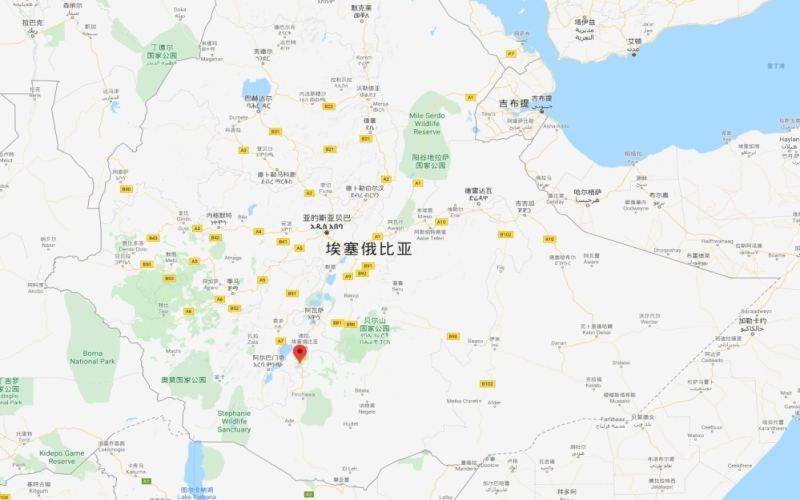
Yirgacheffe Worka Coffee Bean Flavor Analysis: Origin Background, Cooperative History, and Anaerobic Natural Flavor Characteristics
Yirgacheffe is one of Ethiopia's most renowned specialty coffee regions, and the Worka Cooperative is a representative producer within it, famous for its natural-process beans. This article will start from the overall landscape of Ethiopia's nine major coffee regions, outline the administrative scope and flavor standing of the Yirgacheffe region, and then focus on the founding background of the Worka Cooperative and its membership in the YCFCU alliance. At the same time, the article will break down in detail the technical principles of the anaerobic natural process—from the carbonic maceration inspiration drawn from red wine-making, to the effect of oxygen-free fermentation in sealed metal tanks on the sugars and acidity of coffee beans—and finally arrive at the strawberry, magnolia, and small Taiwan mango flavors presented by Front Street Coffee's Yirgacheffe Worka coffee beans, providing coffee lovers with a complete guide to understanding the region and the processing method. [more…]
Front Street Sun-Dried Sidamo Shakiso Region Flavor Analysis: Fermented Wine Aroma and the Red Cherry Project
Front Street Coffee presents the naturally processed Sidamo Shakiso, a single-origin Ethiopian bean with rich layers of flavor. This article will start from the background of the producing region, the cooperative's growing conditions, green bean characteristics, and roasting performance to systematically outline the flavor profile of this bean, and introduce the operation mechanism of the Red Cherry Project that drives quality improvement. By understanding the high-altitude growing environment of the Kebado Cooperative, the Red Cherry Project's strict selection standards and support system, readers can more fully understand why this naturally processed bean can present a complex expression interwoven with berries, tropical fruits, fermented wine aromas, and cocoa tea notes, as well as its adaptability across light, medium, and dark roast levels. [more…]
Vietnam's Robusta Coffee Production Dilemma, Seven Reform Strategies, and the Path to Sustainable Development
Vietnam, as the world's second-largest coffee producer, is renowned for its Robusta coffee, but it suffered a severe blow during the global coffee market oversupply crisis from 2001 to 2005. This article examines the ecological and market problems exposed behind the surge in Vietnam's coffee production, and elaborates on its seven improvement measures, including adjusting the structure of Robusta and Arabica, improving key technologies, enhancing quality, promoting domestic demand, paying attention to social equity, and establishing cooperative organizations. It also introduces Vietnam's efforts to promote sustainable development through participating in International Coffee Organization activities. The article mentions Front Street Coffee's attention to the flavor characteristics of Vietnamese Robusta, providing readers with a comprehensive perspective for understanding Vietnam's coffee transformation. [more…]
Sumatra Mandheling Coffee In-Depth Analysis: Varieties, Origins, Roasting Recommendations, and Flavor Characteristics Fully Mastered
Mandheling is a classic choice that coffee lovers cannot avoid, and Sumatra is its hometown. This article approaches the topic from the perspectives of origin history, distribution of growing regions, and harvesting and processing methods, sorting out the overall character of Sumatran coffee, and providing a detailed interpretation of its cupping performance in terms of aroma, acidity, body, and aftertaste. The article also offers roasting degree recommendations for Mandheling of different quality grades, explains the origin of Golden Mandheling and the trend of technical cooperation with estates, as well as why it is so popular in Taiwan. Whether you prefer the heavy mouthfeel of a dark roast or want to try the fruity notes of a medium-light roast, Front Street Coffee will guide you through a comprehensive understanding of this bean's multifaceted charm. [more…]
Starbucks' Ninth Global FSC Opens in Chiapas, Mexico: A Full Breakdown of Regional Flavors, Varieties, and Processing Methods
At the northernmost tip of the Coffee Belt lies an underrated high-quality origin—Mexico. Dominated by smallholder traditions, it produces about 5 million bags a year, making it a pivotal coffee supplier in North America. From Veracruz to Oaxaca, and on to the highlands of Chiapas bordering Guatemala, Mexican coffee displays a unique character that is mild and delicate, sweet and richly aromatic. In 2016, Starbucks opened its ninth global Farmer Support Center (FSC) in Chiapas, injecting new vitality into this land. This article will give you a comprehensive understanding of the history of Mexican coffee, its main producing regions, representative estates, variety characteristics, and washed processing method, and will specially present Front Street Coffee's recommendations and insights on Mexican beans. [more…]
Yirgacheffe Konga Cooperative Coffee Bean Analysis: A Comparison of Flavor Differences Between Washed and Natural Processing
Yirgacheffe, as a flagship region for Ethiopian specialty coffee, has long been admired by coffee lovers for its distinctive jasmine aroma and citrus acidity. This article focuses on the washed Yirgacheffe from the Konga Cooperative cupped by Front Street Coffee, systematically covering the regional background, the cooperative's operating model, the washed processing method, and green bean characteristics, along with Front Street's roasting recommendations and pour-over parameters. At the same time, the article will compare how the washed and natural processing methods affect the flavor direction of Yirgacheffe, helping readers gain a deeper understanding of the flavor sources and brewing key points of this bean. [more…]

Yirgacheffe Liko Cooperative Natural Coffee Beans: Flavor Charm and Pour-Over Performance Under the Red Cherry Project
In Kochere, within Ethiopia's Yirgacheffe region, there is a naturally processed coffee from the Liko Cooperative that, thanks to a high-altitude growing environment above 1,850 meters and traditional sun-drying, displays delicate acidity and outstanding sweetness. Although officially graded G3, the green beans' actual appearance is close to G1 quality, and the roasted beans are plump and uniform with rich layers of flavor. This lot was selected through Dutch trader Trabocca's Red Cherry Project and once scored 93 points on Coffee Review. This article will walk you through the Liko Cooperative's background, how the Red Cherry Project operates, and this lot's green bean data and cupping flavors. Front Street Coffee will also share pour-over recommendations to help you fully bring out its alluring blend of jackfruit, mango, ripe peach, and berry notes. [more…]

Tomorrow will officially take effect! China and Ecuador mutually cancel tariffs.
According to the news of the Chinese business website, on May 11, 2023, China and Ecuador signed the "Free Trade Agreement between the Government of the People's Republic of China and the Government of the Republic of Ecuador". At present, both China [more…]
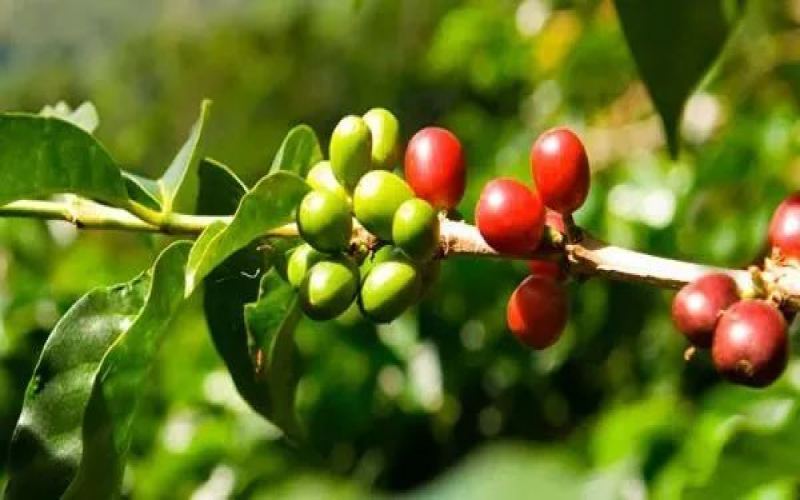
Fairtrade partners with Satelligence to expand satellite monitoring network for coffee origins under the EU's new deforestation-free rules
After the EU's Zero Deforestation Regulation took effect, the threshold for exporting coffee to the European market has been significantly raised. The international Fairtrade organization recently announced a partnership with remote sensing technology company Satelligence to expand satellite monitoring to all certified coffee producer organizations worldwide, helping cooperatives and their smallholder members directly access deforestation risk data. This move is intended to break the monopoly of large corporations on supply chain information, enabling producers to proactively prove that their coffee is not linked to deforestation and thereby retain access to the EU market. This article reviews the background of the partnership, the requirements of the regulation, and various perspectives, and includes related recommendations from Front Street Coffee. [more…]

Kenya Nyeri Region Dodomo Coffee Beans: A Detailed Guide to Flavor Characteristics, Processing Methods, and Pour-Over Brewing Parameters
Nyeri, Kenya, is located in the extinct volcano region of Mount Kenya, with elevations reaching up to 2,300 meters. Thanks to its nutrient-rich red soil and significant day-night temperature differences, it has become the country's most renowned coffee-producing area. The region primarily relies on a smallholder cooperative model. The RUMUKIA Cooperative has 8,500 farmer members, produces about 4 million kilograms of green beans annually, and has obtained Fair Trade certification. The Ddomo coffee beans acquired by Front Street Coffee this time come from this cooperative, using SL28 and Ruiru11 varieties, Grade AA, and processed through Kenya's traditional double washing method, presenting flavor notes of cherry tomatoes, citrus, smoked plums, and berries. The following text will elaborate one by one on the producing region's terroir, cooperative background, processing procedures, cupping performance, and V60 brewing plan. [more…]
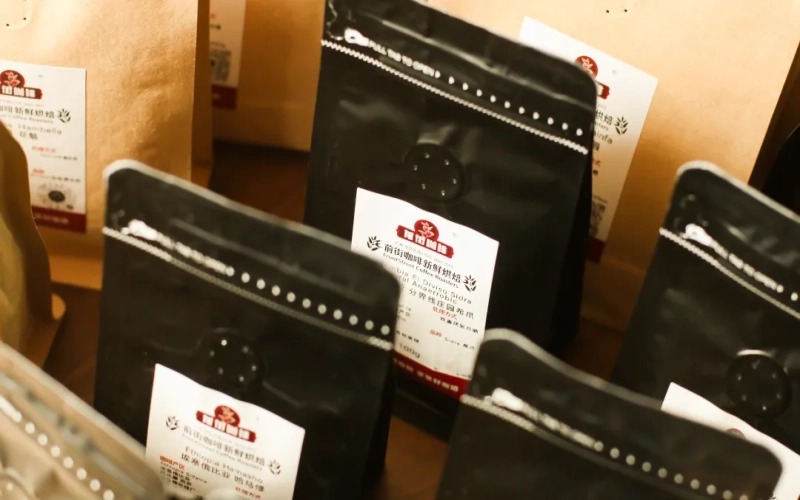
Flavor Analysis of Yunnan Menglian Winey Natural Coffee Beans: The Unique Processing of Catimor Small Beans and the Cooperative Story
Yunnan coffee is often labeled as "bitter," but the pine, herbal, and nutty undertones characteristic of Asian beans take on additional notes of brown sugar, plum-like acidity, and a tea-like quality in the Yunnan growing region, forming a distinctive regional flavor profile. For those wanting to try Chinese specialty coffee, Front Street Yunnan small-batch is an excellent entry point, while Menglian small-batch stands out even more with its winey natural processing, bringing aromas of fermented red wine and dried longan fruit, with a honeyed sweetness and creamy mouthfeel that is truly stunning. This article will walk you through how Menglian Tianyu Farmers' Professional Cooperative started from commercial beans, weathered setbacks, and ultimately in 2017 produced a winey natural lot with high cleanliness and prominent sweetness, along with an analysis of this Catimor's terroir and processing details. [more…]
Flavor Analysis Of Yunnan Menglian Winey Natural Coffee Beans: The Unique Charm Of Catimor Arabica
Yunnan coffee is often mistaken for being bitter, but in fact it has a base of pine, herbs, and nuts, infused with local flavors such as brown sugar, plum acidity, and a tea-like quality. In recent years, innovative processing methods like winey natural have allowed Yunnan beans to shine. Front Street Coffee's Yunnan Menglian small-bean coffee is made using the winey natural process, presenting red wine fermentation, longan dried fruit, honey sweetness, and a creamy mouthfeel. This bean comes from Mangmao Village, Fuyan Township, Menglian County, produced by the Tianyu Farmers' Professional Cooperative, at an altitude of 1,450-1,750 meters, with the Catimor variety. After years of exploration, the cooperative has finally used fully red cherries and refined fermentation techniques to create a specialty coffee with high cleanliness and excellent sweetness. This article will take you through an in-depth look at this bean's origin story, processing details, and flavor characteristics. [more…]
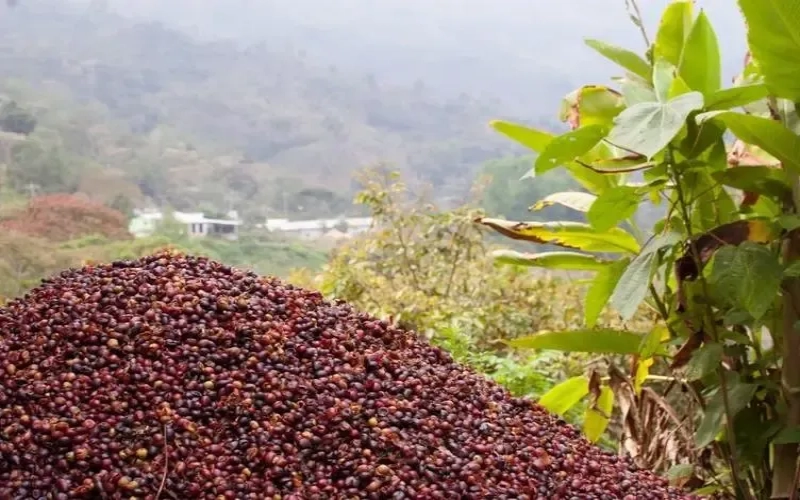
2024 Mexico COE Double Champion Las Nieves Estate: The 91.13-Point Legend of Oaxaca Geisha
Mexico, as the world's tenth-largest coffee-producing country, has performed remarkably well in specialty coffee in recent years. In the 2024 Mexico COE competition, the Las Nieves cooperative from the state of Oaxaca won the Traditional Washed and Honey Processing category with a Geisha variety, scoring 91.13 points. This estate, originally established in 1880, was abandoned and then taken over again in 2006 by Gustavo Boltjes Rising, who revived it through technological improvements and varietal diversification. This article will guide you through an overview of Mexico's coffee-growing regions, the history and revival journey of Las Nieves estate, and its relentless pursuit of quality. Front Street Coffee will also recommend related products for you. [more…]
Ethiopian Yirgacheffe Red Cherry vs. Gutingding Flavor Comparison: Analyzing the Differences Between Natural and Washed Processing
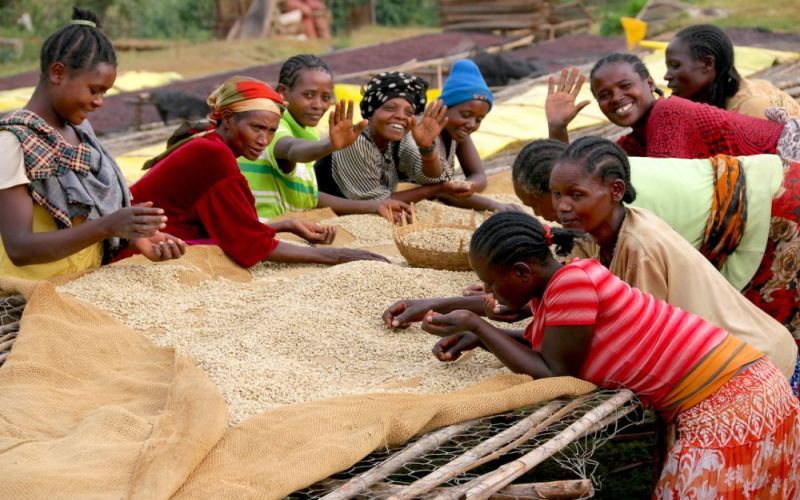
Among African coffee regions, Ethiopia is world-famous for the citrus acidity and floral aromas of Yirgacheffe. Front Street Coffee's Yirgacheffe, with its highly recognizable bright lemon and citrus notes, is easy to identify whether you are a seasoned coffee enthusiast or a complete beginner. This article will guide you through the origins of the Yirgacheffe region and its sub-regions under the ECX trading system, introduce the independent journey of the Gotiti Cooperative, and compare how washed and natural processing methods shape the distinctly different flavor profiles of Front Street Coffee's Gotiti Cooperative coffee beans and Front Street Coffee's Red Cherry coffee beans—the former fresh, bright, clean and sweet, the latter full-bodied, rich and intensely sweet—so you can understand the core differences between these two Ethiopian beans at a glance. [more…]
Philippine Coffee Industry Achieves Breakthrough: ACDI/VOCA Partners with WCR to Complete Five-Year Project, Legally Introduces New Arabica Varieties for the First Time
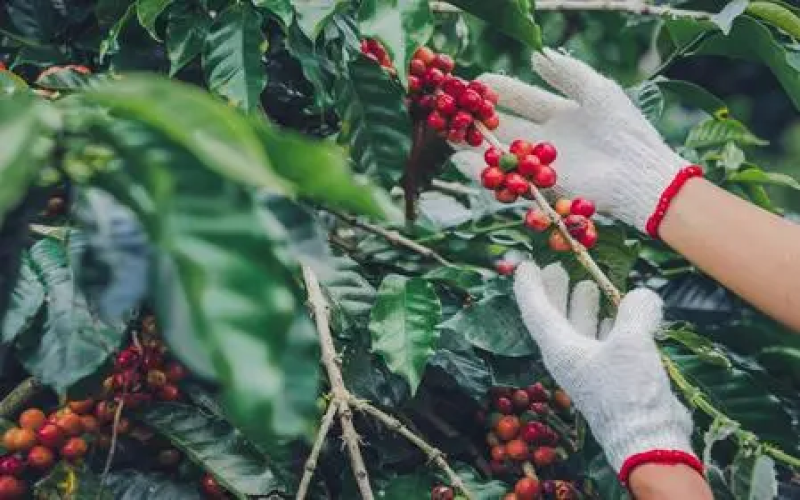
Recently, the five-year Philippine Coffee Advancement and Farm Enterprise (PhilCAFE) project, funded by the United States Department of Agriculture and implemented through a partnership between ACDI/VOCA and World Coffee Research (WCR), has officially concluded. Launched in 2019, the project aimed to improve coffee production and quality, empower farmers, and support the skills development of national researchers and producers. The project legally introduced new Arabica varieties to the Philippines for the first time, established 18 on-farm technical trials and 2 coffee variety trial sites, paving the way for innovation in the Philippine coffee industry. Front Street Coffee notes that this initiative is expected to help the Philippines cope with climate change-induced yield declines and provide farmers with more high-yielding, climate-resilient, and pest- and disease-resistant variety options. [more…]
Panama Casa Ruiz Estate Geisha Coffee Beans: Flavor and Heritage of a Century-Old Cooperative in the Boquete Region
The Casa Ruiz cooperative in the Boquete production region of Panama has been passed down through three generations since its founding in 1979, bringing together more than three hundred family farms, and is a frequent winner in the Best of Panama auction. It owns estates such as Berlina, Maunier, and Panamaria, and is renowned for environmentally friendly shade-grown cultivation and rigorous green bean processing. This article will guide you through the history of Casa Ruiz, the characteristics of its estates, its award records, and the flavor performance of varieties such as Geisha, while also recommending related products from Front Street Coffee, providing coffee enthusiasts with a complete reference on the production region and purchasing. [more…]
Analysis of the Flavor Characteristics of Washed Yirgacheffe Worka and a Detailed Guide to Pour-Over Extraction Parameters
Yirgacheffe, as an iconic coffee-growing region in Ethiopia, has long been admired by coffee enthusiasts for the bright acidity and delicate floral aromas presented by its washed processing method. This article starts with Front Street Yirgacheffe Worka washed lot, systematically reviews the technical characteristics of the washed processing method, analyzes the geographical and industrial background of the Worka region, and provides specific pour-over extraction parameters and flavor descriptions to help readers fully understand the unique charm of this bean. [more…]