







How Does Fairtrade Coffee Shape Kenya Nyeri Dadomo Beans?
Dadomo coffee beans come from Kenya's Nyeri region, an extinct volcanic area of Mount Kenya with altitudes up to 2,300 meters, red soil and large day-night temperature swings. The beans are SL28 and Ruiru11 varieties, Grade AA, double washed, with notes of cherry tomato, citrus, smoked plum and berries.
The beans are sourced from the RUMUKIA cooperative, which has 8,500 smallholder members, produces about 4 million kilograms of green beans a year and holds Fairtrade coffee certification. That certification secures farmer income and supports regular training. The cooperative runs eight processing plants, and most coffee farms nearby use the washed method.
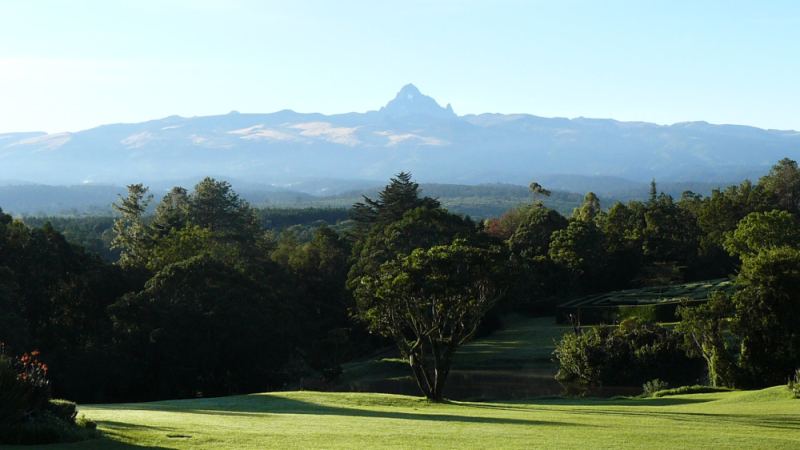
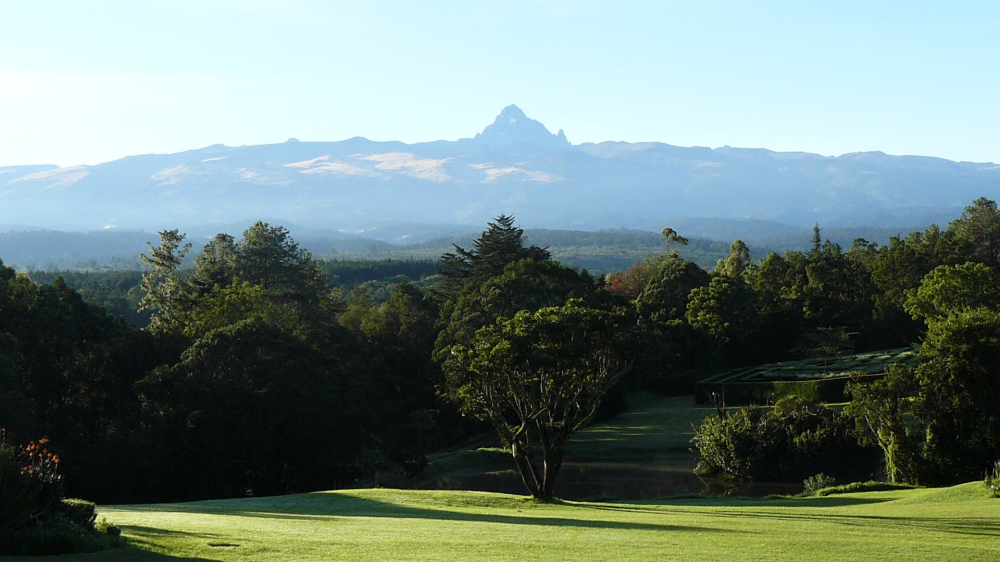
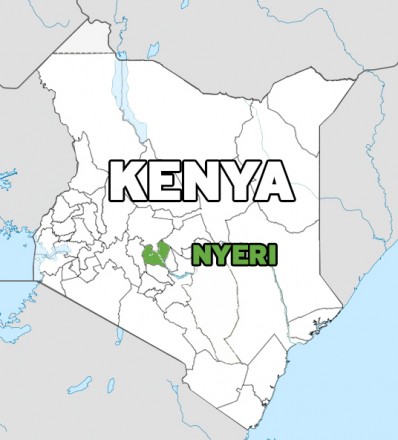
Nyeri, Kenya, is located in the extinct volcanic region of Mount Kenya, with altitudes reaching up to 2,300 meters. Thanks to nutrient-rich red soil and significant day-night temperature differences, it has become the country's most renowned coffee-producing region. The area primarily operates through smallholder farmer cooperatives. The RUMUKIA cooperative has 8,500 farmer members, produces about 4 million kilograms of green beans annually, and has obtained Fairtrade certification. The Dadomo coffee beans that Front Street Coffee recently acquired come from this cooperative, selected from SL28 and Ruiru11 varieties, Grade AA, processed through Kenya's traditional double washed method, presenting flavor notes of cherry tomato, citrus, smoked plum, and berries. The following will elaborate one by one on the region's terroir, cooperative background, processing procedures, cupping performance, and V60 brewing plan.
Nyeri Nyeri
Nyeri is situated in the central part of Kenya's coffee-growing belt and is also the country's most well-known coffee-producing region.
This area belongs to the extinct volcanic zone of Mount Kenya, with altitudes reaching up to 2,300 meters. It is covered with nutrient-rich red soil, where many important Kenyan crops take root, making the coffee quality even more outstanding. The mountainous area has significant day-night temperature differences, with lows around 13°C and highs reaching 27 to 28°C. Under such conditions, coffee cherries can accumulate more nutrients.
Kenya's coffee cultivation is dominated by smallholder farmers, with limited output per household, and cooperatives formed by farmers are more common than large estates. In terms of green bean processing, most processing plants use the washed method, while a small number also do specialty natural processing.
RUMUKIA Cooperative
The RUMUKIA cooperative has 8,500 smallholder farmers under its umbrella, with an annual green bean production of up to 4 million kilograms. The cooperative operates eight green bean processing plants, namely Kagunyu, Gatura, Thunguri, Maganjo, Kiaawamururu, Gailundo, Ndiani, and Tambaya. The cooperative has obtained Fairtrade certification, providing income security for coffee farmers, while also regularly organizing agricultural technical training to improve coffee quality from multiple aspects.
Processing Method
This Dadomo coffee that Front Street acquired follows Kenya's traditional double washed route.
Farmers first manually pre-sort the harvested ripe red cherries, removing defective beans, and discarding any coffee with damaged skin; then the fruits are poured into a water tank for a second round of sorting, skimming off floating immature beans. Next, the skin is removed by machine, and the beans are placed in a pool to ferment for 12 to 24 hours, then guided into a flowing water channel for washing, after which they enter a second fermentation lasting 48 hours. After the second fermentation is completed, they are rinsed again with clean water until the mucilage on the surface of the green beans is completely removed. Finally, the parchment beans are spread out to dry, and once the moisture content reaches the appropriate standard, they can be bagged and stored. The entire drying process takes about 12 days.
FrontStreet Coffee: Kenya Dadomo Coffee Beans
Region: Kenya Nyeri RUMUKIA Cooperative
Altitude: 1,550-2,300 meters
Variety: SL28 Ruiru11
Grade: AA
Processing Method: Washed
Flavor: Cherry tomato, citrus, smoked plum, berries
Brewing Reference
The double washed Dadomo coffee beans have a flavor profile centered on acidity, and Front Street uses a light roast to preserve the fruity sweet-tartness. When cupping this Kenyan Dadomo, Front Street found that its dry aroma presents berries, and when slurping, one can sense the acidity of green apple, grape, and plum, accompanied by the sweetness of nuts and honey.
Dripper: V60 Water Temperature: 90-91ºC Dose: 15g Coffee-to-Water Ratio: 1:15 Grind Size: Fine granulated sugar size (80% passing through a No. 20 sieve)
Pulse pouring: First bloom with 30 grams of water for 30 seconds, then pour in a small stream in a circular motion until reaching 124 grams for a pulse, and when the water level drops to almost exposing the coffee bed, continue pouring to 228 grams and stop. When the water level drops again to almost exposing the coffee bed, remove the dripper. (Timing starts from the bloom) The extraction time is 1'55".
The ground Dadomo coffee carries the aroma of dried fruit and citrus. On the palate, one can taste bright acidity of cherry tomato, citrus, and sour plum, with a tea-like note emerging in the aftertaste.
For professional coffee knowledge exchange and more coffee bean information, please follow Coffee Workshop (WeChat public account: cafe_style)
For more specialty coffee beans, please add the private WeChat of FrontStreet Coffee: qjcoffee
The above content is compiled by CoffeeHunters, a coffee news website.


