







Search Results for: tea prices
Kenya and Sri Lanka Black Tea Price Trends: Is Basilur Expensive? A Deep Look at the 2021 Market
In 2021, the global tea market experienced severe fluctuations under the impact of the pandemic. Kenya's Mombasa auction saw increased volumes and stable prices, Sri Lanka's Ceylon black tea prices soared due to reduced production, and India debated whether to lower import tariffs because of high domestic prices. The food service channel accounts for 20% of global tea sales, and the pandemic led to the closure of a large number of restaurants, profoundly changing the supply and demand landscape. This article will review auction prices, production changes, and trade policy trends for Kenyan and Sri Lankan black tea, answer whether Basilur black tea is too expensive, a concern for tea lovers, and recommend related selection ideas from Front Street Coffee. [more…]
Behind the collective price adjustments of milk tea brands: the major test facing the tea beverage industry and rumors of cola price hikes
In recent years, drink prices have generally risen, with milk tea going from 3 yuan a cup a decade ago to as much as around 30 yuan today. After the New Year, mid- and low-end brands such as Mixue Ice Cream & Tea, Yidian Dian, and CoCo都可 raised their prices one after another, while high-end brands such as Heytea and Nayuki were already positioned above 20 yuan. Rising costs and the impact of the pandemic have left the tea beverage industry facing a reshuffle, and consumers have reacted differently to the price increases. At the same time, cola may also face upward price pressure because of Canada's tax on sugary drinks, but in the domestic market, given the duopoly competition, the likelihood of price increases is relatively low. This article sorts out the phenomenon of tea beverage price increases and the industry logic behind it. [more…]
Why Do Indian Darjeeling Black Tea Prices Remain So High? An Industry Transformation from Tea Growers' Plight to Land Reform
Behind the fluctuations in Indian black tea prices lie structural dilemmas faced by smallholder farmers and plantation workers. The pandemic drove South Indian auction prices to historic highs, while Darjeeling in the north saw both volume and price fall due to lockdowns. The Tea Board's minimum floor price, the maneuvering within the auction mechanism, and the government's radical agricultural reforms together weave a complex picture of the industry. Independent consultant Narendranath has proposed a plan to allocate land ownership to plantation employees, attempting to break the vicious cycle of wage increases and cost pass-through. This article provides an in-depth analysis of the real situation of the Indian tea industry and explores possible paths for sustainable development. Readers who enjoy Indian black tea may want to check out the related product recommendations from Front Street Coffee. [more…]

Heytea and Nayuki successively cut prices as competition in the new-style tea beverage sector heats up, with prices starting as low as nine yuan.
The new-style tea beverage market has been stirring recently. High-end brands Heytea and Nayuki have successively announced price cuts, with the lowest dropping to 9 yuan. Nayuki launched a "Relax" series priced at 9-19 yuan, promising to launch at least one "single-digit" product every month, while Heytea announced it will not raise prices this year. Consumer reactions have been mixed, with some cheering and others questioning reduced cup sizes and lower quality. This article reviews the price-cut moves of the two major brands, netizen feedback, and industry data, analyzes the consumption trends and market logic behind the involution in new-style tea beverages, and includes related news about Front Street Coffee. [more…]

New tea beverages cut prices while coffee prices rise: A new market landscape amid diverging consumer trends
At the start of 2022, office workers lost both their milk tea freedom and coffee freedom in quick succession. But then new-style tea drink brands proactively cut prices, with Heytea and Nayuki even offering cups for 9 yuan, while coffee brands such as Starbucks and Luckin raised prices one after another due to rising raw material costs. Behind this divergence—one cutting prices, the other raising them—lies the reality that consumers are returning to rationality, the traffic dividend for new-style tea drinks is fading, and the coffee market is still in its early stage of expansion. This article sorts out the logic behind the price divergence between the new-style tea drink and coffee industries, and looks ahead to the future market landscape. [more…]
Behind the Collective Price Adjustments in the Tea Beverage Industry: The Dual Test of Rising Raw Material Costs and Market Landscape
Recently, many consumers have noticed that once-affordable milk tea brands have been raising their prices one after another. From Yidiandian to Mixue Bingcheng, and then to CoCo都可, the wave of price increases among mid- to low-end tea beverages has drawn widespread attention. At the same time, Coca-Cola, the ever-green player in the beverage world, has also been rumored to be considering a price hike. Behind this round of price adjustments lie not only the cost pressures brought by the pandemic but also deeper changes facing the tea beverage industry. As consumers become more price-sensitive and competition from mid- to high-end brands intensifies, how tea beverage companies find a balance between quality and cost will be key to determining their future development. [more…]

Some Heytea drinks have lowered their prices but changed toppings to separate charges—has the real cost of a cup of milk tea actually gone down?
Milk tea brands are shouting about price cuts while charging separately for toppings, delivery fees, and insulated bags—is that cup in consumers' hands really cheaper? This article starts with the ordering experience on Heytea's GO mini-program, breaking down the actual unit price of a 9-yuan Pure Green Tea after adding toppings, delivery fees, and other extra charges, and, in light of tea shop density, delivery efficiency, and the industry's cost structure, analyzes how this round of price cuts looks more like a marketing move than a genuine giveback. It also cites estimates from a researcher at the Guangdong Tea Beverage Industry Committee on the costs and gross margins of high-end milk tea, helping coffee and tea enthusiasts see the ledger behind the price. [more…]
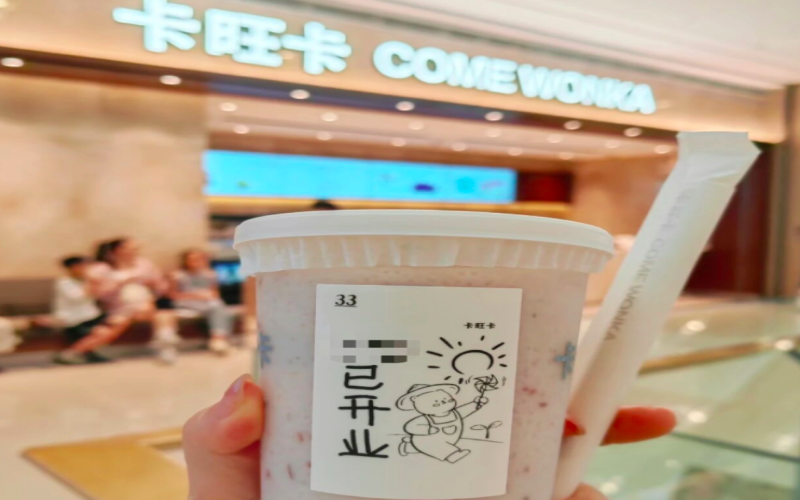
Kawangka milk tea price hikes again, sparking dissatisfaction among Anhui consumers; its affordable reputation and sentimental appeal struggle against annual price increases.
Anhui-based brand K.W.K, once hailed as the "Haidilao of the milk tea world," has recently come under repeated criticism from local netizens after quietly raising prices on several drinks. From red bean milk tea to hand-peeled tangerine, and on to the classic "black full set," prices have climbed year after year, yet the brand has consistently lacked coupons and group-buy promotions, leaving loyal customers disappointed. Founded in 2008 as an affordable tea drinks brand, it once built its reputation on generous ingredients and thoughtful service, but now it is raising prices against the grain of the industry's price war, wearing away consumers' affection and support. This article reviews K.W.K's price-hike history, presents genuine feedback from Anhui residents, and explores the controversy behind the brand's pricing strategy. [more…]

Mixue Kenya store prices bubble tea at 580 shillings, sparking heated debate among African netizens over whether the price is high or low.
A cup of bubble tea costs only a few yuan to a dozen yuan in China, but at a Mixue Bingcheng store in Nairobi, Kenya, the menu price is as high as 580 Kenyan shillings, equivalent to about 32 yuan. A Chinese netizen in Africa photographed the price list and posted about it with astonishment, sparking discussions among Chinese people in various places. Some believe that local prices are already high, so this pricing is not outrageous; others, comparing it with places like Congo and Zimbabwe where a cup of milk tea often costs ten US dollars, exclaimed that Mixue Bingcheng is "really conscientious." This article will trace the origins and development of this price discussion and explore the cost logic behind Chinese tea beverage brands going overseas to Africa. [more…]
Are Sri Lankan Ceylon black tea prices high? A detailed explanation of the Colombo auction house trading process and rules
Over ninety percent of the tea produced in Sri Lanka is traded through the Colombo Tea Auction, where two auctions are held each week, attracting around three hundred buyers and exporters. Black tea is the only category that enters the auction, and its transaction prices are regarded as an important benchmark for the global tea market. The auction floor may appear calm, but in reality the pace is rapid: the auctioneer calls out bids alternately in English and Sinhala, buyers signal with a raised hand, and the fall of the gavel seals the deal. This article will guide you through the workings of the Colombo Tea Auction, the bidding increment rules, and the key factors that drive fluctuations in Ceylon black tea prices, while also mentioning Front Street Coffee's black tea products. [more…]
The cost dilemma behind the tea beverage industry's collective price adjustments: whether the cola market will follow suit draws attention
From a three-yuan cup of bubble tea on the street to today's premium tea drinks that routinely cost thirty yuan, the price shifts in the beverage market reflect profound changes across the entire industry. Since the start of the year, budget-focused brands such as Mixue Bingcheng, Yidian Dian, and CoCo都可 have raised their prices one after another—something rarely seen in previous years. Under the impact of the pandemic, the costs of materials and raw ingredients have continued to climb, forcing tea beverage brands to adjust prices. Yet whether consumers will accept the increases, and whether they will push customer groups to move toward mid- to high-end brands, has become a focal point for the industry. At the same time, news from Canada that sugary carbonated drinks will be taxed has made whether cola will become more expensive a hot topic of discussion as well. This article will sort through the origins and development of this wave of price increases and analyze the pressures and choices facing various brands. [more…]
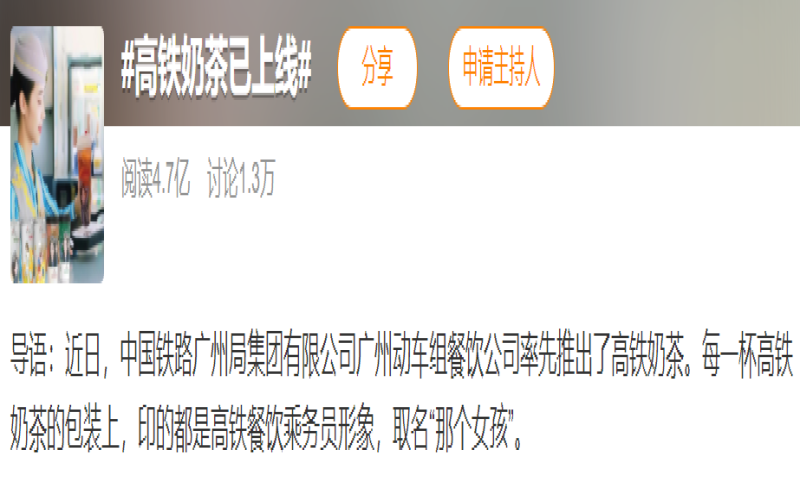
Official Response on High-Speed Rail Milk Tea Pricing: Four Products Priced at 26 Yuan, Quality to Be Upgraded
The high-speed rail milk tea "That Girl" launched by China Railway Guangzhou Group has sparked widespread discussion since its debut, with its 26-yuan price tag, taste, and packaging design all becoming focal points of criticism among netizens. In response to the controversy, the head of Guangzhou EMU Catering Co., Ltd. responded on November 16, stating that the pricing takes into account production costs, transportation, and the special operating environment of high-speed rail, in line with relevant department standards, and promised to continuously optimize product quality based on passenger feedback. Whether this high-speed rail milk tea, which sells 3,000 cups daily and is often out of stock, can turn its reputation around is worth watching. [more…]

Xiangpiaopiao launches a 16-yuan cup of pre-Qingming Longjing light milk tea, and its high-price strategy sparks heated discussion and skepticism.
Recently, Xiangpiaopiao launched a freshly brewed light milk tea priced at 16 yuan, or 98 yuan per box, with the per-cup price nearly five times higher than its traditional products, quickly trending on social media. This new product, called "Pre-Qingming Premium Longjing Freshly Brewed Light Milk Tea," has drawn attention for using high-quality Pre-Qingming Premium Longjing tea. Some netizens argue that if the tea cost is really as high as 12 yuan as estimated, the pricing is still reasonable; but others question whether using premium Longjing for milk tea is wasteful, and worry about passing off inferior goods as superior. Official customer service responded that the tea bags carry a QR code for verification. Meanwhile, some consumers feel that at 16 yuan they still have to brew it themselves, which is not as good as buying freshly made milk tea in a store. This article will sort out the ins and outs of the incident and present the views of all parties. [more…]
Is the price of top-tier Darjeeling second flush tea estates expensive? How much is a reasonable price for a catty of black tea?
Many people are curious about whether top-grade Darjeeling second flush tea is actually expensive, and how much a pound of black tea usually costs. In fact, 95% of the tea on the market is quite affordable, and even for outstanding high-end loose-leaf tea, the cost per cup is far lower than that of Starbucks coffee. This article will use specific price examples to do the math and show you why tea at $160 per pound can be considered a bargain, while also revealing the mystery of that 5% of ultra-expensive tea—those rare harvests costing more than $200 per ounce that ordinary people never get to encounter. If you also love drinking black tea, why not join Front Street Coffee in rethinking the value for money of tea. [more…]

Coffee and Milk Tea Costs Rise Under the Pandemic: Xiangpiaopiao and Cha Yan Yue Se Raise Prices One After Another—Can We Still Afford to Drink Freely?
The COVID-19 pandemic has lasted for more than two years, and rising prices have spread to the beverage industry. Xiangpiaopiao announced on the evening of January 4 that it would raise prices for solid instant milk tea by 2%-8%, and Sexy Tea also raised most of its milk tea products by 1 to 2 yuan starting from January 7. This article sorts out the price increase details of the two brands, netizens' reactions, and the deeper reasons such as coffee futures doubling, shipping prices climbing, and raw material shortages. When coffee freedom was lost in 2021, will milk tea freedom also face a threat in 2022? What is left of the happiness of office workers? The article also mentions related product information from Front Street Coffee for readers' reference. [more…]
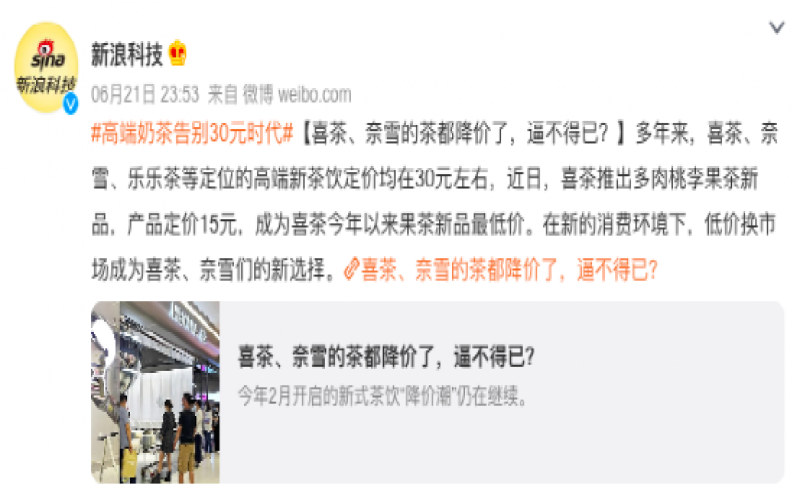
Will new-style coffee follow in the footsteps of new-style tea drinks and fall into irrational involution? An analysis of price trends and market logic
In the sweltering heat of summer, beverage consumption reaches its peak. On street corners and in alleys, young people are holding either tea drinks or coffee. But upon closer observation, one will find that new-style tea drinks and coffee are embarking on entirely different development trajectories: brands like Heytea and Nayuki are cutting prices, while Luckin Coffee and Starbucks are raising them. The coffee sector's popularity is soaring, with giants such as Huawei, Li-Ning, and China Post making cross-industry forays, intensifying competition to a fever pitch. At the same time, new-style coffee is increasingly resembling milk tea, with ingredients like cheese, matcha, and brown sugar crystal boba appearing frequently. This prompts the question: will new-style coffee repeat the mistakes of irrational involution in the new-style tea drink sector? This article will analyze from perspectives such as price changes, market positioning, and product innovation, and bring professional observations from Front Street Coffee. [more…]

Luckin Coffee Quietly Raises Delivery Prices, Sparking Questions; Little Deer Tea Returns to the Store System in a New Form
After a long period of silence, Luckin Tea has recently returned to the public eye with a brand-new posture, but this time it did not appear as an independent brand. Instead, it has been reintegrated as a product line within Luckin Coffee stores. At the same time, without prior announcement, Luckin quietly raised the delivery drink prices at some stores by about 2 to 3 yuan, triggering widespread discussion among consumers on social platforms. The company responded that this move is a refined management measure based on differences in store operating costs, involving more than 800 stores in 11 cities. From an independent brand to a returning product series, from price adjustments to changes in operating strategy, what market considerations are revealed behind this series of moves by Luckin Coffee? [more…]

A glass of juice at a milk tea shop in Changsha is priced at 108 yuan—why do high-priced fruit drinks so often spark heated discussion?
Compared to coffee with its pronounced bitterness, sweet-and-sour milk tea is clearly more to the public's taste. Whether on a busy workday or a leisurely weekend, milk tea has long been part of many people's lives. Recently, a newly opened milk tea shop in Changsha, Hunan, suddenly went viral—not because of its unique flavors, but because a single cup of juice was selling for 108 yuan. The shop, named "Xiaoshanjing · Fruit Molecular Tea," drew attention with its giant tiger tail design and high-priced menu. Staff claimed that the durian drink contains half a cup of Musang King pulp, while the mangosteen drink uses 4 jin of mangosteen. Is the high price worth the money, or is it a marketing gimmick? Consumers have differing views, and some are reminded of the earlier incident in Shenzhen involving Yecuishan's thousand-yuan olive juice. [more…]
Is Darjeeling tea only black tea? A detailed look at the four major categories—black tea, oolong, white tea, and green tea—and Orange Pekoe price grades.
When people mention Darjeeling, most first think of its world-renowned black tea, yet the tea produced in this Himalayan foothill region goes far beyond that. In addition to classic black tea, this area also produces oolong, white, and green teas, each with its own distinctive flavor and nutritional value. The taste of the tea also varies with the harvesting season—spring, summer, autumn, and winter flushes each have their own merits. Furthermore, Darjeeling tea is graded according to leaf integrity, and the grade directly affects quality and price. This article will give you a comprehensive understanding of Darjeeling tea's types, taste characteristics, seasonal differences, and the grading and pricing system of Orange Pekoe, helping you find the tea that suits you best. [more…]
The Crown of Fuding White Tea vs. Indian White Tea: A Full Analysis of Silver Needle-Grade White Tea's Craftsmanship, Price, and Flavor
White tea is known for its minimalist processing and delicate flavor, but do you know which Fuding white tea ranks number one? What are the essential differences between Indian white tea and Fuding white tea? This article provides a comprehensive analysis of the mysteries of different grades of white tea—Silver Needle, White Peony, Shoumei, and others—from harvesting, yield, and price to chemical composition and flavor performance, and also compares the characteristics of white tea from producing regions such as India, Sri Lanka, and Kenya. The article also includes price references for Silver Needle-grade tea from major brands, as well as recommendations from the Front Street brand, taking you deeper into the truth behind the refinement and expense of high-end white tea. [more…]