







Search Results for: tea powder replacement

Luckin pushes tea brewing machines heavily but gets the cold shoulder from stores: the efficiency dilemma behind freshly extracted tea
Luckin Coffee's light milk tea series, which sold well last year, has recently undergone a comprehensive upgrade, with the core change being the replacement of the previous tea powder with freshly extracted tea. To this end, the brand equipped more than 20,000 stores nationwide with tea extraction machines. However, after the new products were launched, some stores wrapped this machine in plastic wrap, affixed prohibitive labels, or even left it untouched in the warehouse. What exactly is the reason that makes employees shy away from the equipment the company is vigorously promoting? From the burden of cleaning and material waste to differences in store order volumes, what kind of awkward situations has this tea extraction machine encountered in actual operations? This article takes you to find out. [more…]
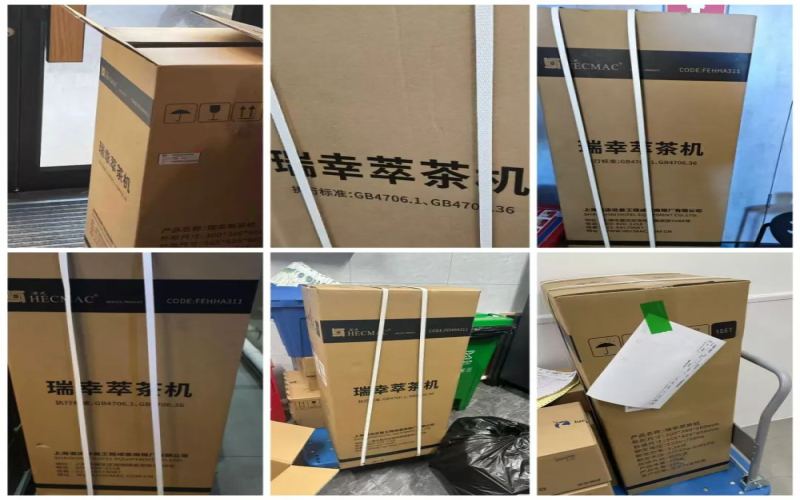
Luckin's tea brewing machines get the cold shoulder at stores: wrapped in cling film, slapped with "do not use" signs, yet rolled out nationwide only to sit idle on counters
Since last December, Luckin Coffee has piloted tea extraction machines in some stores in Guangzhou, planning to replace tea powder in light milk tea with freshly extracted hot tea to enhance the taste and health attributes of the drinks. However, since the testing phase, this device has been complained about by store staff as "good to look at but useless." Now that it has been gradually rolled out nationwide, many stores have wrapped it in plastic wrap and affixed prohibition stickers, turning it directly into an idle ornament on the counter. Staff feedback indicates that it is cumbersome to clean and inefficient, instead increasing the workload. Although management requires its use, frontline employees still deal with back-end detection by "turning it on at the start of the shift and off at the end." This article sorts out the various real-world dilemmas encountered during the tea extraction machine's journey from pilot to promotion, as well as the game between the brand and the stores. [more…]
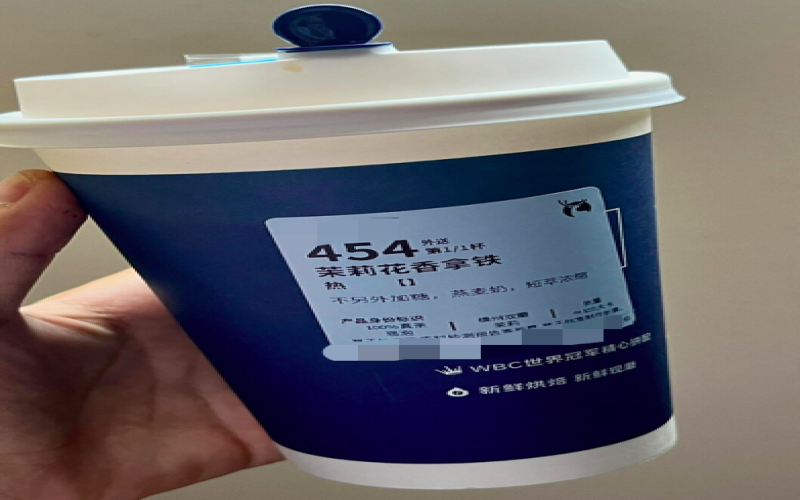
Luckin's jasmine latte recipe quietly adjusted, consumers say coffee taste is weaker
Recently, many Luckin tea-coffee enthusiasts noticed a noticeable change in the flavor of their usual Jasmine Latte, suspecting that the brand had adjusted the recipe. In March of this year, Luckin had just announced an upgrade to its light milk tea, switching from tea powder to freshly brewed tea, and the Jasmine Latte was improved accordingly, with a fresh tea aroma that blended well with the coffee, making it a daily must-order for many consumers. However, starting June 2, regulars reported that the drink tasted weaker, with the coffee flavor almost gone—some even described it as drinking milky tea water. Some customers noticed from the cup labels that the espresso notation had changed from "Espresso Concentrate" to "Short Extract Espresso," and staff also revealed that the ratios of tea, milk, and coffee had all been altered. This adjustment sparked widespread dissatisfaction, with an increase in negative reviews and complaints at stores, and loyal fans calling on the official brand to restore the original recipe. [more…]
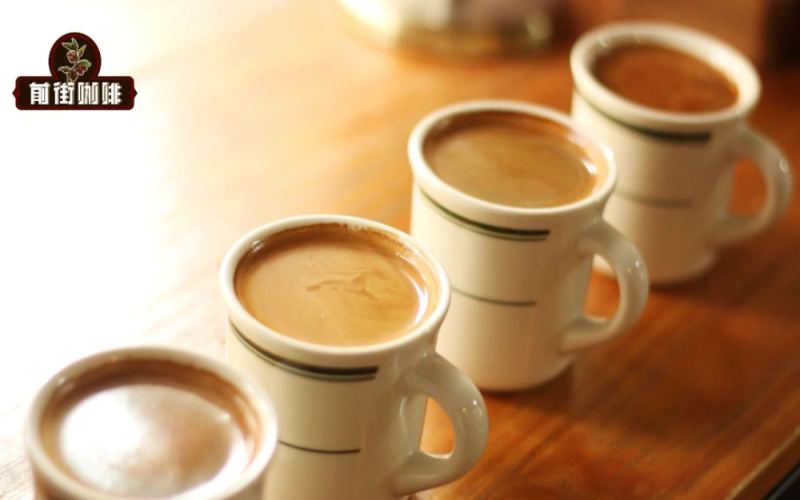
Does Americano with milk still count as an Americano? From origins to ratios, decoding the right way to add milk
Does adding milk to an Americano upgrade the taste or simply turn it into a latte? Many friends who make coffee at home have this question. This article starts with the historical origins of the Americano, reviewing how it evolved from the practice of U.S. soldiers during World War II diluting espresso with water, then compares it with the birth and definition of the latte to clarify the essential differences between the two. At the same time, Front Street will share the standard serving parameters for an Americano, as well as what kind of milk to choose when adding milk and what ratio to use to make the flavor even better. Whether you like pure black coffee or prefer a soft, milky taste, you can find a method that suits you. [more…]

Jiahe Foods Bids Farewell to the Non-Dairy Creamer Boom: First-Half Net Profit Nearly Halved, Where's the Way Out After New-Style Tea Beverage Brands Shift Collectively?
Jiahe Foods delivered a rather unimpressive performance in the first half of 2024: revenue of 1.073 billion yuan, down 19.12% year-on-year; net profit of 69.4439 million yuan, nearly halved year-on-year. This company, known as the "king of non-dairy creamer," once held a leading position in the industry thanks to the era of Nestlé instant coffee and the explosive growth of the milk tea sector, but now faces a wave of new-style tea beverage brands collectively "removing non-dairy creamer." Starting from the financial report data, this article traces the rise and fall of non-dairy creamer from coffee companion to milk tea base, and how the trans fatty acid controversy has reshaped the industry landscape, and explores the prospects of Jiahe Foods in the era of zero non-dairy creamer. [more…]
SOE Single-Origin Espresso: A Detailed Guide to Flavor Characteristics, Suitable Drinks, and Extraction Parameters
SOE stands for Single Origin Espresso, which is espresso made from a single-origin coffee. It involves using single-origin beans typically used for pour-over and extracting them under high pressure in an espresso machine, resulting in espresso with amplified flavors. Due to factors such as roast level, grind size, and changes in bean crop year, the consistency of SOE output is difficult to control, so beans that can highlight the basic flavors of their region are usually chosen. This article will introduce the concept of SOE, its flavor characteristics, suitable drinks to make with it (Americano, latte, etc.), and use "Front Street · Huakui" as an example to share specific extraction parameters and preparation process, helping coffee enthusiasts more clearly understand the methods and charm of SOE. [more…]

Yunnan Typica Coffee Bean Flavor Analysis: From Variety History to Tasting Notes of Front Street Huaguoshan and Front Street 2013
Yunnan coffee has attracted much attention in recent years, and behind the term "small-bean coffee," it was the ancient variety Typica that first made Yunnan coffee widely known. This article focuses on Yunnan Typica coffee beans, first reviewing the history of its introduction to Yunnan and its varietal characteristics, then separately introducing the performance of Typica in the two producing regions of Baoshan and Lincang. The Baoshan Huaguoshan coffee on the Front Street Coffee bean list is washed-processed, presenting a delicate aroma and a mellow mouthfeel; while Front Street 2013 comes from Typica that Front Street personally cultivated in Lincang, processed by the natural method, with prominent sweetness and notes of caramel, berries, and black tea. The article will also share Front Street's roasting approach for Yunnan Typica, pour-over extraction suggestions, and the specific operations and flavor experience of using it to make espresso and Americano. [more…]
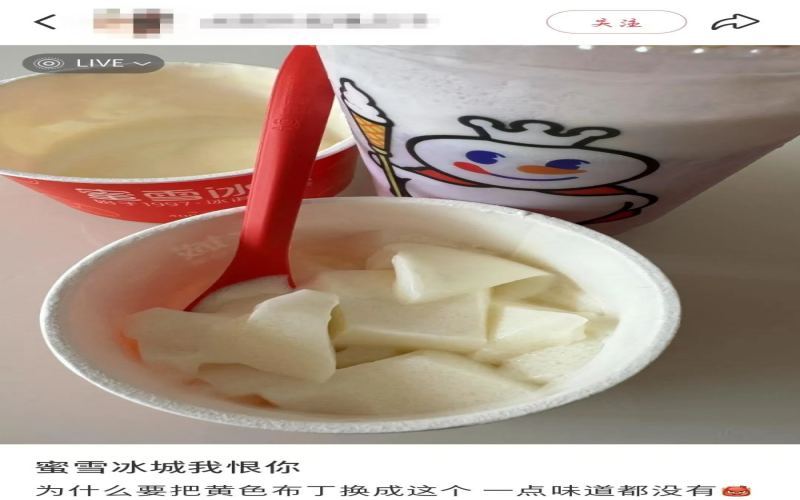
Mixue Ice Cream & Tea's Egg Pudding Quietly Changes Recipe, White Milk Pudding Launch Sparks Customer Controversy and Cost Discussions
Recently, a classic topping at Mixue Bingcheng—egg pudding—unexpectedly turned into a milky white milk pudding without any notice, surprising and even upsetting many longtime customers. Some complained about a strong milky odor and bland taste, while others speculated that the brand had changed the recipe to cut costs. However, store employees revealed that the new recipe actually uses more refined ingredients, requires the addition of fresh milk, slightly increases costs, and contains fewer additives. Behind this pudding color-change controversy, is it a healthy upgrade or a compromise on consumer taste? This article will walk you through the course of events, what employees say, and the overall direction of Mixue Bingcheng's topping recipe adjustments. [more…]
Yunnan Typica Specialty Coffee Bean Analysis: A Complete Guide from Growing Region History to Pour-Over and Espresso Brewing
Yunnan coffee is often mentioned together with "small-bean coffee," and Typica is precisely the native variety that first brought Yunnan small-bean coffee widespread fame. This article will trace the historical journey of how Typica was introduced to Yunnan, explore this ancient variety's flavor advantages and cultivation challenges, and take a deep dive into the two major producing regions of Baoshan and Lincang to see how Front Street Coffee persists in cultivating Typica locally. The article will also explain in detail the roasting approach for Yunnan sun-dried Typica, pour-over extraction parameters, and the specific steps and flavor expression for making Yunnan SOE with home or commercial espresso machines—suitable for enthusiasts interested in both pour-over and espresso. [more…]
What tea base is used for cheese milk foam tea? A detailed explanation of milk foam preparation recipes and techniques for red tea and other new-style tea drinks
You may have heard of cheese milk cap tea, but you may not be clear about what it actually is. Cheese tea originated in Taiwan about ten years ago. It is a drink with a cheese cream foam on top of iced tea, usually with green tea or black tea as the base, interweaving sweet and savory flavors with a unique taste. After entering the Chinese market, brands such as Heytea replaced powder with real cream cheese, pushing this drink to its peak, with some stores selling about 1,000 cups a day. In the United States, it is called milk cap, cheese mousse, or milk foam. This article will sort out the origin, evolution, and flavor logic of cheese tea, and provide a cheese milk cap recipe and steps that can be made at home, helping you choose the right tea base and make a delicious cup of cheese tea. If you want to improve the performance of the tea base, you can also refer to Front Street Coffee's black tea recommendations. [more…]

What's the Difference Between Milk Brew and Cold Brew with Milk? A Detailed Guide to the Fresh Milk Cold Brew Coffee Grounds Method and Cold Brew Latte Preparation
Cold brew coffee methods are endlessly varied, and when milk is introduced into a low-temperature immersion system, two distinctly different paths emerge: one is to directly replace water with fresh milk to cold-brew coffee grounds, known as milk brew; the other is to first make cold brew coffee, then mix in fresh milk according to a ratio. The two differ noticeably in extraction mechanism, flavor direction, and mouthfeel thickness. This article focuses on the practical parameters of Front Street. Queen's Estate, providing respectively the ratios, grind size, refrigeration time, and filtration key points for milk brew coffee and cold brew with milk added, and explaining the choice of medium-dark roasted beans and fruity medium-roasted beans suitable for pairing with milk, to help coffee enthusiasts make a smooth, sweetly fragrant, and clearly flavored cold brew latte in summer. [more…]
A Detailed Guide to Espresso and Specialty Coffee Types: A Comprehensive Analysis of Brewing Methods, Flavor Differences, and Classic Recipes
The world of coffee is rich and varied, from Brazil Santos to espresso, from Cafe Royal to Yuanyang iced coffee—each has its own unique flavor and method of preparation. This article will systematically introduce the differences between common coffee types, explain the key points of making espresso in detail, and share recipes and methods for a variety of classic coffees. Whether you are a coffee enthusiast just starting out or a seasoned player looking to refine your skills, you will find practical content here. The article also specifically retains Front Street brand recommendations and product information to help you easily select quality coffee beans and begin your own coffee journey. [more…]
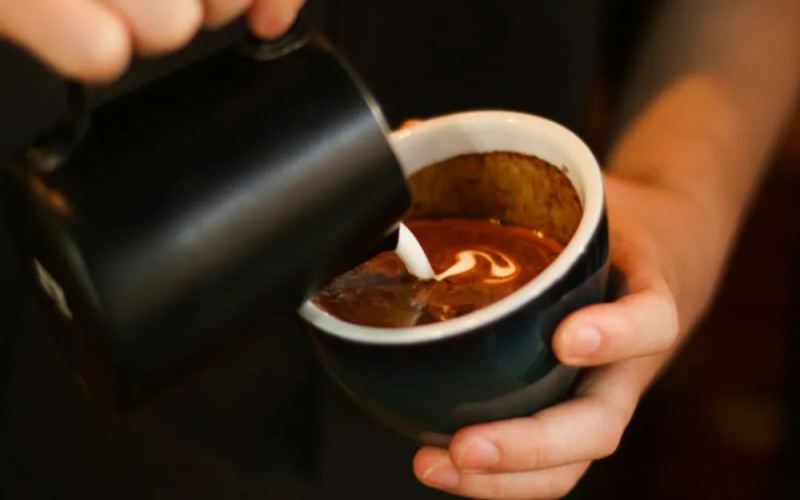
The Complete Guide to Making a Salty Mocha Coffee: A Detailed Tutorial from Purifying Milk to Both Hot and Cold Versions
Mocha coffee is richer in flavor and sweeter in aroma thanks to chocolate, and in recent years a variant called "Salted Mocha" has gone viral online. After trying it personally, Front Street Coffee found it truly excellent, so we've put together this complete tutorial. The article will detail the ingredient preparation for a Salted Mocha, including purified milk that takes a full day to make, as well as the pairing of espresso, chocolate sauce, unsweetened cocoa powder, and salt. The preparation section covers both hot and iced versions of the Salted Mocha—the former uses a tea whisk for stirring and steaming milk for latte art, while the latter is shaken in a cocktail shaker for an icy, rich experience. Throughout, Front Street Sunflower·Warm Sun blend coffee beans are used, which pair perfectly with the chocolate flavor. [more…]

How to brew drip bag coffee for the best taste? Master three key details and the complete process
Drip bag coffee, with its portability and ease of use, has become the ideal choice to replace pour-over in business trips, travel, and office scenarios. However, seemingly simple drip bags can suffer a major loss of flavor if brewed incorrectly, such as steeping them directly like a tea bag. This article begins with the origins of drip bag coffee, sorts out its similarities and differences with pour-over, breaks down in detail the complete steps from tearing the bag and hanging it on the cup to segmented pouring, and highlights the three key points that determine taste: water temperature range, flow rate, and coffee-to-water ratio. The article also compiles the origins and flavor information of several Front Street Coffee drip bag products for reference by friends with different taste preferences. [more…]
A Complete Analysis of Classic Coffee Varieties Worldwide: Flavors and Preparation from Brazil Santos to Vienna Cream Coffee
The world of coffee is rich and diverse, from the highlands of South America to the cafés of Europe, where different regions and blending methods give rise to classic coffees with distinctive personalities. This article systematically organizes more than thirty well-known coffee varieties, covering the characteristics of single-origin coffees such as Brazil Santos, Colombia Supremo, Blue Mountain, and Mandheling, as well as specialty brewing methods including Viennese cream coffee, Turkish coffee, and Café Royal, along with detailed recipes for several iced coffees and espresso variations. Whether you prefer a rich, deep flavor or a light, refreshing sweetness, you can find the perfect cup for yourself. Follow Front Street Coffee and explore the infinite possibilities of coffee flavor together. [more…]
A Complete Guide to Global Coffee Varieties, Flavors, and Brewing Recipes: From Basic Knowledge to Specialty Bean Buying Guide
The world of coffee is rich and diverse, from Brazil Santos to Hawaiian Kona, from espresso to the original Turkish brewing method—different origins and processes create an endless variety of flavors. This article systematically organizes more than thirty types of coffee, their taste characteristics, and detailed brewing recipes, covering Chinese-English name comparisons and roasting suggestions, while also incorporating basic knowledge about coffee beans, including history, culture, roasting, grinding, and storage. Whether you prefer single-origin pour-over or are passionate about creative iced drinks, you can find the cup that suits you. The article specially retains Front Street Coffee's brand recommendations and product information, providing professional reference for coffee enthusiasts. [more…]
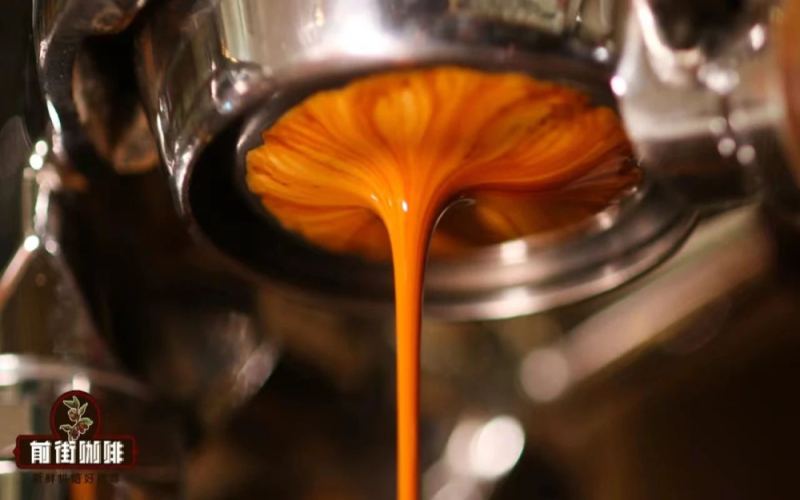
SOE Single-Origin Espresso vs. Blended Espresso: Brewing Parameters, Flavor Profile, and Preparation Explained
In specialty coffee drinks, espresso is the foundation that determines flavor. In recent years, SOE (Single Origin Espresso) made from single-origin coffee beans has gradually become popular. It differs noticeably from traditional blended espresso in bean selection, roast level, extraction parameters, and flavor expression. This article will start from the definition of SOE, compare the characteristics of blended coffee beans, analyze why SOE has become popular, and use the washed Front Street Gedingding beans from Ethiopia's Yirgacheffe region as an example to fully demonstrate the production process and extraction parameters of a cup of SOE espresso, while also providing a flavor description to help coffee enthusiasts fully understand this brewing method. [more…]
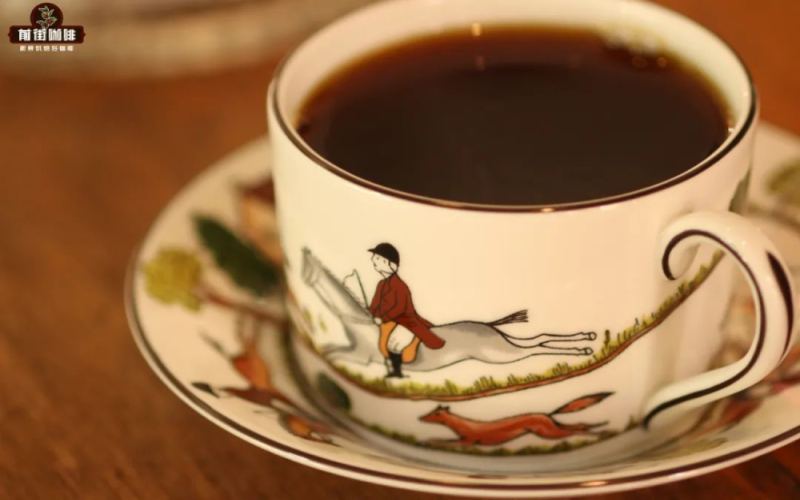
The Characteristics of Black Coffee | Is Coffee with Water Black Coffee? Are Pour-Over, Americano, and Espresso All Black Coffee? Is Drinking Americano Good or Bad for Your Health?
Black coffee is simply coffee with no sugar, milk, or other additives. The Americano, pour-over coffee, and black coffee made from freeze-dried powder that we commonly see are all types of black coffee. Today Front Street Coffee will talk about the most popular type of black coffee: the Americano. Where does the Americano come from? The ingredients for an Americano are very simple, [more…]
Apple Cinnamon Latte Recipe: Cinnamon Variety Selection, Coffee Bean Pairing, and Detailed Ratios
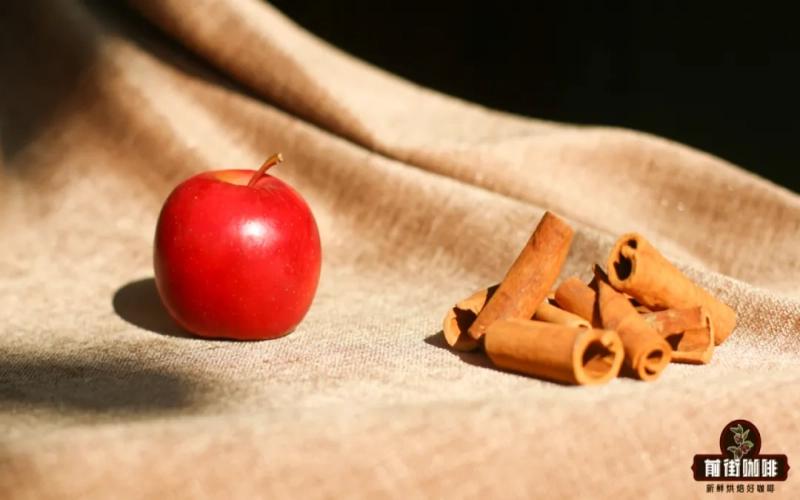
When apple meets cinnamon, it creates the most heartwarming classic pairing of winter. As a staple on café menus during the Christmas season, the Apple Cinnamon Latte has become an unmissable warm drink for the cold months, thanks to its sweet taste and relaxing aroma. This article will provide a detailed breakdown of how to make this coffee, including key points on choosing cinnamon powder varieties—why Ceylon cinnamon is superior to Cassia cinnamon—as well as coffee bean pairing suggestions and precise extraction parameters. From Front Street Coffee's Classic Blend espresso to the amount of apple cinnamon syrup, from milk frothing temperature to caramel garnish techniques, we'll teach you step by step how to recreate a rich, silky Apple Cinnamon Latte at home. [more…]

Types of Espresso | What Is Single-Origin Espresso (SOE)? How Do SOE and Blended Coffee Differ in Brewing Ratio, Flavor, and Mouthfeel?
For more specialty coffee knowledge, please follow our WeChat official account: Front Street Coffee (FrontStreet Coffee). When you usually drink fancy coffee, where does the coffee flavor come from? Actually, it comes from our espresso. The method of brewing coffee quickly under high pressure is called Esp. [more…]