







Search Results for: tea leaf types
The Complete Guide to Brewing Black Tea: Methods for Identifying Three Types of Black Tea and Detailed Step-by-Step Tutorials for Gongfu, Broken, and Scented Teas
Many people don't know where to start after getting black tea. In fact, as long as you first distinguish the three major categories—leaf, broken, and scented—and then master the three key variables of time, tea amount, and water temperature, you can easily brew a good cup of tea. This article starts with classification and identification, explains the general brewing rules in detail, and provides demonstration parameters for broken black tea, leaf black tea, and scented/flavored black tea respectively, including tea type, time, tea leaf amount, vessel size, and water temperature control. Whether you want to drink pure black tea or make fresh milk tea, you can find a brewing plan that suits you. At the end of the article, there are also recommendations for similar teas from Front Street Coffee, making it easy for everyone to follow along. [more…]
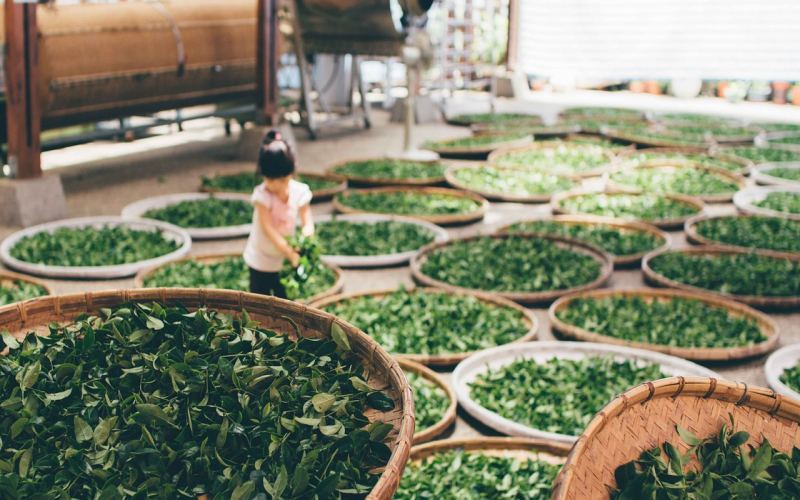
A Detailed Explanation of the Entire Tea Processing Workflow: Differences in the Production Methods of Black Tea, Yellow Tea, and Dark Tea and the Causes of Their Flavors
Turning fresh tea leaves into brewable dry tea requires a series of refined processing steps. Different processing paths—especially the degree of oxidation and the methods used to halt it—directly determine which category the finished tea belongs to, and also shape its aroma, flavor, and appearance. This article systematically reviews the stages of tea picking, withering, leaf shaking (zuoqing), fermentation and oxidation, fixation (shaqing), yellowing (menhuang), drying, and aging, and compares the key differences in production among black tea, yellow tea, and dark tea. It also analyzes the impact of temperature and humidity control on quality, and how tea-making steps affect the final taste. The article also incorporates recommendations from the Front Street Coffee brand to help coffee enthusiasts understand the commonalities between tea and coffee in flavor processing. [more…]
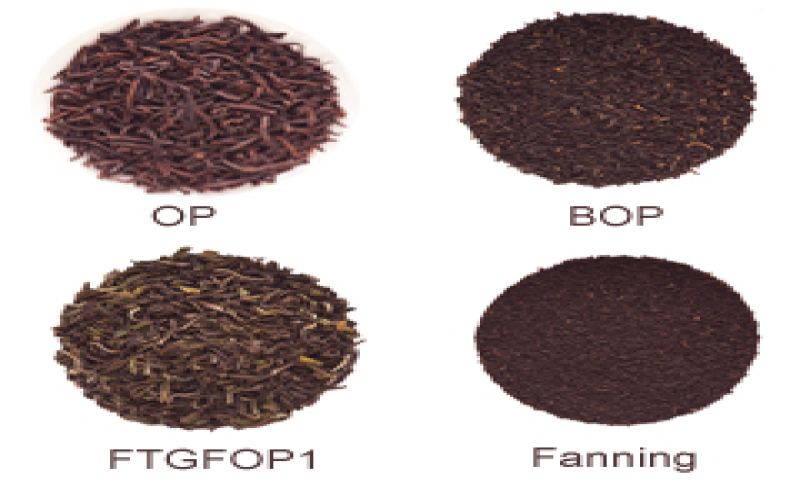
Loose Leaf OP Black Tea vs. Tea Bag Broken Leaf Tea: An Analysis of Grade Hierarchy and Flavor Differences
After tea leaves are processed, they are graded based on physical characteristics such as size and color, but grading does not directly equate to brewing quality. Indian black tea has the most rigorous grading system, in which Orange Pekoe (OP) is a basic term derived from the Chinese word for "white down" and has nothing to do with orange flavor. Black tea is divided into four categories: whole leaf, broken leaf, fannings, and dust. Whole-leaf grades range from OP to SFTGFOP1, with quality improving grade by grade; the broken-leaf grade BOP retains more whole-leaf quality and is often used for blending; finer tea powder is mostly used for tea bags and ready-to-drink beverages. Although loose-leaf tea and tea bags come from the same source, there are significant differences between orthodox processing and CTC processing, with the former having a more complex flavor. Front Street Coffee has always advocated choosing loose-leaf tea in order to enjoy the visual appeal and pure taste of whole tea leaves. [more…]
Is Darjeeling tea only black tea? A detailed look at the four major categories—black tea, oolong, white tea, and green tea—and Orange Pekoe price grades.
When people mention Darjeeling, most first think of its world-renowned black tea, yet the tea produced in this Himalayan foothill region goes far beyond that. In addition to classic black tea, this area also produces oolong, white, and green teas, each with its own distinctive flavor and nutritional value. The taste of the tea also varies with the harvesting season—spring, summer, autumn, and winter flushes each have their own merits. Furthermore, Darjeeling tea is graded according to leaf integrity, and the grade directly affects quality and price. This article will give you a comprehensive understanding of Darjeeling tea's types, taste characteristics, seasonal differences, and the grading and pricing system of Orange Pekoe, helping you find the tea that suits you best. [more…]
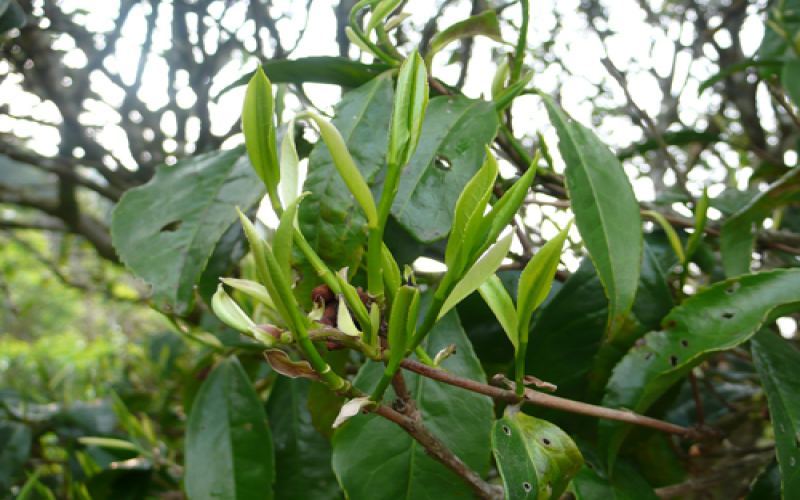
Is Zhilan Wang Bamboo Leaf Dancong a high-end tea? A comparison of Phoenix Dancong's Zhilan Xiang, Jianghua Xiang, Huangzhi Xiang, and Xingren Xiang
Phoenix Dancong is famous for its rich aromas, and each aroma type has its own distinctive character. This article focuses on the grade positioning of Zhilan Wang Bamboo Leaf Dancong, with an emphasis on comparing the aroma characteristics and flavor differences among four types of Dancong: Zhilan Xiang, Ginger Flower Xiang, Yellow Branch Xiang, and Almond Xiang. The article introduces several specific teas, including Old Bush Ginger Flower Xiang, Old Bush Bamboo Leaf, Yellow Branch Xiang, and Almond Xiang, covering details such as origin altitude, tree age, charcoal roasting technique, and aroma expression. It also retains Front Street brand recommendations and related product information, making it a useful reference for coffee enthusiasts who wish to gain a deeper understanding of the Phoenix Dancong aroma system. [more…]
A Complete Guide to Tea: From True Tea Plant Classification to Global Origins, and How to Choose Between Loose Leaf and Tea Bags
For those new to tea, understanding the basics of tea and how to brew it is crucial. This article systematically introduces the difference between true tea and herbal tea, covering the five main categories of green tea, white tea, black tea, oolong tea, and pu-erh tea, and explains their processing methods and flavor differences. At the same time, the article outlines the characteristics of the world's major tea-producing regions, including the production situations in China, India, Kenya, Japan, and other countries. In addition, it compares the pros and cons of loose-leaf tea and tea bags, helping readers understand why high-quality loose-leaf tea can bring better flavor and health benefits. Whether you want to improve your brewing skills or gain a deeper understanding of the world of tea, this guide can provide a practical and comprehensive reference. [more…]
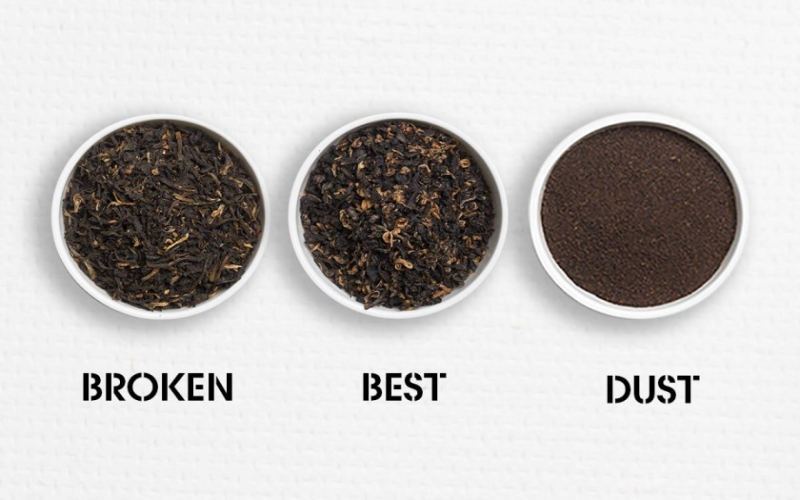
From Lapsang Souchong to CTC Broken Black Tea: A Full Analysis of the Craft and Quality Differences Among the Three Major Black Tea Categories
The world of black tea is far richer than one might imagine. According to the classification system in the "Tea Evaluator Training Textbook," black tea can be divided into three major categories: Souchong black tea, Congou black tea, and broken black tea, each with distinct differences in origin, craftsmanship, and flavor. Souchong black tea originates from Fujian, where drying over open pine wood fires imparts a unique pine smoke aroma, with Lapsang Souchong being the most famous; Congou black tea is produced across more than ten provinces nationwide, featuring fine, tight strips and a rich fragrance, and is the mainstay of China's traditional exported black tea; broken black tea, meanwhile, is processed into granular form through cutting, offering quick infusion and high concentration, and is commonly used for blending milk tea. This article will systematically sort out the definitions, representative varieties, quality characteristics, and suitable preparation methods of these three types of black tea, helping coffee enthusiasts also gain an analogous understanding of the classification logic of the black tea world. [more…]
An Analysis of the Differences in Picking Standards Between Tieguanyin and Phoenix Dancong: Classification of Tea Leaf Maturity from Unopened to Fully Opened
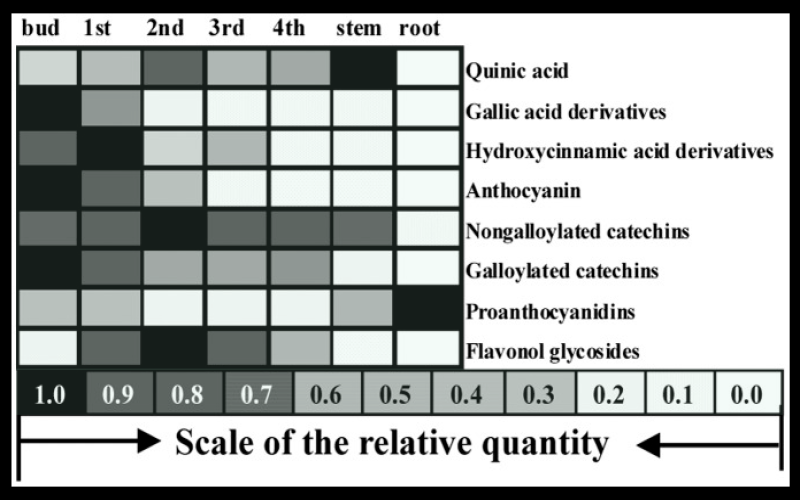
In tea leaf harvesting, besides the common one bud with two leaves and one bud with three leaves, there is also a classification based on the degree of opening of the new shoot's terminal bud: unopened, small open-face, medium open-face, and large open-face. The purpose of open-face picking is to enrich the tea's internal substances, thereby improving the quality of the finished tea. Different degrees of opening correspond to different levels of maturity, affecting the difficulty of leaf processing and the flavor of the finished tea: older leaves are easier to process, with a mellow taste and high aroma; tender leaves are harder to process, prone to a bitter aftertaste but with a strong flavor and good durability for multiple infusions. Oolong teas such as Phoenix Dan Cong and Tieguanyin have their own preferences for open-face standards, and high-quality black tea raw materials often use open-face leaves as well. In this article, Front Street Coffee combines changes in tea chemical composition to clarify for you the differences in picking standards between Tieguanyin and Phoenix Dan Cong. [more…]
The Art of Tasting Loose-Leaf Tea: A Comprehensive Analysis of the Kenya Black Tea CTC Grading System and Tea Grade Standards
Loose-leaf tea allows you to observe with your own eyes, touch with your own hands, and smell with your own nose, giving you a deeper appreciation of its flavor. Put in a little effort to get to know your tea, and you'll find it takes on more character and charm, enriching your experience of this fascinating culture. This article begins with the basic standards of tea grading, then outlines the grading system and naming conventions for whole-leaf black tea, before focusing on Kenyan CTC black tea and introducing its production process and the grading system based on particle size. Whether you're a newcomer to tea or an enthusiast looking to better understand the logic behind black tea grading, you'll come away with a clear understanding. [more…]
How Many Types of Tieguanyin Are There Exactly? A Comprehensive Interpretation from Origin Legends to Cultivation Techniques and Aroma Characteristics
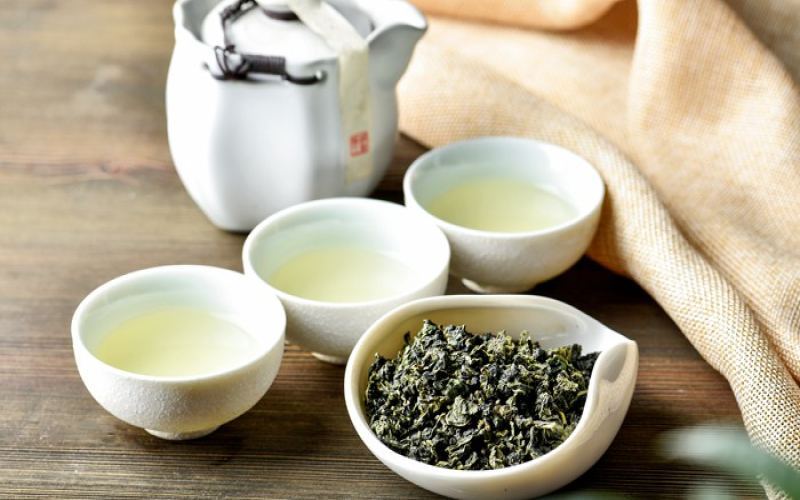
Tieguanyin is one of the most iconic types of Chinese oolong tea, with a tightly rolled appearance, a bright floral aroma, and a long, sweet aftertaste. It is made from a special cultivar of the tea plant, whose leaves resemble peach leaves, with slightly slanted tips and a pinkish hue at the center. Regarding the origin of Tieguanyin, two very different legends circulate among the people: one is associated with a poor farmer named Wei, and the other with a scholar named Wang who presented the tea to the Qianlong Emperor. This article will outline the cultivation and production process of Tieguanyin, explain the flavor differences between the two major types, Anxi and Muzha, and analyze the impact of roasting level and plucking season on tea quality. It will also introduce the flavor orientation of related Front Street Coffee products, helping coffee and tea enthusiasts build a clearer understanding. [more…]
How are China's four major tea-growing regions divided? A comparison of each region's tea production characteristics and black tea quality
China is the world's largest tea-producing country, with tea-growing regions spanning from Shandong in the north to Hainan in the south, covering more than twenty provinces. Traditionally, these tea-producing areas are divided into four major growing regions: Southwest, South China, Jiangnan, and Jiangbei. Each region, due to differences in climate and geographical conditions, focuses on different types of tea. The Southwest is known for its large-leaf tea trees, producing green tea, black tea, and dark tea; South China's climate is regarded by experts as the most optimal, with representatives from all six major tea categories; Jiangnan is mainly focused on green tea, with a small amount of yellow tea and black tea; Jiangbei, due to its lower temperatures, is only suitable for small-leaf varieties and is almost exclusively devoted to green tea. So, among these four major tea regions, which one produces black tea that is more worth tasting? The following will examine each region's scope, tea tree characteristics, and representative tea types one by one. [more…]
A Complete Analysis of Assam Black Tea's Caffeine Content, Health Benefits, and Brewing Contraindications
Assam black tea is renowned for its robust flavor and high caffeine content, making it a common choice for breakfast tea. However, its caffeine levels are not uniform—they are influenced by tea plant variety, leaf grade, harvest season, and brewing method, with BOP tea bags potentially containing more than double the caffeine of loose-leaf tea. Research shows that Assam unbroken loose-leaf tea has relatively low caffeine content among Indian black teas, while Orange Pekoe and CTC rank at the top. Beyond providing a stimulant effect, Assam tea may also offer benefits such as immune enhancement, weight management support, anti-cancer properties, blood sugar reduction, and prevention of neurodegeneration. This article will detail these benefits, introduce proper brewing techniques, and emphasize the importance of individual体质 differences and professional medical advice. [more…]
A Guide to Analyzing Cold-Water vs Hot-Water Brewing Methods for Iced Black Tea and Comparing Flavor Differences
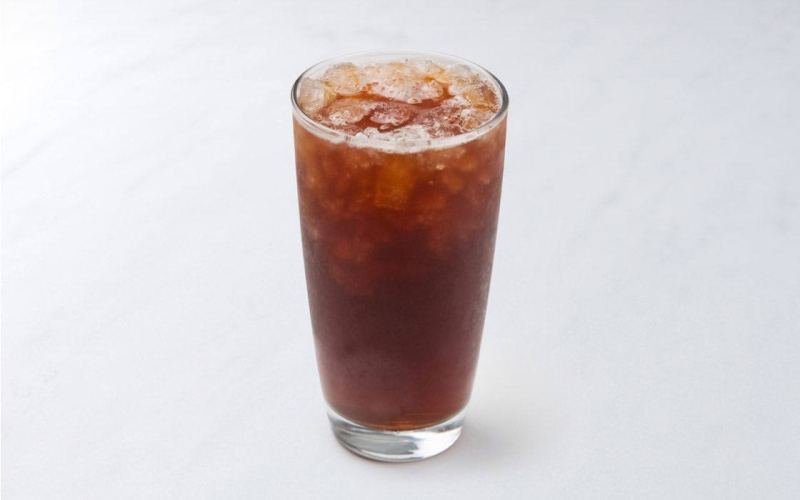
Making a delicious glass of iced black tea at home is actually not complicated—the key is simply striking the right balance among tea leaves, water, and time. This article will introduce two ways to make iced black tea: cold brewing and hot brewing. It will go over the steps for each, the types of tea they suit, and the occasions they are best for, and compare the flavor differences between the two methods. The article uses loose-leaf tea for demonstration, but tea bags work just as well. In addition, it will recommend oolong and herbal teas suitable for cold brewing, as well as Front Street Coffee's teaware and tea selections, to help you easily make a satisfying glass of iced black tea at home. [more…]
Why is Ceylon black tea mostly broken leaves? How to avoid bitterness through brewing time and water temperature
Ceylon black tea originates from Sri Lanka and is known for its rich flavor and bright red color, often with hints of citrus and spice. Many tea lovers find that the Ceylon black tea they bring home is broken-leaf, which is actually related to its positioning as a high-quality broken-leaf tea. Broken-leaf tea is more concentrated than whole-leaf tea and tends to contain more caffeine. When brewing, it is recommended to use boiling water and steep for 2 to 4 minutes; the longer the steep, the more caffeine is released. Ceylon black tea offers multiple health benefits, including improving digestion, reducing inflammation, boosting energy, preventing colds, relieving stress, and improving concentration. The Ceylon black tea recommended by Front Street Coffee is suitable for drinking on its own or pairing with milk to make lattes and milk tea. This article will provide a detailed analysis of Ceylon black tea's origin, caffeine content, health benefits, and proper brewing methods. [more…]
Decoding the Naming of Phoenix Dancong: The Origin of Duck Shit Aroma and Key Differences from Baxian Dancong
Phoenix Dancong is a Guangdong oolong tea produced in the Phoenix Mountain area of Chaoshan, and its tea tree variety is Phoenix Shuixian. In ancient times, each tree was made into its own tea with a confusing array of names, and later they came to be collectively called "Dancong." Its name is not just a gimmick: some are named by aroma type, some by leaf shape, some by size, some by place of origin, and some from a specific era and background. This article sorts out the naming basis of Phoenix Dancong, reviews the evolution of names from "Songzhong" and "Bird's Beak Tea" to Phoenix Shuixian, explains the origin and flavor characteristics of Duck Shit Aroma, and clarifies the difference between Duck Shit Aroma and Phoenix Baxian Dancong, helping coffee enthusiasts understand this type of tea with a clearer framework. [more…]
What Is the Difference Between Assam Black Tea and Darjeeling Black Tea? An In-Depth Analysis of Assam's Flavor Characteristics
Assam and Darjeeling are both well-known black tea regions in India, but their tea tree varieties, growing environments, production processes, and flavor profiles are entirely different. Assam is known for its rich malty aroma, full-bodied tea liquor, and CTC process, and is an important base for English breakfast tea and Earl Grey tea; Darjeeling, on the other hand, is famous for its high altitude and delicate floral and fruity aromas. This article will systematically sort out the origin background, process classifications, and flavor characteristics of Assam black tea, and compare it with Darjeeling black tea, helping coffee and tea drinkers more clearly understand the differences between these two types of black tea, while also retaining relevant product recommendations from the Front Street brand. [more…]
A Global Flavor Guide to Black Tea Regions: Assam vs. Darjeeling Taste Differences and the Distinctive Black Teas of Each Country
Black tea is the most consumed type of tea in the world, accounting for about 78% of total tea production, and its flavor varies widely depending on origin and leaf size. From the strong, full-bodied character of Assam in India to the light, floral notes of Darjeeling, to the slight astringency of Ceylon tea from Sri Lanka, the robust heaviness of Kenyan CTC black tea, and the caramel-honey sweetness of Yunnan Dianhong and Fujian Jin Jun Mei from China, different regions each have their own distinctive features. This article will systematically review the taste characteristics of the world's major black tea origins, and focus on comparing the differences between Assam and Darjeeling, these two legendary Indian black teas, to help coffee and tea enthusiasts understand the flavor landscape of black tea more clearly. [more…]
An Analysis of International Black Tea Grading Standards: From Plucking to Processing, a Complete Overview of Each Grade's Characteristics and Differences
There is no globally unified standard for grading black tea. Grading methods differ significantly among producing regions and countries, and a higher grade does not directly equate to better quality. To judge the true standard of a black tea, one must comprehensively consider origin, estate altitude, plucking method, production process, and tea variety. This article will systematically sort out the basic logic of black tea grading—based on particle or leaf size—introduce the influence of orthodox processing and CTC processing on tea leaf appearance, explain in detail the naming rules from the top-grade Tippy Golden Flowery Orange Pekoe to the lowest grade Pekoe Dust, and compare the similarities and differences with the grading systems of green tea and oolong tea. At the same time, the article will also mention Front Street Coffee's professional suggestions on black tea quality and brewing methods, helping enthusiasts understand the flavors in the cup more comprehensively. [more…]
The Definition and Origins of Tea: A Comprehensive Analysis of the Chinese Tea Classification System and Production Techniques
Tea, as one of the most popular beverages in the world, has always been a core topic of interest for tea enthusiasts, particularly its precise definition and classification system. This article will start from the essence of tea leaves, systematically outline the classification criteria for Chinese tea, trace the historical journey of tea from China to the world, and provide a detailed analysis of the complete production process from tea cultivation to leaf picking. Additionally, it will explain the differences between true tea and herbal teas, as well as the impact of key steps such as high-altitude cultivation and hand-picking on tea quality. Whether you are a coffee enthusiast just starting out or a seasoned drinker with extensive knowledge of tea culture, you will gain clear and professional insights from this. [more…]
A Detailed Guide to Loose-Leaf Tea Brewing Techniques: The Correct Steps and Key Selection Points for the Three Methods of Upper投, Middle投, and Lower投
To brew a delicious cup of loose-leaf tea, the order in which you add the tea leaves and the water matters a great deal. Traditional Chinese brewing methods fall into three categories: the top-drop method, the mid-drop method, and the bottom-drop method, each suited to tea leaves of different tenderness and form, and also closely tied to the season and air temperature. Experienced tea drinkers choose flexibly based on the type of tea, the age and tenderness of the leaves, and the air temperature. This article lays out the steps and precautions for all three methods, including key details such as the tea-to-water ratio, water temperature control, and timing for pouring off the liquor, along with practical photo demonstrations. Whether you have Biluochun, West Lake Longjing, or Huangshan Maofeng on hand, you can find a brewing plan that suits you and easily avoid common problems like over-steeping or leaves that refuse to sink. [more…]