







Search Results for: suffix
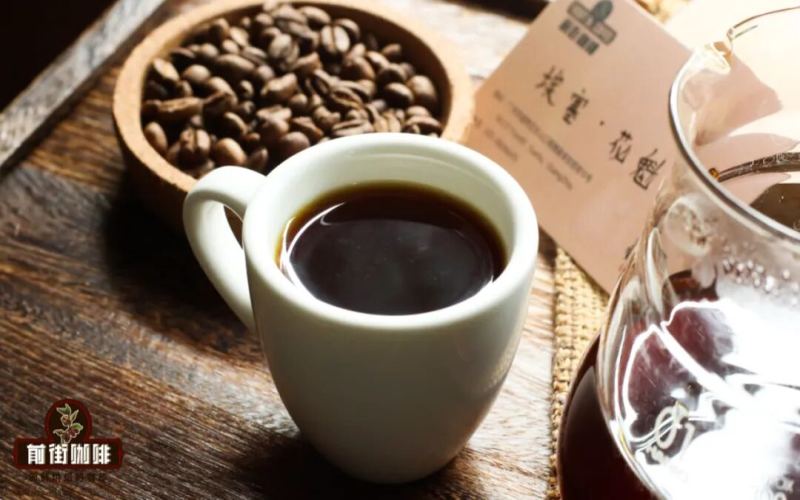
Ethiopian Huakui Coffee Beans | Are all coffees from Ethiopia's Hambela region called Huakui coffee?
This year marks the 9th year since "Huakui Coffee" rose to fame. If the previous naming conventions were followed, the Huakui released this year should logically carry a "9.0" suffix. But more than half the year has passed, and many friends have noticed that "Huakui 9.0" is almost nowhere to be seen on the menus of offline coffee shops! [more…]
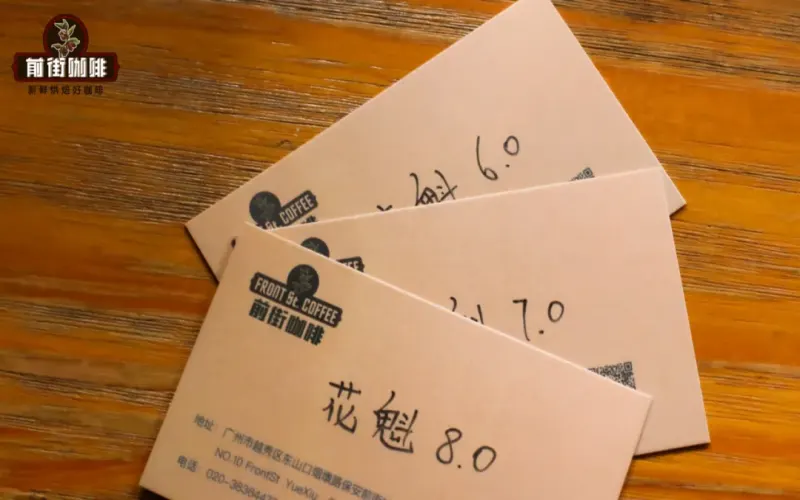
Why Is Geisha 9.0 Absent? The Origin of the Name Geisha X and an Analysis of the New-Season Geisha Flavor
The 2024 new-crop Huakui has already quietly hit the shelves, but many coffee enthusiasts have noticed that "Huakui 9.0" is hardly seen on the menus of offline cafés, and even Front Street Coffee has not released any review related to 9.0. Could it be that there really is no Huakui 9.0 this year? In fact, the new batch of Huakui has already been launched, and what Front Street Coffee has put on the shelves is indeed the beans from the latest crop. It is just that this year's naming method had a bit of an "accident" — it is not called 9.0, but "Huakui X." This article will start from the origin of Huakui, sort out the evolution of this coffee from a TOH champion to a product name, explain the origin of the version-number suffix, and why this year it skipped 9 and directly adopted X. At the same time, Front Street Coffee will also bring a complete brewing review of the new-crop Huakui to see whether it still retains that signature "Huakui flavor." [more…]
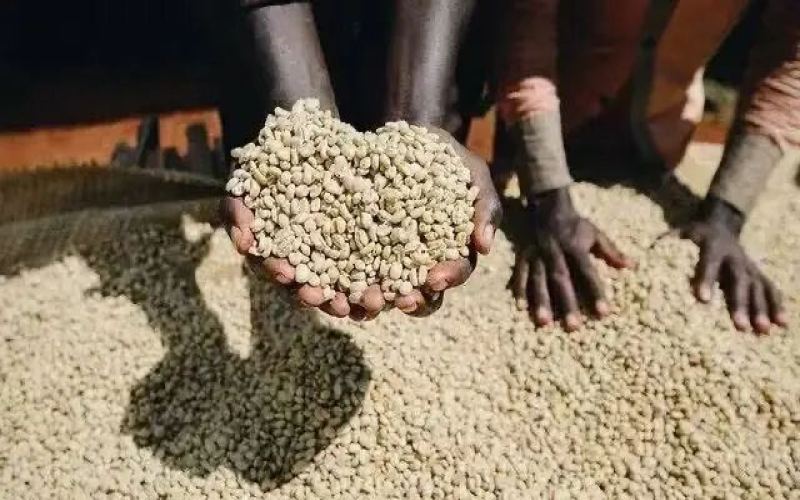
kenya coffee|What do Kenya coffee AA, AA+, and Top mean? What are the green bean grading standards for Kenyan coffee?
Friends who frequently buy coffee beans will surely notice that most coffee bean names are followed by English suffixes such as AA and AB. This is especially true for Kenyan coffee beans—Kenya AA, Kenya AB, Kenya PB, Kenya AA+, Top, and so on. "So what do these suffixes mean? [more…]
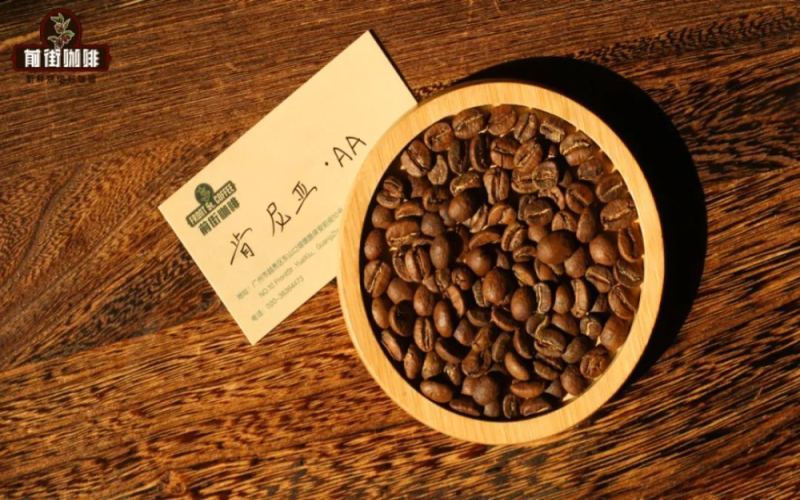
Basis and Characteristics of AA and AAA Coffee Bean Grading: A Full Analysis of Grading Standards in Kenya and Other Origins
When selecting coffee beans, have you ever noticed the AA or AAA labels that often follow the bean names? What exactly do these letters mean, and by what standards are they determined? This article will systematically sort out the coffee bean grading system, from bean size and defect rate to secondary rating labels, guiding you through the specific rules behind suffixes such as AA, AAA, TOP, and Plus. At the same time, the article will also cover the grading characteristics of major producing regions such as Kenya, and retain relevant recommendations from the Front Street brand, helping you make clearer judgments when choosing beans in your daily life. [more…]
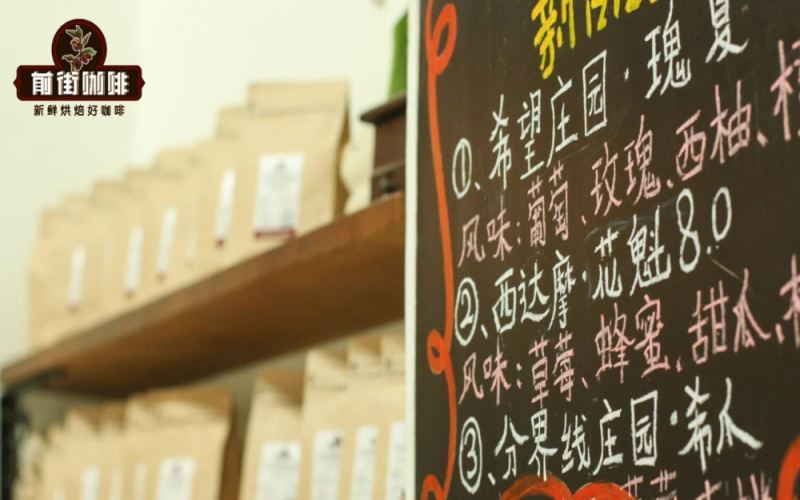
A Complete Analysis of the Reasons Behind the Yearly Version Changes of Huakui Coffee Beans and the Adjustments to the Roasting Curve
The naming convention of Huakui coffee beans is truly unique in the specialty coffee world, as it hits the market with a new version number every year. Behind this lies not only the evolution of producing regions and processing methods, but also the influence of climate and processing details on flavor. This article will trace the complete lineage of Huakui from the Hambela region's natural G1 to the version-suffixed editions, analyze the flavor differences across batches from different years, and share Front Street Coffee's practical recommendations for roasting and brewing. This will help coffee enthusiasts gain a more systematic understanding of this bean's origins and development, as well as how to highlight its signature tropical fruit notes by adjusting the roasting curve. [more…]
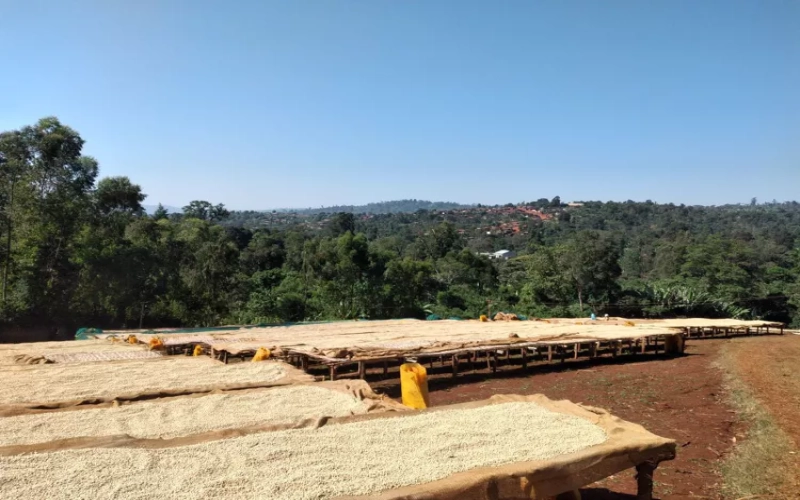
What grade do Yirgacheffe coffee beans belong to? A full breakdown of flavor differences from Huakui and processing methods
Yirgacheffe and Huakui are both representatives of Ethiopian specialty coffee, but the two differ in their region of origin, grading, processing methods, and flavor profiles. This article starts with the growing conditions and cooperative system of Yirgacheffe town, sorts out the influence of washed and natural processing on flavor, and compares the differences between Front Street Coffee's Yirgacheffe and Front Street Coffee's Huakui in aroma, acidity, and body. It also introduces the origin of the batch suffix in Huakui and its SOE performance, [more…]
How to Adjust the Roast Profile for Hualkui Coffee Beans? A Detailed Guide to Light Roast Techniques and Brewing Parameters for Sidamo Natural G1
Huakui is the commercial name for a naturally processed G1 coffee bean from the Hambela region. Each year, it is distinguished by batch with an X.0 suffix, and its flavor is known for tropical fruit and berry sweetness. This article reviews Huakui's origin traceability, processing methods, and version evolution, and shares Front Street Coffee's approach to adjusting the light roast curve: charging at 190°C, about 6 minutes to dehydration and yellowing, first crack at around 9 minutes 50 seconds, development time controlled at 1 to 1 minute 30 seconds, and drop within 11 minutes, in order to preserve floral and fruity aromas as much as possible. It also provides V60 three-pour brewing suggestions, including a water temperature of 92 to 93°C, a 1:15 coffee-to-water ratio, and a grinding reference, to help coffee enthusiasts recreate Huakui's rich aroma and long finish at home. [more…]
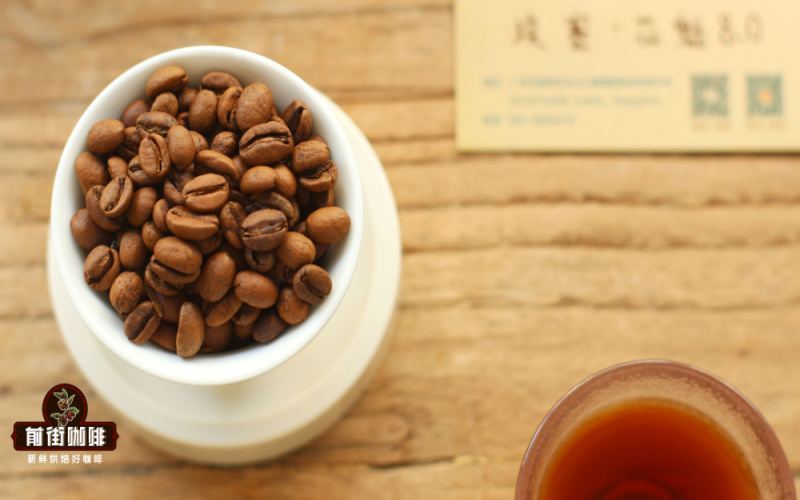
Huakui SOE Flavor Analysis: Is Sidamo Huakui 8.0 Sour or Bitter? Americano or Latte—Which Tastes Better?
In recent years, Luckin Coffee's SOE Huakui has been a pleasant surprise for many coffee lovers—it has no obvious bitterness when drunk, but instead carries a bright fruity acidity, with a rather unique mouthfeel. Many people are therefore curious: what exactly is this bean, and can the same flavor be recreated at home? This article revolves around "SOE Huakui," first explaining the concept of SOE and the origin background of Huakui coffee, then clarifying the meaning of the suffix numbers in the Huakui series (such as 5.0, 7.0, 8.0), and finally using Front Street Coffee's Sidamo Huakui 8.0 as an example to provide the complete extraction parameters and operating steps for SOE espresso, along with sharing how to make it into a refreshing Americano or a smooth latte. [more…]
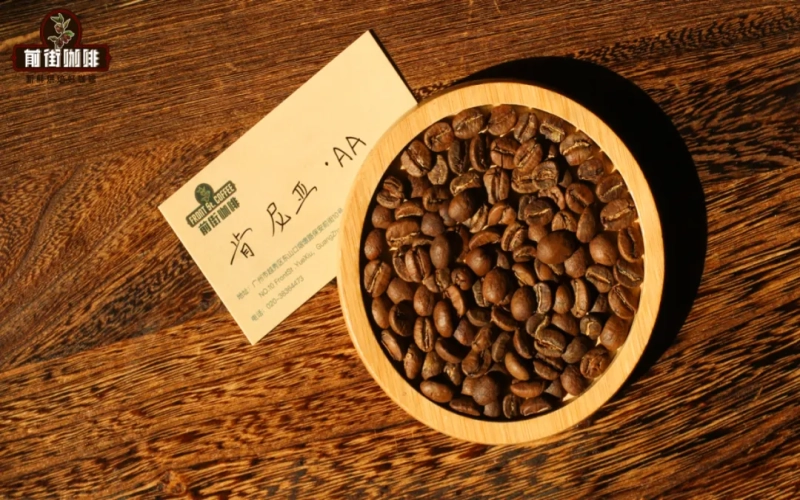
Analysis of the Differences Between AA and AB Grades of Green Coffee Beans: A Full Interpretation of Kenya's Grading System and Three Major Grading Systems
In East African coffee-producing countries, coffee bean names from Tanzania, Uganda, and even Kenya often carry the suffix AA. What exactly does this letter combination mean? It represents the grade classification of green coffee beans. However, grading methods across global coffee origins are not limited to just one type; besides bean size, there are also different standards based on defect rate, growing altitude, and more. This article will take Front Street's perspective to systematically outline the three major green coffee bean grading systems, with a focus on analyzing Kenya's strict size-based grading system—from AA, AB to PB, E, TT, T, and even MH/ML, detailing the specific classification standards for each grade, while also pointing out the obvious limitations of judging quality by size. [more…]
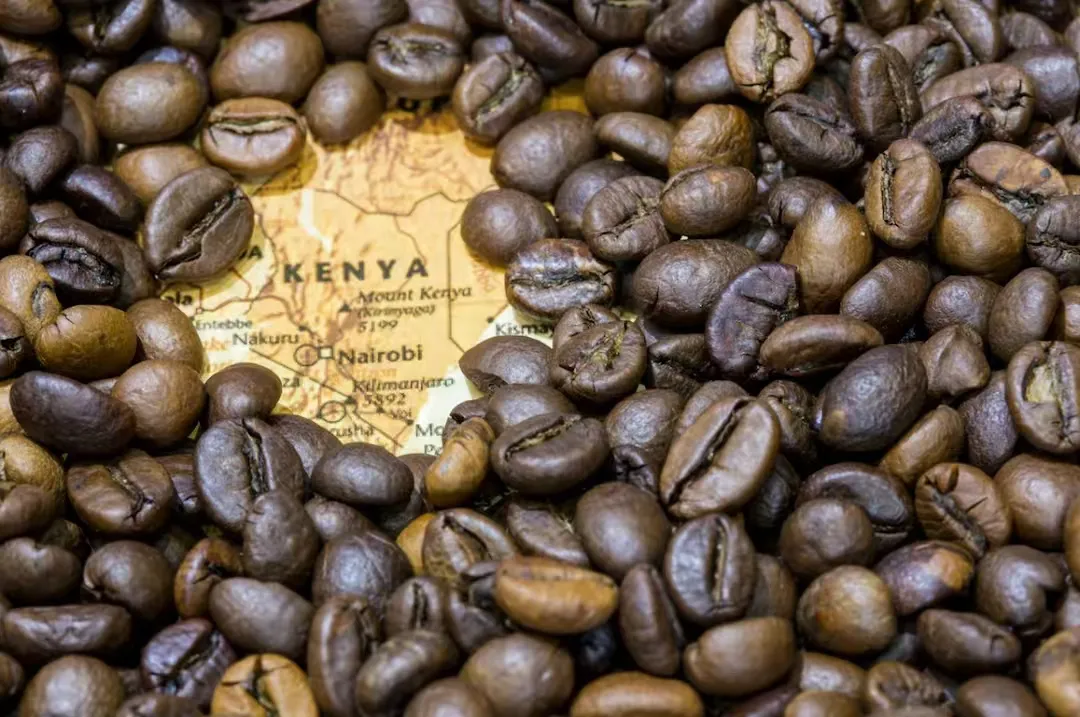
Coffee Bean Names and Their Meanings | How Are Green Coffee Beans Named? Which Coffee-Producing Regions Do Yirgacheffe, Bourbon, Geisha, and Mandheling Come From?
Years ago, coffees were named quite simply, mostly just after the region where the producer was located. For example, coffee from Yirgacheffe was called Yirgacheffe coffee, coffee from Honduras was called Honduras coffee, coffee from Brazil was called Brazil coffee... But [more…]
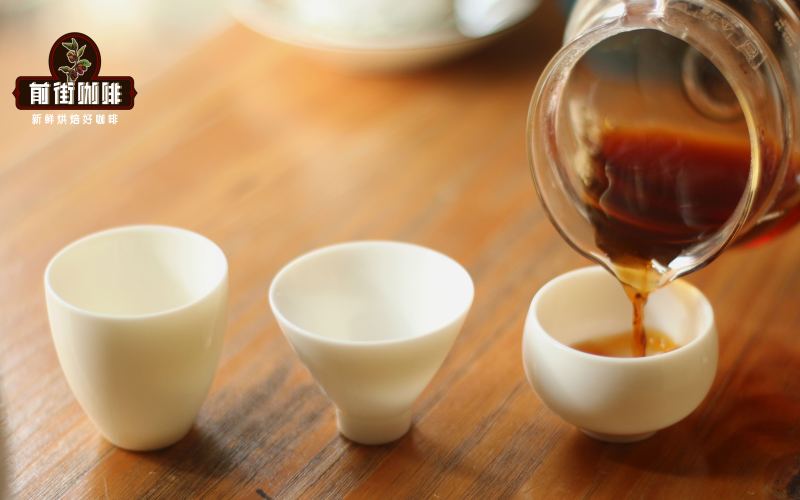
Flavor Analysis of Natural Process Sidamo Guji Huakui Coffee Beans: A Complete Guide from Hambela Estate to G1 Processing
As a representative of Ethiopian natural-process beans, Geisha coffee has captured the taste buds of many coffee lovers with its rich floral and fruity aroma and honeyed sweetness. This article provides a comprehensive analysis of the growing region background, origin of the name, variety characteristics, grade standards, and processing techniques of natural Sidamo Geisha, and shares Front Street Coffee's brewing recommendations. From the first-generation Geisha that won the TOH championship in 2017, to the batch suffixes that have changed year by year, and further to the traceability information of the Buku Abel processing station in the Hambela region, this one article will help you fully understand this specialty coffee that is as sweet and fragrant as fruit tea. [more…]
Ethiopian Sidamo Natural Hunkute Coffee Flavor Analysis: From Hambela Region to Front Street Brewing Recommendations
Ethiopia is the birthplace of Arabica coffee, and its specialty coffees are renowned for their bright floral and fruity character. The sun-dried Huakui coffee from the Sidama region, with its rich fruity sweetness and honey finish, has become a favorite among many coffee enthusiasts. This article will introduce, one by one, the origin of the name Huakui, the traceability information of the Hambela estate, the geographical and varietal characteristics of the Sidama region, Ethiopia's coffee grading system, and Front Street Coffee's sun-drying process and brewing parameters. It will also cover the evolution of the batch suffixes of Huakui, the essence of the Heirloom native variety, and Front Street's commitment to fresh roasting and brewing details, helping readers fully understand the flavor sources and tasting points of this coffee. [more…]
Why is Yirgacheffe coffee so highly favored? A full analysis of its producing region, grades, varieties, and pour-over grinding parameters
Yirgacheffe is one of Ethiopia's most representative specialty coffee regions, known for its bright citrus acidity, abundant white floral aromas, and honey-like sweetness. This article starts from the geography of the region, the cooperative system, variety characteristics, and the differences between washed and natural processing methods, systematically sorting out the sources of Yirgacheffe's flavor, and provides specific extraction parameters such as pour-over grind size, water temperature, and coffee-to-water ratio. It also compares the differences between Front Street Yirgacheffe and Front Street Sidamo Flower Queen, two Ethiopian beans, to help coffee enthusiasts understand the unique charm of this region more comprehensively. [more…]
Why is Yirgacheffe so highly favored? A detailed explanation of its origin terroir, processing methods, and pour-over grinding key points
Yirgacheffe is one of Ethiopia's most iconic specialty coffee regions, renowned for its bright citrus acidity and rich white floral aromas. This article provides a systematic analysis of the flavor sources of Yirgacheffe coffee beans from the perspectives of regional geography, the cooperative system, washed and natural processing methods, and heirloom variety characteristics, and offers Front Street Coffee's pour-over parameter recommendations for Yirgacheffe. At the same time, the article also compares it with Front Street Coffee's Huakui coffee beans, which also belong to the Ethiopian family, helping readers clarify the differences between the two in terms of origin, processing method, and flavor performance, so that suitable references can be found whether for daily pour-over or espresso SOE. [more…]
A Complete Guide to PEKOE Black Tea Grades: Why Are Most Top Ceylon Black Teas Broken Teas? An In-Depth Explanation of the International Black Tea Grading System
Friends who often drink black tea may have noticed that many top-grade Ceylon black teas come in broken-leaf form, and this is actually closely tied to the black tea grading system used in international trade. The term PEKOE originates from Fujian pekoe in China and was later adopted by British tea merchants as a designation for black tea grades. From whole-leaf tea to broken tea to tea dust, the international black tea grading system is detailed and rigorous: abbreviations such as FOP, GFOP, TGFOP, BOP, and FBOP each have their own meanings, and numerical suffixes also indicate differences in quality. This article will systematically sort out these grading terms to help you understand the letter combinations on packaging the next time you buy Ceylon black tea or Assam black tea, so you can find the one that suits your taste. It will also introduce Front Street Coffee's understanding of black tea selection for enthusiasts' reference. [more…]
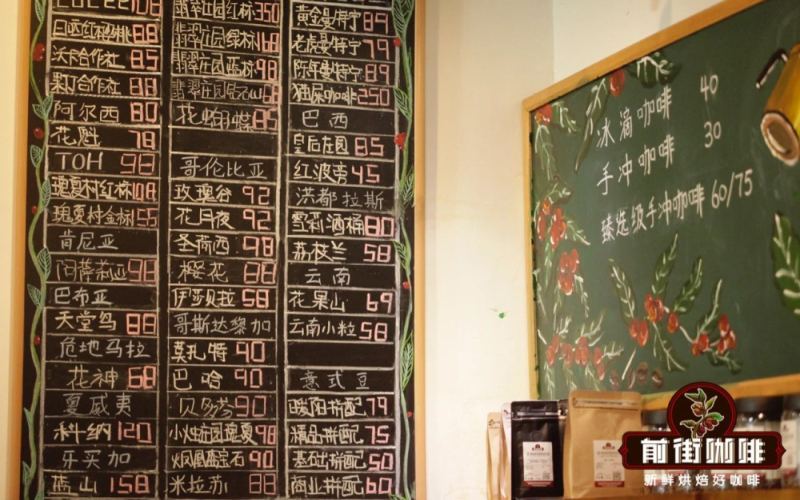
A Full Analysis of Single-Origin Coffee Bean Naming Rules: The Naming Logic from Origins and Competition Titles to Estate Brands
Step into Front Street Coffee, and faced with the long and short names on the bean list, many coffee lovers can't help but wonder: where exactly do these names come from? This article systematically sorts out the several mainstream naming methods for single-origin coffee beans—naming by producing region or producer, naming by green bean competition titles, naming by estate product lines, and the historical origins of the special name Mandheling. It also explains the meanings of common suffix letters and numbers such as G1, AA, and SHB, helping you understand the information behind the bean list and shop with greater confidence. [more…]
The Naming Logic of Mandheling Coffee Beans and a Guide to Identifying the Four Major Categories: A Complete Interpretation from Region to Grade
Walking into Front Street Coffee and facing a dazzling array of coffee beans, many coffee lovers feel completely lost. What exactly gives these coffee beans the right to be named this way? This article will systematically sort out the naming rules for single-origin coffee beans from the perspectives of origin naming, competition titles, estate brands, and processing methods, and will focus on breaking down the four major subtypes of Mandheling coffee—Lintong Mandheling, Golden Mandheling, Tiger Mandheling, and Aged Mandheling—to help you quickly distinguish the differences when buying. At the same time, the article will also explain the grading meanings represented by common suffixes such as G1, AA, and SHB, so that you can understand the information behind coffee bean labels at a glance. [more…]
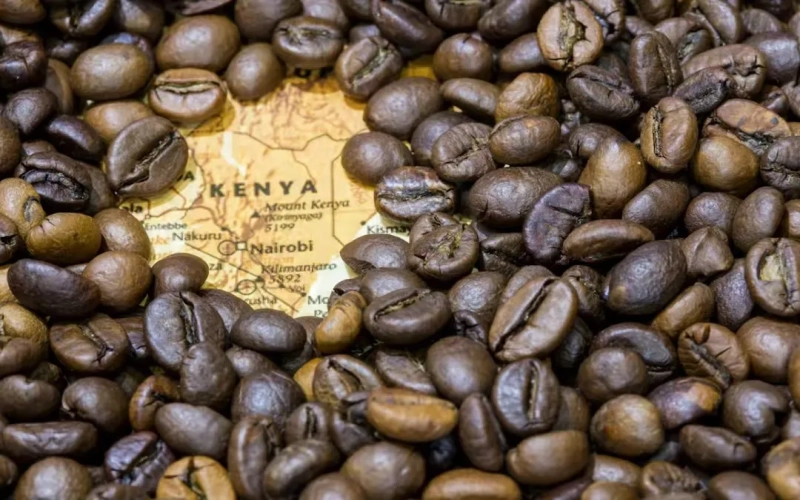
A Complete Analysis of Coffee Bean Naming Logic: From Yirgacheffe to Mandheling, Understanding the Meaning Behind Bean Names
Faced with a dazzling array of coffee bean names—Geisha, Huakui, Guodingding, Cherry Tomato... those new to specialty coffee are often bewildered. Some of these names come from the place of origin, some from the variety, and others carry special meanings. This article systematically sorts out the naming logic of coffee beans, from the early practice of naming by place of origin to today's evolution of "region + micro-region/producer/variety/trade name," combining specific examples from Front Street Coffee's bean list to help readers understand the information behind each bean's name. The article also specifically explains the meaning of Yirgacheffe and the origin of the name Mandheling, so that coffee lovers will no longer be confused when making purchases. [more…]
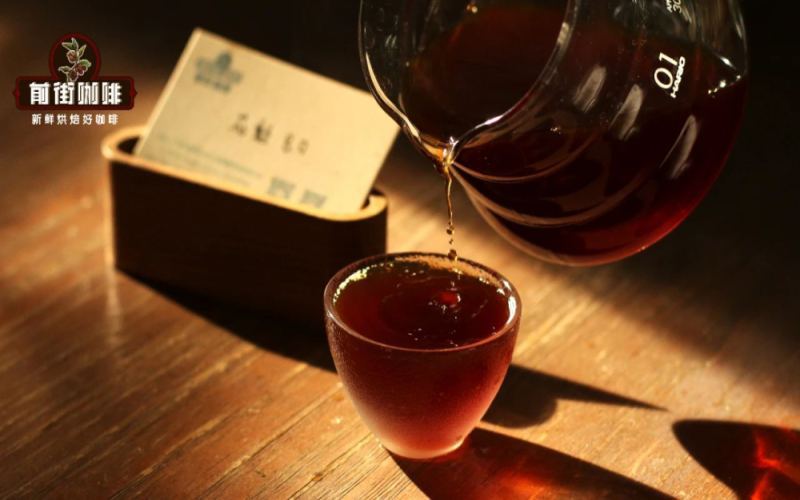
Sidamo Flower Queen Pour-Over Full Guide: Filter Cup Selection, Extraction Parameters, and Three-Pour Brewing Practice
As a highly popular Ethiopian natural bean in recent years, Geisha has won the favor of many coffee lovers with its bright citrus and berry notes and juicy sweet-tartness. But with the same bean, changing to a different dripper or adjusting a set of parameters can produce a drastically different cup profile. From the perspective of Front Street Coffee, this article first outlines Geisha's origin background and version naming logic, then uses the V60 dripper as an example to provide a complete brewing recipe and staged pouring details to help you more consistently reproduce this bean's flavor characteristics. [more…]
An Analysis of Sidamo Huakui Coffee Flavor Characteristics, and a Comparison Guide to Brewing with V60 vs. Cake Filter
In recent years, sour coffee has gradually gained popularity. Today, Front Street Coffee wants to talk with you about the famous Huakui from the Sidamo region of Ethiopia. It comes from Guji Hambela and is a naturally processed G1-grade specialty bean. With bright citrus and berry notes, a juicy sweet-and-sour taste, an affordable price, and a very high extraction fault tolerance, it quickly became the entry-level first choice for many coffee lovers. But what exactly do the numbers often following Huakui, such as 5.0, 7.0, and 8.0, represent? And what flavor differences arise when brewing the same bean in different drippers? This article will first introduce Huakui's origins and version evolution, then compare the stylistic differences between the V60 and the cake dripper through hands-on brewing. [more…]