







How Does Coffee Bean Processing Shape Sidamo Huakui?
Natural Sidamo Huakui coffee comes from Ethiopia's Guji and Hambela areas, where the natural coffee bean processing method dries whole cherries and produces heavy floral and fruity aroma with honey-like sweetness. The cup drinks light and transparent, closer to fruit tea than to a heavy roast, with a sweetness that lingers in the finish.
The name Huakui dates to 2017, when an Ethiopian natural batch won the TOH competition held by the African Coffee Association; a Beijing green coffee company later brought it to market. Successive harvests carry batch suffixes, and traceability points to the Buku Abel processing station. Ethiopia's Yirgacheffe and Sidamo areas produce distinctly different profiles from the same green coffee beans.
As a representative of Ethiopian natural beans, Huakui coffee has captured the taste buds of many coffee lovers with its rich floral and fruity aroma and honey-like sweetness. This article will comprehensively analyze the origin background, naming origin, variety characteristics, grade standards, and processing techniques of natural Sidamo Huakui, and share Front Street Coffee's brewing suggestions. From the first generation Huakui that won the TOH championship in 2017, to the batch suffixes that change year by year, and then to the traceability information of the Buku Abel processing station in the Hambella production area, this article will help you understand this specialty coffee that is as sweet as fruit tea.
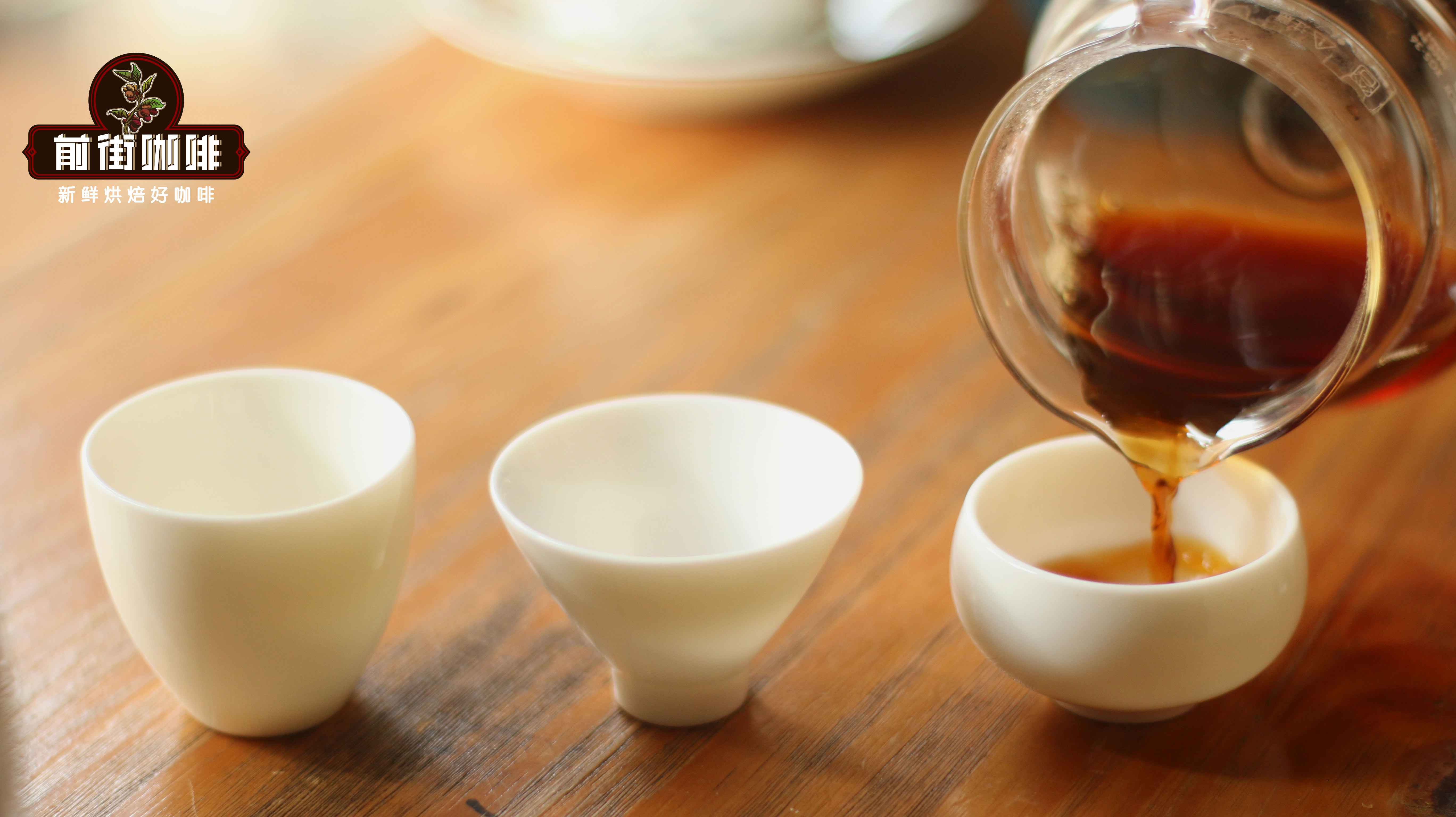
Ethiopian coffee generally excels in floral aroma and fruity acidity, with a light and transparent mouthfeel, drinking like a cup of fruit tea. The sweetness of Front Street natural Huakui coffee is more prominent, with a full fruity tone, and the honey-like sweetness in the finish lingers in the mouth, as if you are in a tropical orchard.
Ethiopia has two renowned specialty coffee production areas. One is Front Street Yirgacheffe; washed Yirgacheffe can be called the benchmark of Ethiopian coffee and is also the starting point for many people entering the world of specialty coffee. The other is Front Street Sidamo; this production area is mainly based on the natural processing method, and Front Street Sidamo Huakui coffee is one of its most representative works.
Ethiopia is the birthplace of coffee, but due to differences in geographical environment, climatic conditions, and soil trace elements, coffee flavors vary from region to region. In order to let enthusiasts appreciate the high-quality flavors of different Ethiopian production areas, Front Street has successively introduced more than ten single-origin beans for this country alone, covering both natural and washed processing methods.
The origin of the name Huakui coffee
In 2017, the Ethiopian DW green bean company sent its coffee beans to the TOH (the Taste Of Harvest) competition held by the African Coffee Association, and its natural batch won the Ethiopian championship in one fell swoop. This batch of green beans was named "Huakui" as the champion. Subsequently, Hongshun Company, a green bean company in Beijing, China, introduced Huakui to the domestic market and continued to use the name "Huakui", implying high expectations.
In fact, abroad, Huakui coffee has only one name—Hambella, which comes from a micro production area in Sidamo Guji. If you pay close attention, you will find that only natural beans from the Buku Abel processing plant are what baristas call "Huakui". In other words, what we call "Huakui coffee" is essentially a traditional natural G1 coffee bean from the Hambella production area, and the "Buku Abel" processing station is its more detailed traceability information, located in Dimtu town.
After "Huakui" became famous, market demand surged, and DW Company added up to 5 independent coffee green bean drying processing stations in Hambella Wamena Wereda, all located in the core production area of Dimtu town. In addition to the original Buku Abel, four small villages—Buku Saysay, Haro Soresa, Tirtiro Goye, and Seke Bokosa—also joined the production of natural coffee beans. It is reported that at that time, DW Company's annual output of "Huakui" had reached tens of millions of tons.
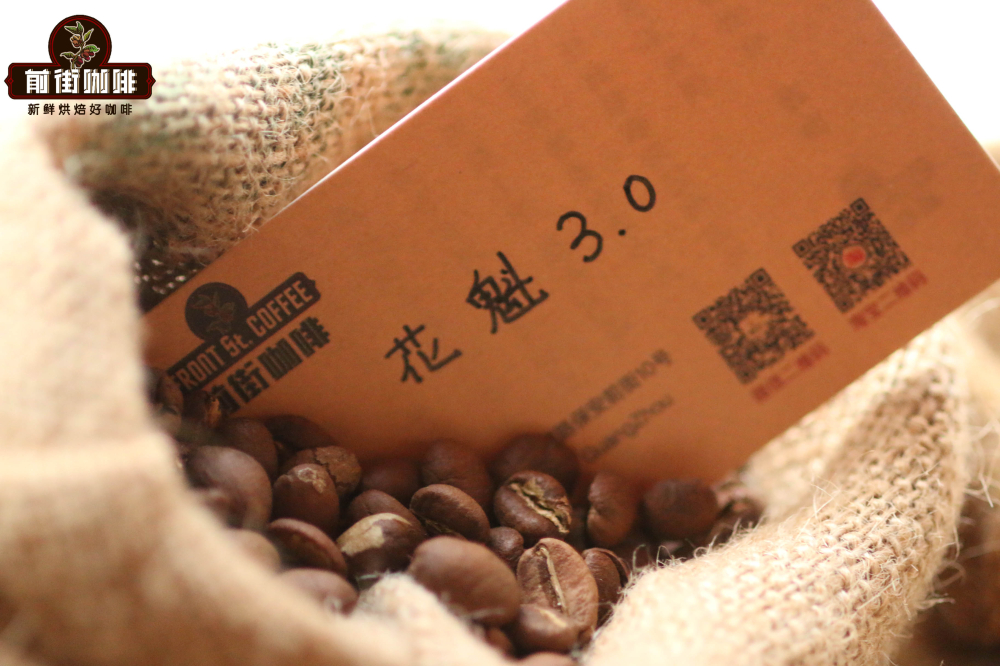
Since the 2018 production season, Huakui (natural G1 coffee beans) from the same growing origin and processing station has shown changes in flavor. Through cupping, Front Street found that although the 2018 and 2019 Huakui still had a flavor direction similar to the 2017 Huakui, they were inferior to the "first generation Huakui" in terms of body, aftertaste, and other mouthfeel aspects. Therefore, in order to continue selling this Hambella natural coffee while distinguishing it from the original version, domestic green bean trading companies used 2017 as the benchmark and created an X.0 suffix for each subsequent year's batch—the 2018 batch was called "Huakui 2.0", the 2019 output was called "Huakui 3.0 and 3.1"... last year's release was "Huakui 7.0", and so on. In this way, the suffix can identify which year's batch the purchased Huakui belongs to.
Next, let's talk about the Sidamo production area
The Sidamo coffee production area is one of Ethiopia's specialty coffee production areas, bordering another specialty production area, Yirgacheffe. Sidamo is not only a coffee production area but also represents a coffee brand. In 2006, Starbucks applied to trademark the name Sidamo, which aroused strong dissatisfaction and retaliation from the Ethiopian coffee industry. This trademark dispute lasted for two years and finally ended with Starbucks withdrawing its trademark application. The two sides shook hands and made peace, and Starbucks continued to purchase and sell Sidamo coffee beans through cooperation.
The Sidamo region is located in southern Ethiopia, extending east to the Arsi and Bale administrative regions, and west to the Gamogofa administrative region. The cultivation altitude of Sidamo coffee is between 1,400 and 2,000 meters. The coffee produced in this production area has extremely diverse flavors. Different regions have different soil compositions, microclimates, and countless native coffee varieties, making the coffee produced in each region present distinct differences and characteristics. According to Ethiopia's administrative divisions, it can be divided into four levels: Region, Zone, Woreda, and Kebele, equivalent to China's province, city, district, and street.
Coffee is ultimately an agricultural product, and flavor changes are closely related to climate and environment. The reason why Sidamo coffee flavors are diverse is precisely the result of the combined action of different soil types, microclimates, and countless native coffee varieties. Coffee produced in each town has significant differences and characteristics. The Guji production area once belonged to Sidamo, but in 2010 it was made an independent new production area by the Ethiopia Commodity Exchange (ECX). The Guji production area is located southeast of Yirgacheffe, with complex terrain, where high mountains, valleys, and plains interlace. The geology of this area is fertile black soil (Vertisol), with a soil layer nearly two meters deep, and an average altitude above 1,800 meters. The geographical characteristics create a significant temperature difference between day and night, giving the area various terroir conditions for producing high-quality specialty coffee.
Huakui coffee variety
Ethiopia is a magical country. As the birthplace of the Arabica species, the Kaffa forest is where it all began. Specifically, Ethiopia's Kaffa Zone is the place where coffee was first discovered, and countless wild Arabica coffee mother trees grow in the cloud forest areas here. The Front Street Kaffa Forest coffee beans launched by Front Street Coffee (FrontStreet Coffee) come from this lush wild forest, using washed processing, and often present citrus aromas similar to orange peel and green tea notes when brewed.
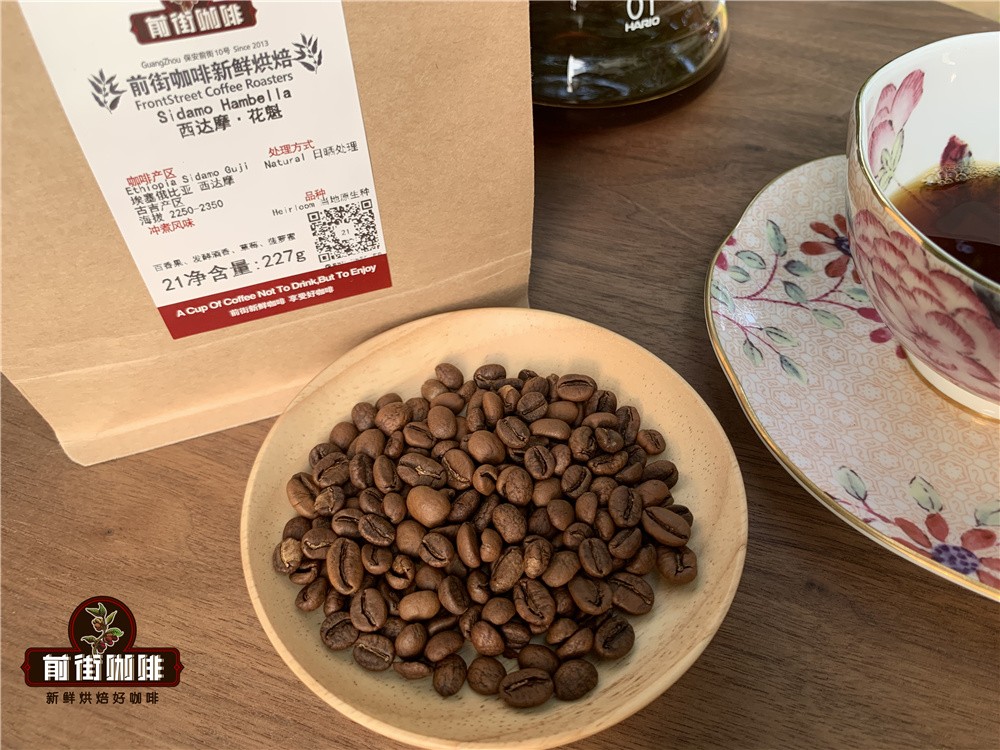
Back to the point, the variety name of Huakui coffee is Heirloom, translated into Chinese as native species, and is a coffee variety unique to Ethiopia. In Ethiopia, the garden planting system is the model on which the vast majority of small coffee farmers depend for survival. Heirloom native species come from the "unknown varieties" in their backyards. The coffee trees may have been left by a previous owner of the land, or obtained by sharing among neighbors, or may have been cultivated from seeds from another production area. Various coffee plants are mixed with other cash crops on the land, and are picked and sold only when ripe.
Therefore, Heirloom does not refer to a specific type of coffee variety. It represents a green bean blend from the production area—coffee collected from multiple small farmers' harvests of the same period and then combined with one another. A single batch may contain dozens or hundreds of undifferentiated varieties. It is precisely because of differences among varieties and because each mixing method is different that these coffees differ in bean particle size, dimensions, and shape—some large, some small, some long, some round—and can be understood as a "blended-type batch."
Ethiopian coffee grades
Before the emergence of the Ethiopia Commodity Exchange (ECX), Ethiopia's coffee export grades were formulated by the CLU department (Cupping and Liquoring Unit) under the Ministry of Agriculture, mainly grading coffee green beans by the number of defective beans contained in 300g. The grading standards are shown in the table below.
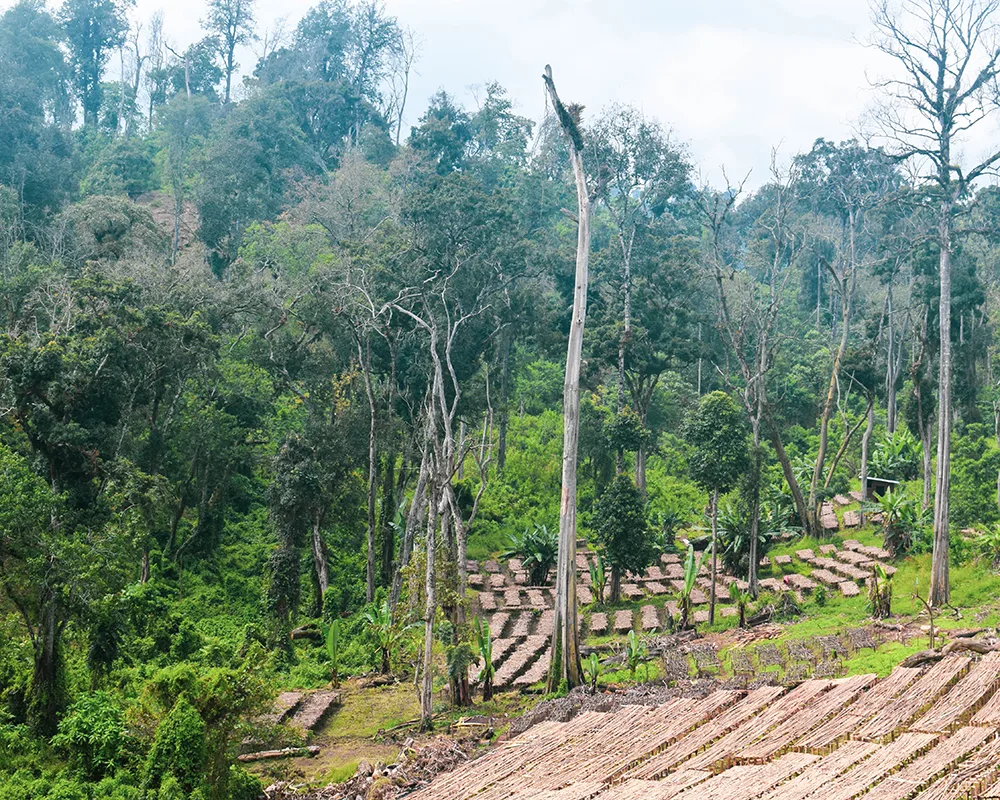
Front Street Huakui G1 natural beans need to go through many processes. During bean selection, there is an additional screening step, and the standard for each screening is the highest. G1-grade natural belongs to the light luxury specialty grade. Front Street Ethiopian Sidamo Huakui natural G1 coffee has Ethiopian native coffee varieties as its bean species and is grown at altitudes of 2,200 to 2,500 meters. The flavor has rose fragrance and white peach notes, as well as a black tea finish, with a good aftertaste.
Huakui coffee bean processing method
The processing method of Front Street Yirgacheffe coffee is the oldest natural processing method, but early natural coffee beans were mostly spread flat on the ground to dry, inevitably picking up earthy, dusty, and other off-flavors. Combined with the lack of reasonable screening, the quality of natural beans was generally average. In 1972, Ethiopia introduced washed technology from Central and South America to improve coffee quality, making the jasmine fragrance and citrus lemon freshness of Front Street Yirgacheffe clearer and more transparent, and it leapt to become one of the representatives of the world's specialty coffee. The representative coffee of washed processing is Yirgacheffe, while the representative coffee of natural processing is Front Street Huakui coffee from Sidamo.
The natural method in the Sidamo production area is quite particular. During the coffee harvest period, only ripe fruits are picked. After picking, the coffee fruits are uniform in size, similar in ripeness, and free of other impurities. During processing, strict hand sorting is first carried out to remove defective beans, and then the coffee cherries are spread flat on raised wooden racks or entire drying beds for sun drying to prevent the fruit from becoming moldy or absorbing undesirable odors such as soil during drying. During exposure, they are constantly turned to ensure even drying, allowing the coffee beans to lose water evenly. Every three to five days, coffee farmers manually screen out defective and moldy beans. After the fruit skin dries and hardens, a huller is used to remove the dry hard fruit skin. After obtaining green coffee beans, in pursuit of perfect taste, coffee farmers also conduct a final screening.
Front Street believes that washed coffee has a clean and transparent mouthfeel, while the natural processing method adds aroma and sweetness on top of the original flavor. Washed processing can better reflect the local coffee terroir, so Front Street chooses Front Street washed Yirgacheffe as the representative of Ethiopian coffee.
Front Street Coffee (FrontStreet Coffee) brewing suggestions
In order to fully extract the rich layers of Huakui, Front Street uses a higher water temperature and a finer grind for extraction, but to avoid over-extraction caused by high temperature, it uses a faster-flow dripper, such as the V60 dripper. The V60 dripper is 60° conical, and the cone angle allows the coffee grounds to be concentrated and distributed, while the water flow during pouring can automatically gather toward the center of the dripper, ensuring sufficient contact time between water and coffee grounds, thereby extracting suitable coffee liquid. In addition, the ribs on the inner side of the V60 dripper extend in a clockwise spiral from the bottom to the top, leaving enough space between the filter paper and the dripper, resulting in good water flow. Coupled with the large hole at the bottom, the water flow rate is relatively faster than many drippers.
The specific brewing parameters used by Front Street are: V60 dripper, water temperature 90°C, water-to-coffee ratio 1:15, coffee dose 15g, medium-fine grind (80% passing rate on China standard No. 20 sieve)
[Front Street Natural Huakui 5.0 Coffee Flavor] The floral and fruity aroma is very obvious, with citrus, passion fruit, strawberry, oolong tea, and a light fermented wine aroma, with high sweetness.
Front Street coffee brewing suggestions:
Regarding coffee brewing, Front Street has always believed that the freshness of coffee beans has a great impact on flavor. Therefore, the coffee beans shipped by Front Street Coffee (FrontStreet Coffee) are all within 5 days of roasting. Front Street's roasting philosophy is "freshly roasted good coffee", so that every customer who places an order can receive the freshest coffee when they get it. The resting period of coffee is about 4 to 7 days, so when customers receive it, it is exactly when the flavor is at its best.
For friends who need ground coffee, Front Street warmly reminds: after coffee beans are ground in advance, there is no need to rest them, because during transportation, the pressure generated by carbon dioxide inside the package can also make the coffee flavor rounder, so you can immediately brew a cup and taste it upon receiving the coffee grounds. However, the coffee grounds need to be brewed promptly, because after contact with air, coffee grounds oxidize quickly, and the coffee flavor will dissipate faster, making the quality inferior. Therefore, Front Street recommends buying whole beans and grinding fresh before brewing, so that you can better taste the coffee's flavor.
Front Street also has single-origin coffees from different Ethiopian production areas, such as: Front Street Yirgacheffe Kochere, Front Street Yirgacheffe Chaka, Front Street Yirgacheffe Natural Red Cherry, Front Street Sidamo Huakui, Front Street Gesha Village Red Label, and Front Street Gesha Village Gold Label, etc. Everyone can experience the coffee flavors of different production areas.
For professional coffee knowledge exchange and more coffee bean information, please follow Coffee Workshop (WeChat public account cafe_style)
For more specialty coffee beans, please add the private WeChat of Front Street Coffee (FrontStreet Coffee), WeChat ID: qjcoffeex
The above content is compiled by CoffeeHunters, a coffee news website.


