







How Can Pour-Over Coffee Show More Sweetness?
Sweetness in coffee is a flavor perception rather than a taste-bud sensation, and it can be made more pronounced in pour-over brewing by adjusting the pouring method and flow rate to extract more sweet and acidic compounds within a limited time. A slower, controlled pour keeps the water in contact with the grounds long enough to draw out those substances without adding bitterness.
Most of the sugar-like sweetness comes from aroma compounds, not actual sugar. In green coffee beans, sucrose and polysaccharides make up about fifty percent of the total weight, but the sucrose-type substances that truly bring sweetness are only about eight percent. After roasting, sucrose caramelizes, so the sweet notes depend on smell. Beans such as Ethiopia Huakui, Geisha, Sidamo, and Yirgacheffe carry honey, fruit candy, or caramel aromas that support this effect.
Many people think that black coffee is only bitter and sour, but in fact a good cup of coffee can also bring a surprising sweetness. This sweetness does not come from added sugar, but from the transformation of flavor compounds in coffee beans after roasting and from olfactory perception. This article starts from Front Street's analysis of the components of green coffee beans, explains the principle behind the emergence of sweetness, and recommends coffee beans with sweet aroma styles such as honey, sucrose, and caramel according to roast level. Finally, taking Ethiopia Huakui as an example, Front Street shares a pour-over plan that increases the extraction of sour and sweet substances within a limited time by adjusting the pouring method and flow rate, helping you brew a coffee with rich layers and prominent sweetness.
For the same cup of black coffee, some people taste bitterness, while others taste acidity. But when people around you exclaim, "This cup of coffee is so sweet," you may wonder: how can unsweetened black coffee be sweet? In its previous analysis of the components of green coffee beans, Front Street mentioned that sucrose and polysaccharides can account for about fifty percent of the total green bean weight, but most of that is polysaccharides (carbohydrates), which themselves hardly present sweetness and are not easily soluble in water; the sucrose-type substances that truly bring sweetness make up only about 8%.
And this is only the situation at the green bean stage. After coffee beans are roasted, their internal substances continue to change; for example, sucrose caramelizes, so roasted coffee beans actually no longer possess the kind of sweetness brought by pure sugar. In other words, if you perceive sugar-like sweetness when drinking black coffee, it is not sweetness on the taste level, but sweetness on the flavor level. This is also easy to understand: bitterness and acidity are directly captured by the taste buds, while the sweetness in coffee largely depends on smell to perceive those sweet aromas. Front Street divides this type of sweet aroma into three categories according to roast level, explained in order:
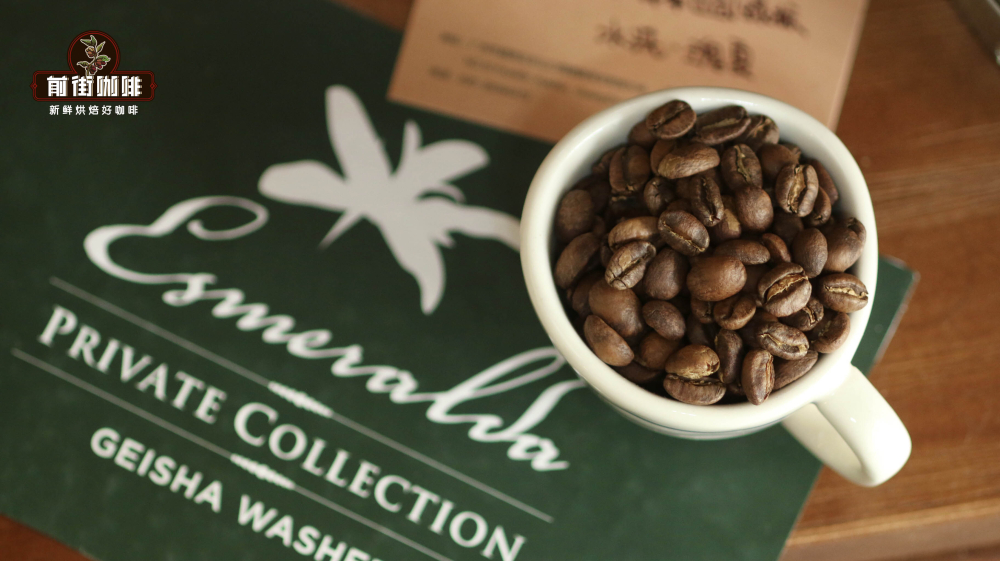
1. If you want to drink sweetness like honey, honey pomelo, mango, honeydew melon, and fruit candy, you can try Front Street Emerald Green Label Geisha, Front Street Sidamo Alo, and Front Street Yirgacheffe; these sweet notes mainly come from furanones formed by light roasting, which carry aroma characteristics of baked apple and honey.
2. If you prefer the sweetness of chocolate, candied fruit, and sucrose, Front Street Queen's Estate, Front Street Strawberry Candy, and Front Street Yunnan Small-Bean Typica are recommended; these flavors are mostly brought by furanones produced during medium roasting and often appear as caramel or maple syrup-like sweet aromas.
3. If you do not like acidity and want to experience the sweet aftertaste of dark-roasted coffee, you can choose Front Street Golden Mandheling, Front Street Brazil Red Bourbon, Front Street Jamaica Blue Mountain, and others, which can simultaneously present caramel, maple syrup, and toffee-like sweeter flavors.
Will coffee be sweeter if brewed another way?
Few people can resist sweetness. Including Front Street, many friends who are happy to share brewing insights have talked about how to make coffee sweeter. Although the methods of each look diverse, the core idea is the same: within a limited time, dissolve and extract as much of the acidic substances and sweet substances as possible.
Brewing sharing
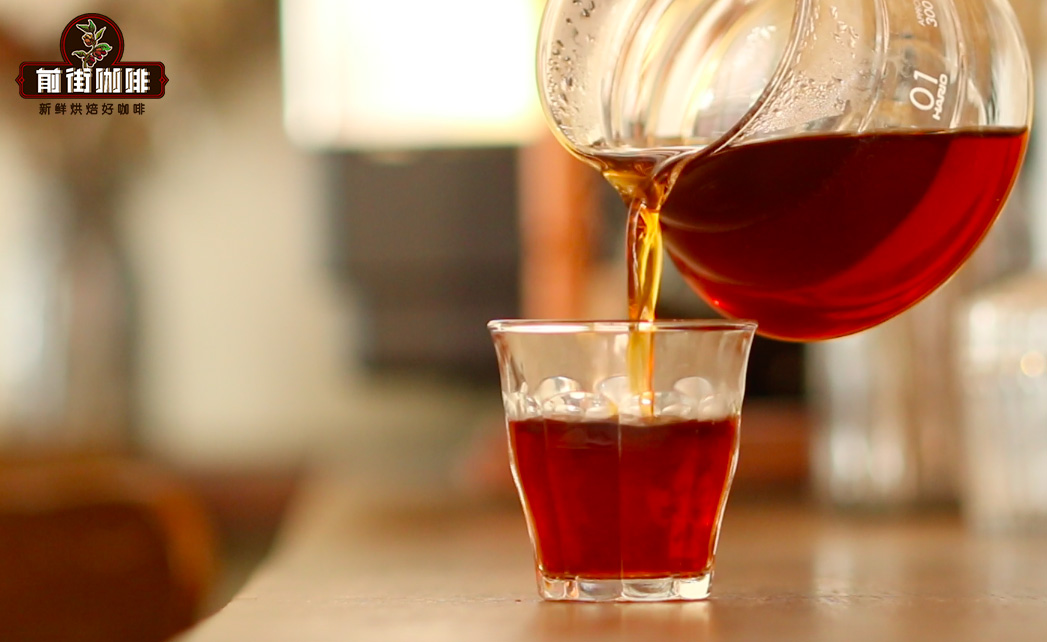
This time, Front Street chose Front Street Ethiopia Huakui from the bean list, natural process, medium-light roast, with the sweetness of ripe strawberry and honey. The dripper paired by Front Street is a V60, and the extraction parameters are as follows:
Dose: 15g
Grind size: 75%~80% passing through a No. 20 sieve, Ek43 setting 10
Coffee-to-water ratio: 1:15
Water temperature: 92°C
In the first step, use 30ml of hot water to bloom for 30 seconds, allowing the coffee grounds to release carbon dioxide that hinders extraction.
After the bloom ends, pour 120ml of hot water in a large circle with a relatively strong stream. Front Street's pouring speed is 6ml/s, completed within 20 seconds.
When the hot water in the dripper has basically permeated through, you can see that the coffee bed has formed a bowl shape. At this point, the pouring needs to be concentrated in the center.
Because the pouring rate in the second stage is relatively high, the water draining speed will also be relatively fast. If you want the coffee to obtain sufficient extraction, then in the third stage of pouring you need to reduce the rate and prolong the extraction time to ensure that the extraction yield meets the standard.
Therefore, in the third stage, switch to a small stream and pour in a small circle around the center, adding a total of 75ml of hot water. Front Street's pouring speed is 4ml/s. After all the hot water has flowed down from the dripper, you can remove the dripper and end the extraction.
Total time: 2 minutes 15 seconds. The Huakui brewed this way, just as Front Street said, has especially prominent sweetness and very rich layers. Orange blossom, strawberry, citrus, cream, and honey are the rich aromas Front Street can capture from it, with an oolong tea aroma in the aftertaste, and after swallowing, the berry finish lingers in the mouth for a long time, very comfortable.
The above content is compiled by CoffeeHunters, a coffee news website.


