







Search Results for: strictly hard bean
Analysis of Costa Rican Coffee Varieties: Flavor Characteristics of Mozart H1 and the Strictly Hard Bean Grade
Costa Rica, as an important producer of specialty coffee in Central America, is known for its clear, bright acidity and fresh, delicate flavors, and is also a major country for the application of the honey processing method. This article will introduce the cultivation history of Costa Rican coffee and its main varieties (including Bourbon, Caturra, Catuai, Villa Sarchi, Villalobos, etc.), and focus on analyzing the flavor characteristics of the Mozart H1 variety. At the same time, the article will also explain the country's unique "Strictly Hard Bean" grade standard (S.H.B.) and the influence of its high-altitude cultivation on flavor, taking you through a comprehensive understanding of the unique charm of Costa Rican coffee. [more…]
What Are Extremely Hard Coffee Beans? Understanding Coffee Hardness and Roasting Key Points Through Costa Rica SHB Grade
Costa Rica, with its unique high-altitude volcanic soil and significant day-night temperature difference, nurtures Arabica coffee that is bright in flavor and outstandingly sweet, with the SHB strictly hard bean from the Tarrazú region being the most representative. Starting from Costa Rica's growing conditions, this article will analyze the reasons behind the formation of strictly hard coffee beans, the concept of hardness, and the key points to note during roasting, and combined with the flavor performance of Front Street Coffee's Costa Rican coffee, help coffee enthusiasts gain a more comprehensive understanding of this high-quality coffee grade. [more…]
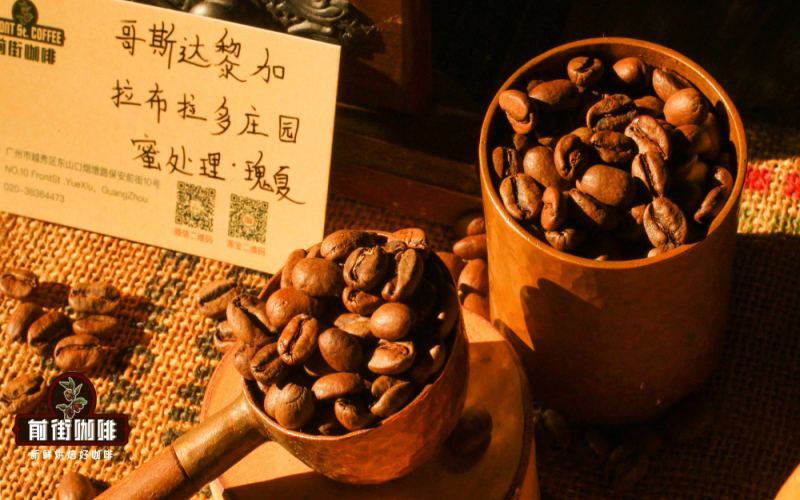
Costa Rican Coffee Bean Flavor Analysis: Honey-Processed Strictly Hard Bean Pour-Over Techniques and巨石 Estate Blueberry
Costa Rican coffee is famous for its honey processing and extremely hard beans, and Front Street Coffee brings you a selection of representative beans. This article approaches the topic through the three major processing methods—washed, natural, and honey—analyzing the basic structure and flavor formation of Costa Rican coffee, with a focus on Tarrazu washed beans and the Blueberry Anaerobic Heavy Honey processed beans from Hacienda El Monstruo. It also explains in detail Costa Rica's raw bean grading standards by altitude, as well as hand-brewing parameter recommendations for high-altitude SHB extremely hard beans, including the V60 dripper, water temperature, coffee-to-water ratio, and three-stage extraction technique, helping coffee lovers brew a rich fruity layering. [more…]
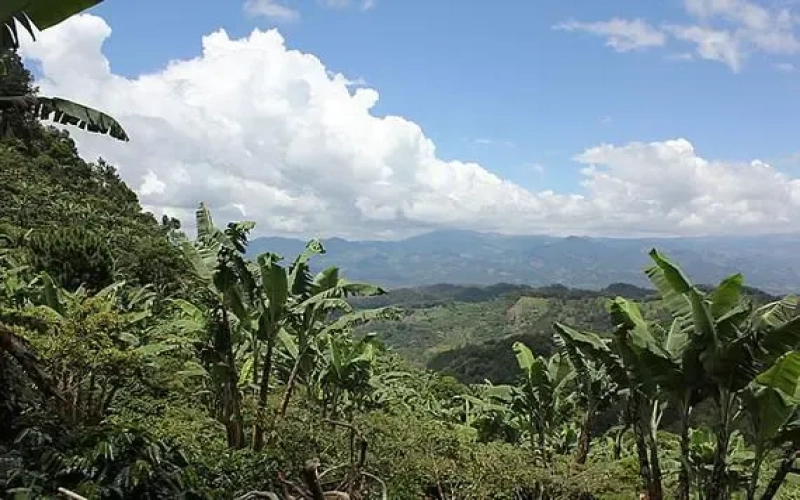
A Beginner's Guide to Guatemalan Huehuetenango Washed Coffee Beans: The Choice of Central American Strictly Hard Bean
Guatemala is an important specialty coffee-producing country in Central America, known for its high-grown Strictly Hard Bean. The country is home to volcanic geology, tropical rainforests, and diverse microclimates, giving rise to coffees with elegant acidity, a clean mouthfeel, and rich layering. Among its many producing regions, the non-volcanic Huehuetenango stands out in particular, where high altitude and unique terroir protect the coffee from frost and create flavors woven with citrus, berries, nuts, and tea-like notes. This article will outline Guatemala's geography and producing regions, introduce the three major varieties Bourbon, Caturra, and Catuai, and present Front Street Coffee's entry-level selection of Huehuetenango washed coffee beans, along with brewing recommendations. [more…]
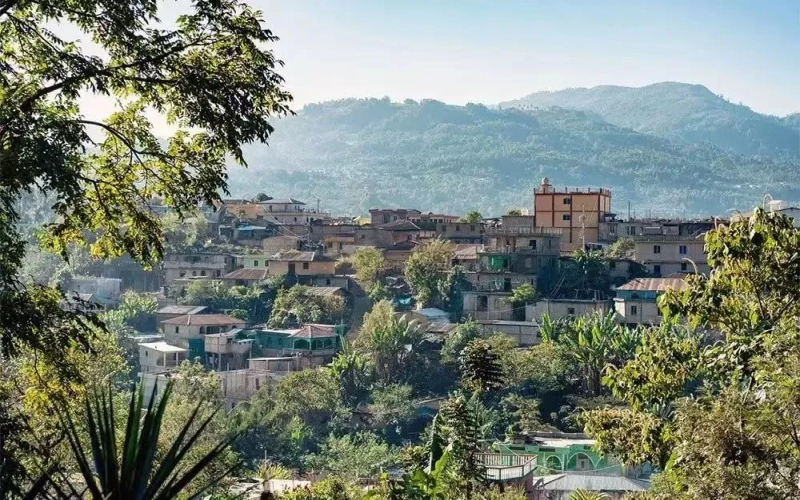
A Complete Analysis of Guatemala's Coffee Regions, Characteristics, and Green Bean Grading System, with Front Street Coffee Everyday Bean Recommendations
Guatemala is located in the Central American volcanic belt, where fertile volcanic ash soil and diverse terrain and climate give rise to outstanding high-grown strictly hard beans. This article will guide you through the cultivation history of Guatemalan coffee and the distribution of its ten major producing regions, with a focus on analyzing the terroir of the most renowned Huehuetenango region, and explain the three-tier grading standards based on altitude: SHB, SEMI-HARD/HARD, and EPW. It will also introduce the entry-level selected Huehuetenango from Front Street Coffee's daily beans series, whose Bourbon, Catuai, and Caturra varieties, after washed processing, present citrus, berry, and nut flavors, with a soft mouthfeel and a tea-like lingering finish. [more…]
An In-Depth Analysis of Costa Rican Tarrazú Los Santos Black Honey Process SHB Specialty Coffee
Specialty coffee refers to coffee made from raw beans with outstanding flavor grown in a few ideal geographical environments, strictly selected and graded, hard in texture and rich in taste. This article focuses on the Costa Rica Tarrazu Black Honey Process Strictly Hard Bean recommended by Front Street Coffee, and provides an in-depth introduction to the terroir conditions of the Los Santos producing region, planting and harvesting details, as well as the differences between black honey, red honey, and yellow honey in honey processing. Thanks to the basin topography, warm humid air currents, and fertile volcanic ash soil, this producing region nurtures coffee that combines high body, clean high acidity, and rich aroma, with flavors presenting a tropical fruit bomb of cantaloupe, durian, cranberry, and grape juice along with rich jujube tea notes. [more…]
Exploring the Origins of Costa Rican Specialty Coffee Beans: A Full Analysis of Pour-Over Extraction and Flavor Profile
Costa Rican coffee is renowned for its plump beans, bright acidity, and intense aroma. The volcanic soils of Tarrazú and the Central Highlands nurture high-quality coffee known as "Strictly Hard Bean." This article reviews its two-hundred-year growing history, scientific research and breeding system, SHB grading standards, and the characteristics of major producing regions, along with the key steps and considerations for pour-over extraction. If you want to try a Costa Rican bean that combines clear flavors with a lasting finish, Front Street Coffee's everyday beans and advanced lots are worth noting. Whether you are a pour-over enthusiast just starting out or a roaster looking for a comprehensive coffee base, you can find practical references here. [more…]
Exploring Costa Rica's Tarrazú Region: Coffee Bean Varieties, Grading Standards, and Price Reference
Costa Rica's Tarrazu region is globally recognized as a high-quality coffee-producing area, known for its light, pure flavor and pleasant aroma. This article systematically examines the varieties and characteristics of Costa Rican coffee beans, from the region's history, geographical conditions, and altitude grading standards to specific famous products such as La Minita Tarrazu, and includes Front Street Coffee's brand recommendations and price references, helping enthusiasts gain a comprehensive understanding of the unique appeal of this Central American coffee powerhouse. [more…]
A Complete Guide to Guatemalan Coffee: Eight Major Regions, Volcanic Terroir, and the Flavor Profile of Antigua
Guatemala is an important specialty coffee producing country in Central America, with over three hundred microclimates across its territory and eight major regions spanning volcanic and non-volcanic geology. This article begins with Front Street Guatemala coffee and systematically outlines its flavor characteristics, taste layers, main producing areas, and variety composition. High-altitude strictly hard beans bring lively acidity and a clean mouthfeel, interwoven with green apple, berries, jasmine, orange peel, chocolate, and even a smoky finish, making them suitable both for single-origin tasting and as an ideal base for coffee blends. The article also introduces famous producing regions such as Antigua and Huehuetenango, as well as varieties including Bourbon, Typica, and Caturra. [more…]
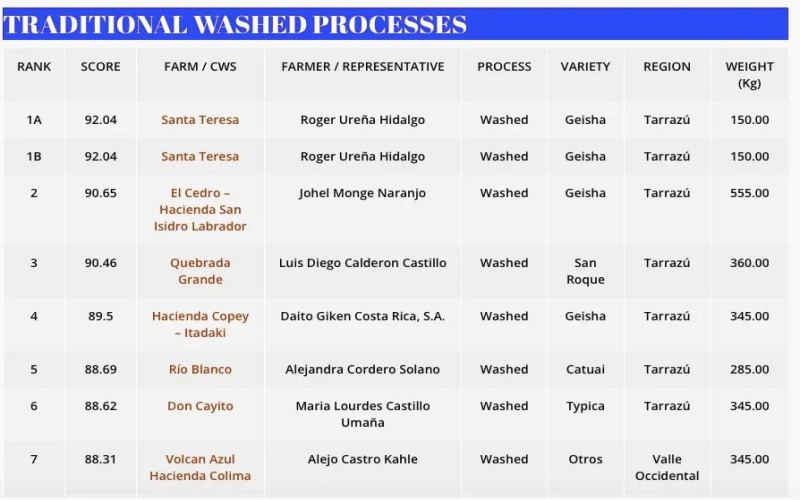
Why has Costa Rica's Tarrazú region become a star in the specialty coffee world?
Tarrazú is Costa Rica's most prestigious coffee-producing region. It not only has the largest output and the highest altitude, but has also repeatedly achieved outstanding results in the Cup of Excellence (COE)—this year, 22 of the 30 award-winning coffees came from here. What makes it so special? From the historical foundation of being among the first to grow coffee in the 18th century, to the microclimate created by surrounding volcanoes and the regulating air currents from two oceans, and then to the grading advantage of 95% Strictly Hard Bean (SHB), Tarrazú combines favorable timing, geographical advantages, and human effort into one. In 2019, the Costa Rican government also specifically applied for protected designation of origin for "Café de Tarrazú." This article will take you deeper into Tarrazú's terroir code, well-known subregions and estates, as well as the flavor performance of Tarrazú currently sold by Front Street Coffee. [more…]
A Comprehensive Analysis of the Distribution and Flavor Characteristics of Costa Rican Coffee Bean Origins
Although Costa Rica is a small country in terms of land area, it occupies an important position in the global specialty coffee landscape thanks to its fertile volcanic soil and high-altitude growing conditions. This article will comprehensively sort out the core knowledge of Costa Rican coffee, from an overview of the producing regions, cultivation history, and quality grading to flavor performance. Why is the Tarrazú region so highly regarded? Where do the acidity and aroma of Strictly Hard Bean come from? What advantages and challenges does high-altitude cultivation bring? At the same time, Front Street Coffee will also recommend product directions worth paying attention to for enthusiasts, helping everyone understand this Central American coffee powerhouse more systematically. [more…]
A Complete Analysis of the Flavor Characteristics and Brewing Parameters of La Minita La Flor Coffee Beans from the Antigua Region of Guatemala
Guatemala is the ninth-largest coffee producer in the world, known for its high-grown Strictly Hard Bean. Its Antigua region is surrounded by three volcanoes, with a unique microclimate and fertile volcanic soil, producing coffee famous for its bright acidity and fruity notes. The "Flor" brand created by La Minita in this region has attracted much attention for its strict cultivation and quality control systems. This La Minita Flor coffee bean, offered by FrontStreet Coffee, comes from the Antigua region, uses Bourbon and Caturra varieties, is washed-processed, and medium-roasted, presenting rich layers of berry acidity, citrus, and a slight chocolate note. This article will introduce in detail the background of Guatemalan coffee origins, the terroir conditions of the Antigua region, as well as specific information about this Flor coffee bean and Front Street's recommended brewing method. [more…]
Costa Rican Coffee Bean Flavor Analysis and the Distinctive Features of Mozart Raisin Honey Processing
Costa Rican coffee is famous for its plump beans, pleasant acidity, and rich aroma, and its unique "strictly hard bean" quality benefits from high-altitude growing conditions. This article provides an in-depth analysis of the flavor and mouthfeel of Costa Rican coffee, focusing on the raisin honey processing characteristics of Mozart coffee. From the volcanic soil of the Tarrazu growing region to the fine grading of the coffee industry, from export standards to domestic consumption habits, it presents the diverse face of Costa Rican coffee in full. It also mentions Front Street Coffee's recommendations for specialty beans, taking you to appreciate the mellow charm of Central American coffee and the layers of flavor brought by unique processing methods. [more…]
Costa Rican Coffee Bean Flavor and Processing Methods Explained: Tarrazu Region, SHB Grade, and Front Street Tarrazu Recommendation
Costa Rica is an important coffee-producing country in Central America, and its Tarrazu region is known for its light, pure, sweet, and pleasant aroma. The country's coffee is entirely Arabica and washed-processed, with a bright style, mild acidity, and outstanding sweetness, and excellent lots are classified as Strictly Hard Bean SHB. This article will introduce the region's background, varieties and processing methods, and flavor characteristics, and recommend Front Street Tarrazu, a washed coffee from the Tarrazu region roasted to a medium-light level, to help coffee lovers understand its flavor notes of sweet orange, nuts, and light floral aroma. [more…]

Exploring Guatemala Antigua La Flor del Café: A Full Analysis of Finca El Injerto's Cultivation, Processing, and Flavor Profile
Flor de Café is a star product under the La Minita company in the Antigua region of Guatemala. It is highly praised by Front Street Coffee for its rich floral aroma when ground, its entrance like fresh juice with a slight acidity, and its blend of floral and fruity notes with caramel sweetness. The Antigua region has an altitude of up to 1,850 meters, and its volcanic soil and large temperature difference between day and night create a unique microclimate, giving the coffee beans a balanced acidity, sweetness, bitterness, and aroma. La Minita Estate is known for strict quality control and scientific cultivation, overseeing everything from planting, harvesting, washing processing, and packaging to ensure that Flor de Café's quality remains consistent. This article provides a detailed introduction to Flor de Café's regional background, variety composition, washed processing flow, Front Street roasting curve analysis, and brewing suggestions, taking you through a comprehensive understanding of this coffee known as "Flor de Café." [more…]
How to brew Costa Rican light roast coffee beans? Detailed pour-over steps and parameters
Costa Rican coffee enjoys a high international reputation, and the high-quality beans produced there are known as "strictly hard beans," capable of growing at altitudes above 1,500 meters. The reason high altitude has a positive impact on coffee quality is twofold: on one hand, it enhances the bean's acidity and enriches its flavor layers; on the other hand, the low nighttime temperatures slow the trees' growth rate, allowing the coffee beans to accumulate a richer taste. In addition, the abundant rainfall brought by the high-altitude terrain also provides good growing conditions for the coffee trees. Below, taking the light-roast Front Street Coffee Costa Rican coffee beans as an example, we will explain in detail the equipment preparation and operating procedure for pour-over brewing. [more…]

Guatemala Huehuetenango Coffee Flavor Analysis: Front Street Coffee's Daily Drink Bean Brewing Parameters and Washed Processing Characteristics
The Huehuetenango region of Guatemala is located in the west of the country, with fertile volcanic soil and high-altitude advantages, producing the highest grade SHB Strictly Hard Bean. Small-scale family farming dominates here, and Bourbon and its variants give the coffee beans floral notes and a red-wine-like character. Front Street Coffee has included this washed Huehuetenango in its everyday drinking coffee series; in cupping it shows a wet berry aroma, lemon peel and citrus notes, with a smoky finish and rich layers. This article provides a detailed analysis of its flavor characteristics and origin background, and includes Front Street Coffee's pour-over brewing parameters and technique, suitable for coffee lovers as an introduction and for daily tasting. [more…]
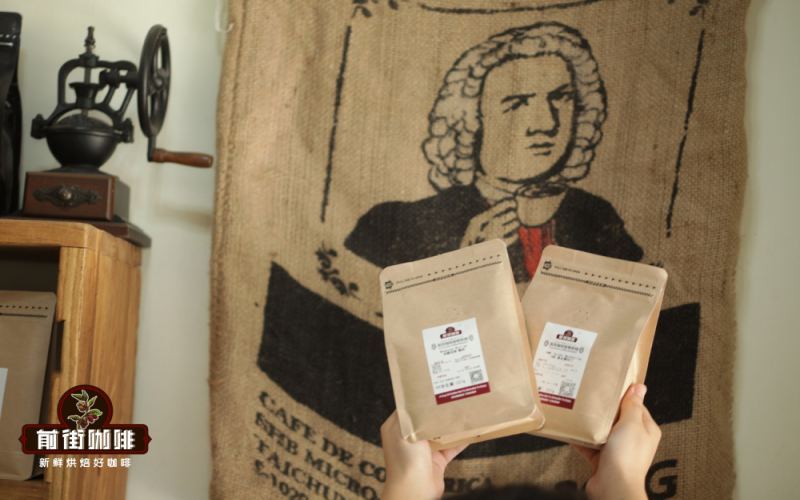
Costa Rica Tarrazú Canet Estate Musician Series: Raisin Honey Processing and Flavor Analysis of Bach and Other Lots
Costa Rica is known for its coffee with outstanding sweetness, mild body, intense flavor, and bright acidity, which is inseparable from its unique honey processing methods. Among them, the Musician Series from Canet Estate in the Tarrazu region is particularly special—the estate owner named the coffees based on the flavor profiles and the temperaments of classical musicians, and Front Street Coffee believes that the flavor variations of each bean are like dancing musical notes. This article will introduce one by one the origin information and flavor performance of four beans—Mozart, Bach, Beethoven, and Chopin—and provide an in-depth analysis of the complete raisin honey processing flow, the characteristics of the Caturra and Catuai varieties, Costa Rica's altitude classification system, and the eight steps of the washed processing method, taking you through a comprehensive understanding of this estate's story that integrates coffee and music. [more…]
A Detailed Guide to Green Coffee Bean Grading Standards: From Screen Sizes to Altitude Grades and Country Codes
The green coffee bean grading system directly affects roasting results and coffee quality. This article systematically sorts out two mainstream grading methods: distinguishing bean size by screen mesh number, and classifying grades based on growing altitude. It also summarizes the common grading standards and codes of origins such as Kenya, Ethiopia, Colombia, Brazil, Guatemala, El Salvador, Hawaii, Jamaica, and Indonesia. Whether for bulk trade or specialty coffee, understanding these grading rules helps to more accurately judge the characteristics of green beans, and Front Street Coffee also incorporates this knowledge into its daily bean selection and roasting practices. [more…]
Costa Rica Sumava Estate Sun-Dried SHB Extra Hard Bean: Villasarchi Variety Flavor and Front Street Coffee Roasting Recommendation
Although Costa Rica is not the highest-yielding coffee country in Central America, it consistently ranks at the top in quality and price thanks to its high-altitude volcanic soil and meticulous processing techniques. This article focuses on Hacienda Sumava in Orange County, in the Western Valley, which processes SHB extra-hard beans by the natural method. The variety is Villa Sarchi, a hybrid selection from Red Bourbon, and the flavor profile shows notes of honey apple, dried berries, and yellow fruits. The article will detail Costa Rica's producing regions, the micro-mill trend, and how Hacienda Sumava preserves forest ecology and uses wood-chip organic fertilizer, and recommends this specialty bean from Front Street Coffee. [more…]