







Search Results for: store hygiene
Milk tea shop's lychee drink found with curled hair sparks controversy: store offers tenfold compensation, customer demands shutdown and thorough investigation
Recently, a woman discovered curly hair attached to a lychee at the bottom of her cup after drinking milk tea, sparking concern. The store involved responded that the lychee tea uses a lidded rather than sealed packaging, the source of the hair is currently unclear, and it is willing to pay ten times compensation and accept investigation, but the individual refused compensation and demanded the store be shut down for rectification. Meanwhile, hygiene problems in the tea beverage industry occur frequently: a Nayuki Tea store was exposed for cockroaches crawling everywhere and rotting fruit, and cockroaches appeared on the counter at Yihetang. Food hygiene and safety concern consumer health, and whether a well-known brand or an ordinary store, production processes should be strictly controlled and safety systems implemented. [more…]
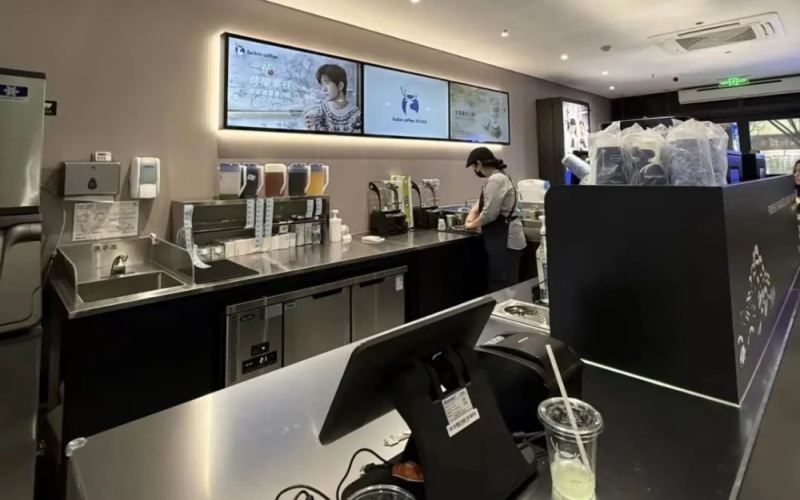
Luckin Coffee's hygiene inspection standards spark heated debate: employees complain about strict details, how difficult is it to clean the work area?
Luckin Coffee is known for its tidy stores, but recently many employees have spoken out on social media, reporting that quality control inspection standards are overly meticulous, with strict deductions even for hard-to-reach corners such as pipes along walls and dust on chandeliers. From rusted screws on paper towel dispensers to loose threads on aprons, the tediousness of the inspection items has sparked complaints from workers, who bluntly say they are expected to "clean the prep area like an operating room." This article will sort out the focal points of the controversy over Luckin's hygiene inspections, explore whether, under existing store decoration conditions, the requirement of spotlessness is realistic, and present employees' complex attitudes toward food hygiene inspections. [more…]
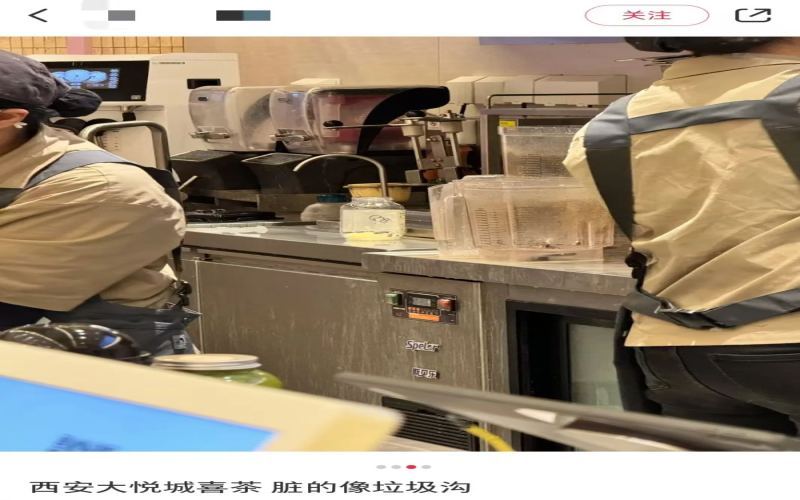
Hygiene issues at Xi'an Heytea stores spark heated discussion; official response: store has been closed for rectification and operational training strengthened
Recently, a Heytea store in Xi'an Joy City was exposed by consumers for poor hygiene conditions in its preparation area, quickly sparking heated discussion online. According to the whistleblower, the store's counter, refrigerators, juicers, and other equipment were covered in milk tea stains, materials were scattered around, and there was even a strong smell of sour rags and rotten fruit. Upon verification, the store was a directly operated location rather than a franchise, which further raised public doubts about Heytea's food safety management. Heytea later issued an apology and announced that the store would be closed for rectification, while also strengthening employee training and optimizing operational standards. This incident has once again pushed the issue of hygiene control in chain tea beverage brands into the spotlight and serves as a reminder for consumers to pay attention to the transparency of beverage preparation environments. [more…]
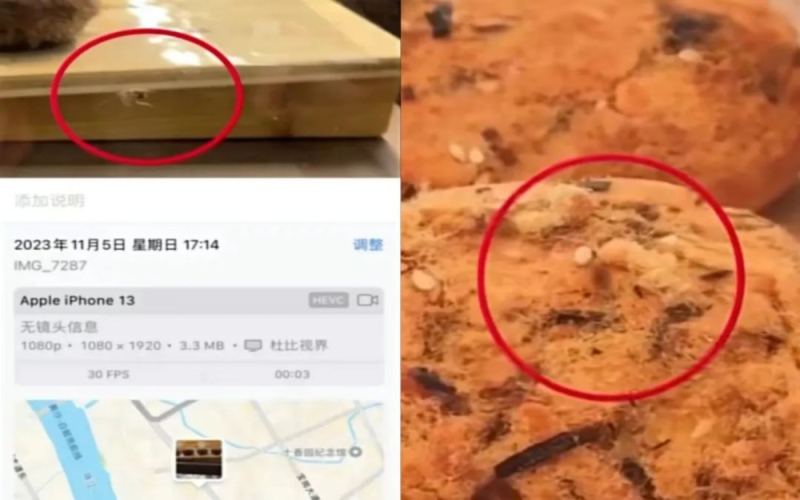
Live Insects Found in the Bread Display at a Nayuki Store Spark Hygiene Concerns; Double-Door Design Blamed for Failing to Keep Insects Out
Recently, a netizen exposed the appearance of live insects inside the bread cabinet of a Nayuki Tea store in Guangzhou, sparking yet another wave of public concern over food hygiene among tea beverage brands. The store attributed the problem to the double-door design, which allows customers to open the doors themselves and lets insects slip in—but bread crumbs on the cabinet door tracks equally exposed lapses in daily cleaning. Notably, this is not the first time Nayuki has been embroiled in a food safety scandal; as early as 2021, media undercover investigations of its back kitchen exposed hygiene hazards such as cockroaches. Although the brand claims to hire professional pest control companies monthly, complaints about insects in bread cabinets remain common on social platforms. Food safety is no small matter. Front Street Coffee believes that only by relentlessly addressing every hygiene detail can tea and coffee brands win consumers' long-term trust. [more…]

Why do Luckin employees call themselves "Handwash Heroes"? Store hygiene control details and genuine consumer feedback
Luckin Coffee's store hygiene management has always been a hot topic online, especially the high frequency of employee handwashing and the meticulous standards, which have even earned them the nickname "Handwash Hero" of the coffee world. From washing hands on the hour, to mandatory cleaning after touching items, to full-scale deep cleaning before quality control inspections, Luckin's dedication to hygiene is almost obsessively strict. Meanwhile, many consumers and employees have shared their personal experiences, with some joking, "I really dislike Luckin, but I won't allow anyone to say it's not clean." In an era where food safety in the restaurant industry frequently draws attention, what exactly does this strict quality control signify? This article compiles a wealth of genuine feedback from frontline employees and consumers to give you an inside look at the various details of Luckin's store hygiene management. [more…]
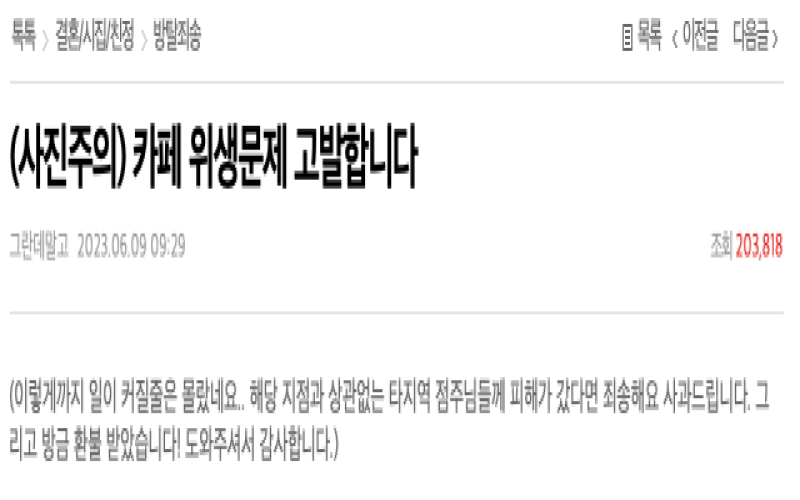
The Venti Korea store manager ground foot calluses and made drinks without changing gloves; consumer refund refused, sparking controversy
Recently, a franchise store of the South Korean coffee chain The Venti was exposed for a serious food hygiene issue: after filing calluses on their feet inside the store, the manager did not change gloves or wash hands and directly made drinks for customers. After witnessing the entire process, the consumer took photos as evidence and called the head office to demand a refund, but was refused. The incident quickly spread online, sparking widespread attention and heated discussion. The Venti subsequently issued a formal apology on its official website and promised to strengthen hygiene training. This "foot callus coffee" incident not only made consumers feel uncomfortable, but also triggered deep public reflection on hygiene management in the food and beverage industry. [more…]
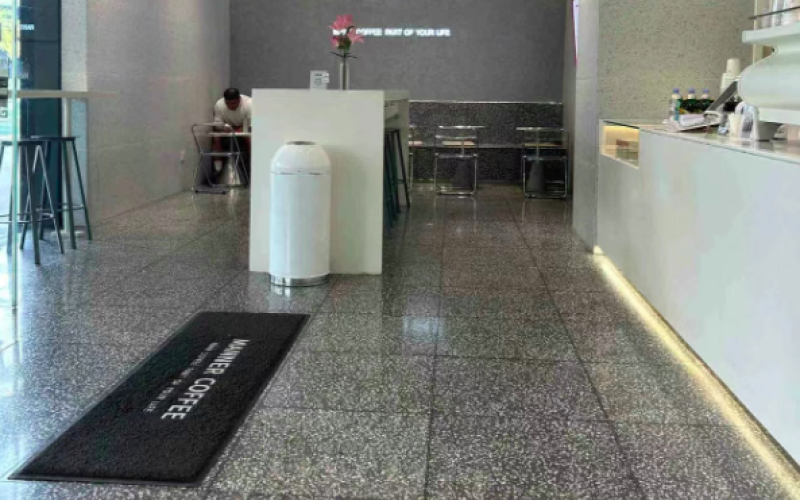
Manner store hygiene sparks discussion: White tables and chairs show obvious signs of wear, sole-staffing model questioned by consumers
Manner Coffee, known for its minimalist white design, has recently sparked consumer discussion due to store hygiene conditions. Some customers have reported that tables and chairs in certain stores show obvious signs of wear, with leftover trash from previous customers on tabletops, while the single-staff model leaves employees no time to attend to front-of-house cleaning. Is this phenomenon an isolated issue or a widespread problem? Does the white decor style amplify the visual impact of stains? How should consumers balance the pursuit of efficient service with a pleasant dining environment? This article reviews perspectives from multiple parties to explore the operational challenges chain coffee brands face amid rapid expansion. [more…]
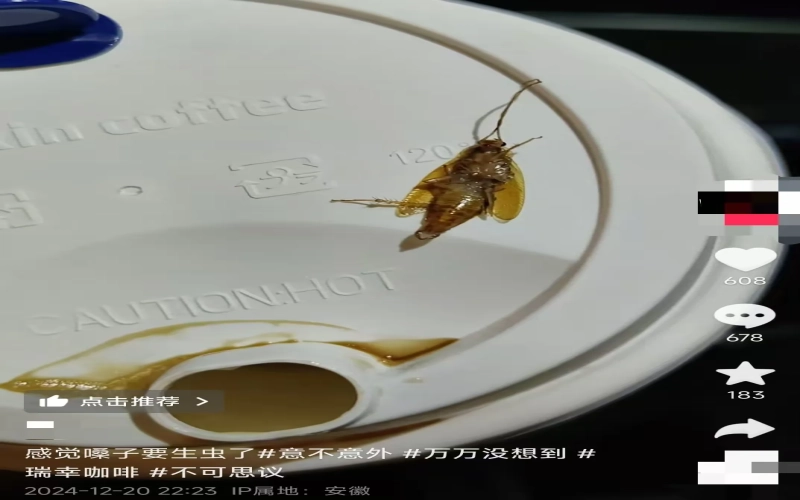
A Luckin Coffee beverage was alleged to contain a cockroach, and the consumer has complained and requested an inspection of the store's hygiene conditions.
Recently, a consumer posted a video on social media claiming to have found a foreign object resembling a cockroach in a Luckin Coffee beverage, sparking widespread attention. The consumer said they drank it several hours after picking it up, and upon discovering the foreign object immediately filmed a video and contacted the store and headquarters to complain, demanding an investigation into the store's hygiene conditions and its suspension for rectification. Luckin responded that it was handling the matter but did not provide surveillance evidence, and the two sides each stick to their own account regarding the origin of the foreign object and who is responsible. The consumer has now filed a complaint with 12315, and the incident is still escalating. [more…]
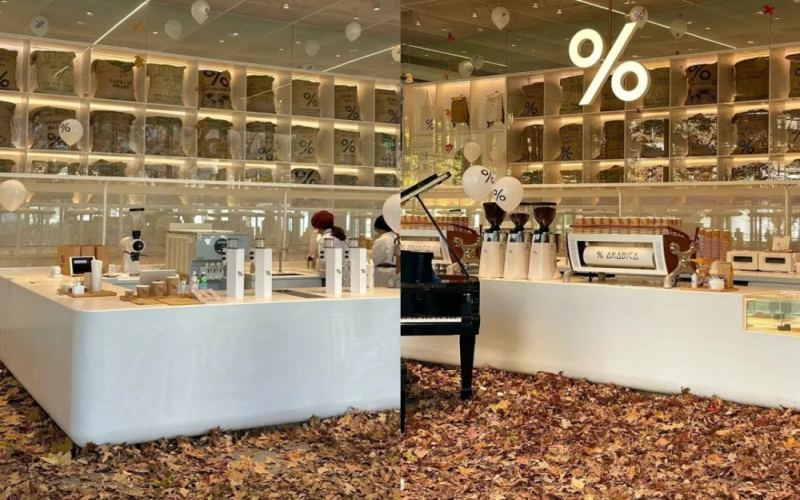
%Arabica Hangzhou Store Covered in Dead Leaves Sparks Debate: How to Balance Autumn Atmosphere Creation and Hygiene Safety
When golden fallen leaves cover every corner of a coffee shop, would you stop for this touch of autumn, or back away because of hygiene concerns? Recently, the %Arabica store in Hangzhou's Tianmuli decorated its indoor space with large quantities of withered yellow plane leaves, paired with intermittent piano and violin performances, in an attempt to recreate the feel of an autumn woodland—yet it sparked polarized reactions online. Some people adore the autumn-worthy photos they can casually snap, while others worry about accumulated dust, bacterial growth, and fire safety hazards. Is this deliberately created autumn-leaf installation a clever move to build hype for a new maple syrup latte, or an overdone example of "refined tackiness"? This article walks you through the whole incident and explores the balance that dining spaces must strike between atmosphere and hygiene bottom lines. [more…]
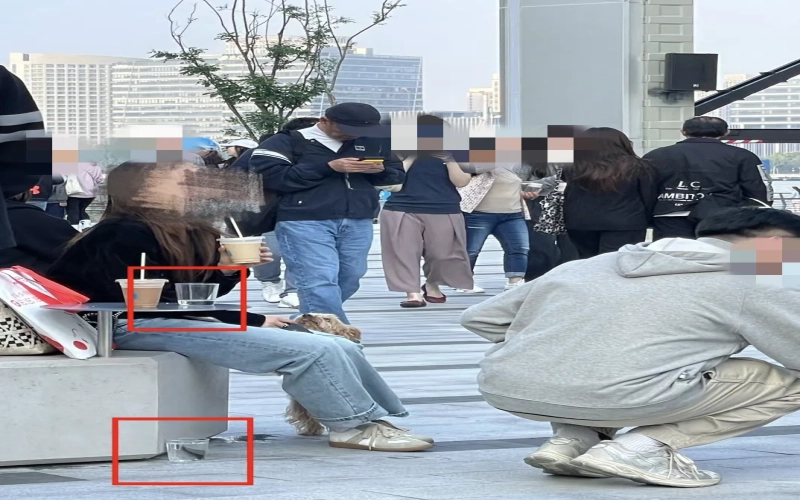
Blue Bottle Coffee store glass used by customer to feed dog, public tableware hygiene controversy sparks heated debate again
Recently, an incident at a Blue Bottle Coffee store in Shanghai, where a customer used a dine-in glass to give water to a pet dog, sparked widespread discussion. The person who filmed the incident pointed out that using public utensils to feed pets is uncomfortable, and although the staff promptly handled the situation and discarded the used cup, the underlying issue of managing "pet-friendly" spaces is worth pondering. On one hand, there is the emotional need of pet lovers; on the other, there is the legitimate concern of other customers regarding hygiene and safety. How to draw clear behavioral boundaries in public dining establishments has become a shared challenge for businesses and consumers alike. This article reviews the incident, gathers various viewpoints, and explores how coffee shops should strike a balance between pet friendliness and hygiene standards. [more…]
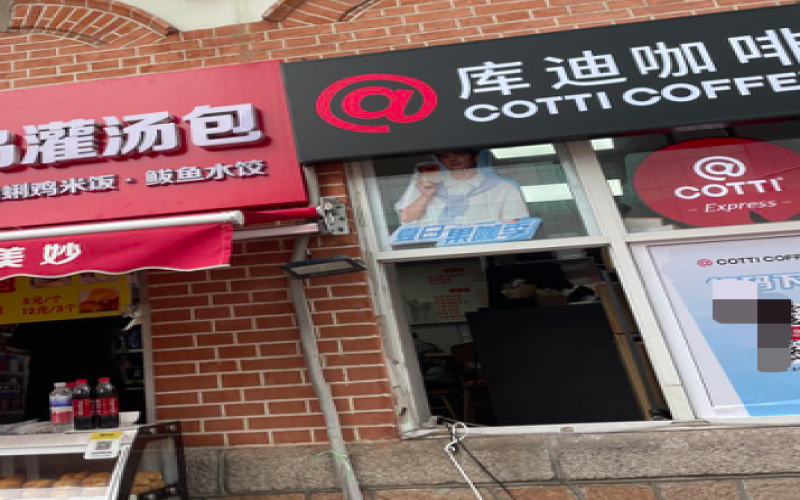
Cotti Coffee's store-within-a-store model sparks debate: from bun shops to pet hospitals, convenience hides hygiene concerns
Recently, a netizen tried to find a Cotti Coffee store using mobile navigation, only to be surprised upon arrival to discover that the coffee shop was actually located inside a soup dumpling restaurant. This netizen's sharing quickly resonated with consumers everywhere, who then posted their own encounters with Cotti stores in places like Lawson convenience stores, service halls, ramen shops, pet hospitals, and even skateboard shops. Since launching its convenient store model in May this year, Cotti has claimed that "a store can be opened with just 1 square meter," and plans to expand by 8,000 convenient stores in the second half of the year, aggressively penetrating into various small and micro commercial scenarios with rapid expansion. However, while the brand accelerates its layout and strives to achieve "Cotti within 100 meters," consumers have raised serious concerns about the hygiene conditions, product quality control, and food safety risks of this store-within-a-store model. Front Street Coffee is also paying attention to this industry phenomenon, believing that balancing convenience and quality will be an urgent issue for Cotti to address. [more…]
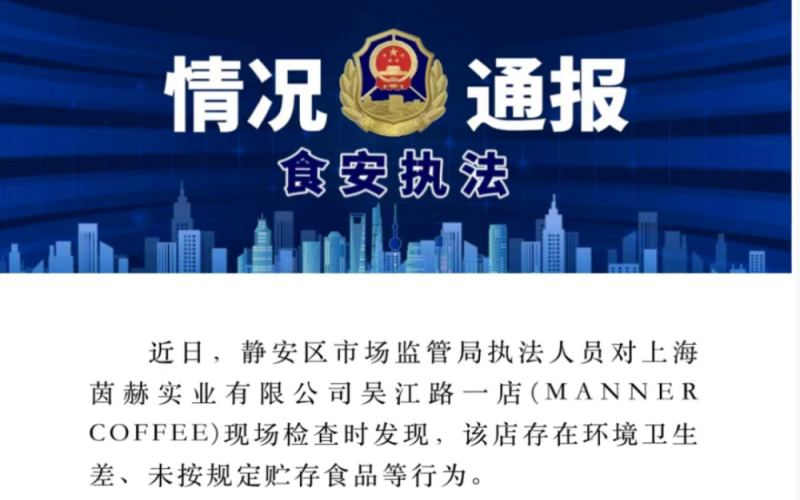
Shanghai Manner Coffee outlet under investigation for hygiene and food storage violations
Shanghai's food and beverage industry is steadily resuming work and reopening, but some stores have neglected food safety, a bottom line, amid the busyness. Recently, law enforcement officers from the Jing'an District Market Supervision Bureau found during an inspection that the Manner Coffee Wujiang Road store had problems such as dirty and messy environmental hygiene and food not being stored according to regulations. Waste was scattered on the floor at the scene, food for sale was placed directly on the ground, and Meiji milk that needed refrigeration was also left casually. Because it is suspected of violating relevant provisions of the Food Safety Law, the store has been officially placed under investigation. The regulatory authorities remind food and beverage units to strictly fulfill their primary responsibilities and ensure the safety of meals served. [more…]
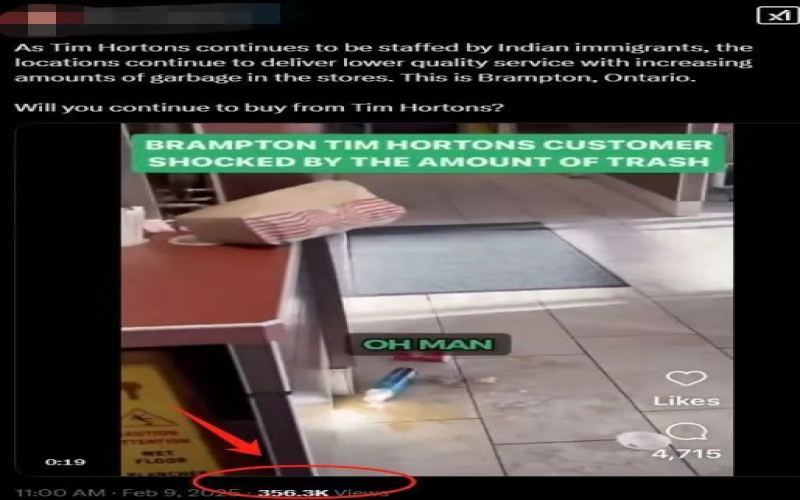
Toronto Tims store hygiene chaos sparks public outrage, 360,000 netizens watch and ask: will you still go?
A video filmed at a Tim Hortons location in Brampton, Toronto, Canada, has sparked widespread attention online, racking up 360,000 views in a short period. The footage captures overflowing trash bins and countertops piled with discarded cups and packaging bags, igniting heated discussion among netizens. The poster attributed the problem to the composition of the staff and questioned whether people should continue to patronize the brand. The comment section was quickly flooded with thousands of messages, with some calling for reports to health authorities and others pointing out that this is not an isolated case, as similar conditions exist at multiple Toronto locations. In recent years, Tims has frequently been exposed for unsanitary kitchens and foreign objects found in food, prompting many consumers to switch to other coffee shops or choose to make coffee at home. [more…]
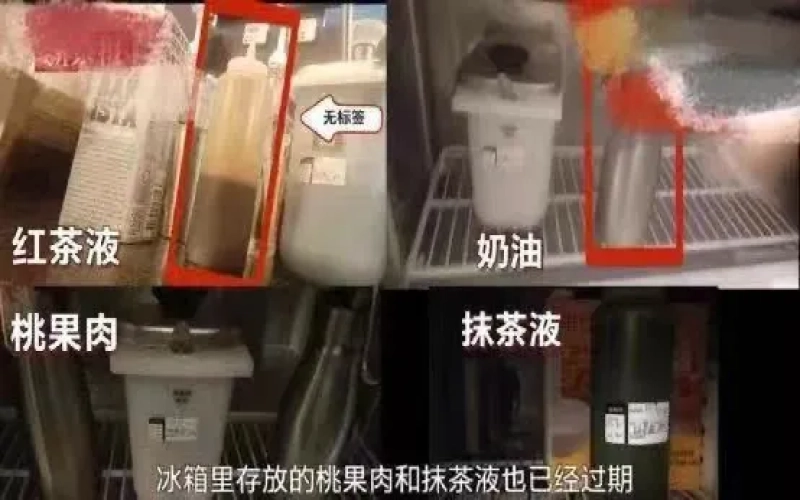
Starbucks Fined 1.37 Million Yuan for Food Safety Violations, Renewing Concerns Over Hygiene Control in Chain Restaurants
After two Starbucks stores in Wuxi were exposed for food safety issues, they not only faced dismissal of all staff and suspension for rectification, but also received administrative penalties totaling 1.37 million yuan. This incident triggered widespread public discussion on the current state of food safety management in the chain catering industry. Judging from the surprise inspections by market supervision bureaus across various regions, although the vast majority of stores were not found to have serious violations, management loopholes such as non-standard scrap records, missing disinfection records, and inadequate implementation of employee personal hygiene remain common. This article will review the incident and the details of the penalties, analyze the imbalance between Starbucks' internal supervision and cost control, and explore the importance of producer self-discipline and social oversight behind food safety issues. [more…]

Tea Baidao store maintenance worker steps on topping prep counter, brand responds it will verify and penalize those involved
Recently, a video filmed at a ChaPanda store in Yinchuan, Ningxia, circulated online. In the footage, a repair worker, in order to fix a malfunctioning TV mounted high up, directly stepped with his shoes onto the topping counter where ingredients such as tapioca pearls and mochi were placed, without any protection on the soles of his shoes, sparking public concern about food hygiene at the store. The store involved explained that the lids had already been put on the boxes at the time, and that disinfection and cleaning were carried out afterward. ChaPanda's official customer service responded that they were verifying the matter, and if it proved true, both the store and the repair worker would be punished, and promised to strengthen supervision and standardize hygiene checks for repair personnel to prevent similar incidents from recurring. [more…]
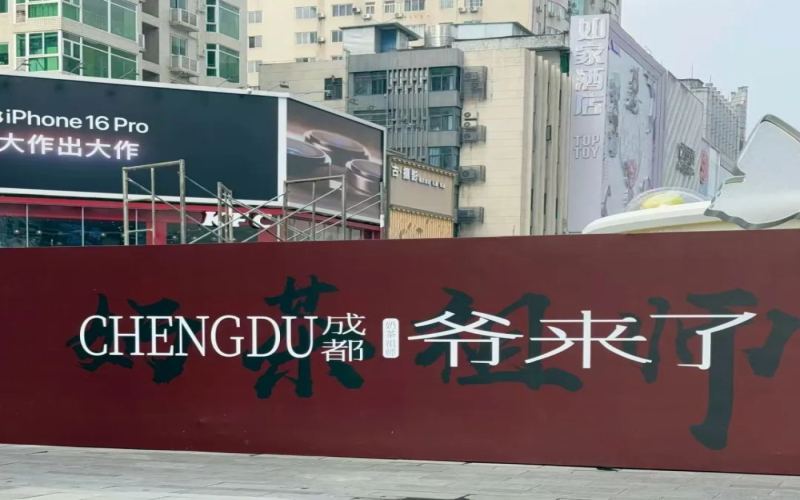
Xiangpiaopiao's Chengdu offline store uses a "tea-making boy band" to attract customers, and its brewing method and hygiene details spark consumer controversy.
The physical milk tea shop opened by Xiangpiaopiao on Chunxi Road in Chengdu has recently become a hot topic. The brand used a "tea-making boy band" as a selling point, recruiting male staff over 180 cm tall with good looks and charisma, and through social media voting selected 27 candidates, ultimately choosing 12 to work in the store. On opening day, long lines formed at the shop; the boy band members were responsible for packing orders and interacting with customers for photos, providing emotional value. However, some consumers pointed out that the drinks in the store are still mainly made by brewing tea bags and juice with hot water, which differs from mainstream freshly made tea beverages; the drink output efficiency is low, with wait times of up to half an hour, and photographers and other non-operational personnel were moving around the bar area taking photos without wearing masks or hats, raising questions about food hygiene. Xiangpiaopiao had previously used a similar strategy of highly attractive staff at a pop-up store by West Lake in Hangzhou, and this operation is seen as a continuation and upgrade of that marketing approach. [more…]
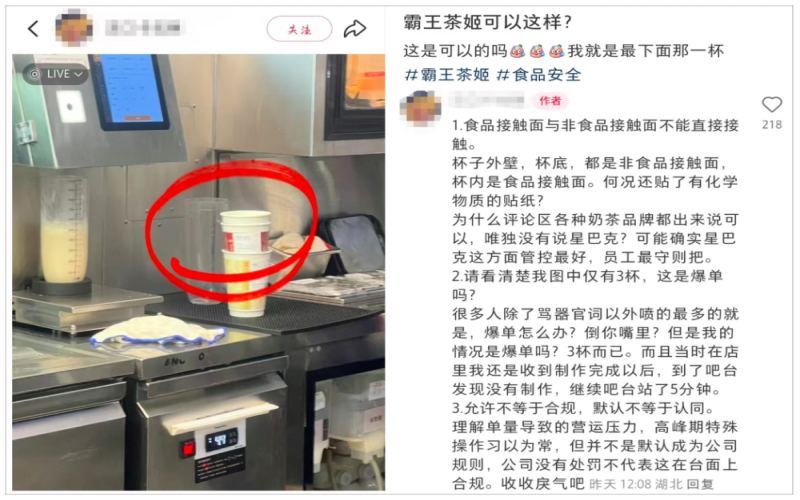
Bawang Chaji's stacked paper cups operation sparks controversy: customers question food hygiene, staff say it's a helpless move during peak hours
Recently, a customer picking up an order at a Chagee store noticed that staff had stacked labeled paper cups one inside another, with their own cup at the very bottom. This raised concerns about possible food contamination from the cup walls coming into direct contact with the inside of another cup. The post quickly sparked widespread discussion: many bubble tea shop employees pointed out that unused paper cups are already stacked when they leave the factory, and that stacking cups during peak hours is a common practice to save counter space and speed up service. But most consumers were not convinced, noting that brands such as Starbucks, Luckin Coffee, and Heytea have explicit rules against this practice. Behind this debate lies the real dilemma facing tea beverage stores as they try to balance the pressure of order surges with hygiene standards. [more…]

Why Are Starbucks For-Here Cups Becoming a Rarity? Employees Reveal a Double Bind of Theft and Hygiene Concerns
Recently, a post about Starbucks for-here cups sparked heated discussion on social media, with many netizens expressing surprise that they had never seen anyone use a mug in stores. In fact, over a decade ago, Starbucks staff would proactively ask customers whether they were dining in and offer them for-here cups, but today this practice has quietly disappeared. What is the reason behind this? Employees reveal that frequent theft of for-here cups causing losses, as well as some customers' concerns about tableware hygiene, are the two main reasons stores no longer proactively offer for-here cups. At the same time, this white mug printed with the mermaid logo is highly sought after for its attractive appearance, and even unofficial channels have appeared selling it on second-hand platforms. This article will explore in depth the current situation of Starbucks for-here cups and the story behind them, and includes a professional recommendation from Front Street Coffee. [more…]
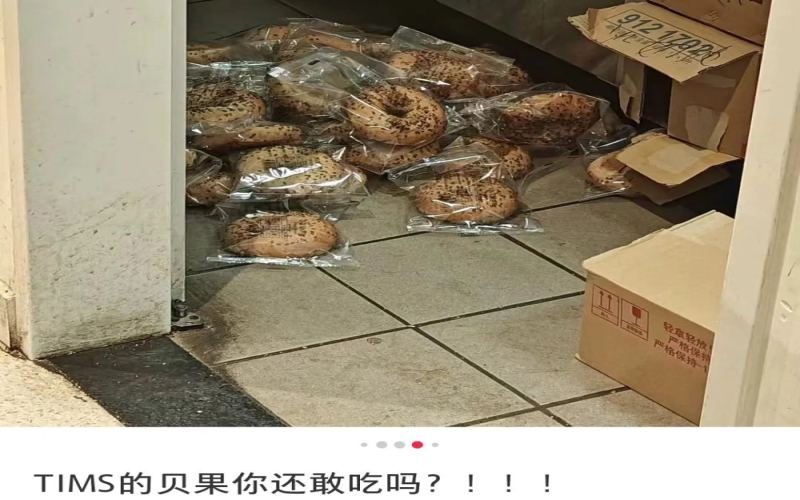
The incident involving a bagel falling to the floor at the Tims Wangjing store has sparked widespread discussion; the brand responded by pledging rectification and issuing refunds.
Recently, a consumer in Beijing exposed on social media that the Tims coffee outlet in Wangjing had bagels meant for sale piled directly on the floor, with the store environment in disarray, sparking widespread attention. Multiple netizens followed up in discussion, with some questioning the brand's hygiene management and others offering rational analysis of the differences between individual stores and the overall standard. The person in charge of the Tims store subsequently responded, saying that the items had been accidentally spilled and that staff had been too shorthanded at the time to clean up promptly, and promised to strengthen staffing and optimize the procurement process. The original poster later updated that they had received a proactive apology from the brand, a refund, and feedback on corrective measures. The incident reflects the quality control and operational management challenges that chain coffee brands face amid rapid expansion. [more…]
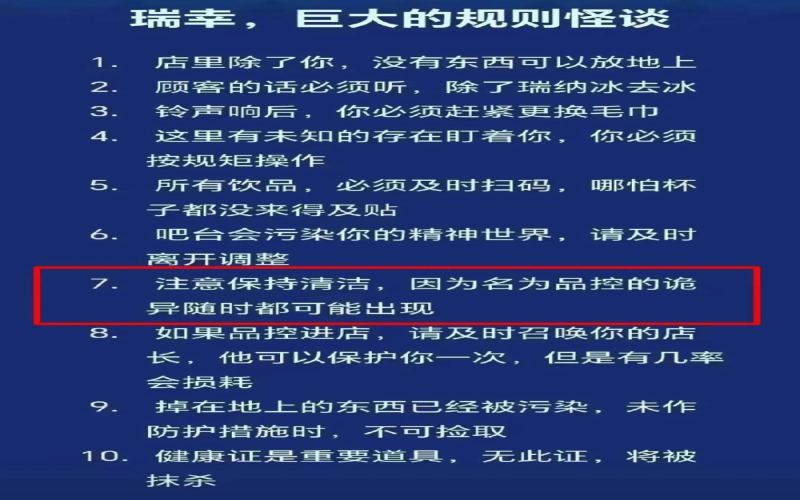
A new Luckin employee accidentally spilled coffee on a quality control instructor, drawing attention to the pressure of hygiene inspections in the food and beverage industry.
At the chain coffee brand Luckin, quality control managers' surprise inspections have always kept employees on edge. Recently, a new employee who had only been on the job for ten days accidentally knocked over a coffee when quality control visited the store, spilling it all over the quality control manager's head. This mishap quickly sparked heated discussion online. In fact, similar embarrassing incidents are not isolated cases; behind them lies the enormous pressure and various unconventional tactics Luckin employees use when dealing with quality control inspections. This article will recount the incident and explore the real situation of coffee workers under the quality control system. [more…]