







Search Results for: specific heat capacity
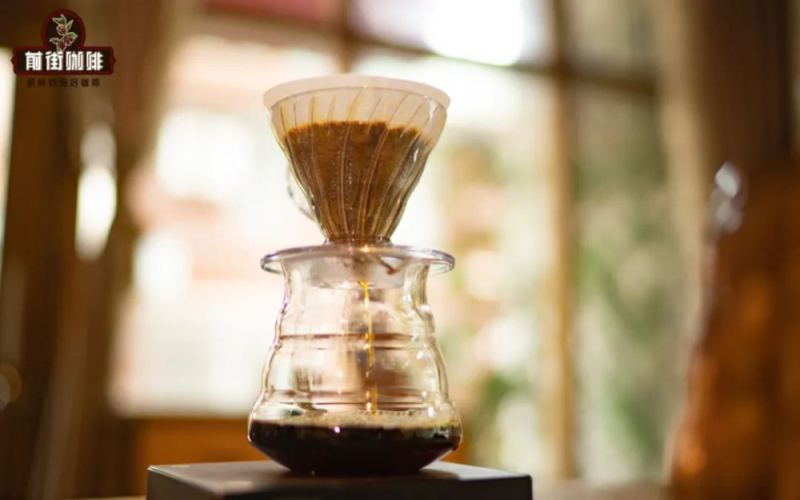
How Does Filter Cone Material Affect Coffee Extraction? Analyzing Brewing Differences Through Thermal Conductivity and Specific Heat Capacity
Coffee filter cups on the market come in a wide variety of materials—resin, glass, ceramic, and metal each have their own fans—but what real impact do different materials actually have on brewing? Many people's first thought is the price difference, but setting aside cost, the most core difference between materials lies in their ability to control temperature. Thermal conductivity determines how quickly heat is transferred, while specific heat capacity relates to how much heat an object can store. Together, these two physical parameters directly change the temperature performance of hot water during the extraction process. Metal conducts heat fastest but also dissipates it quickly; ceramic has a high specific heat capacity but needs thorough preheating; glass performs mildly; and resin, because it absorbs heat slowly, has almost no effect on water temperature. In this article, Front Street Coffee will break down the characteristics of four common filter cup materials one by one, and combine them with the actual differences in flow rate among V60 versions made of different materials, to help everyone understand why you cannot simply copy extraction formulas from the internet, but should instead flexibly adjust your brewing strategy according to the material of the filter cup in your hands. [more…]
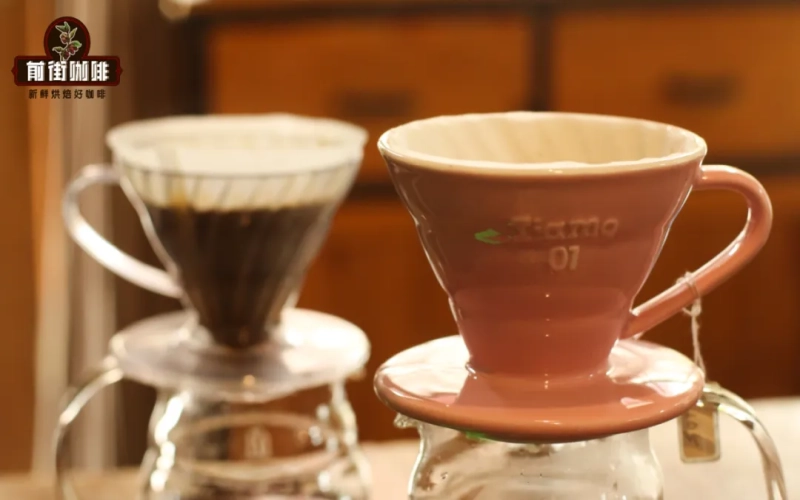
How do the material differences between ceramic and resin drippers affect the extraction results of pour-over coffee?
The material of a pour-over coffee dripper isn't just about feel and aesthetics—it genuinely changes the flavor in the cup. Front Street Coffee has shared before that the reason different dripper materials produce different extraction results comes down to two physical indicators: specific heat capacity and thermal conductivity. Thermal conductivity determines how quickly heat transfers, while specific heat capacity determines how easily a substance heats up or cools down. Together, they determine how much temperature a dripper "steals" from the hot water. This article will start from these two concepts to explain why a ceramic dripper makes coffee less bitter when it hasn't been preheated, why it's best to warm a ceramic dripper with hot water before use, and offer parameter adjustment suggestions based on actual brewing. [more…]

The Complete Guide to Buying a Dripper: The Profound Impact of Cone Shape, Internal Ribs, Hole Design, and Material on Extraction Flow Rate and Temperature Control
Faced with drippers of all shapes and sizes on the market, friends new to pour-over coffee are often baffled by names like V60, Kono, and Origami, along with materials such as ceramic, resin, and metal. This article starts from the fundamental structure of the dripper, breaking down what the cone shape, internal ribs, bottom hole, and construction material each mean. You'll come to understand that these designs ultimately point to two core factors: flow rate and temperature control, and grasping the differences in thermal conductivity and specific heat capacity can help you match a more suitable dripper to your brewing method. Front Street Coffee takes you through the principles so you no longer follow trends blindly, and find that perfect cup of coffee of your own. [more…]
What cups are used for espresso, Americano, and latte? A detailed explanation of the three capacity specifications of coffee cups
Walking into Front Street Coffee, the rows of ceramic cups of varying sizes on the espresso machine are not placed randomly—each specification corresponds to a specific coffee category and serving standard. The differences in coffee cup capacity not only help drinkers quickly judge the strength of the coffee, but also directly affect the presentation of flavor and heat retention. This article will systematically sort out the three coffee cup sizes used by Front Street Coffee—the 60ml small cup, the 180-200ml medium cup, and the 300ml large cup—and explain one by one the coffee types they are each suited for, the serving parameters, and the flavor performance, from espresso to Americano, cappuccino, and then latte, guiding you to understand the professional logic behind coffee cups. [more…]
What Size Coffee Cup Should You Use for Espresso, Latte, and Cappuccino? Standard Specifications and Selection Guide
Walking into Front Street Coffee, the espresso machine is lined with ceramic cups of various capacities, each cup type corresponding to a specific coffee category. The size of a coffee cup not only affects the visual presentation but also directly influences the concentration expression and heat retention of the espresso. This article will systematically sort out the specific capacities and suitable scenarios of three coffee cup sizes—small, medium, and large: how a 60ml small cup carries a standard espresso, why a 180-200ml medium cup suits Americano and cappuccino, and how a 300ml large cup achieves a balanced latte. At the same time, combined with the extraction parameters of Front Street Coffee's Sunflower Warm Sun espresso blend coffee beans, it analyzes the pairing logic between different cup types and coffee flavors, helping you produce professional-grade coffee at home. [more…]
A Complete Guide to Espresso Cup Sizes: The Right Capacity for Espresso, Latte, and Cappuccino
Step into Front Street Coffee (FrontStreet Coffee), and beside the espresso machine you will find ceramic cups of all sizes, each cup type corresponding to a specific category of coffee. The size of the cup not only affects the visual appeal of the finished drink, but is also closely tied to coffee intensity, heat retention, and flavor presentation. This article goes through three sizes—small, medium, and large—explaining one by one the cup capacities that suit espresso, americano, cappuccino, and latte respectively, and combines Front Street's brewing parameters and blended bean choices to help you understand the relationship between cup size and flavor, while also offering a reference for choosing suitable coffee beans when making milk coffee in daily life. [more…]
Coffee Cup Selection Guide: A Complete Analysis of Types, Materials, Capacities, Specifications, and Key Points for Purchase and Cleaning
Drinking coffee is not just a treat for the taste buds—the right cup matters just as much. This article systematically breaks down the differences between coffee cups and tea cups, the material characteristics of pottery, porcelain, and bone china, how the interior color of a cup affects the observation of the coffee liquid, and practical advice on choosing cup shapes according to the type of coffee. It also explains in detail the suitable scenarios for three capacity specifications—under 100cc, around 200cc, and over 300cc—and shares cup-warming methods, cleaning taboos, and bone china care guidelines, helping coffee lovers elevate their tasting experience through the details. [more…]

A Practical Guide to Choosing Coffee Cups: How Material, Capacity, Thickness, and Shape Affect the Taste of Espresso, Latte, Flat White, and Dirty
Faced with the dazzling array of coffee cups on the market, many people wonder: can a cup really change the taste of coffee? And what cup shapes should different drinks be paired with? Starting from the coffee cups commonly used at Front Street, this article sorts out the effects of four dimensions—material, size, thickness, and cup shape—on coffee flavor, and gives specific cup selection suggestions for common coffees such as hot latte, cappuccino, flat white, Dirty, and pour-over. Whether you are a beginner enthusiast or a barista making drinks every day, you can find practical purchasing ideas here, so that every cup of coffee can show its best side. [more…]

Bringing Your Own Cup Rejected Due to Capacity Mismatch Sparks Heated Debate, Manner's Service Flexibility Faces a Test
Recently, a post about Manner Coffee refusing to let a customer use their own cup sparked widespread discussion on social media. The incident began when a customer brought an extra-large container to buy a large-size new drink and was refused by the barista, even though the customer was willing to accept a smaller fill. The matter quickly struck a chord with many coffee lovers and triggered controversy. Some netizens shared how baristas had handled similar situations flexibly in their own experience, while others pointed out that baristas are constrained by standardized recipes and find it hard to improvise. This discussion reflects the challenge facing chain coffee brands amid rapid expansion: how to balance product standards with customers' individualized needs. As a representative of China's specialty coffee scene, how Manner can improve the service experience while ensuring quality has become an important issue on its development path. (Recommended reading from Front Street Coffee) [more…]
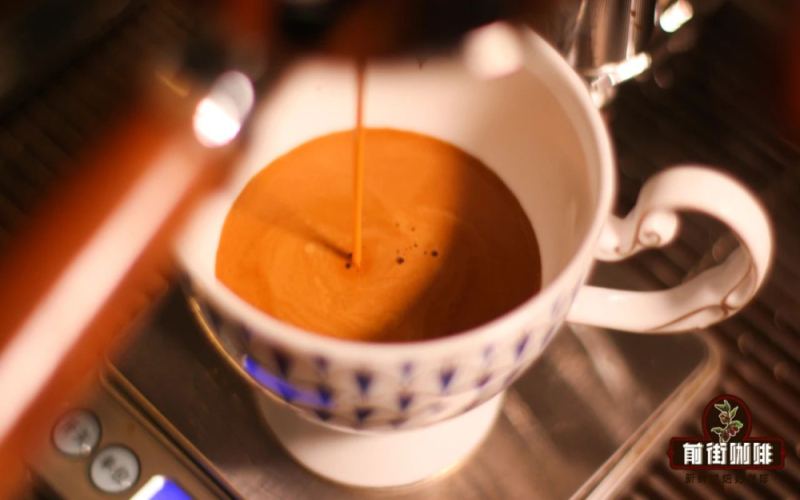
Does coffee cup size affect taste? Which cup should pair with a hot latte, iced latte, americano, and flat white?
Coffee enthusiasts often collect all kinds of cups, but have you ever considered that the shape and capacity of a cup can quietly change how a coffee is presented? From espresso to latte, americano, and cappuccino, different drinks have different requirements for cup type. Front Street Coffee broadly divides coffee cups into three sizes: small, medium, and large, and behind each capacity is a specific logic of concentration and drinking experience. Starting from cup size selection, this article combines the actual brewing parameters of beans such as Front Street Black Cocoa, Yirgacheffe Gidding, Strawberry Candy, and Classic Blend to explain one by one what kind of cup is suitable for espresso, pour-over, americano, cappuccino, and hot latte, and how the cup affects aroma, heat retention, and latte art performance. [more…]
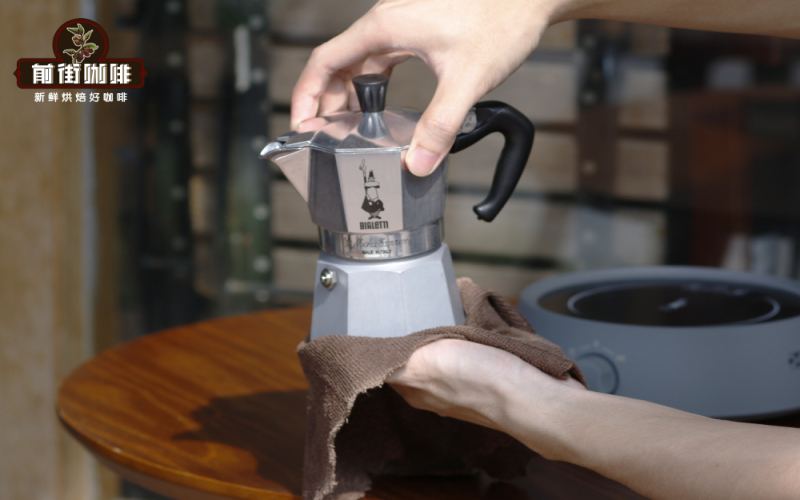
What is a Moka pot? A detailed explanation of usage steps, key points for open-flame heating, and coffee bean selection recommendations
As a classic home coffee device, the moka pot is favored by many coffee enthusiasts for its rich extraction flavor. But many people still have questions about grind size, coffee-to-water ratio, heating method, and other issues during use. This article will start from the basic structure and extraction principle of the moka pot, systematically introduce the differences between single-valve and double-valve models, the selection of capacity specifications, suitable types of coffee beans, and practical details such as grind coarseness, coffee-to-water ratio, when to turn off the heat, and whether to keep the lid open. It will also answer the common question of whether a moka pot can be heated over an open flame, and include several Front Street coffee bean recommendations to help you easily brew a rich and delicious moka pot coffee at home. [more…]

What is the professional name for a cappuccino cup? A detailed explanation of standard capacity specifications and the dry/wet distinction
Where does the name cappuccino come from? What exactly is the difference between it and a latte or a flat white? Why do some people prefer a "dry" cappuccino while others like it "wet"? This article starts with the historical origins of cappuccino and explains in detail the professional name for a cappuccino cup, the standard capacity specifications, and the core differences between dry and wet cappuccinos in terms of milk foam texture and mouthfeel. It also draws on Front Street Coffee's actual experience at its stores to help you make an authentic cappuccino with a golden ring at home. [more…]
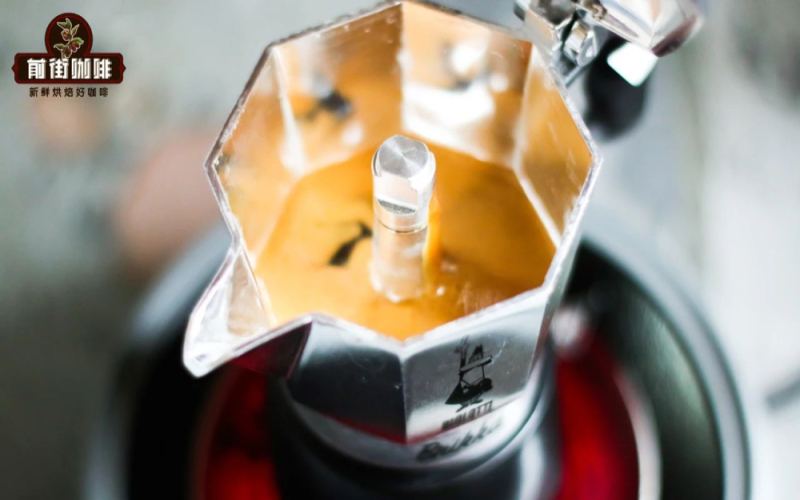
The Complete Moka Pot Brewing Guide: Structure, Principles, Single vs. Double Valve Differences, and Coffee Bean Selection Tips
The moka pot is the most commonly used espresso brewing device in Italian households, and with its refined design and excellent extraction capability, it is deeply favored by coffee enthusiasts. This article will systematically explain the moka pot's three-part structure and its steam-pressure extraction principle, compare the differences between single-valve and double-valve models in terms of crema and strength, and sort out the considerations for choosing capacity specifications. It also recommends medium-dark roasted coffee beans suitable for the moka pot, and, together with Front Street Coffee's detailed breakdown of six brewing steps—from adding water and filling coffee grounds to controlling heat and turning off the stove—explains each one, helping you consistently brew a fragrant, rich, and full-bodied cup of Italian-style coffee with abundant crema at home. [more…]
Moka Pot Safety Analysis and Correct Usage: A Complete Guide to Open-Flame Heating, Grind Size, Coffee-to-Water Ratio, and When to Turn Off the Heat
The moka pot is a staple piece of equipment in many coffee lovers' homes, but there are also plenty of questions surrounding it: Are there safety hazards? Can it be heated directly over an open flame? And how should it be operated correctly to brew a rich cup of coffee? Starting from the actual confusion of Front Street fans, this article systematically sorts out the moka pot's structural principles, the differences between single-valve and double-valve models, and capacity selection, and explains in detail the key points of coffee bean selection, grind size control, coffee-to-water ratio, heating method, and timing for turning off the heat. The article also recommends three coffees suitable for the moka pot—Front Street Coffee's specialty blend, Queen's Estate Yellow Bourbon, and Indonesian PWN Golden Mandheling—for readers to consider when purchasing. [more…]
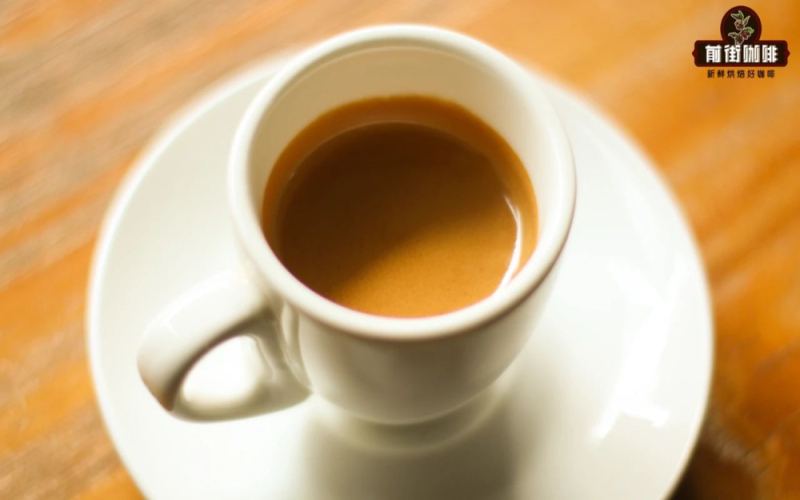
How to Choose a Home Espresso Machine? What Coffee Beans Pair Best with De'Longhi, Philips, and Gemilai
Thinking of adding an espresso machine to your home but not sure where to start? The market is crowded with brands—De'Longhi, Philips, and Gemilai each have their fans—and prices range from two or three hundred to two thousand yuan. Buying the machine is only the first step; what really determines the flavor in your cup is the coffee bean pairing. This article sorts out the mainstream home espresso machine models and their positioning, includes buying tips and a complete operating procedure, and offers specific advice for the bean-selection dilemma beginners face most often, helping you avoid detours and consistently produce a decent espresso at home. [more…]
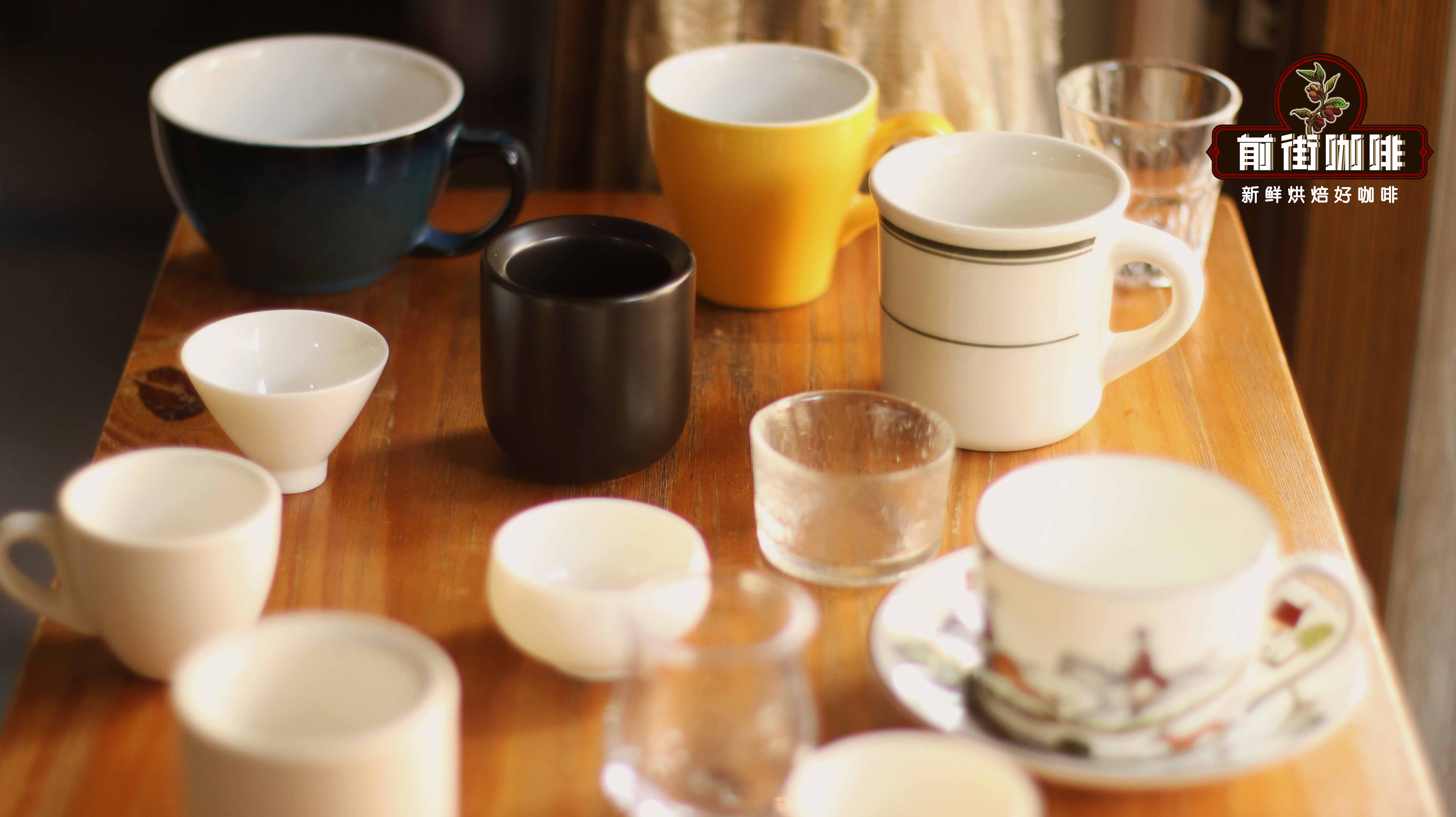
A Complete Guide to Coffee Cup Sizes: What Drinks Suit Small, Medium, and Large Cups?
Walking into Front Street Coffee, ceramic cups of various sizes are neatly arranged on the espresso machine. These cups are not placed randomly but correspond to the serving needs of different coffees. The capacity of a coffee cup often hints at the intensity of the drink within—the smaller the cup, the more concentrated the coffee. A small cup holds about 60ml, used for espresso or as a sharing cup for pour-over; a medium cup holds 180-200ml, suitable for Americano and cappuccino; a large cup holds 300ml, the stage for milk coffees like latte and mocha. This article breaks down in detail the capacity, uses, and pairing logic of Front Street's three cup sizes, helping you choose the right cup at home and drink with professional standards. [more…]

The Impact of Wetting Filter Paper Water Temperature on Coffee Extraction: How to Choose Between Hot and Cold Water
When brewing pour-over coffee, wetting the filter paper is a common step, but have you ever considered that the choice of water temperature can also change the final flavor? This article analyzes the different results brought by wetting the filter paper with hot water versus cold water from three dimensions: the state of the filter paper, extraction efficiency, and coffee temperature. At the same time, drawing on Front Street Coffee's brewing experience, it offers recommendations for filter holders made of different materials such as ceramic and resin, and explores the actual impact of preheating the sharing pot on the temperature of the brewed coffee. Whether you are pursuing sweetness or delicate flavors, you can find a way of wetting the filter paper that suits you. [more…]
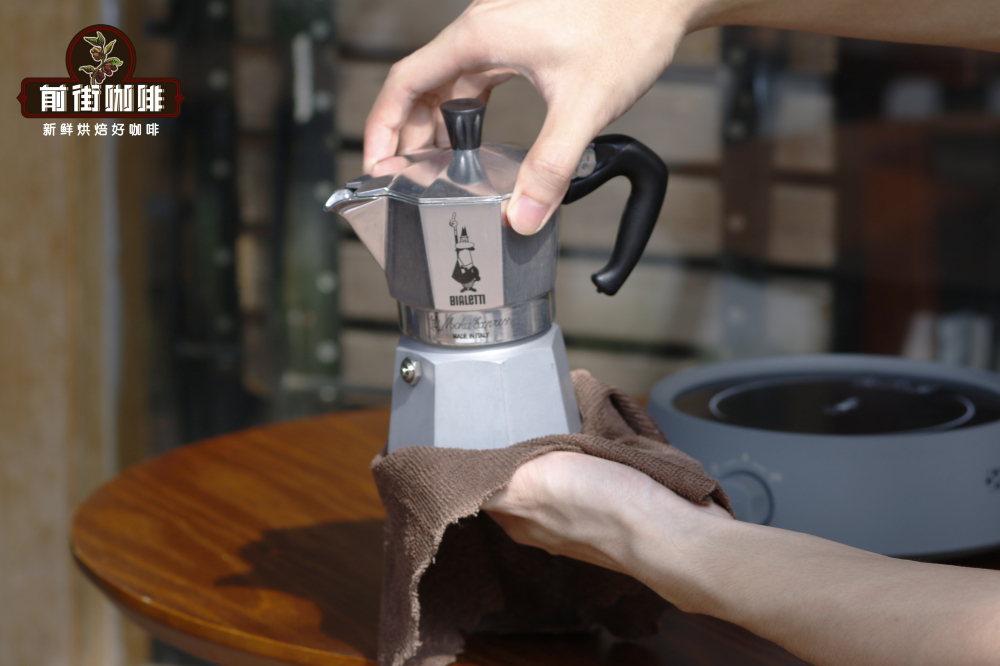
Moka Pot User Guide | What Is a Moka Pot? Can a Moka Pot Be Used on an Open Flame? What Precautions Should Be Taken When Brewing Coffee with a Moka Pot?
Recently, a fan of Front Street Coffee has fallen in love with brewing coffee using a moka pot, especially enjoying a strong cup from the moka pot in the morning. However, this fan is unsure whether their method of using the moka pot is correct, so they approached Front Street Coffee to discuss this issue. Front Street Coffee believes that as a standard household coffee device, the moka pot should not have too many rigid standards. [more…]
Filter Cup Buying Guide: How Material, Flow Rate, Shape, and Functional Design Affect Pour-Over Coffee Flavor
The popularity of pour-over coffee is inseparable from the dripper, a key piece of equipment. From Mrs. Melitta's accidental experiment with blotting paper and a copper bowl to today's dazzling array of drippers, choosing a suitable one has become a source of confusion for many coffee lovers. Front Street Coffee starts from four dimensions—material, flow rate, appearance design, and functional design—and, combining hands-on testing data with in-store experience, analyzes the specific effects of different drippers on extraction temperature, water flow speed, and coffee flavor layers. Whether you seek stability and beginner-friendliness or wish to finely control the direction of flavor, this article will provide you with practical purchasing ideas and references. [more…]
Complete Guide to Moka Pot Brewing: Single-Valve vs. Double-Valve Differences and Key Operating Points
The moka pot is a common stovetop espresso device found in Italian households, using steam pressure to brew a rich, concentrated coffee. This article starts with its structure and working principle, compares single-valve and dual-valve models in terms of crema and strength, includes capacity buying advice, and details the medium-dark roast beans recommended by Front Street Coffee along with the complete brewing steps. [more…]