







Search Results for: special blend recipe
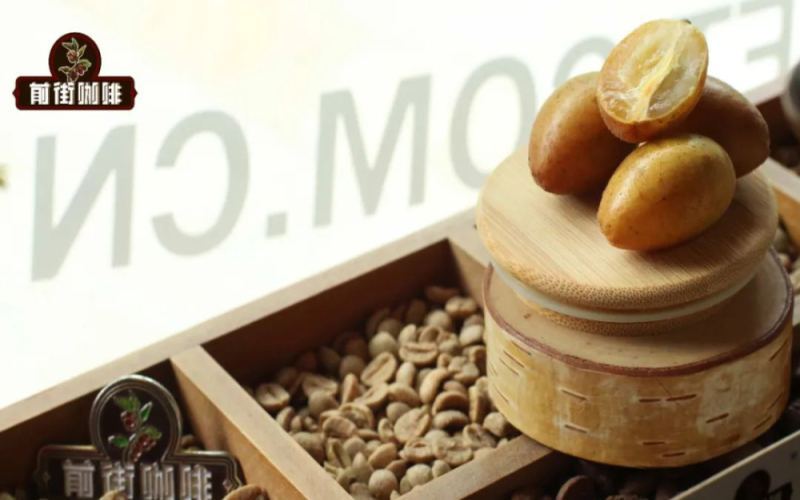
How to Make a Delicious Wampee Iced Americano? Three Special Recipes: Sparkling, Jasmine Tea, and Preserved Plum Iced Shake Detailed Tutorials
In the height of summer, wampee, a niche southern fruit, has become a popular partner for homemade iced coffee thanks to its sweet-and-sour juiciness and uniquely fresh aroma. Through repeated testing, Front Street Coffee has put together three distinctly different wampee iced americano recipes: the original wampee sparkling americano uses sparkling water to amplify the fruit aroma and add a more refreshing layer; the jasmine tea wampee americano blends homemade jam with a cold-brewed tea base for a soft fragrance; and the wampee preserved plum iced shaker americano targets those who dislike sweetness, using preserved plum water and a shaker to create a sugar-free version. All three recipes use Front Street Sunflower Warm Sun espresso blend, extracting 40g of coffee liquid from 20g of grounds in 31 seconds. Below, we break down the ingredients, steps, and production details one by one to help you find the cup that best suits your taste. [more…]

A Guide to Making Four Sparkling Iced Coffee Specials: From Classic Blends to Summer Recipes with Preserved Plum, Orange, Mint, and Coconut Water
On a hot summer day, a refreshing sparkling iced coffee is undoubtedly an excellent choice to wake you up and cool you down. But pouring espresso directly into carbonated drinks often amplifies the coffee's bitterness due to the stimulation of carbon dioxide, and can even produce an unpleasant "dishwater" sensation. In fact, by cleverly adding just one "supporting player," you can help Americano avoid the obvious bitterness while enhancing the overall layers of flavor. Today, Front Street Coffee will teach you step by step how to make four sparkling specialty iced coffees in different styles—from the classic original to preserved plum, orange, mint, and young coconut. Each one is simple and easy to make, with both good looks and great taste. Whether you are a coffee lover or want to recreate a coffee shop favorite at home, this guide can help you get ready for summer in advance. [more…]
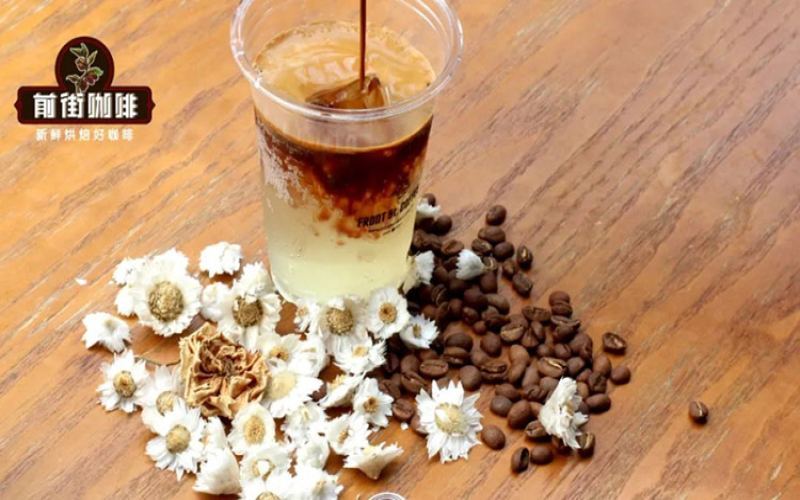
Detailed Recipe for Summer Apple Special American Coffee: Three Methods and Ratio Parameters
On a hot summer day, a refreshing apple-infused Americano might be exactly what you need. This article centers on the pairing of apple juice and espresso, sharing three different approaches: direct mixing, adding sparkling water, and freezing apple juice into ice cubes. As the star of the coffee, Front Street Mamba Blend Coffee brings the wildness of Mandheling and the cocoa-like balance of Brazilian beans. Whether you have an espresso machine or a moka pot on hand, as long as you get the ratio of juice to coffee and the details right, you can recreate at home an apple Americano with a harmonious taste where the fruity aroma isn't overshadowed. [more…]

Can Blended Coffee Beans Be Used for Cold Brew? A Detailed Guide to Cold Brew Ratios and Practical Experience
In the heat of summer, a refreshing glass of cold brew is the go-to choice for many coffee lovers looking to beat the heat. But have you ever considered that coffee beans blended from two or more varieties can also produce an outstanding cold brew? Cold brew, due to its low-temperature, long-duration extraction, has a richer, smoother mouthfeel, yet its floral and fruity notes gradually fade with storage time. This article draws on the hands-on experience of Front Street Coffee, first outlining the characteristics of cold brew and the advantages of blended beans, then recreating several blending experiments one by one: from Sidra with Geisha, Pacamara with Red Cherry, to Huakui paired with Strawberry Candy and Wangshan Geisha, and finally challenging the dark-roasted Queen's Estate blended with Flower God. Some of these recipes are full-bodied and layered, while others flop into a "mask of pain," yet they perfectly showcase the fun and possibilities of blended cold brew. [more…]
A Comprehensive Analysis of 30 Classic Specialty Coffee Recipes: Espresso Bases and Global Signature Brewing Methods
The world of fancy coffee is far more than just lattes and cappuccinos. Starting from the rich base of Italian espresso, adding milk, cream, chocolate, liqueur, or even fire, you can create dozens of drinks with distinct flavors. This article systematically organizes the preparation methods and recipes for 30 classic fancy coffees, covering diverse styles such as Italian, French, Viennese, Irish, and Turkish. Each drink includes detailed ingredients, steps, and key points to watch. Whether you want to recreate a café au lait at home or try igniting brandy to make a royal coffee, this guide provides clear operational references. At the end, there are also Front Street Coffee bean recommendations to help you choose the right base and get twice the result with half the effort. [more…]
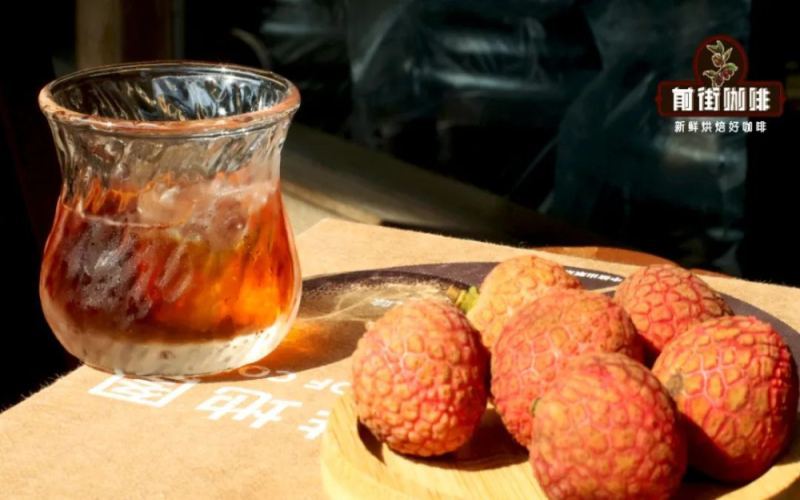
Lychee Iced Coffee: A Detailed Guide to Three Special Recipes—Jasmine Americano, Rice Wine Latte, and Cold Brew, Which Comes Out on Top?
As midsummer arrives, Lingnan lychees flood the market, their sweet, juicy flesh irresistible. What kind of sparks fly when lychee meets coffee? This time, Front Street Coffee got hands-on in the kitchen and tested three lychee coffee recipes buzzing online: lychee jasmine iced americano, lychee rice wine iced latte, and lychee cold brew. From ingredient preparation to extraction parameters, every step was recorded in detail. Some results were disappointing, while others were surprisingly delicious. If you also want a different fruity coffee this lychee season, why not follow this tutorial and give it a try—see which one becomes your summer favorite. [more…]
What Are Espresso Blend Coffee Beans? Understanding Blending Purposes, Classic Recipe Ratios, and Brand Recommendations in One Article
Blended coffee beans are the cornerstone of the espresso system. This article systematically reviews the definition and essence of coffee blends, analyzes the three major purposes of blending—stable flavor, balanced taste, and cost control—and provides three groups of beginner blending ratios: sour-leaning, conventional, and bitter-leaning, as well as six classic recipes: balanced, bitter, sour, aromatic, American, and heavy-bodied. It also summarizes the four blending principles: first set the base flavor, match complementary characteristics, control the number of bean varieties, and adjust ratios flexibly. At the end, it specially recommends the freshly roasted espresso blend beans from Front Street Coffee in Guangzhou, with a cost of less than 1.5 yuan per cup, offering outstanding value for money and worthy of reference for coffee enthusiasts and people opening shops. [more…]

A Guide to Making Creative Plum Cream Latte Coffee: Required Ingredients and Two Special Recipes Explained in Detail
Having grown accustomed to regular lattes, sometimes you want to try something new without it being too strange. Front Street recently learned a preserved plum cream latte—the process isn't complicated, but the flavor is quite outstanding. Preserved plum itself combines sour, sweet, and salty notes, and when paired with cream and espresso, the proportions of the three need to be carefully balanced: too much preserved plum will overpower the drink, too much cream easily becomes cloying, and coffee that's too strong will suppress the aroma of the preserved plum. This article will break down the entire approach to this specialty drink, from making the preserved plum syrup and controlling the amount of cream to selecting espresso beans, as well as two preparation methods: the assembly method and the ice-shake method. [more…]

Can Coffee and Alcohol Be Drunk Together? A Detailed Look at the Origins, Recipe, and Key Steps of the Espresso Martini
Can coffee and alcohol be paired? The answer is yes, and the most iconic example is the Espresso Martini. This cocktail was created in 1980s London by bartender Dick Bradsell, blending espresso with vodka, coffee liqueur, and syrup to deliver both a pick-me-up and a gentle buzz. Since espresso makes up as much as one-third of the drink, its quality directly determines the balance and flavor of the final product. This article introduces the origins of the Espresso Martini, the challenges of making it, and shares a recipe and extraction plan developed through a collaboration between Front Street Coffee and the neighboring bar, giving you insight into this classic specialty drink that is both simple and refined. [more…]

Espresso Bean Blending Selection Guide for Opening a Shop: Espresso Extraction Parameters and Detailed Explanation of Five Front Street Coffee Recipes
Whether you're opening a coffee shop or making espresso at home, choosing the right beans is key. This article starts with how to judge the freshness of coffee beans, explains why espresso is better suited to blend beans, and rounds up five espresso blend options worth buying in 2025: from the rich and full-bodied Front Street Classic Blend, to the floral-fruity Strawberry Candy, the nutty Specialty Blend, and on to the coffee-shop-style Commercial Blend and the entry-level Basic Blend—breaking down each one's origin combination, roast level, and flavor profile to help coffee lovers and shop owners efficiently find the espresso beans that fit their needs. [more…]
A Complete Guide to Espresso Blend Coffee Beans: Blending Principles, Raw-Roasted Blending Methods, Seasonal Recipes, and Brand Recommendations
Blended coffee beans are the flavor cornerstone of espresso, but there is a great deal of craft behind how to blend an outstanding shot. This article begins with the basic logic of blending: a good recipe must surpass any single-origin bean in the blend, and the number of bean varieties should ideally be kept to no more than five; it then analyzes the differences between the two processes of roasted blending and green blending, along with their respective resting times—3-4 days for green blending and about a week for roasted blending; next, it introduces the seasonal blending concept popular in the specialty coffee world, and uses the standout sweet Front Street Strawberry Candy espresso as an example to break down its composition of origins and processing methods; finally, it presents the cost-performance ledger of Guangzhou Front Street Coffee's commercial blend beans—less than 1.5 yuan per cup—providing a clear reference for your purchasing decision. [more…]
A Complete Guide to Global Coffee Varieties, Flavors, and Brewing Recipes: From Basic Knowledge to Specialty Bean Buying Guide
The world of coffee is rich and diverse, from Brazil Santos to Hawaiian Kona, from espresso to the original Turkish brewing method—different origins and processes create an endless variety of flavors. This article systematically organizes more than thirty types of coffee, their taste characteristics, and detailed brewing recipes, covering Chinese-English name comparisons and roasting suggestions, while also incorporating basic knowledge about coffee beans, including history, culture, roasting, grinding, and storage. Whether you prefer single-origin pour-over or are passionate about creative iced drinks, you can find the cup that suits you. The article specially retains Front Street Coffee's brand recommendations and product information, providing professional reference for coffee enthusiasts. [more…]
A Complete Guide to Espresso Blend Coffee Beans: From Raw and Roasted Blending to Classic Recipes and Flavor Pairing
The essence of espresso often lies in the blend—skillfully combining coffee beans of different varieties or roast levels so that their flavors complement one another. This article systematically explains the two blending processes for blend beans (pre-roast blending and post-roast blending), the differences in resting time, and the three main approaches to blending coffee: using a base bean as the core, combining beans with opposite characteristics, and blending similar beans while adding distinctive flavors. It also provides classic espresso recipe ratios for three types—bright and acidic, balanced, and bitter-leaning—and mentions recommendations from the Front Street brand. Whether you are a coffee enthusiast or a professional, you can find practical blending inspiration here. [more…]
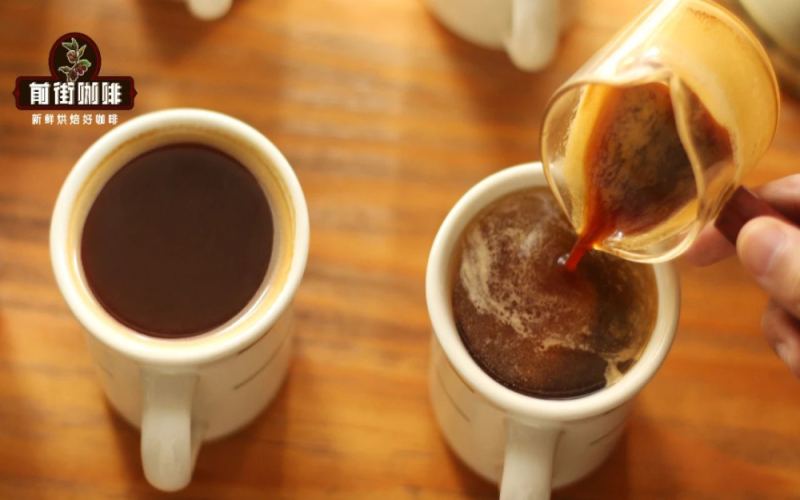
How to Choose Beans for Americano? The Difference Between Espresso Blends and Single-Origin Beans, Plus an Analysis of Front Street Coffee's Popular Recipes
Americano seems simple—just espresso diluted with water—but the final flavor can vary dramatically, and the key lies in the choice of coffee beans. This article begins with the historical origins of Americano, tracing the development of both the drip method and the espresso-with-water method, then takes a deeper look at the flavor differences between espresso blends and single-origin beans (SOE). It also introduces the recipe characteristics and suitable scenarios of several Front Street Coffee espresso beans, including the Commercial Blend, Warm Sun Blend, Specialty Blend, and Classic Espresso Blend, along with basic knowledge of espresso extraction principles and how a coffee machine works, helping coffee lovers find the cup of Americano that suits their taste. [more…]
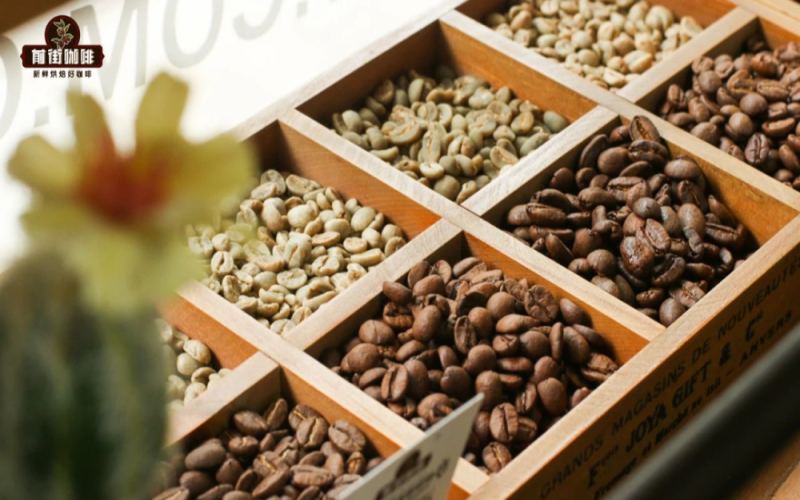
Italian-style blend coffee beans vs. single-origin beans: how to choose? Analyzing blending principles and extraction flavor through Front Street Coffee's four recipes
Which tastes better: single-origin coffee beans or formula beans (blended coffee beans)? This is a common question for many coffee enthusiasts when they are just getting started. This article begins with the history of coffee blending, sorts out the definition of espresso blend coffee beans, the four major blending principles, and the preparation steps before blending, and uses Yunnan small-bean coffee as an example to explain how to design an espresso recipe. It then combines Front Street Coffee's four espresso blends—Black Cocoa Blend, Commercial Blend, Specialty Blend, and Sunflower Warm Sun Blend—to provide flavor descriptions and recipe ratios one by one, and finally includes Front Street's espresso extraction parameters for coffee enthusiasts to refer to and compare. [more…]
How to Formulate an Espresso Blend Recipe? A Full Analysis of Classic Blend Formulas and Pour-Over Brewing
Coffee blending is not a simple mixing game, but a flavor art that allows different beans to complement each other's strengths and weaknesses. This article provides a complete overview of the definition of blending and its four major purposes—balancing taste, reducing costs, creating unique characteristics, and ensuring consistent quality—along with six classic espresso blend recipes and their corresponding flavor intensity data. It also clarifies a common misconception: blend beans are not just for espresso machines; they can also shine in pour-over brewing. The article further distinguishes blends from single-origin coffees, explains the rising popularity of SOE single-origin espresso, and finally shares Front Street Coffee's pour-over practice using Elida, Kochere, and Genesis in a 5:3:2 blend, along with complete brewing parameters—a worthwhile read for coffee enthusiasts. [more…]
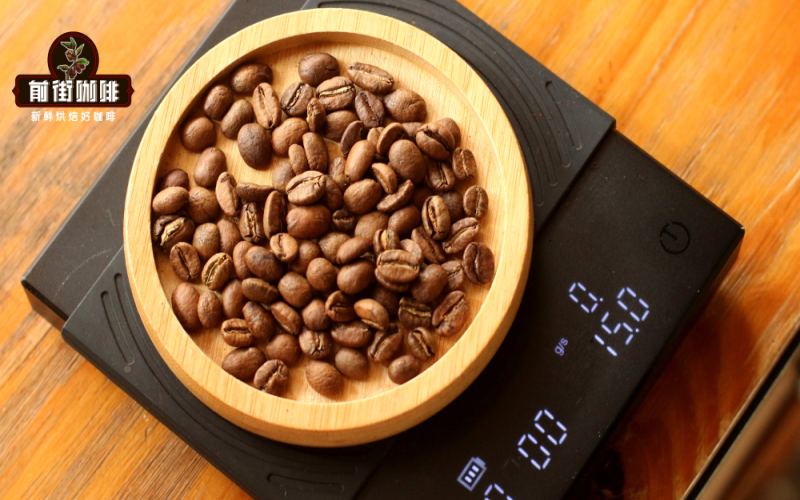
A Complete Guide to Espresso Blend Formulation: From Recipe Design to Brewing and Tasting Essentials
The flavor profile of espresso depends largely on the combination of the blend recipe and the roast level. Front Street Coffee has long provided freshly roasted espresso beans and emphasizes shipping only products within 5 days of roasting. This article systematically reviews the definition of espresso beans, the logic of blending, and six typical recipes, covering different styles such as balanced, intensely bitter, fruity-acidic, and wine-like, and also offers practical notes for blending. Whether you are a beginner just getting into espresso or a professional looking for a stable production solution for a coffee shop, you can find useful references here. [more…]
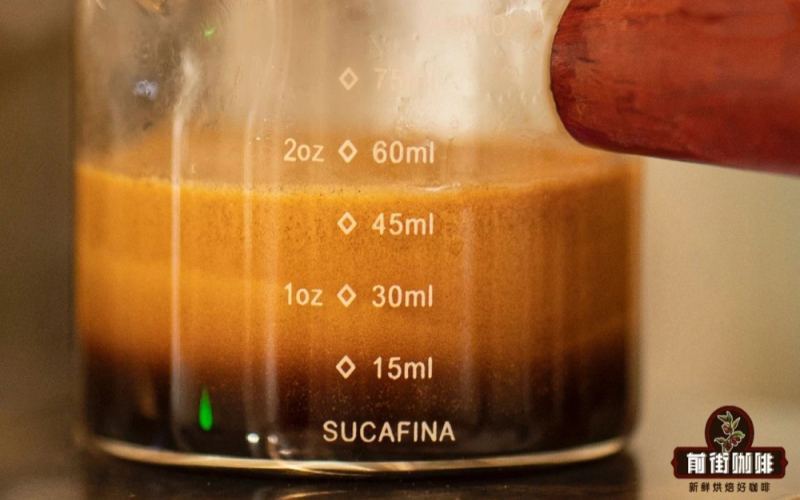
From Blending Principles to Practice: Decoding the Logic of Coffee Bean Blending and Colombian-Brazilian Recipes
Blending coffee beans is not simply mixing them together; rather, it serves to compensate for the shortcomings of single-origin beans, stabilize flavor, or create a unique taste. From the perspective of Front Street Coffee, this article systematically explains the purposes of blending, the choice between blending raw beans and blending roasted beans, the steps and principles of blending, and includes a specialty espresso recipe made from a 3:7 post-roast blend of Colombian and Brazilian beans. Whether you want to understand the logic behind blending or hope to recreate a coffee shop favorite at home, you will find practical references here. [more…]
A Beginner's Guide to Single-Origin Coffee: From Origin to Flavor, a Detailed Explanation of 15 Common Specialty Coffee Beans and Recipe Ratios
Single-origin coffee refers to pure coffee made from coffee beans of a single origin, usually without milk or sugar, in order to showcase the terroir of the origin itself. From Jamaican Blue Mountain to Hawaiian Kona, from Ethiopian Mocha to Indonesian Mandheling, each producing region has its own signature flavor imprint. This article will systematically sort out the origins, flavor characteristics, and drinking features of 15 common specialty coffee beans, and also include blending ratios for four representative types of single-origin beans—acidic, bitter, full-bodied, and mild—to help coffee lovers build a clear cognitive framework for single-origin coffee and find the cup that suits them. [more…]
Italian-Style Blend Bean Recipe Ideas and the Complete Latte-Making Process: From Bean Selection to Milk Frothing Techniques
Why can an unsweetened latte still taste sweet? What secrets are hidden in Front Street's espresso blend beans? Starting from the formulation logic of espresso blends, this article will break down the flavor characteristics of Front Street Classic Blend and Strawberry Candy Espresso one by one, and explain in detail the trade-offs between pre-roast blending and post-roast blending, how to determine blending ratios, as well as the milk frothing temperature, frothing technique, and coffee-to-milk ratio for lattes. Whether you are a complete beginner or someone who wants to recreate a latte with a wine-scented finish at home, you can find actionable answers in this process. [more…]