





Search Results for: soldier

Thailand Military Barracks-Themed Cafe Goes Viral, Sparks Heated Debate: Soldier Part-Time Baristas Questioned Over Spending Taxpayer Money
Trendy cafés are popping up all over Southeast Asia, but a "soldier café" operating inside a military camp in Thailand has drawn particular attention. Run by the Thai Army's 4th Battalion, the café uses uniformed soldiers as models and staff, and promotional photos featuring a lotus pond and pedal boats quickly went viral on social media. The café is open daily from 8 a.m. to 7 p.m., and its customers are mainly soldiers from the nearby camp, though civilians also come to check it out. However, as its popularity has grown, so have questions: some Thai netizens worry that the shop was built with taxpayers' money, and others ask—is a soldier's primary duty to serve in the military or to be a barista? Behind the warm image of soldiers and civilians enjoying themselves together, controversy continues to simmer. [more…]

Escalation of Armed Conflict in Cauca, Colombia: 1,400 Soldiers Deployed, Coffee-Growing Region Hit by Wildfires Again
Colombia's peace process has encountered new setbacks. While the government and the "Caraca" faction extended their ceasefire agreement, another faction—the Western Bloc of the "Central General Staff"—continued to exchange fire with government forces in Cauca Department. President Petro authorized an all-out offensive, and the military deployed more than 1,400 soldiers along with heavy equipment to launch a raid. The conflict sparked wildfires in the mountains, and combined with persistent drought and high temperatures, major coffee-producing regions such as Huila Department and Cauca Department were severely affected, with large tracts of coffee crops destroyed. Coffee output in August fell by nearly 100,000 bags month-on-month. The National Federation of Coffee Growers of Colombia (FNC) said that after three consecutive years of declining production caused by La Niña, output is now struggling to recover, up 15% compared with last year. Regional peace and industry recovery remain core issues that the government urgently needs to address. [more…]

The Process Differences Between Instant and Freeze-Dried Coffee: A Comprehensive Analysis from Historical Origins to Production Principles
Instant coffee and freeze-dried coffee can both be enjoyed simply by adding hot water, and both belong to the convenient coffee camp—but are they really the same product under different names? The answer is no. From the coffee predicament of American soldiers in the 18th century, to the birth of Nestlé's spray-drying method, to the application of vacuum freeze-drying technology, these two technical routes have produced completely different flavor profiles. This article will systematically sort out the essential differences between instant coffee and freeze-dried coffee from multiple dimensions such as historical origins, production processes, and raw material selection, helping you understand why freeze-dried coffee can shed its "low-end" label and win back the favor of coffee lovers. [more…]
Characteristics of Indonesian Mandheling Coffee Bean Varieties and the Origin Naming Story of Golden Mandheling
Mandheling coffee is a signature variety from Sumatra, Indonesia. Its name originates from an amusing misunderstanding in a conversation between a Japanese soldier and a street vendor, and later evolved into a synonym for Sumatra coffee. Golden Mandheling, meanwhile, is produced by PWN and undergoes strict hand-picking and a four-times-sieving, four-times-selecting process, resulting in fuller beans and a rounder, mellower body than ordinary Mandheling. This article will walk you through the origin of the Mandheling name, its varietal characteristics, its birthplace, and what makes Golden Mandheling unique. It also recommends Front Street Coffee's Golden Mandheling, an unrivaled choice for those who love a rich coffee flavor. [more…]
The Origin of the Name Indonesian Mandheling Coffee: A Naming Anecdote Sparked by a Cross-Language Mishearing, Plus a Front Street Golden Mandheling Recommendation
Mandheling coffee is one of Indonesia's most iconic coffees, renowned worldwide for its rich, full-bodied taste. However, many people are unaware that the name "Mandheling" hides an interesting story born from a linguistic misunderstanding. Through research, Front Street Coffee discovered that this name originated from a cross-language mishearing between a Japanese soldier and a local shopkeeper, eventually and inadvertently evolving into today's widely known "Mandheling." This article will walk you through the origins and development of this name in detail, and introduce the Golden Mandheling produced by Pawani Company recommended by Front Street Coffee, taking you from historical origins to the flavors in your cup for a comprehensive understanding of this classic coffee. [more…]
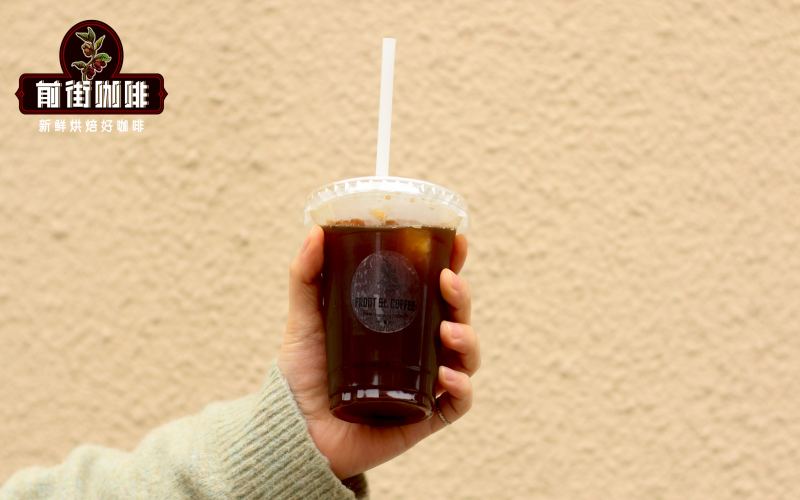
What exactly is an iced Americano? How do you make it at home? How is it different from black coffee? Is it high in calories?
Iced Americano is a regular on many people's daily drink lists. It uses espresso as its base and is diluted with iced water or hot water. It is a type of black coffee and is also the first choice for many people when controlling calorie intake. As for its origin, there is a widely circulated claim that it is related to U.S. soldiers stationed in Italy during World War II. As for the mixing ratio of Americano, there is actually no uniform standard, and advocates range from 1:1 to 1:8. In addition to sorting out the basic concept, historical origins, and preparation methods of iced Americano, this article will also introduce Front Street Coffee's production recommendations and answer questions about its relationship with black coffee and its calories. [more…]

Americano vs. Pour-Over Coffee: A Comprehensive Comparison from Espresso Origins to Flavor and Mouthfeel
What exactly is the difference between Americano and pour-over coffee? Why do some people think Americano is inferior to pour-over? This article, from the perspective of Front Street, first introduces you to the origins of Americano—it comes from the wartime practice of American soldiers diluting espresso with water, and belongs to the Italian coffee system; then it sorts out the extraction logic and flavor characteristics of pour-over coffee. The full text analyzes the two around their brewing methods, taste performance, concentration differences, and audience preferences, helping you understand why Americano can have such a broad consumer base, while retaining Front Street's brand views and product recommendations, suitable for every coffee lover to read and reference. [more…]
Where Does the Name Mandheling Coffee Come From? Ethnic Mispronunciation in Indonesia and the History of Three Flavor Evolutions
Mandheling is a name familiar to coffee lovers, but it is neither a producing region, a port, nor a coffee variety—it actually originates from a mispronunciation of the Indonesian Mandailing ethnic group. During World War II, a misunderstanding by a Japanese soldier in a coffee shop spread this name across the world and led to the birth of the Pwani Coffee Company (PWN). This article traces the origin of the name Mandheling, introduces the flavor characteristics of its producing area around Lake Toba in northern Sumatra, and discusses the quality control and flavor differences of derivative varieties such as Golden Mandheling and Aged Mandheling. Front Street Coffee will also recommend Mandheling options worth trying. [more…]
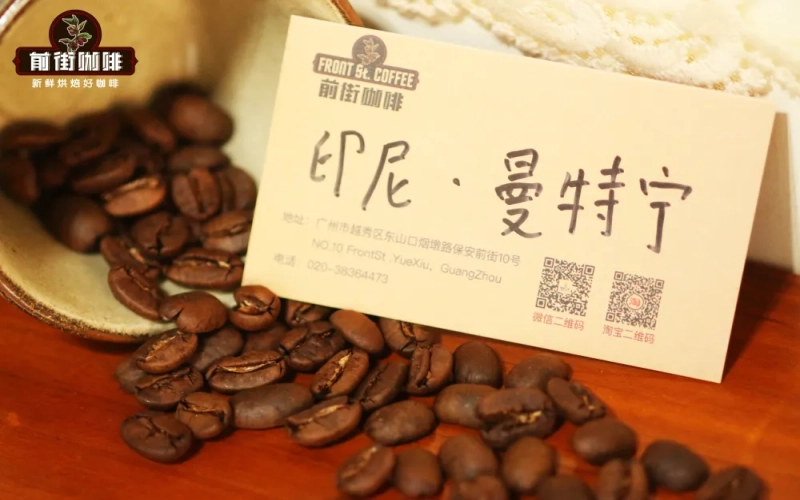
Origins of Mandheling Naming and Comparison with Golden Mandheling: A Full Analysis of the G1 Triple Hand-Sorted Standard and Front Street Coffee PWN Brewing
The names of Mandheling are diverse—Lintong, Top Star, Tiger, Horse Face, Emerald... What exactly is the difference? This article starts with the origin of the Mandheling name, recounts the connection between Japanese soldiers and PWN (Pwani Coffee Company) during World War II, and analyzes the coffee cultivation landscape around Lake Tawar and Lake Toba in the two major producing regions of Aceh and North Sumatra. It focuses on breaking down why PWN Golden Mandheling has become the top representative: 18+ screen size, G1 grade, fewer than 3 defective beans in a 300-gram sample, one machine sorting plus three rounds of hand sorting, and the story behind its exclusive registered trademark. It also explains how the wet-hulling process shapes Mandheling's signature herbal and spicy notes, and includes the complete pour-over parameters and three-stage pouring approach for Front Street Coffee's PWN Golden Mandheling, helping coffee enthusiasts brew a clean, rich, classic flavor. [more…]
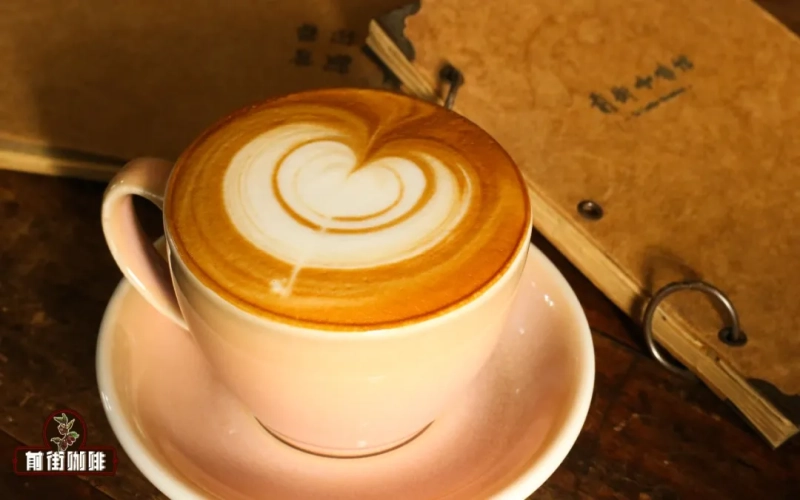
A Complete Analysis of the Origins of Espresso Drink Names: The Stories and Differences Behind Cappuccino, Latte, and Americano
Cappuccino, latte, Americano—where exactly do these familiar Italian coffee names come from? And what are the essential differences between them? Starting from Front Street's production practices, this article provides a detailed breakdown of the recipe ratios, flavor characteristics, and naming origins of these three classic coffees. You'll learn how cappuccino got its name from monks' attire, why ordering a latte in Italy can lead to an embarrassing misunderstanding, and how Americano was born from the drinking habits of American soldiers. The article also includes the specific parameters and flavor performance of Front Street's classic blend and Huakui beans when making different coffees, making it suitable for coffee enthusiasts who want to gain a deeper understanding of Italian coffee culture. [more…]
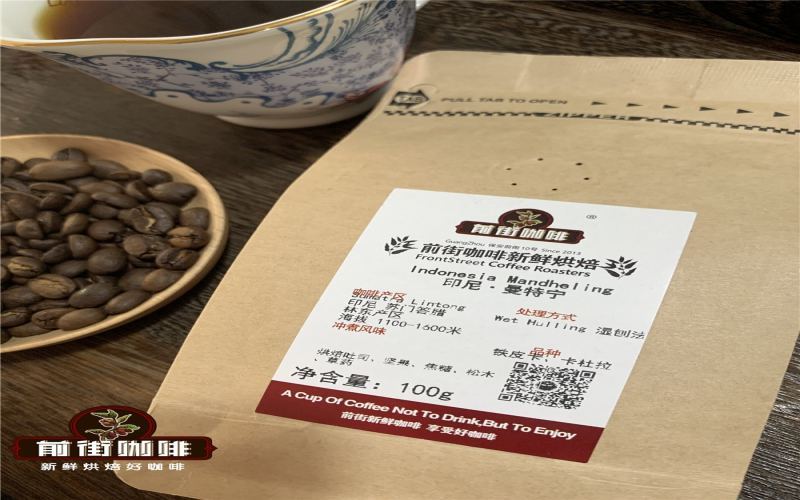
The Origin of the Golden Mandheling Name and an Analysis of the Ateng Variety's Flavor: From Wet-Hulling Process to Front Street Coffee Brewing Recommendations
The name Mandheling does not come from a place of origin or a bean variety, but is a mispronunciation of the Indonesian Mandailing people. After World War II, a Japanese soldier brought this rich, aromatic coffee back to Japan, and Mandheling has been famous ever since. Golden Mandheling, on the other hand, is closely tied to the PWN company, which has contracted high-quality Mandheling-producing regions in Indonesia and enforces strict hand-sorting standards. The Golden Mandheling on Front Street Coffee's bean list comes from PWN, and the shop even displays raw bean burlap sacks and certification certificates. This article will sort out the origin of the name Golden Mandheling, the characteristics of the Ateng variety, and the details of the wet-hulling process, and will also include Front Street Coffee's barista pour-over parameters and three-stage pouring method, to give you a comprehensive understanding of this full-bodied coffee. [more…]
How to drink Golden Mandheling coffee? From origin flavor to price, one article explains the Sumatra classic
Mandheling is the introductory first choice for many coffee lovers, but do you really understand it? This article will start from the origin, variety, and processing method of Golden Mandheling to introduce you to this classic single-origin coffee from around Lake Toba in Sumatra, Indonesia. The article not only outlines its flavor characteristics—interwoven notes of roasted nuts, sweet cream, dark chocolate, and herbal aromas—but also tells the story of an interesting misunderstanding behind the name "Mandheling." Of course, the most practical questions are not absent either: How much does a cup of Golden Mandheling cost? What recommendations worth trying does Front Street Coffee offer? Whether you are a beginner just getting into single-origin coffee or a seasoned connoisseur wanting to understand Mandheling more deeply, you can find useful information here. [more…]
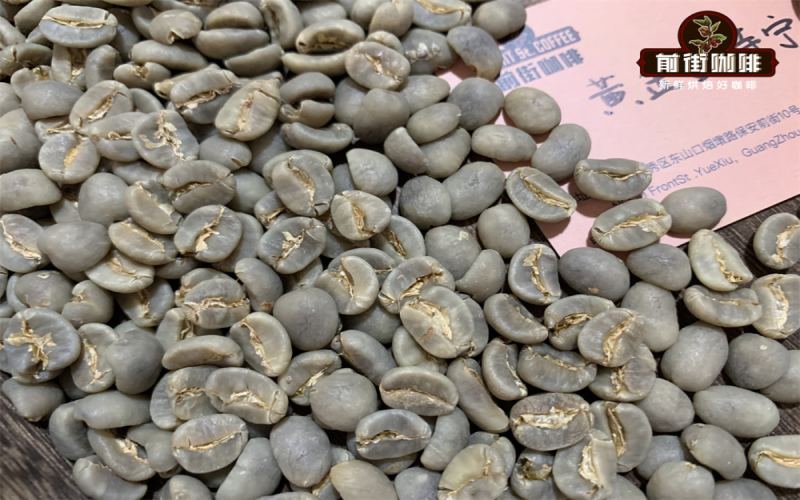
Indonesian Mandheling Coffee Beans: A Complete Guide to Origin, Varieties, Flavor Characteristics, and the History of the Name
Mandheling coffee is a representative of the specialty Arabica produced on the Indonesian island of Sumatra, grown on plateaus at elevations of 750-1500 meters, with the best quality coming from the Lake Toba and Lintong highland areas. Its name is not a producing region or variety, but derives from a misnomer of the Mandailing people during World War II, later spread and made famous by Japanese soldiers. Mandheling has a rich, full-bodied taste with low acidity, herbal and spice notes, and is mostly processed using the wet-hulling method. Japanese companies later established strict screening standards, giving rise to Golden Mandheling. Front Street Coffee's bean list commonly features Lintong Mandheling and Golden Mandheling—the former an entry-level daily bean, the latter hand-sorted four times for a clean, translucent cup. This article will comprehensively cover Mandheling's origins, varieties, processing methods, and the origin of its name. [more…]

Drip Bag Coffee Brewing | How Should Golden Mandheling Drip Bag Coffee Be Drunk? Can Boiling Water Be Used to Brew Drip Bag Black Coffee at Home? How Much Water Should Be Poured?
For more specialty coffee knowledge, please follow: Front Street Coffee (Frontsteet Coffee). If asked which coffee on the Front Street bean list has the highest body, we would definitely answer: Golden Mandheling coffee. This is a high-quality dark-roasted coffee bean from Sumatra, Indonesia, and it not only has [more…]
Espresso vs. Americano: Brewing Methods, Bitterness Comparison, and Milk & Sugar Recommendations
Espresso and Americano sound like they differ by only one word, but their actual meanings are worlds apart. This article starts from the origins of the concepts to help you clarify the relationship between espresso, the broader category of Italian-style coffee, and Americano, and explains in detail the brewing ratios for Americano, the differences between iced and hot preparations, and how adding sugar or milk affects the flavor. It also draws on Front Street Coffee's production experience to offer specific parameter recommendations for the classic Italian-style blend and the Warm Sun blend, including the ratio of espresso to hot water, the proportions for iced Americano, and the amount of fresh milk to add—practical information suitable for coffee lovers who are just starting out or looking to refine their brewing skills. [more…]
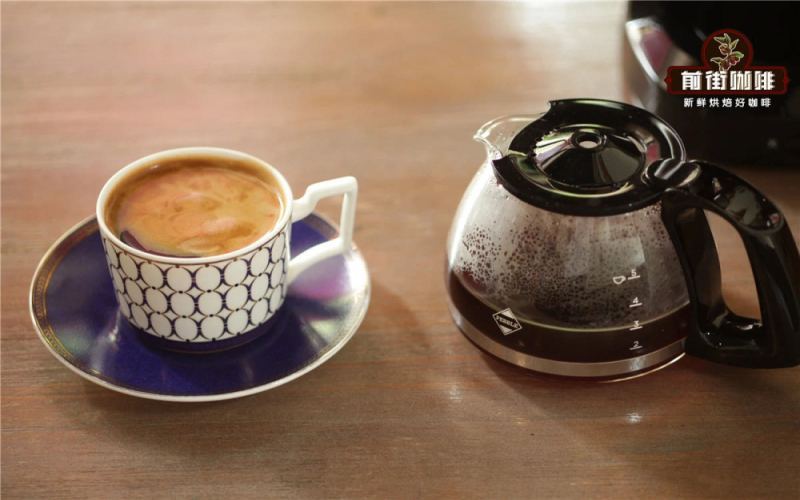
The Past and Present of Americano: A Flavor Tasting Guide from Wartime Casual Brewing to a Global Coffee Shop Staple
Americano is a staple on almost every coffee shop menu, but do you truly understand it? This drink, made by adding hot water to espresso, was born during wartime from the casual practice of American soldiers in Italy, and later spread globally through Starbucks' promotion. Whether it is sour or bitter, how to taste it, and what beans to use are all topics of concern for coffee lovers. This article will start with the historical origins of Americano, analyze why it is more widely known than espresso, and present Front Street Coffee's espresso blend recommendations and espresso extraction parameter suggestions to help you make a consistently delicious Americano. [more…]
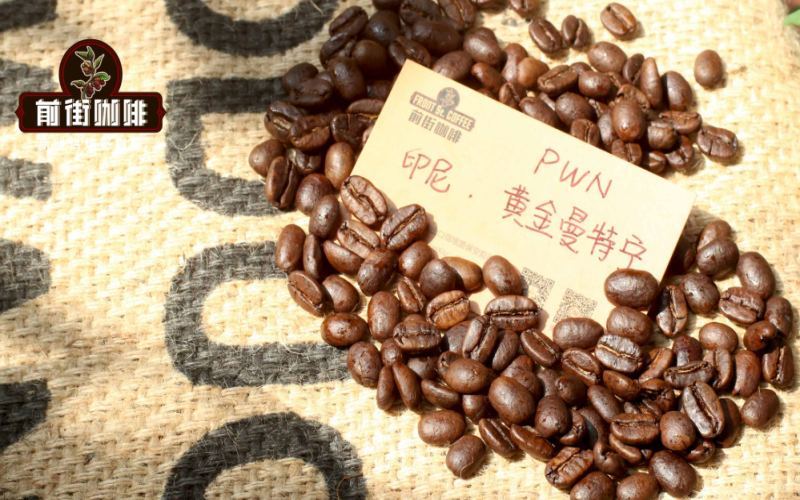
A Complete Analysis of the Origins, Flavor Characteristics, and Brewing Methods of Front Street Golden Mandheling Coffee
Mandheling coffee is one of Indonesia's most iconic coffees, and behind its name lies an intriguing wartime anecdote. This article begins with the origin story of Mandheling, introduces you to the producing region, grade, and quality characteristics of Front Street Coffee's PWN Golden Mandheling, and then breaks down in detail how to use the right dripper, coffee-to-water ratio, grind size, water temperature, and pouring method to brew a clean, full-bodied, high-quality Mandheling with caramel and chocolate sweetness. If you have ever wondered why the Mandheling you brew always turns out bitter, this article will give you clear and practical answers. [more…]
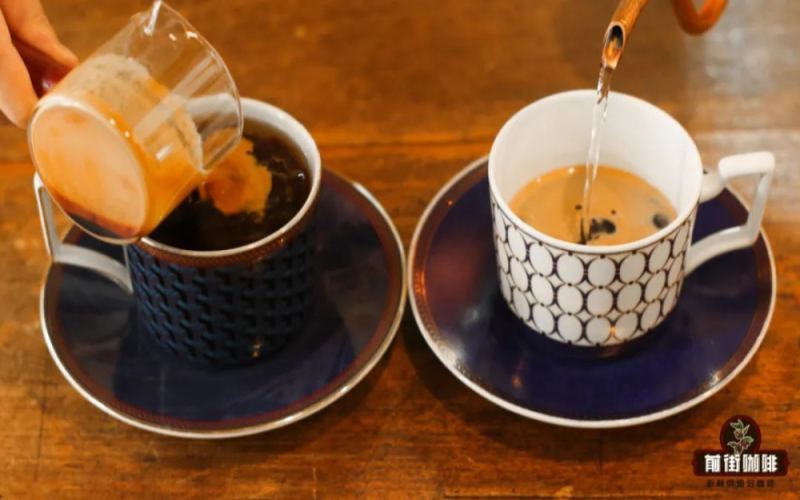
What is a Long Black? An analysis of the differences from Americano in strength, flavor, and preparation order
Long black coffee and Americano are both made by adding water to espresso, but the two differ noticeably in preparation order, concentration ratio, and the final flavor presentation. Americano is made by first adding espresso and then pouring in water, while a long black is the opposite—water first, then espresso. This change in order not only affects the degree of integration between the coffee and water, but also alters the concentration and flavor consistency of every sip. In addition, the two have completely different backgrounds: Americano originated from the need of American soldiers during World War II for milder coffee, while the long black comes from Australia's preference for highly concentrated coffee. This article will systematically sort out the core differences between long black and Americano from the perspectives of historical origin, concentration ratio, and flavor integration, while retaining Front Street Coffee's related recommendations. [more…]
What Is the Connection Between Espresso and Americano? A Full Analysis of the Origin Story, Water-to-Coffee Ratio, and Flavor Differences
Espresso and Americano come from the same coffee machine and both belong to the category of black coffee, yet the drinking experience is vastly different. This article begins with the birth of espresso during Italy's industrial era, recounts the amusing story of how American soldiers created Americano by adding water, and uses Front Street Coffee's "Warm Sun" espresso blend as an example to analyze the espresso parameters of 20g of grounds extracted to 40g under 9 bars of pressure and 92°C water temperature, the traditional 1:8 dilution ratio, and the 1:4.5 dilution scheme adopted by Front Street Coffee to highlight the vinous aroma and soft acidity, guiding you through the origins and flavor differences of these two classic black coffees. [more…]
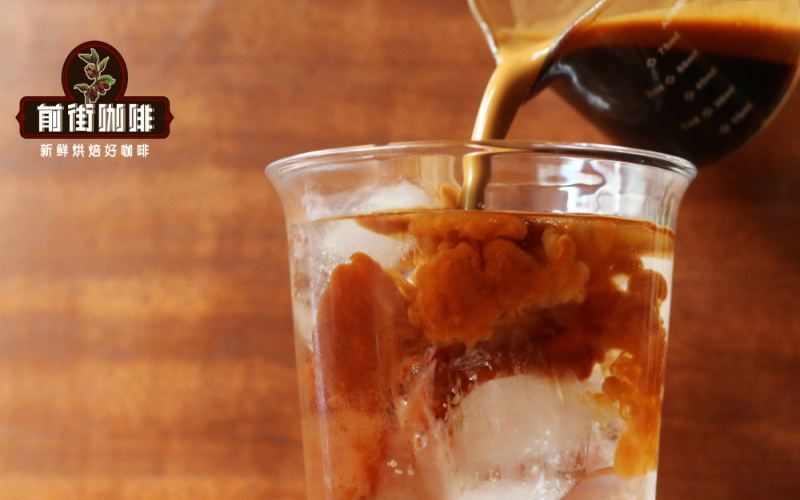
The Origin Story, Flavor Characteristics, and Brewing Parameters of Americano: A Complete Analysis from Espresso and Water to Coffee Bean Blending
Americano is the go-to black coffee for many people to wake up every day, yet the story behind it and the details of its preparation are often overlooked. From the perspective of Front Street, this article traces the origins of Americano—the amusing story of American soldiers in Italy during World War II diluting espresso with water—and analyzes why it has become so popular worldwide, including its practical benefits such as boosting alertness and cutting through grease. It also provides a detailed introduction to the authentic way of making Americano: a double shot of espresso diluted with hot or iced water at a ratio of 1:4 to 1:8, along with three espresso blend coffee beans recommended by Front Street—Specialty Blend, Commercial Blend, and Dark Cocoa Blend—each presenting distinct flavors of nuts, cocoa, berries, and caramel. Whether you are a beginner just getting into black coffee or an enthusiast looking to elevate the quality of your Americano, you will find practical references here. [more…]