







Search Results for: smooth and easy to drink
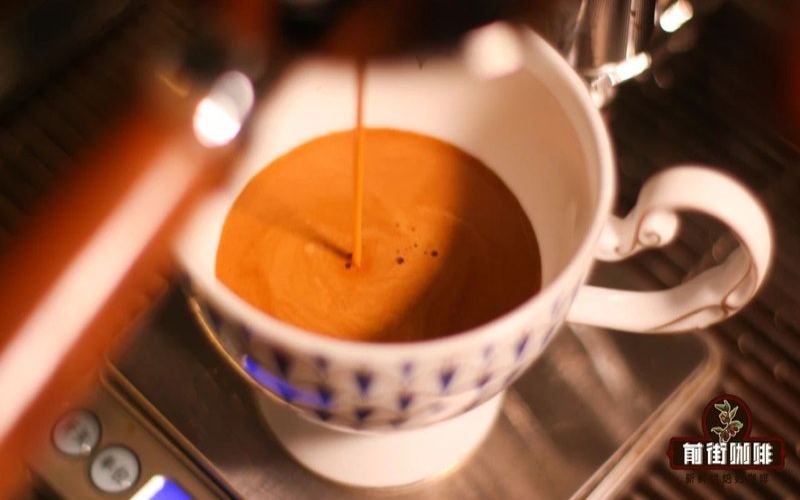
Choosing Latte Coffee Beans by Roast Level: A Guide from Light and Refreshing to Rich and Bold
The base of a latte is espresso, while milk provides a smooth mouthfeel and natural sweetness. Whether the coffee beans are roasted light, medium, or dark will change the aroma, acidity, and body in the cup. If you want the coffee flavor to come through more clearly, pay attention to the intensity brought by the roast; if you prefer something soft and easy to drink, focus on the beans' sweetness and body. [more…]
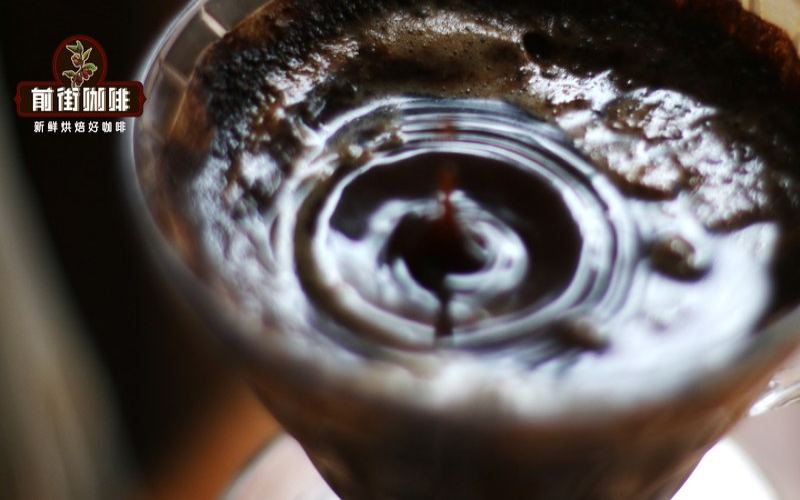
Roast level determines the lightness and richness of cold brew.
The flavor direction of cold brew coffee is closely related to the roast level of the beans. Light-roasted beans, under low temperature and a slow water flow, tend to present floral notes, fruity acidity, and a bright sweetness; medium-roasted beans have a rounder mouthfeel and are suitable for making smooth, easy-drinking iced coffee; dark-roasted beans bring cocoa, nut, and caramel notes to the forefront, making them suitable for those who prefer a heavy [more…]
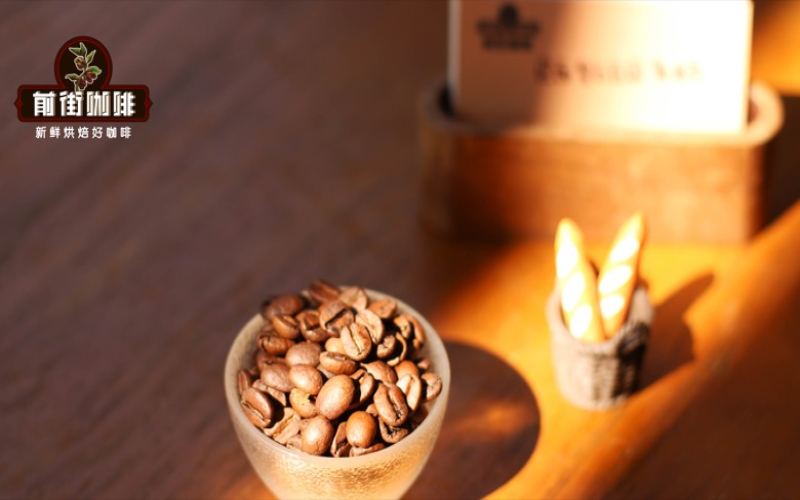
The Mellow Sweetness of Brazilian Coffee Beans: Why Medium-Dark Roasts Are So Easy to Drink
If there is one coffee flavor profile that is especially well suited to understanding what "easy-drinking" really means, Brazilian coffee beans are usually the first to come to mind. Their character is not flashy; it leans more toward warm notes like nuts, cocoa, caramel, and roasted hazelnuts. After a medium-dark roast, the acidity is softened further by the roast, while the sweetness and body become more pronounced, making it drink [more…]
Choosing Coffee for Family and Friends: Two Low-Acid Beans That Elders and Acid-Sensitive Drinkers Will Love
Want to give your parents or acid-sensitive friends a bag of coffee beans, but find yourself overwhelmed browsing e-commerce pages? Gifting is scarier than drinking it yourself—if the taste doesn't match, even the most expensive beans go to waste. Today, following the "mass acceptance first" standard, I recommend two low-acid, smooth, easy-to-drink beans, with brewing methods suited to different equipment. [more…]
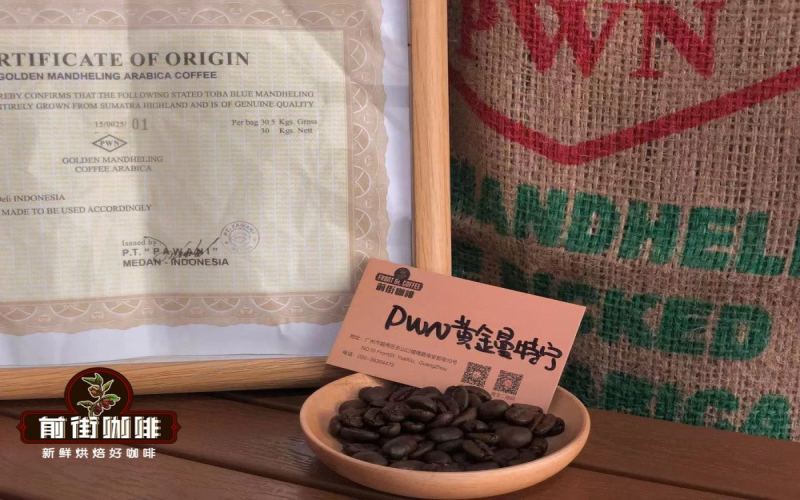
What's So Good About Dark Roast Coffee Beans? Why Veteran Coffee Drinkers Keep Coming Back for More
When many people first get into coffee, the moment they hear the words "dark roast," their first reaction is "that must be so bitter." Yet many veteran coffee drinkers who have been drinking coffee for over a decade actually end up liking dark-roasted beans more and more. Why is that? The answer is simple: the charm of dark-roasted beans has never been "bitterness," but rather that heavy, weighty richness. [more…]
How to choose beans for iced coffee: first look at the roast level
Ice cubes will quickly lower the coffee's temperature and, once melted, dilute its strength. For this reason, the roast level of the beans directly affects the brightness, sweetness, and body on the palate. If you want a crisp iced pour-over, look toward a light roast; if you prefer a smooth, easy-drinking iced Americano, a medium roast makes it easier to find balance; if you plan to add milk, the color [more…]

Choosing beans for a moka pot by roast level: where does the crema come from?
Coffee brewed with a moka pot often has a thin layer of fine bubbles floating on its surface, and when sipped it may present an oily, thick, or smooth texture. If you want this quality to be more pronounced, roast level is a clue worth observing first. It affects the beans' solubles, aroma direction, and flow rate, and also determines whether a cup of coffee leans brighter, or more [more…]
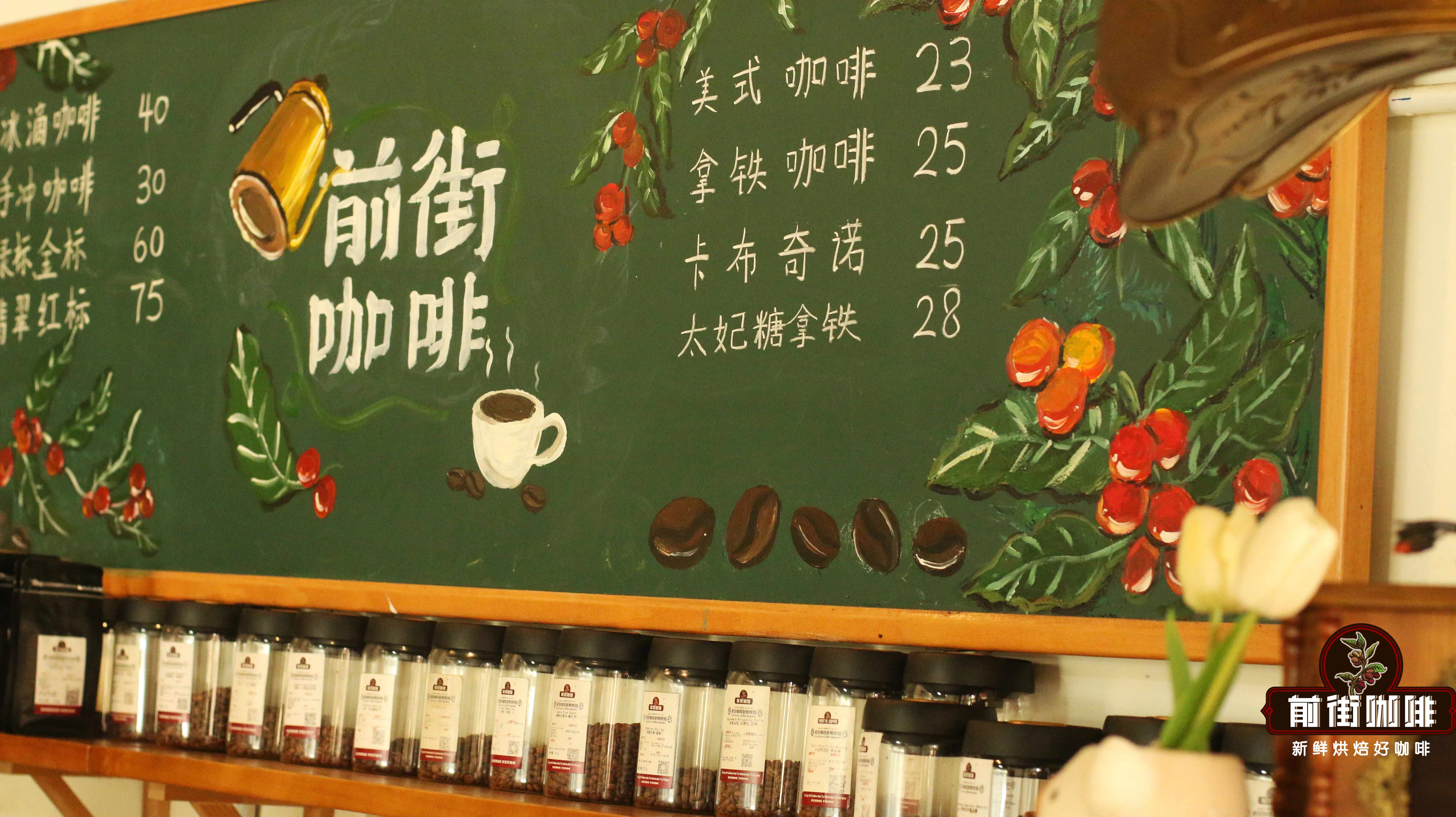
Espresso Coffee Characteristics Comparison | What's the Difference Between a Latte and an Americano? Introduction to Americano and Latte Coffee Flavors, Taste, Brewing Methods, and Extraction Ratio Parameters
For those who seldom drink coffee, ordering coffee is not an easy task. The dazzling array of items on the menu can make one's head spin—what are the differences between them? Is Americano the coffee that Americans love most? What is the difference between Americano and latte? Today, Front Street Coffee (Fro [more…]
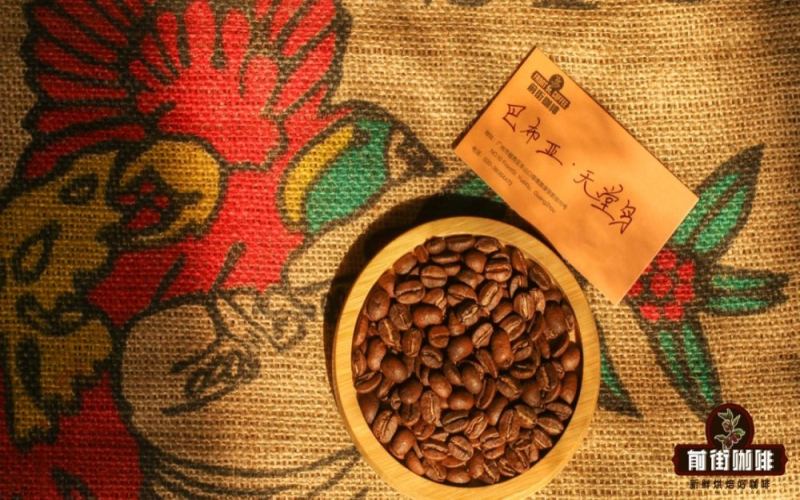
Not a Fan of Sour or Bitter: Sweet Pour-Over Bean Recommendations to Truly Understand "Sweetness"
In the flavor spectrum of coffee, "sweetness" is the most easily overlooked segment. Many people waver between acidity and bitterness, yet fail to realize that in specialty coffee there is an entire route centered on sweetness—smooth, easy to drink, and appealing to all ages. This article explains sweet-tasting beans all at once. Where does coffee's sweetness come from? Coffee's sweetness mainly comes from roasting. [more…]
Choosing Non-Acidic Pour-Over Beans by Roast Level: From Medium to Dark Roast
Pour-over coffee doesn't only express bright fruity acidity. If you prefer a soft, easy-drinking cup with nutty or cocoa notes, you can start by choosing beans from three directions: medium roast, medium-dark roast, and dark roast. The darker the roast, the more the acidity usually recedes, and the flavors gradually shift toward caramel, roast, chocolate, and nuts, making them suitable for breakfast, [more…]
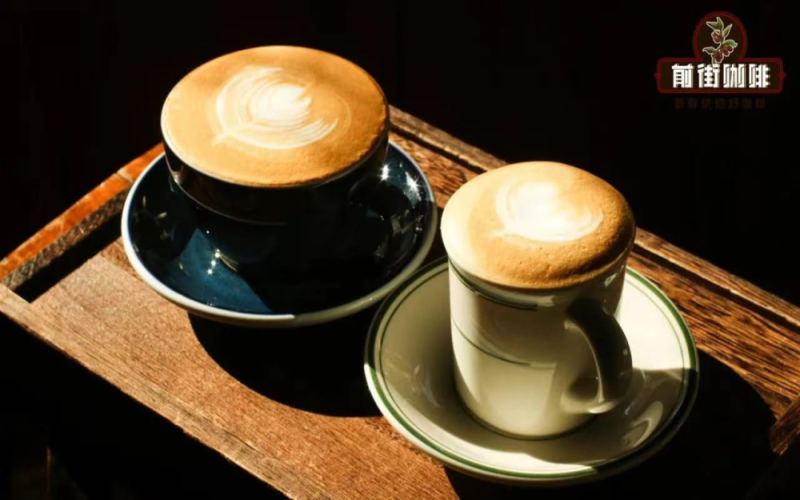
Espresso Beans | Single-Origin or Blend for Pulling Espresso? Recommended Commercial Specialty Espresso Beans with Rich Crema and Great Value
Today I'll teach you how to select coffee beans for making espresso. If the coffee beans used are unsuitable, the resulting coffee will naturally taste bad. First, let's talk about what espresso is. Common espresso drinks include espresso, Americano, latte, cappuccino, flat white... and among these, the most important [more…]

Classic Espresso Varieties | What's the difference between a latte and an Americano? Why does Americano black coffee taste bitter?
For those who rarely drink coffee, ordering coffee is not an easy task. The dazzling array of items on the menu can make one dizzy. What are the differences between them? Is Americano the coffee that Americans like to drink the most? What is the difference between Americano and latte? Today, Front Street Coffee (FrontSt [more…]
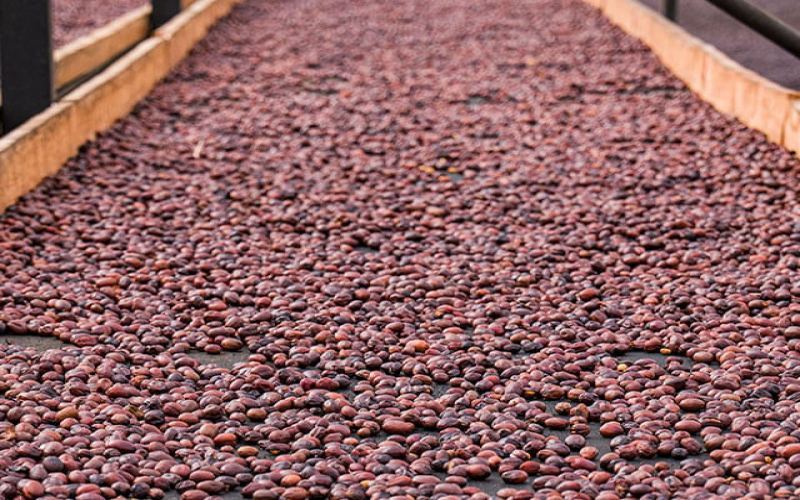
Understand the degassing period and drinking window on coffee bags to pick single-origin pour-over beans that are smooth without sourness or bitterness
Freshly roasted coffee beans hold a large amount of carbon dioxide internally. When brewed immediately, the violently released gas tends to obstruct the even contact between water and coffee grounds, making the extracted flavors taste tight and astringent. To bring out a smooth and gentle texture in the cup, it is essential to understand the evolution of the beans from the moment they leave the roaster until the aromatic compounds fully unfurl. [more…]
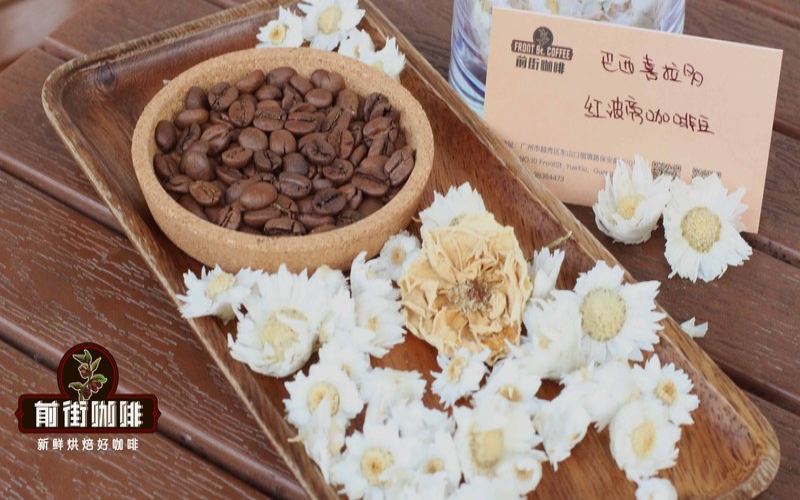
Choosing Espresso Blend Beans by Roast Level: From Bright Acidity to Full-Bodied Richness
When making espresso, the roast level of a blend directly affects the flavor, texture, and suitable drinking occasions of the shot. Light roasts more easily preserve bright acidity and fruity notes, medium roasts bring sweetness, aroma, and body to a more balanced position, while medium-dark and dark roasts lean closer to nutty, cocoa, and roasted tones. For those just getting into espresso, [more…]
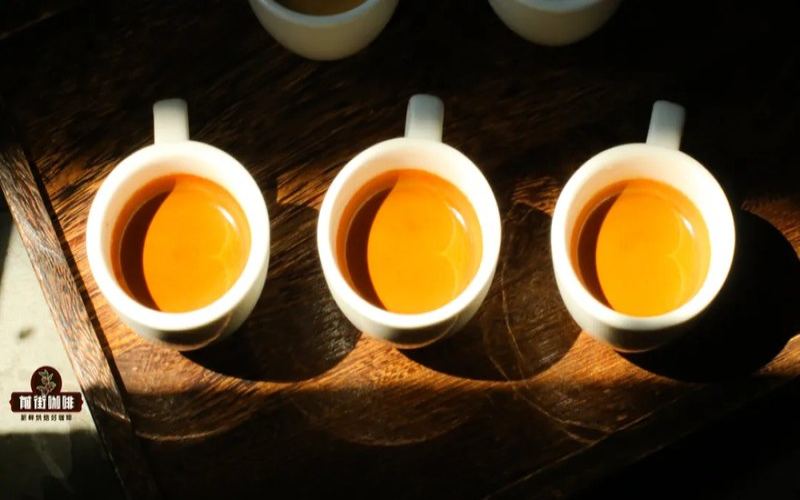
From Medium-Dark to Dark Roast: Choosing Dark Roast Beans for Pour-Over Like This
Pour-over is not only for bright, light-roasted beans. Once the roast level reaches medium-dark or dark, coffee reveals notes of cocoa, nuts, caramel, and roasted aromas, with a heavier mouthfeel and softer acidity. As long as you choose according to the intensity you want, dark-roasted pour-over can also deliver clear sweetness and a smooth texture. Pick [more…]

Espresso Milk Drinks | How to make a standard latte, cappuccino, and flat white? What are the differences between the three?
Even with the same few ingredients, as long as the proportions differ, we can create infinite possibilities—coffee is a perfect example. Take the "three milk coffee musketeers" that Front Street Coffee often shares: latte, flat white, and cappuccino. Their only ingredients are milk and coffee, yet when you drink them, whether in taste [more…]

The Office Worker's Lifeline Beans: Two Cups a Day—Tasting Good and Being Affordable Is What Really Matters
The point of office coffee is simple: to wake you up, taste smooth, and not cost too much. At two cups a day, the logic for choosing beans is completely different from home tasting—this article helps workers do the math clearly. First, let's calculate the cost: at two cups a day and 15 grams of grounds per cup, a one-pound bag (454 grams) of beans lasts about 15 days, a [more…]
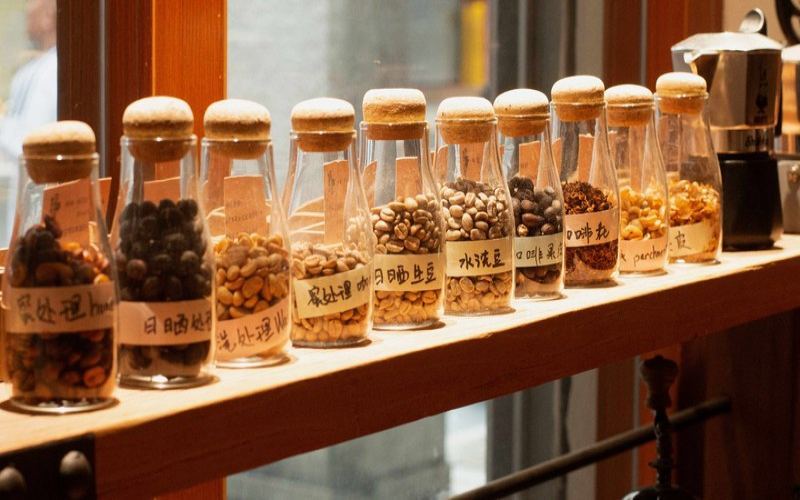
Understanding the Degassing Cycle of Espresso Beans: Daily Drinking Rhythm and Flavor Preservation Methods for Home Machines
Roasted coffee beans contain abundant carbon dioxide internally, and these gases can participate in forming a golden, delicate crema during extraction. However, during the stage of extremely vigorous degassing, excessive bubbles tend to hinder uniform contact between water flow and coffee particles, making the flavor in the cup appear unsettled. Understanding how coffee beans evolve in condition across different time periods, [more…]

Brewing Strong Coffee with a Moka Pot | Which Makes Stronger Coffee: an Espresso Machine or a Moka Pot? Is a Moka Pot Easy to Use, and Is It Suitable for Coffee Beginners?
Both the moka pot and the espresso machine can brew strong coffee, but the difference between them is actually quite large. Assuming you want an espresso with rich crema, you'll need to choose a higher-performance espresso machine, because only this type of equipment can produce a thick, viscous coffee liquid to help us make a wider variety of fancy coffee drinks, whereas [more…]

Choosing Dark Roast Beans by Roast Level: A Bean Selection Approach from Black Coffee to Milk Coffee
The charm of dark roast beans lies in their aroma shifting from floral and fruity notes to cocoa, roasted, nutty, and caramelized sweetness, with a cup that is usually deeper and more grounded, and a texture that feels more substantial. It suits the moment in the early morning when you need a hearty cup of black coffee, and it also works well with milk to make a latte. If you do not particularly care for pronounced acidity, dark roast will be an easy one to grow fond of. [more…]