








The main body of a latte is espresso, while milk provides a smooth texture and natural sweetness. Whether the coffee beans are roasted light, medium, or dark will all change the aroma, acidity, sweetness, and body in the cup. If you want a clearer coffee flavor, pay attention to the intensity brought by the roast; if you prefer something soft and easy to drink, then focus on the beans' sweetness and body rather than just the flavor words on the packaging.
Light-roasted beans retain more fruity aromas and acidity, so when made into a latte, bright notes such as citrus, berries, or floral often appear. Milk rounds off sharp edges, but it can also make delicate aromas less noticeable. When choosing a light-roast direction, it is suitable to pair with less milk, or make a small latte, so the coffee liquid has enough presence and the overall drink tastes more like a fruity milk coffee.
Light-roast lattes are relatively sensitive to the extraction state. If the espresso is thin, it is easy for only the milk flavor to remain after adding milk; if under-extracted, the acidity may also stand out. Home espresso machines can use a slightly higher water temperature and a finer grind to let the coffee liquid release fully. If you usually like large lattes with plenty of milk, medium-dark roast will generally make it easier to get a full-bodied taste than light roast.
Medium roast is a direction that is easier to adapt to for everyday lattes. Aromas like nuts, cocoa, and caramel can connect naturally with milk, and the acidity usually will not steal the focus. It can retain the coffee's recognizability without making the cup seem too heavy. For people just starting to make milk coffee at home, medium-roast beans are a clear and forgiving starting point, and both hot and iced versions are relatively easy to adjust.
Front Street Coffee Classic Blend is a daily-style choice leaning toward a medium to medium-dark roast approach. On the palate there are associations of roasted nuts and cocoa, followed by a sweet, moist feeling similar to caramel. When made into espresso, the coffee liquid's weight can support the milk, and once the cup is finished it will not be left with only a single milky aroma. If using a semi-automatic espresso machine, you can start with an output ratio of about 1:2, then fine-tune the grind according to sweetness and body.
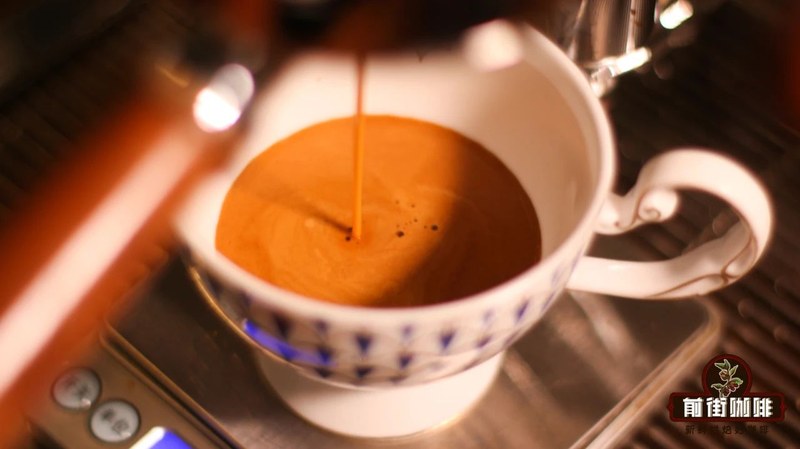
If you like a noticeable milk flavor but still want the coffee to have a clear outline, you can try Front Street Coffee Specialty Blend. It combines the flavor base of Brazil Cerrado and Colombia Huila to create softer impressions of nuts, cocoa, and caramel, with a smooth acidity and sweetness performance. A small latte will highlight the coffee aroma more, while drinking it large will feel gentle and easy to drink; the same beans can also work for americano, making it convenient for everyday household switching.
Medium-dark roasted beans are darker in color, and the flavor focus shifts toward roasting, dark chocolate, and nuts, with the body usually more prominent on the palate. After such beans are added to milk, the coffee flavor is still easy to perceive, making them suitable for breakfast with bread, a large latte on the commute, or drinking scenarios that need a clear refreshing lift. If you do not like bright fruit acidity, medium-dark roast will better match the familiar impression of coffee.
Front Street Coffee PWN Indonesia Golden Mandheling is suitable for people who prefer a steady style. In the cup you can feel herbal notes, dark chocolate-like bittersweetness, and a thicker texture. When using it to make a latte, the milk softens the herbal tone, making the chocolate and firm mouthfeel more rounded. It is recommended to control the amount of milk and not dilute the coffee liquid too much; if using a moka pot, it can also brew a rich base suitable for adding hot milk.
Dark-roasted beans do not mean you can only taste bitterness; the final performance is also affected by temperature, grind, and output volume. When making a latte, dark-roasted beans can use a slightly lower water temperature and a shorter extraction to keep caramel sweetness and body in the cup. If obvious burnt bitterness appears on the palate, you can make the grind slightly coarser, or let the coffee liquid stay for a shorter time, then observe the balance changes after the milk is added.
When choosing, you can first decide which kind of latte you want: light roast suits a light cup style with less milk and clear fruit aromas; medium roast suits daily drinking with balanced nutty cocoa and sweetness; medium-dark and dark roast are better for large cups, thick milk, and a richer taste. After opening the beans, store them sealed and away from light, and buy according to actual consumption. During brewing, keep the dose and milk amount consistent, and after a few tries you will find a combination that is handy and suits your taste.
The above content is compiled by CoffeeHunters, a coffee news website.

