







How Do Coffee Shops Choose Espresso Beans?
Espresso magnifies every flaw and every virtue, so a shop blend has to work across straight shots and milk drinks alike. Selection comes down to three things: roast level, sweetness as a shared reference point, and how the components work together in the blend. Customer surveys show more than 70% of guests dislike noticeable acidity, which pushes most espresso blends toward medium and dark roast profiles.
Roast level runs from light, which highlights floral and herbal notes, through medium for nutty and caramel tones, to dark for spice and chocolate. Sweetness is the most universal taste across origins and price points, so building a blend around it widens appeal. Careful coffee handling during blending and cupping, rather than chasing really expensive coffee, is what produces a balanced, smooth result.
Espresso is a magnifying glass for coffee flavors—any flaw or virtue is multiplied several times over, which is why finding a satisfying blend is no easy task. What kind of espresso beans does a coffee shop really need? This article analyzes the question from three angles: roast level selection, the universality of sweetness, and the teamwork involved in blending. Drawing on customer survey data and tasting experience at trade shows, it explores how to balance acidity and bitterness, accommodate both espresso and milk-based drinks, and recommends products such as Front Street Coffee Classic Blend and Front Street Coffee Specialty Blend, offering practical bean-selection guidance for coffee professionals.
What kind of espresso beans do we really need?
Roasting coffee beans is like cooking a fine dish: copying someone else's recipe is already difficult, and what's even trickier is avoiding the awkward situation where "one man's meat is another man's poison." An excellent blend should possess "universality."
This is precisely where single-origin coffee falls short: some people adore the berry-like acidity of Kenya, and a plain Kenyan coffee is enough to satisfy them; yet the friend sitting across the table, even if you name the estate, explain how expensive it is, and patiently guide them, will find that cup as hard to swallow as a bowl of cold tomato soup.
●1. Don't over-pursue acidity
Coffee roasting can be roughly divided into three levels: light roast (highlighting floral and herbal aromas); medium roast (presenting nutty and caramel-stage aromas); dark roast (showcasing spice, chocolate, and resinous aromas).
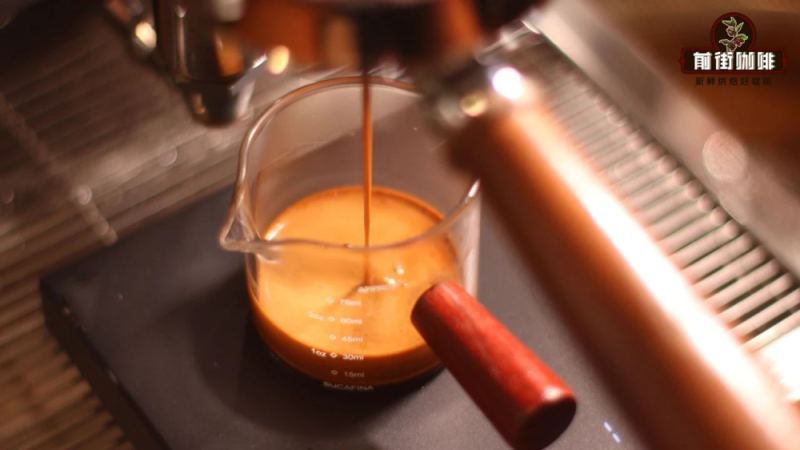
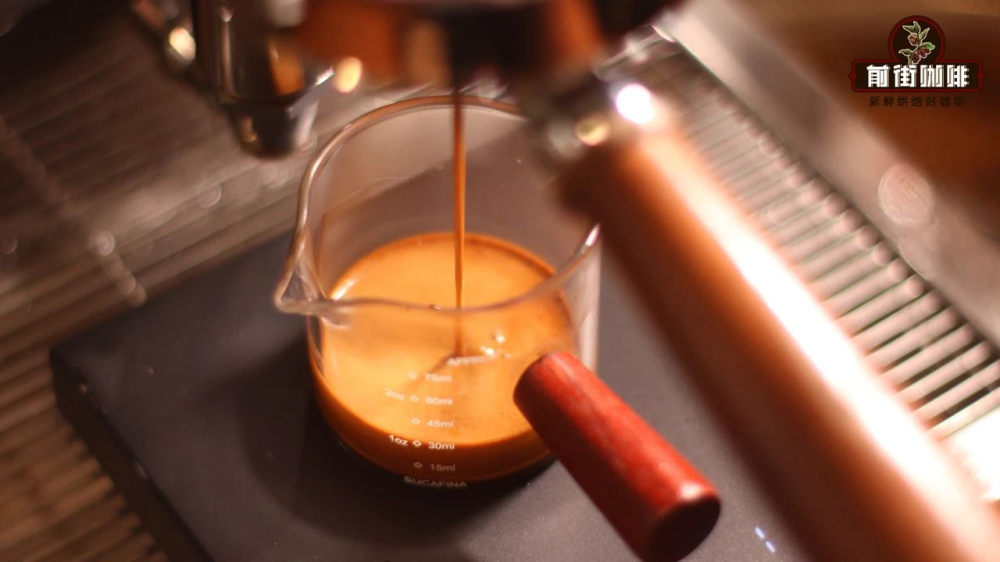
In our customer research, more than 70% of guests dislike coffee with noticeable acidity. A look at the high sales of dark-roasted Mandheling coffee on Taobao gives a rough sense of this preference. The same applies to espresso blends—more people actually favor rich, non-acidic coffee. If you like a thick layer of crema, you can choose Front Street Coffee Classic Blend and Front Street Coffee Commercial Blend; if you're after maximum value for money, Front Street Coffee Dark Cocoa Basic Blend is a great choice, and it's also a espresso bean highly recommended by baristas.
●2. If you're looking for the most universal taste, it's "sweetness"
At a trade show, I once offered passing enthusiasts samples in tasting cups. Regardless of origin or price, the coffee everyone favored always carried a distinct sweetness. Many baristas know that medium-roasted beans can enhance the sweetness when coffee blends with milk. So making a "sweet latte" that everyone loves isn't difficult—just ensure the milk quality and keep the blend's roast level neither too dark nor too light.
Unfortunately, many shops aren't equipped with two or three espresso grinders to produce different drinks separately, so a blend should ideally handle the quality of espresso, black coffee, milk coffee, and iced coffee all at once. If you want a coffee that shows obvious sweetness whether made as an Americano or a latte, Front Street Coffee Specialty Blend is the top choice. It combines two major coffee-growing regions of the Americas—Brazil and Colombia—and uses a medium-dark roast, giving off complex nutty aromas of almond, almond, and walnut. On the palate comes the smoothness of Brazilian beans, while the sweetness of chocolate and caramel makes the finish last longer.
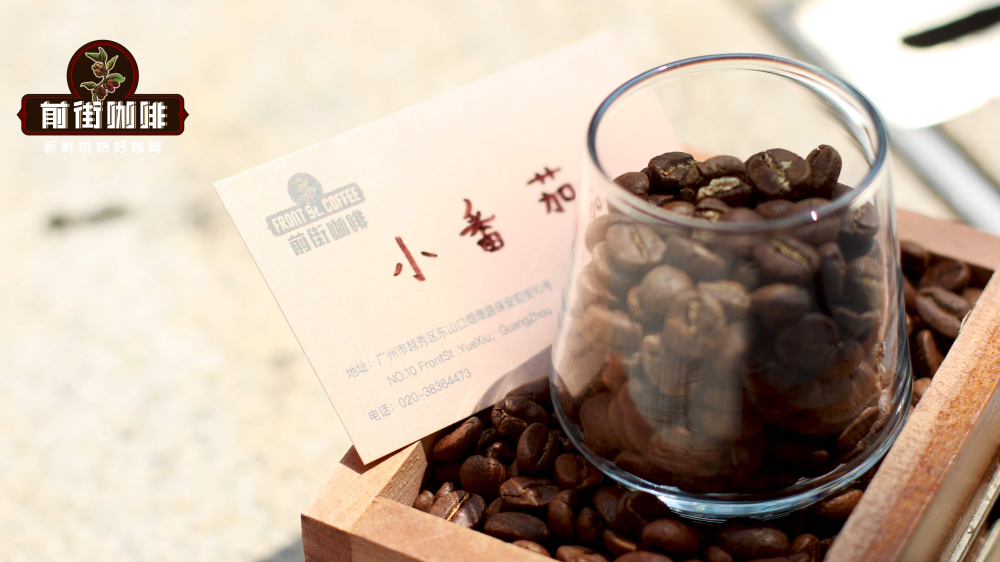
●3. Let go of "personal flair"—a blend is a "team," and each part just needs to play its role
A roaster needs a deep understanding of most coffee beans on the market, just as a cook must at least know how each ingredient is handled and how it tastes. Facing ingredients that are sour, sweet, bitter, spicy, and full-bodied, you must first ask yourself: "What style do I actually want this recipe I'm making today to present?"
Experimenting with recipes is like a real-life version of "Breaking Bad"—the goal is to create your own, widely loved signature "private dish" through the flavor interplay among coffee beans. What would happen if you blend Colombia's caramel flavor into Costa Rica's vanilla note? Or if you roast a berry-bomb natural Yirgacheffe to medium-dark—could it blend perfectly with the existing recipe base? These questions can only be answered through practice.
●Espresso is the concentrated essence, and all the flavors and flaws in the coffee beans are magnified several times over, so getting a satisfying espresso blend is by no means easy.
As many people ask me: "What kind of espresso beans do we really need?"
My answer is: it should be a blend that meets your customers' needs—balanced, easy-drinking, with sweetness, and capable of handling all kinds of drinks your shop serves.
Oh right, and of course it'd be better if it were cheaper.
The above content is compiled by CoffeeHunters, a coffee news website.


