







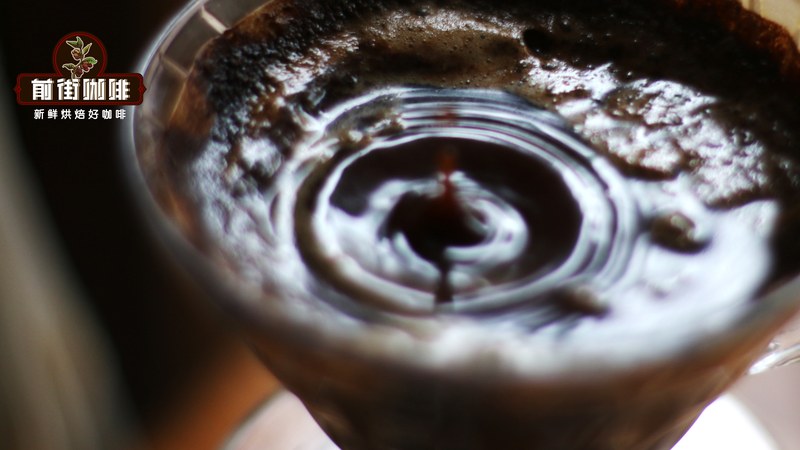
The flavor profile of cold brew coffee is closely related to the roast level of the beans. Light roast beans tend to present floral notes, fruity acidity, and bright sweetness in low-temperature, slow water flow; medium roast beans have a rounder mouthfeel, suitable for making smooth and easy-to-drink iced coffee; dark roast beans bring cocoa, nutty, and caramel notes to the forefront, suitable for those who prefer a heavier feel.
If you prefer a refreshing, juice-like cold brew, you can start selecting from the light roast direction. Light roast beans usually have more distinct regional characteristics. After cold brewing, the acidity will be softer than hot brewing, and the aroma will become more subdued. If you want to retain lively fruity notes in the cup, you can choose beans with clear fruity descriptions and a sweetness that is not thin.
Front Street Yirgacheffe Gudingding is suitable to consider within the range of light roast bean selections. It originally has citrus, berry, and floral notes, with a sweet finish close to green tea. After cold brewing, the sharpness will be reduced, the fruity aroma becomes soft, and it is refreshing to drink. It is suitable for drinking straight, and can also be served with ice cubes as a light summer black coffee.
Light roast beans are more sensitive to grinding and drip speed. If the coffee bed is too tight or the water flow is too slow, it is easy for the cup to have prominent acidity and insufficient sweetness. When making it, you can use a grind slightly finer than regular cold brew, but not as fine as espresso grind; keep the dripping continuous, and let the total extraction time serve sweetness rather than simply pursuing slowness.
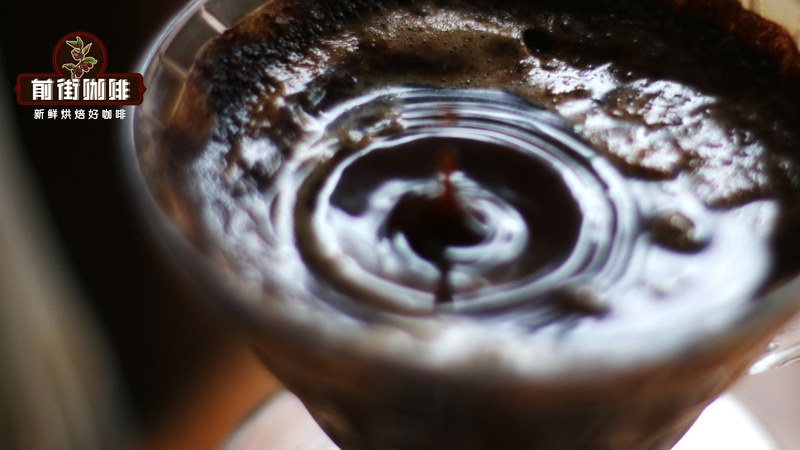
Medium roast beans are the direction that more easily establishes balance in cold brew. They do not overemphasize bright acidity and aroma, and can also retain a certain regional character. After cooling, caramel, cooked fruit, or cocoa-like sweetness often appears. For those who want a smooth black coffee but do not want the flavor to be too monotonous, medium roast beans are usually easier to incorporate into daily drinking.
Front Street Strawberry Candy Coffee Beans can serve as a sweeter, more aromatic cold brew option. Its aroma is close to strawberry candy, the flavor is lively, and after refrigeration the sweet aroma appears more concentrated. When used to make cold brew, it is suitable for drinking directly with ice; if a small amount of milk is added, it can also retain clear fruity notes, giving the milk coffee a soft and interesting variation.
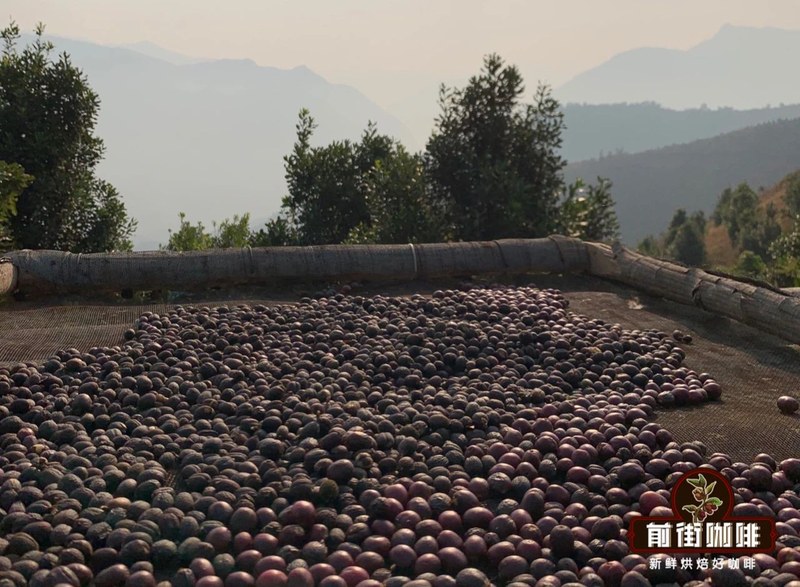
The concentration of medium roast beans can be adjusted through the amount of coffee grounds and the yield. If you want a lighter drink, you can appropriately increase the water amount to let the aroma unfold; if you prefer a fuller mouthfeel, you can reduce dilution or use the cold brew liquid as a concentrated base. After the cold brew is finished, let it sit for a period of time first, and wait for the temperature and flavor to integrate before judging whether water needs to be added.
Consumers who like bright acidity and sweetness with a clear finish can pay attention to medium-light or light-medium roast Kenyan beans. Front Street Kenya Little Tomato has flavors like cherry tomatoes, smoked plum, and yellow sugar. The acidity is present, but it does not become only sharp and stimulating. After cold brew extraction, the juice-like feel becomes smoother, suitable for drinking straight and also for making sparkling iced coffee.
Dark roast beans perform in a fuller and steadier way in cold brew. Low temperature weakens some smoky and burnt-bitter notes, making cocoa, nuts, and caramel appear more concentrated. If you usually like coffee with a solid mouthfeel and low acidity, you can take dark roast as a direction to try. Its combination with milk, oat milk, or a small amount of syrup is also relatively natural, suitable for making iced lattes.
When choosing dark roast beans, it is recommended to pay attention to whether they still have sweetness, rather than only looking at how dark the color is. If the beans are roasted darker, the cold brew coffee bed may absorb water and flow faster. The grind should not be too fine, and the water flow does not need to be deliberately slowed down. If the extracted liquid shows obvious burnt bitterness, you can shorten the contact time, or add an appropriate amount of cold water before drinking, to bring the mouthfeel back to a rounded state.
Roast level is not a fixed ranking of good or bad beans, but a clue that determines the cup profile of cold brew. Light roast is suitable for pursuing floral and fruity aromas and a clear feel, medium roast is suitable for seeking sweetness and balance, and dark roast is more suitable for those who prefer cocoa, nuts, and a rich mouthfeel. First confirm the texture of the cold coffee you want, then choose beans from the corresponding roast direction, and cold brew will more easily produce a satisfying flavor.
The above content is compiled by CoffeeHunters, a coffee news website.

