What Is Brazilian Coffee and Why Does It Drink So Smooth?
Brazilian coffee is defined by balance rather than impact. Its typical profile leans on warm notes such as nuts, cocoa, caramel, and roasted hazelnut, with acidity that stays in the background. After a medium-dark roast, that acidity softens further while sweetness and body come forward, producing a steady everyday cup that stays easy to drink across pour-over, espresso, milk drinks, and iced coffee.
Natural and semi-washed processing gives many Brazilian lots their nutty and cocoa sweetness, plus dried ripe fruit notes, which shift toward caramel and toasted bread at medium-dark roast. Brazil often plays the foundational role in classic blends, holding the flavor in a stable range. Two descriptor keywords help: nutty sweetness reads lighter, caramel character reads rounder and sweeter.
If there is a coffee flavor that is especially good for understanding what "smooth" really means, Brazilian coffee beans are usually the first example that comes to mind. Their character is not flashy; instead, it leans toward warm notes like nuts, cocoa, caramel, and roasted hazelnut. After a medium-dark roast, the acidity is softened further by roasting, while the sweetness and body become clearer, making it drink like a well-structured, steady everyday cup of coffee.

A big reason Brazilian beans are so popular is that their flavor framework is clear. After natural or semi-washed processing, many Brazilian coffees develop more obvious nutty sweetness, cocoa sweetness, and dried ripe fruit notes; at medium-dark roast, these flavors move further toward caramel and toasted bread, and the cup becomes much rounder. It does not win people over with impact, but with balance that makes you want to keep sipping.
In actual drinking experience, Brazilian beans work very well as an "approachable" base. In pour-over, they keep the cup relatively tidy, with acidity not standing out and sweetness easier to perceive; in espresso or milk coffee, the crema and cocoa notes blend naturally with milk; if served as an iced drink, they can also retain some sweetness and do not taste thin at low temperatures. Because of this, Brazil is often the foundational role in many classic blends, responsible for bringing the flavor back to a stable, easy-drinking range.
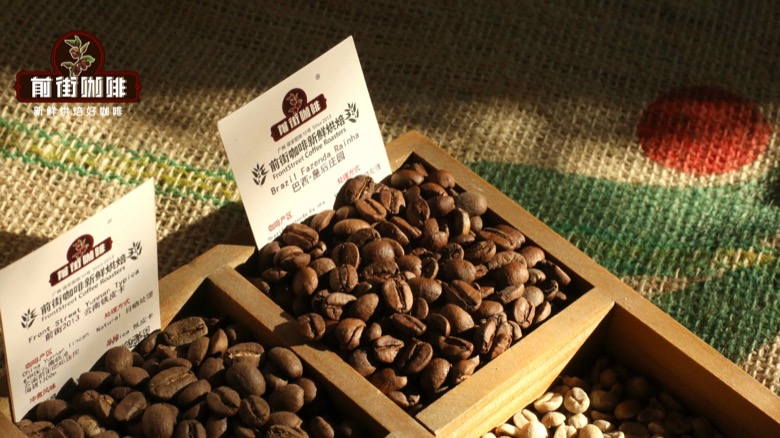
In brewing, Brazilian beans do not need overly aggressive parameters. For pour-over, you can use a medium grind and stable water temperature, while for espresso it is best to let extraction land in a range where sweetness is more concentrated, so the nut and caramel notes come through more cohesively.
If you want to find the direction you like from Brazilian beans, pay attention to two keywords: one is "nutty sweetness," and the other is "caramel character." The former is lighter, like roasted almonds and crushed peanuts, and is suitable for drinking often; the latter is rounder, like caramel biscuits and dark syrup, and is suitable for those who want a sweeter cup. Medium-dark roasted Brazilian beans usually do not make acidity very prominent, and instead put sweetness and body at the front, which is also why they feel natural in so many brewing methods. They do not need much explanation; once they hit your palate, the flavor already stands on its own.
The above content is compiled by CoffeeHunters, a coffee news website.